Knowing how to hook live bait is a huge part of becoming the best angler you can be. With a better-hooked live bait, you can ensure better chances of having stellar days on the water just by following a few simple steps. At the end of the day, I want this article to teach you how to bait a hook so that it doesn’t look like it’s even hooked at all. Over my many years of fishing, I cannot begin to tell you how many times I’ve seen baits hooked poorly and how that predicted the overall success of the day. If the bait doesn’t look good to you, it certainly won’t to the fish. So, in this article, I’m going to help you fix that and enhance your live bait hooking skills.
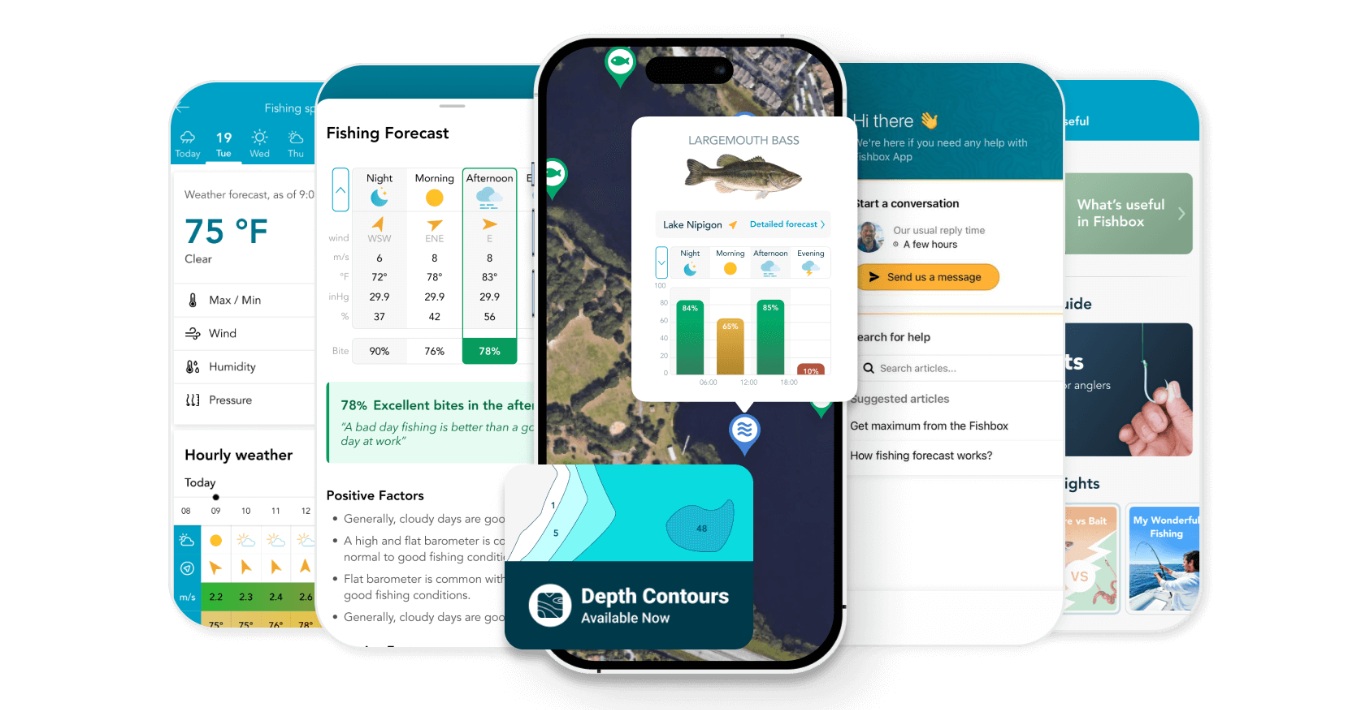
Before I get any further into the article, I want to take a second to touch on one thing that has been incredibly helpful in my journey as an angler—the Fishbox App and its many uses, including your own personalized fishing map and insights. I’ve been using the Fishbox App and platform for over a year now, and it has become quite the weapon in my arsenal of fishing tactics. Not only can you take a free quiz to get a personalized fishing map, but you can also access tons of other great metrics that play into the bite—whether that’s the moon phases, weather, bite patterns, and more. I highly encourage you to give the Fishbox App a try, or at least take a quick quiz to get your personal fishing map.
Without further delay, let’s jump into the article so we can learn more about fishing with live bait.
Table of contents
Types of Live Bait for Saltwater Fishing
Within the realm of saltwater fishing, there are tons of different live baits you can use. Since this article is primarily about how we are going to be hooking these live baits, I’m going to go over some of the more popular baits that are used.
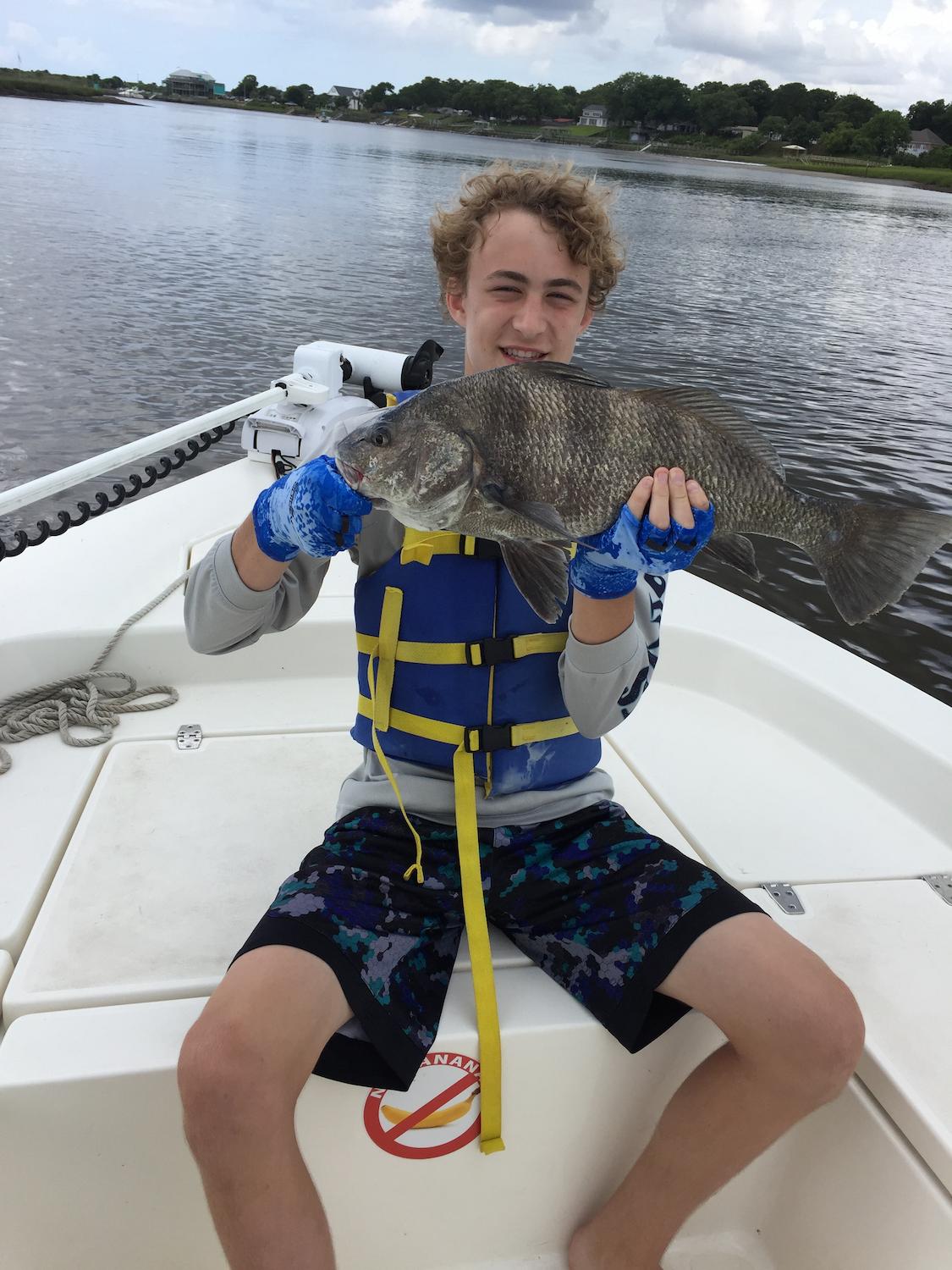
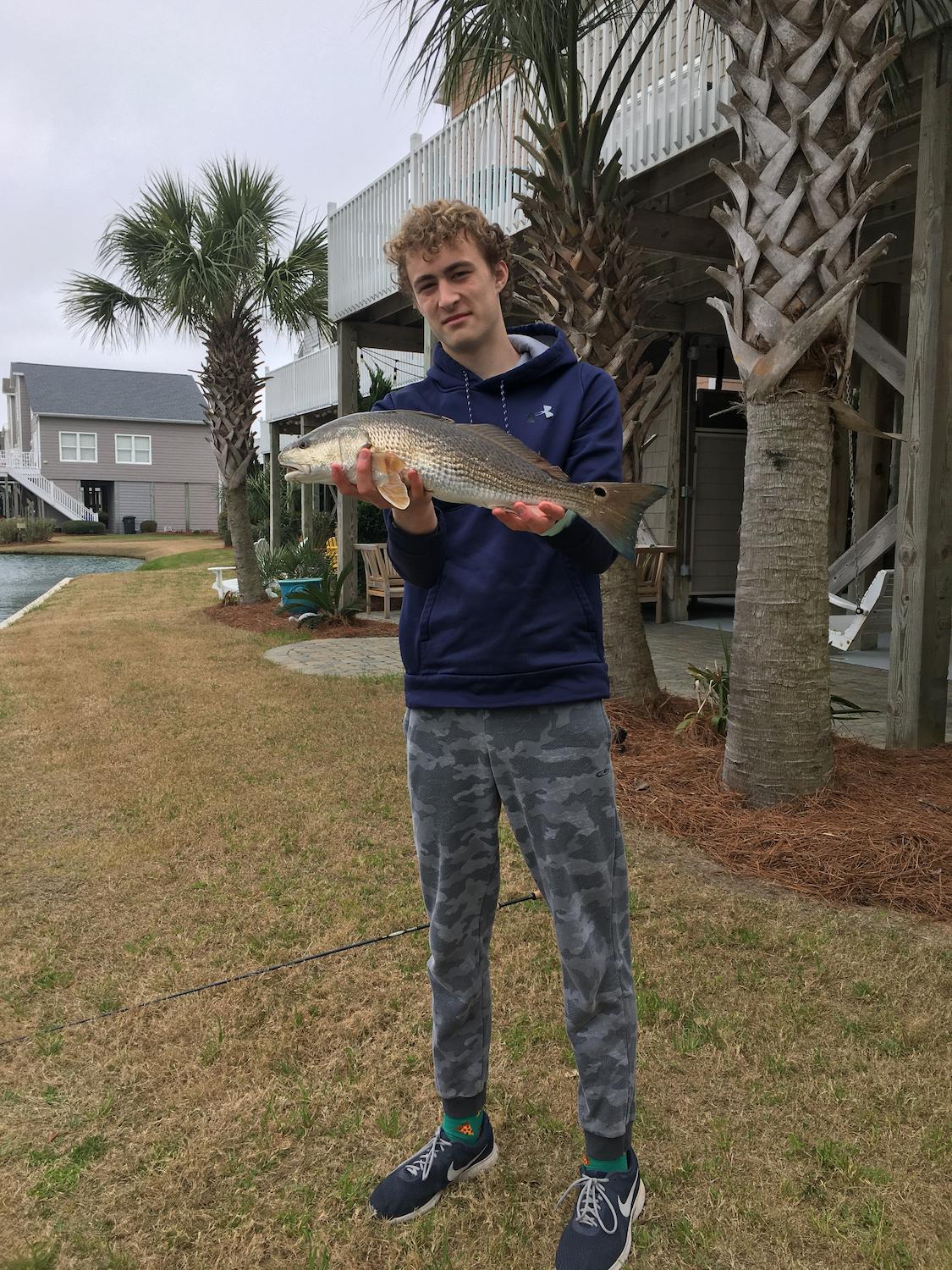
Shrimp: A classic saltwater live bait rig best used under a popping cork. Shrimp are best for catching redfish, trout, and even black drum. While this is a great live bait option, everything will eat a live shrimp—even little pinfish you may not be targeting.
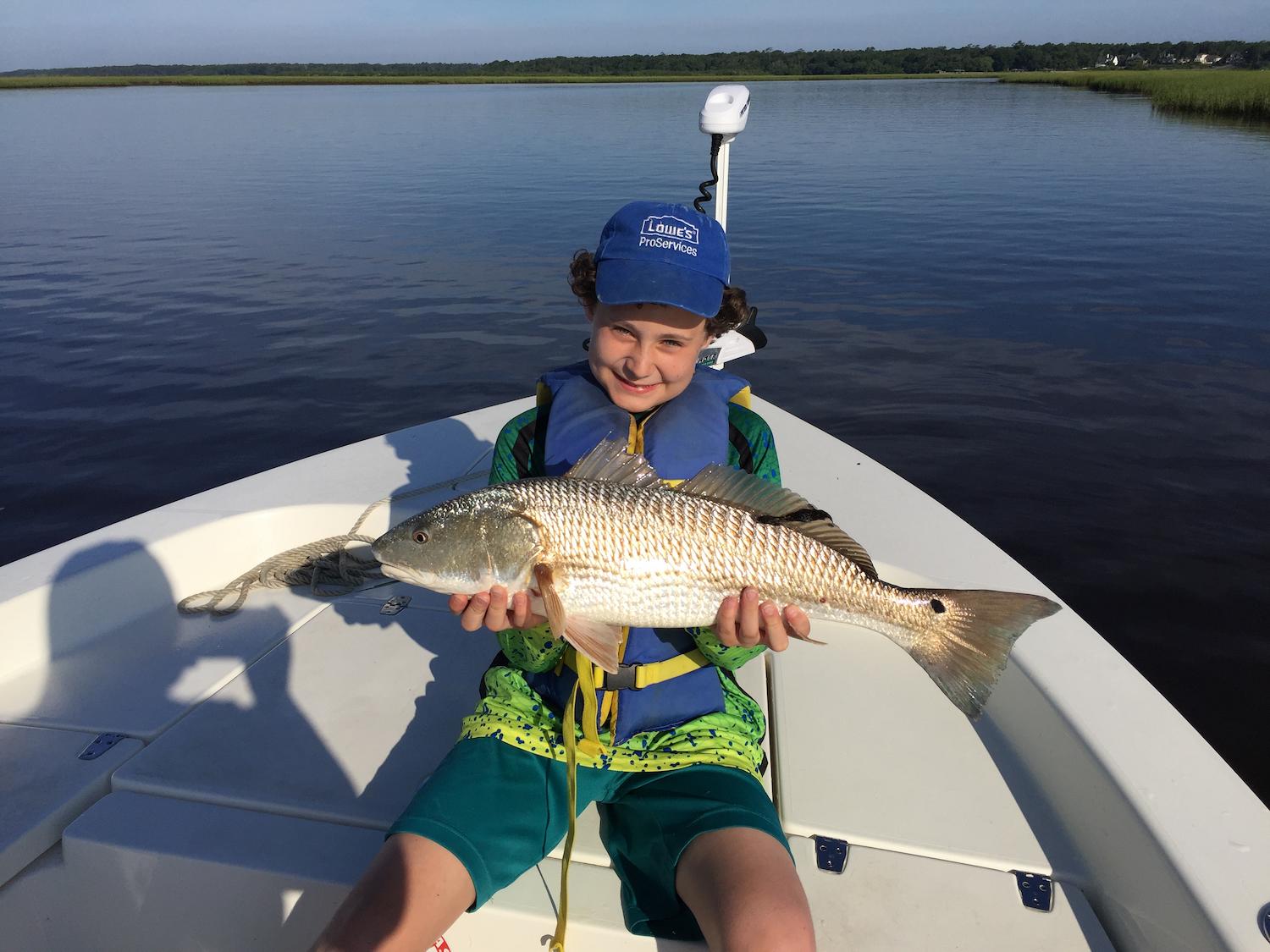
Shrimp hook placementBlack drum on live shrimpRedfish on shrimp
Sand Fleas: Go to the beach anytime during the summer and you can have your day’s worth of bait in about five minutes. Sand fleas are a great all-around saltwater fishing bait but are most effective for species like pompano, black drum, redfish, sheepshead, and croakers.
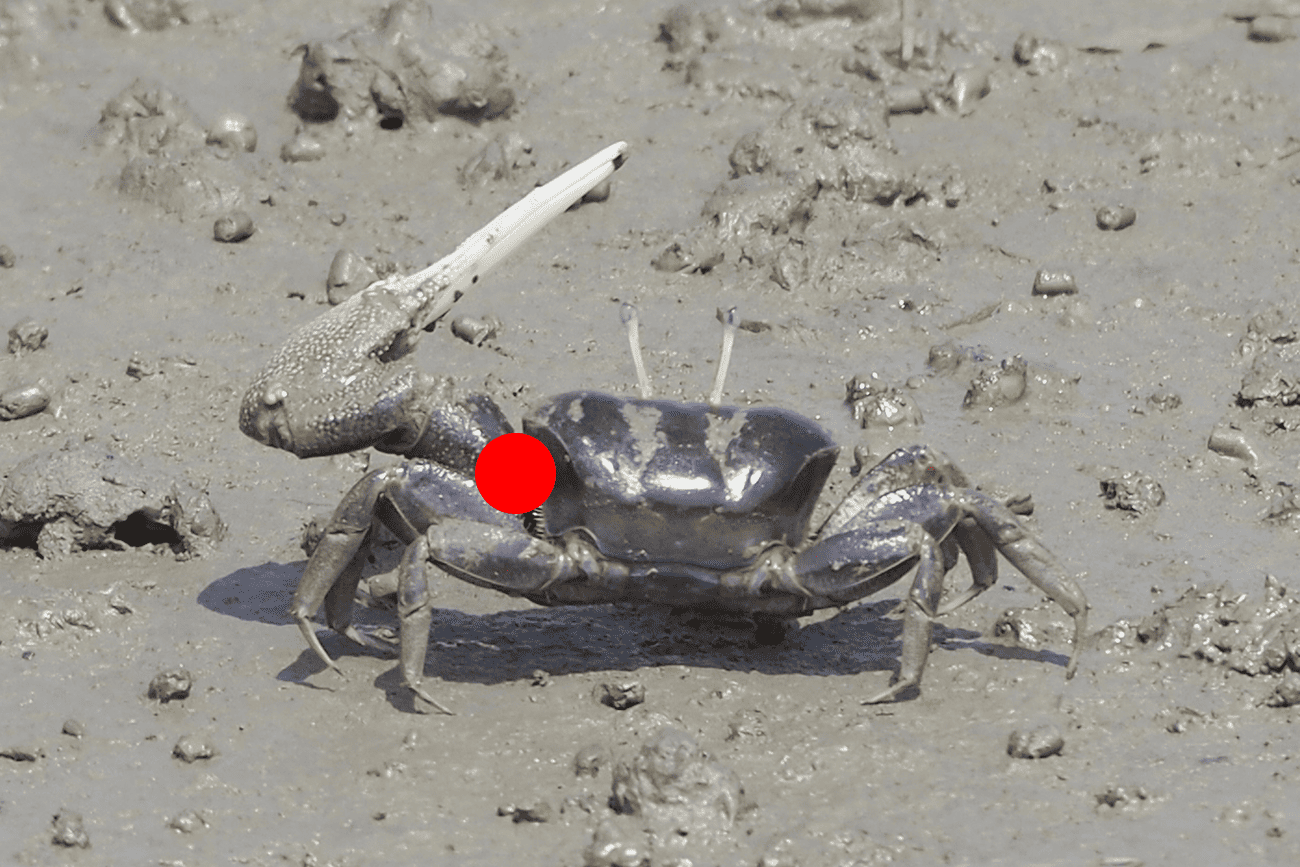
Fiddler Crabs: A must-have bait for fish that love crustaceans like sheepshead or black drum. Put one of these suckers near a dock or some structure and if the sheepshead or black drum find it, they will definitely eat it.
Fiddler Crab hook placement
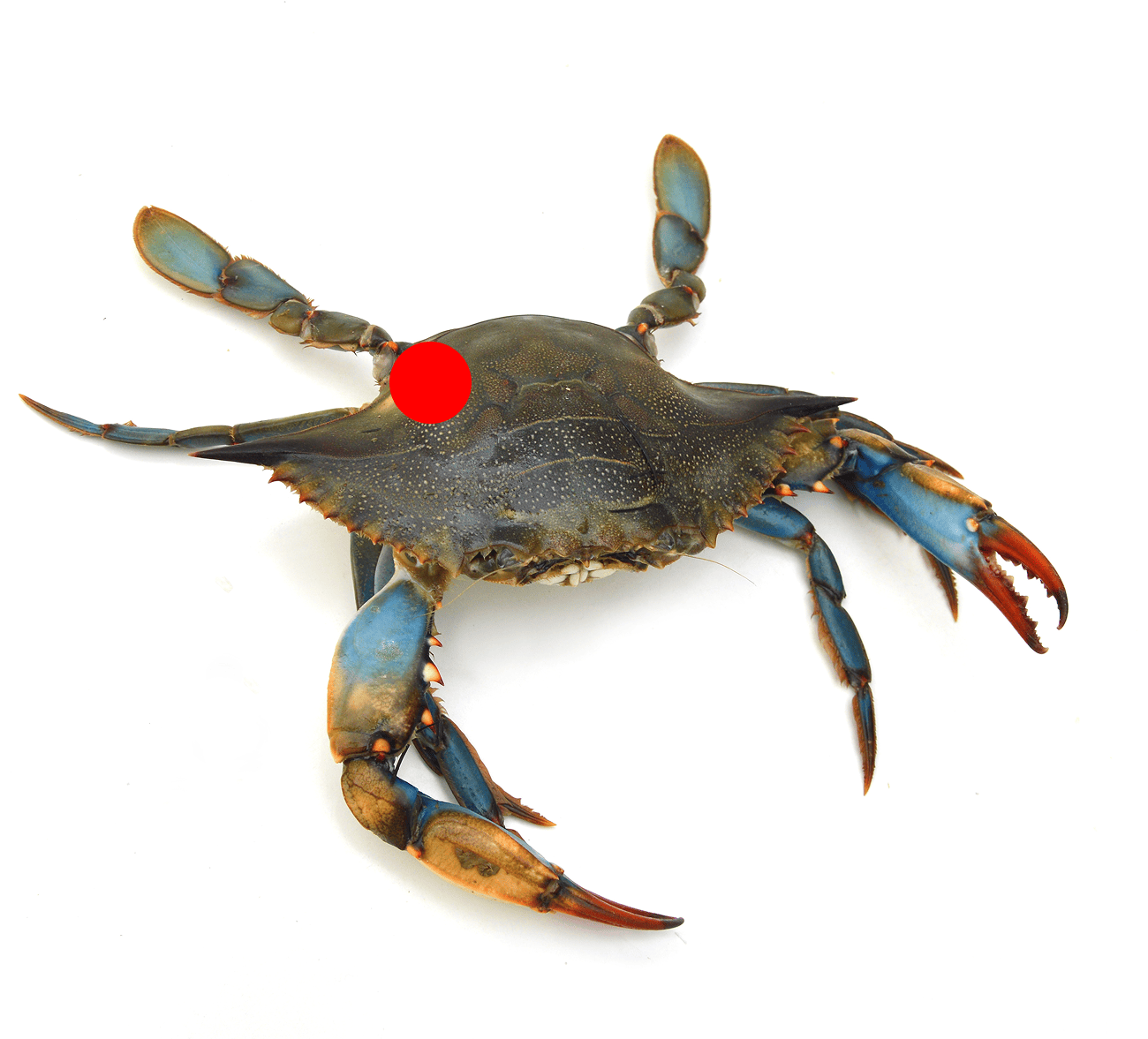
Blue Crabs: While an unconventional and costly bait, blue crabs are often the ticket for monster inshore species such as bull redfish and large black drum.
Blue Crab hook placement
Pogies/Menhaden/Bunker: All-around one of the most, if not the most, versatile baits in the saltwater fishing world. Pogies can be used inshore to catch species like flounder, redfish, and trout. They can be used nearshore to catch kings, cobia, bluefish, Spanish mackerel, and sharks. They can be trolled offshore for pelagics like tuna, wahoo, and mahi. Lastly, they can even be fished on the bottom for virtually any species of bottomfish, from grouper to red snapper. While these baits aren’t generally very hardy, they can certainly be used for just about everything saltwater.
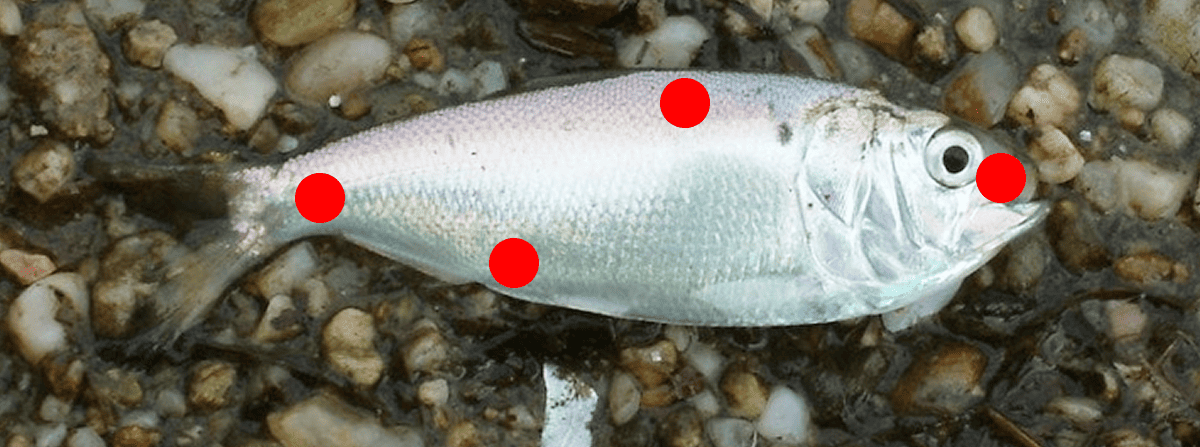
Pogies or Menhaden hook placementsKing Mackerel on live pogy
Bluefish: The premium offshore saltwater fishing bait, ideal for targeting fish like large king mackerel as well as other pelagics. Be careful though—these baits will not stay alive for long, as hungry predators of all types (especially amberjacks) love them.
King Mackerel on live bluefish
Mud Minnows: A phenomenal redfish and flounder bait for inshore fishermen. While seemingly impossible to catch with a net, load up a minnow trap with half of a dead blue claw crab and you’ll have three dozen mud minnows penned up before the hour.
Mud Minnow: Definitely the hardiest of all the inshore species. Mullet are frisky little baits that give off quite a bit of vibration in the water. Mullet are best used for species such as flounder, redfish, snook, tarpon, and speckled trout.
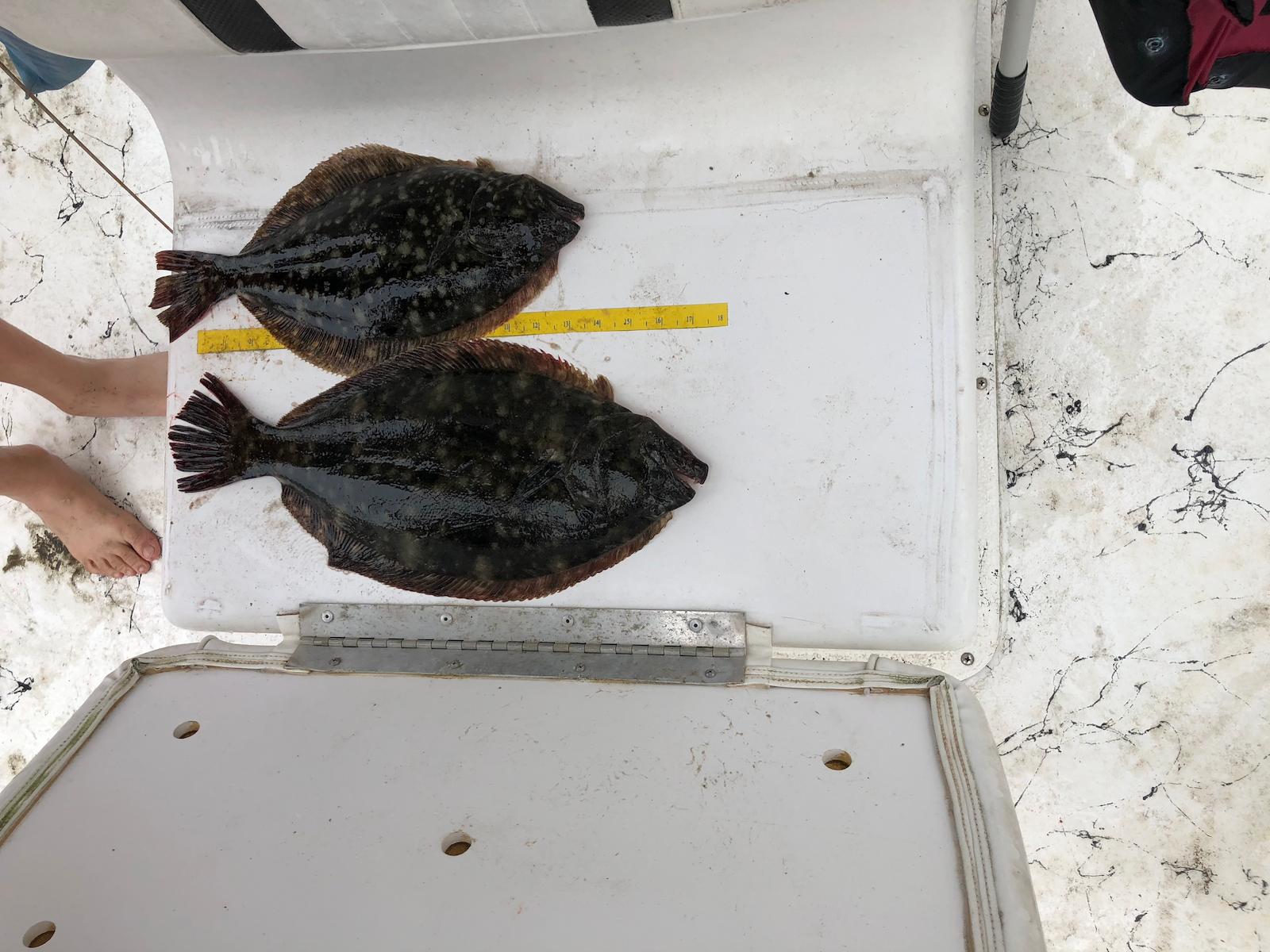
Flounder on mullet
Pinfish: Last but not least, the pinfish. While it can be used inshore for select species, it is far superior as an offshore bait for big groupers on the bottom. They are extremely hardy but also easy to catch inshore, making them a great bait.
Let’s do the exact same thing that we did for the saltwater baits. I may not be able to hit all of the freshwater fishing live baits, but I can at least hit the most popular. Let’s get straight into it.
Bluegill: A killer big fish live bait for freshwater live bait fishing. Bluegill are used live most frequently for largemouth bass and catfish but can be used for other predatory species. These baits are extremely common and hardy and make for great live baits.
Worms: The classic freshwater fishing live bait that we all grew up using. Almost nothing can resist a nice juicy worm under a bobber; however, bluegill and other species of panfish are normally the main victims of this age-old bait.
Shiners: These are a better alternative to a live bluegill in many situations because the predatory fish just seem to like them more. They can be fished under a bobber for largemouth bass, freelined, or even fished on the bottom for some big hungry catfish.
Crickets: Another classic bobber bait, the cricket is a phenomenal bait if you’re just trying to get a bend in your rod. Various species of panfish love to inhale crickets, the bluegill being the most popular of those.
Popular Saltwater Species to Target with Live Bait
As we all know, there are tons of different saltwater species out there to fish for, and just about every single one of them can or will eat some form of live bait. Because there are so many species out there, I’m going to go over some of the more popular ones and what baits to target them with to give you better odds of a great day on the water next time you’re fishing with live bait.
Redfish: Redfish love to eat a good live bait. Most of the time, they prefer to eat live bait on a hook on the bottom (typically presented with Carolina rigs) or sometimes on the top with a popping cork. For best results, try using live mullet, pogies, or crabs to get the job done.
Redfish on live pogy
Snook: Snook will also happily eat most live bait species you throw at them, including pilchards, mullet, shrimp, pinfish, and more. I would recommend fishing these baits either free-lined, on a Carolina rig, or on a knocker rig.
Tarpon: Tarpon are going to be very similar to the snook, except you can’t normally get away with live shrimp. You need a hardier bait like a mullet on some of the same rigs I just mentioned when talking about snook.
Flounder: Flounder will eat just about any live bait that you can get in front of them. That being said, my personal favorites are finger mullet and mud minnows (these are also natural prey for flounder as well). Fish these on Carolina rigs and you shouldn’t have too much of an issue finding these fish.
Speckled Trout: Unlike tarpon, for speckled trout you’re almost always going to want to use live shrimp. This strategy is most effective when used under a popping cork with an adjustable bobber stopper so you can adjust the depth of your leader.
Sheepshead: These toothy guys like live crustaceans like fiddler crabs. The best way to rig these guys is on some sort of drop-shot rig or on a jighead like most anglers do. Find structure like a pier piling and let the live bait do the work for you.
Black Drum: Black drum are very similar to sheepshead in that they love crustaceans presented at or near the bottom. Some popular baits for black drum include shrimp and fiddler crabs. Put these suckers on a Carolina rig on the bottom and you should be good to go.
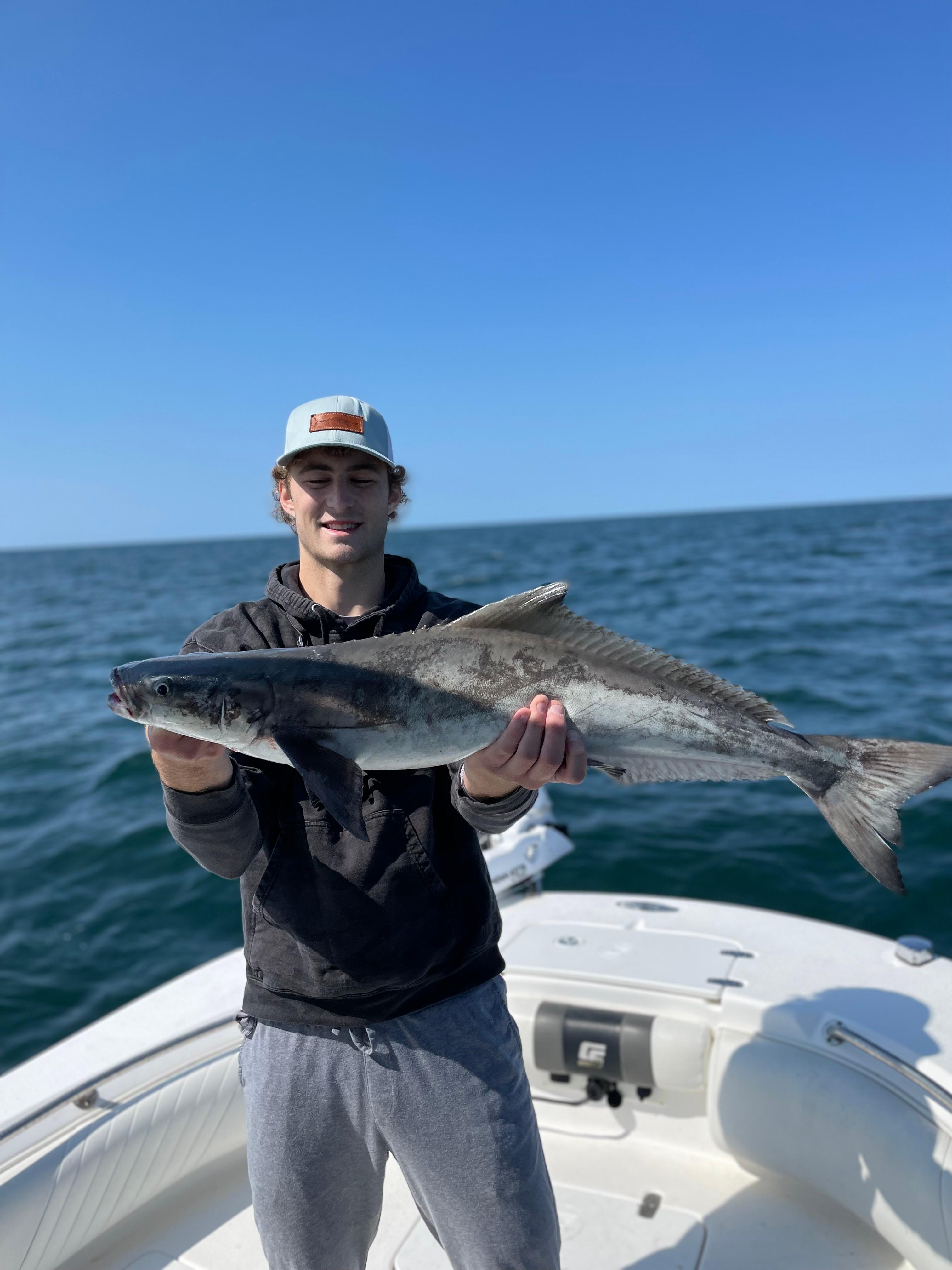
Cobia: Cobia are another great species to target with live bait. Some popular baits for targeting cobia include eels, pogies, and bluefish. These baits are most frequently either pitched out as a free-line or trolled behind the boat with a king mackerel rig, or even dropped to the bottom on a Carolina rig.
Cobia on live pogy
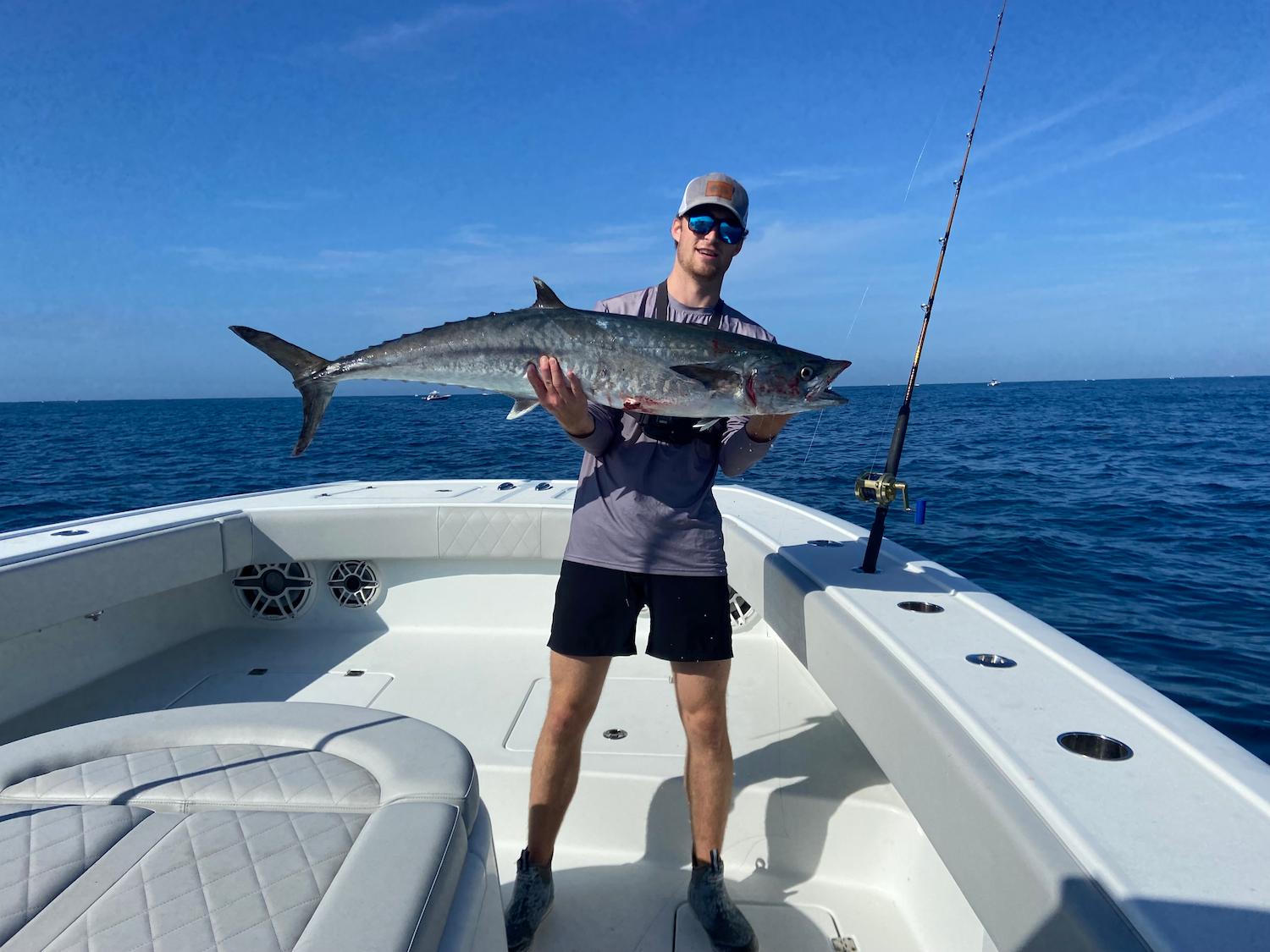
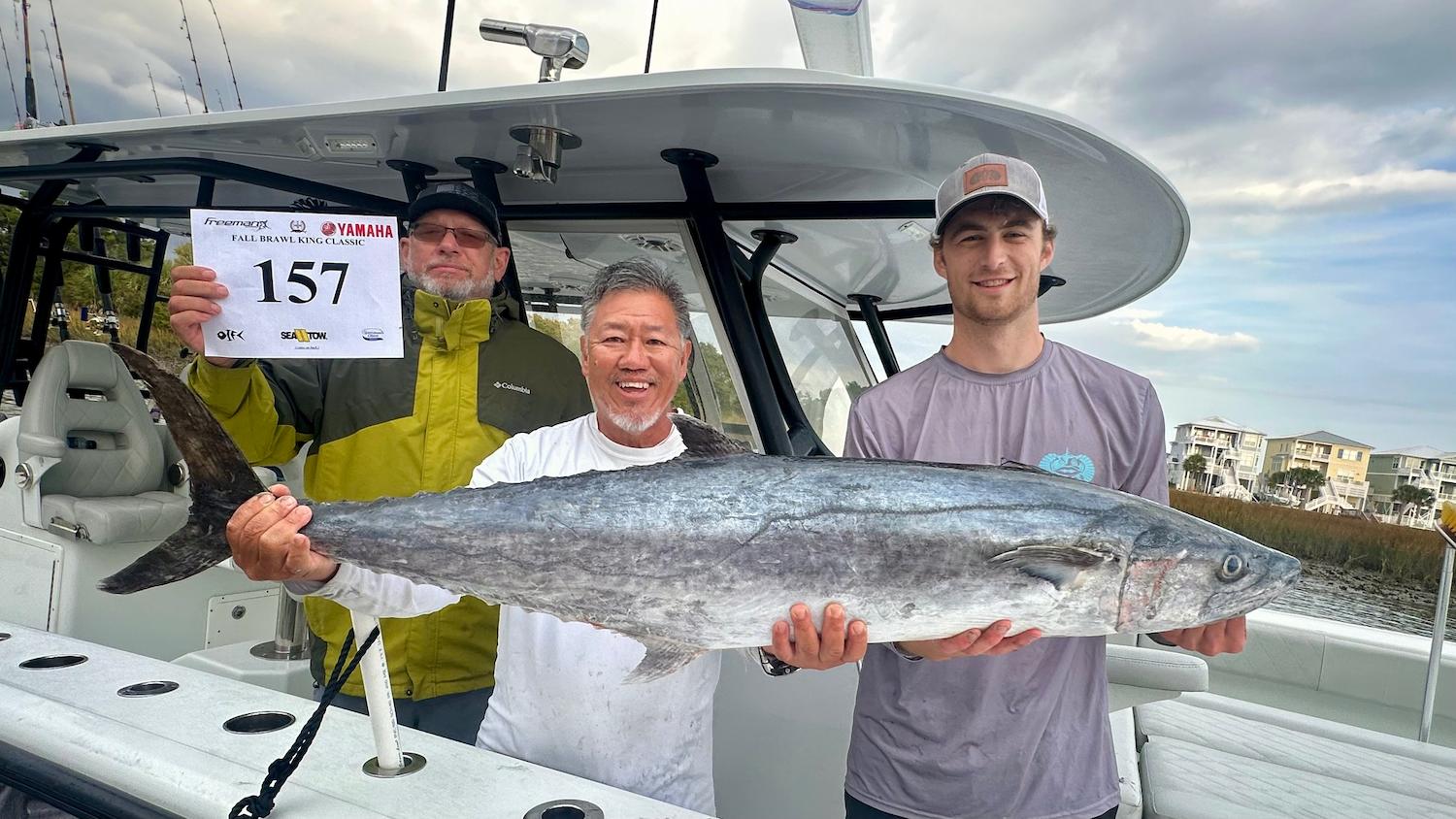
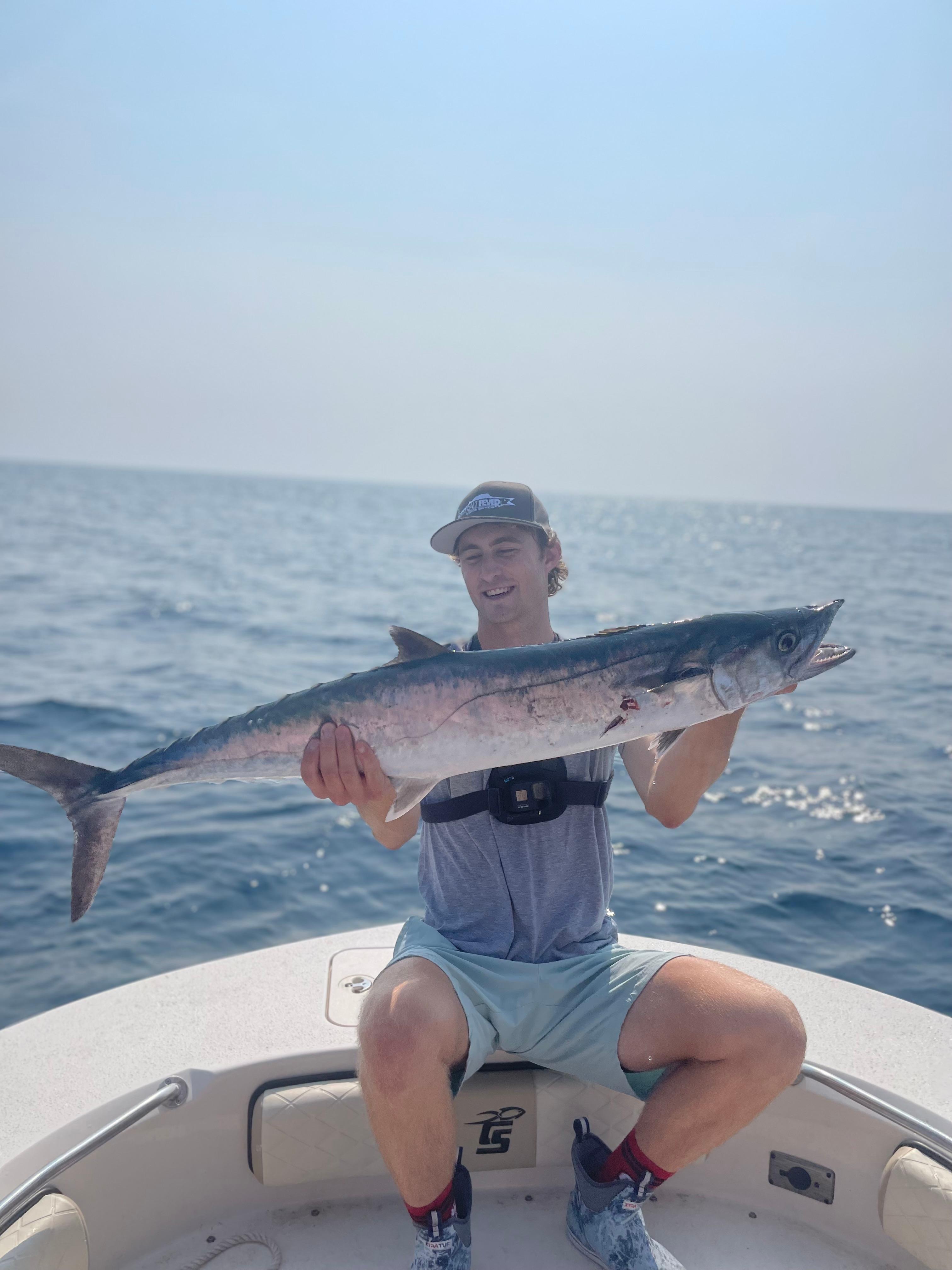
King Mackerel: King mackerel and the live bait you use are very similar when targeting cobia. The only difference is that your primary live baits are going to be pogies, bluefish, Spanish mackerel, or mullet. These can once again be either free-lined and pitched out, or fished with trolling rigs behind the boat.
King mackerel on live pogy
Tuna: Here is where we start getting into some of the large-caliber live baits with species like bonita, mackerel species, bluefish, and large pogies. There are tons of different ways to use live bait for tuna, some of the most popular being slow-trolling live bait as you would for king mackerel, or even just free-lined out while drifting (a popular strategy here in North Carolina).
Grouper: My personal favorite type of fish to catch. These grouper will eat most live baits you put down in front of them, whether it be a big mullet, pogies, pinfish, bluefish, or small mackerel. Put one of these down on one of the many bottom rigs out there, be it a knocker rig or a three-way rig, and it shouldn’t take too long before you’ve hooked up.
Snapper: Snapper are going to be just the same as grouper, except you can sometimes get away with using some of the smaller pogies to hook up. Fish these on the bottom or a few feet off with bottom rigs for best results.
Amberjacks: Live baits for amberjacks include primarily bluefish and pogies. These will work both trolled on a king mackerel–style rig or dropped to the bottom with a grouper rig. Just be prepared to fight once you’re hooked up though.
Billfish: Another big pelagic species that loves to eat smaller tuna species such as little blackfins and bonita. These can be trolled or free-lined in order to get that desired bite.
Popular Freshwater Species to Target with Live Bait
Just like many of the popular saltwater fishing species, freshwater species love to inhale some live bait as well. In this section, much like the previous section, I’m going to give you some details on the live bait–eating habits of popular freshwater fishing species. Let’s get into it!
Largemouth Bass: Some popular live baits for largemouth bass include shiners, bluegill, and various other kinds of baitfish. These baits can be free-lined, fished under a bobber, or even fished on the bottom. Don’t be scared to use big baits because bass can eat fish shockingly large.
Smallmouth Bass: While smallmouth bass are still in the bass family, you’re going to have to significantly size down your baits, using things like live worms, crayfish, and small minnows. It is also important to remember that smallmouth bass dwell in cooler water, so adjust your strategies accordingly.
Catfish: These big bottom dwellers love to eat large live baits, including bluegill, shiners, and even small largemouth bass. Much like grouper, catfish should be targeted using a variety of bottom rigs, including the knocker rig, Carolina rig, or other similar rigs.
Panfish: Panfish will eat just about any small live bait you put in front of them. Some of the more popular live baits for panfish include worms, frogs, and crickets. These can be fished on the bottom, but are more effective when fished under bobbers near the top of the water and around any sort of structure like docks or weeds.
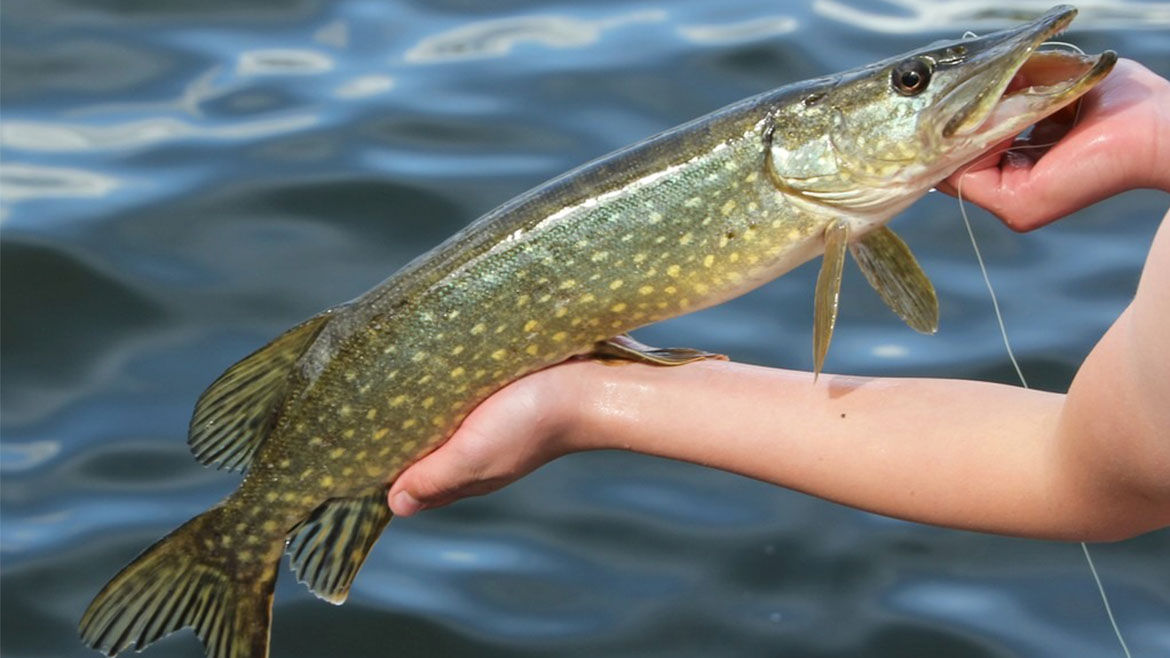
Pike: Pike are another very ferocious feeder that loves live bait. Some of their favorite live baits consist of chubs, shiners, and even suckers. There are a variety of different options for pike rigs, including the quick-strike rig or even just a single hook with a leader or a bobber.
Musky: Musky are extremely similar to pike, both in the bait you use and the rigs you use to target them. Just remember that these huge fish love big baits. You can find plenty of videos and pictures out there of musky with giant live baits in their mouths.
Finding Hot Live Bait Locations
To find great live bait locations, there is quite a bit of work, research, and time that make success possible. In order to make this easy to follow, I’m going to break this section down into a very digestible step-by-step process so that you can begin to find your own hot live bait locations.
Identify the Species of Live Bait You Want to Target: Before you can move any further in this process, you need to know what kind of live bait you want. This must be established beforehand because we want to practice planning and knowing what we need to do. Keep in mind that this differs from species to species in terms of what fish you want to catch in the end. For example, if I’m targeting speckled trout at the beach, I am looking for multiple live baits, including shrimp and mullet.
Do Research on the Target Live Bait Species: Sticking with the same example, if we want to find hot spots for these live baits, we need to do some research on the types of habitats these baits like to hang out in. Figure out the time of year you can get them as well as other relevant information such as depth, tide (if applicable), water temperature, sunlight, and more.
Ask Locals Where People Typically Find This Live Bait: This tip is so underrated, and it is one of my personal favorites—especially if you are fishing somewhere you usually don’t fish and/or in a larger body of water like a lake or the Intracoastal Waterway. Do not be afraid to go into a local tackle shop and ask where people can catch crayfish or shiners, or if you’re fishing saltwater, where people have been catching shrimp, mullet, or pogies. This is always worth a shot and can be better than wasting time blindly with no advice at all.
Go Exploring: Given that you have some information from either locals, the internet, or both, it’s time to go out and see if you can find these baits for yourself. One of the things I like to do is find a spot where the locals are catching the bait first. At these spots, bait will be under more pressure and thus harder to find, but at least you know that you can get some there. From there, I like to try and find new spots that are a reproduction of the local spot but with far less foot or boat traffic. Here, you will often find bait in abundance. One of the biggest things I can recommend when trying to find great spots for live bait is to look off the beaten path. People love to take the easy way out to find bait, but it simply doesn’t pay off nearly as much. Some of my best bait spots around the beach require a lot of hard work but yield both quality and quantity in my baits each and every time.
I hope this brief step-by-step process gives you a place to start. Once again, if you have any questions or concerns, please feel free to ask me. I’d be happy to help you visualize and analyze a spot to see if it could be a good bait hot spot. And remember, once you find these hot spots, be careful about who you tell and how you treat the area. If you respect them, they can yield bait for a lifetime.
Live Bait Fishing Techniques
There are tons of different ways to fish with live bait. In this section of the article, I’m going to break down some of the more popular ones and different techniques so that you can get a better grasp of how to fish with live bait more effectively in many different locations and scenarios.
Bottom Fishing: One of the most popular live bait fishing techniques out there is bottom fishing. This is not simply offshore, saltwater bottom fishing—it can also apply to freshwater as well. Bottom fishing is technically defined as baiting a hook and fishing on the bottom, so this could mean offshore grouper fishing but could also mean catfish fishing in a local lake. In all cases, bottom fishing is about presenting a live bait just off the bottom for hungry fish that are typically holding to structure deep in the water column.
Freeline: Freeline fishing involves literally letting the bait do its thing with minimal gear involved. Freeline fishing is typically used when you’re doing something else and just want to leave a fishing hook with bait out swimming. Another option is when you know there are hungry fish feeding in the area and you can simply let out a hook with a bait and let the predatory fish find it. In my experience, we typically freeline a live bait if we’re bottom fishing offshore just to have a line up top in case a mahi, sailfish, tuna, or something else swims by.
Slow Trolling: Slow trolling with live bait is similar to freeline fishing, except the boat is moving under the power of the motor. Your goal is to go super slow so that your baits can keep up with the boat and swim naturally. We normally do this when king mackerel and cobia fishing.
Drifting: Drifting is another popular form of live bait fishing that technically fits under the umbrella of bottom fishing. When drifting, your goal is to cover as much of the bottom as possible by slowly dragging live baits over it. Some popular applications of drifting include flounder fishing.
Float/Bobber Fishing: This one is a bit different from the others, but the same principles hold. The basics are that you are trying to keep a live bait suspended to draw more attention to it in the water. This method definitely has freshwater applications as well, since some people use it to target catfish and largemouth bass with live bait. Not to mention you can do the same thing with worms and small minnows for panfish.
Pitching: Pitching is very similar to freeline fishing, except it typically involves you seeing the fish you want to get the bait in front of. For example, if you see tuna busting on the top of the water, it can be a great idea to take a simple leader-and-hook rig and pitch a live bait into the feeding frenzy.
While there are other methods of live bait fishing, this quick summary hits all of the major ones you’re most likely to see out on the water.
How to Hook a Live Bait Step by Step
While there are tons of different live baits out there, the basic principles for how to rig live bait remain largely the same. Here, I’m going to go over some basic principles in how to rig live bait, but also how to rig certain live baits for the best chances of success.
Live Bait Tips by Principle:
You need your live bait to look as natural and free swimming as possible—especially if you are fishing this bait independent of a feeding frenzy. Let me break this down further. If a fish encounters your bait in the wild, you don’t want him to notice anything is off. You want that fish to just think it’s another free-swimming bait. On the contrary, if you are fishing in a school of bait, you may want to trim the tail of the bait or stab it so that it stands out from the pack as the weaker fish.
Unless you want dead bait, don’t hook live bait through the vitals like the gills, guts, or spine. Not only will this impede the movement of the bait, but it will likely kill it too.
Tailor your hook placement to how you are fishing. For example, if you are bottom fishing, we want to hook our bait so that it swims up off of the bottom—that way it looks like the bait is trying to flee. For this situation, I would hook the bait just above the butt that way it swims up. Expert tip: the live bait will almost always swim away from where it is hooked/pinned down. Just like the hook in the butt of the bait, he’s going to swim away from it and out.
Live Bait Tips by Species:
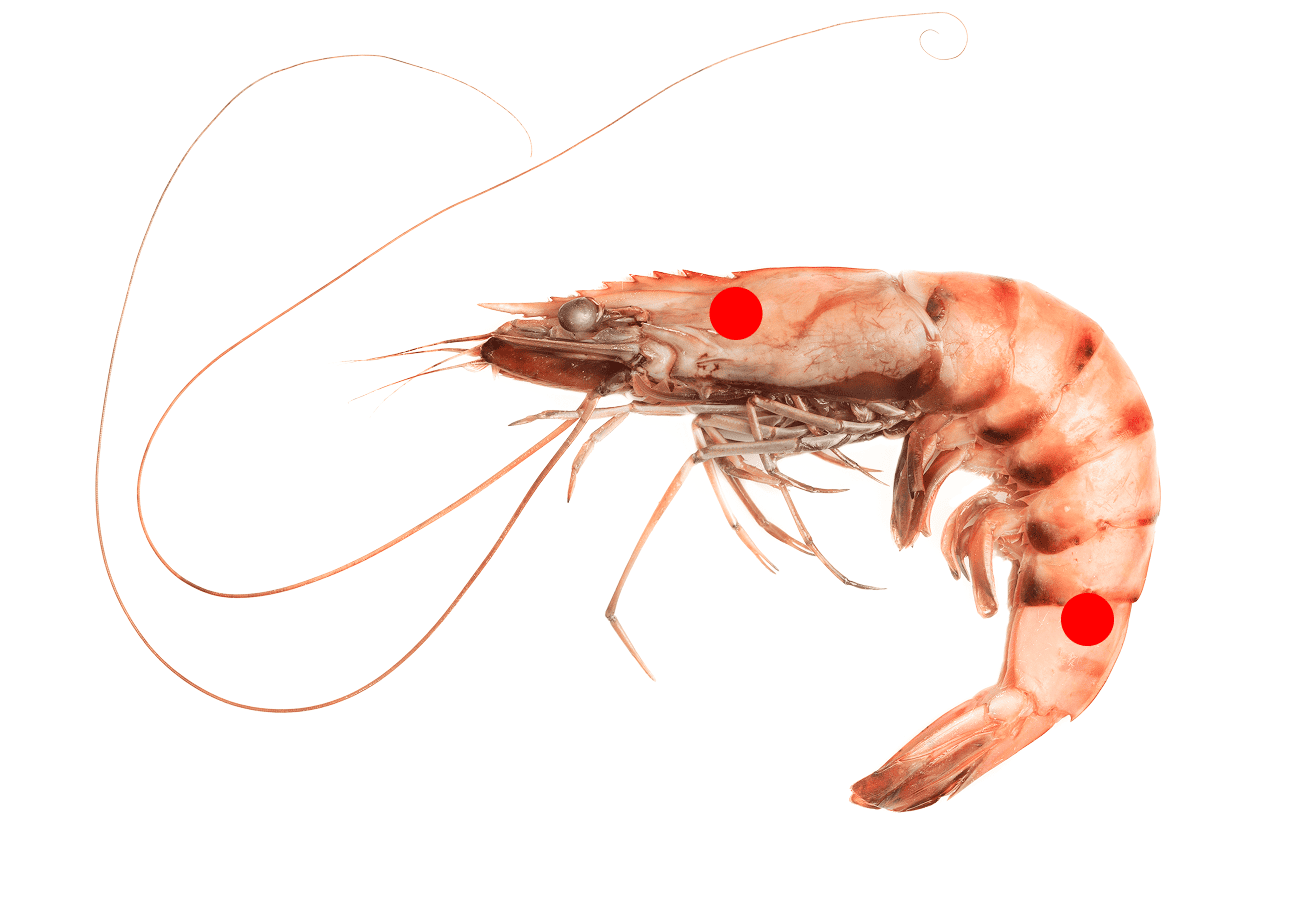
Shrimp: When hooking shrimp for live bait, you really have two main options. First, you can hook the shrimp from the last segment of the tail where it is firm. Second, you can hook the shrimp under the horn at the front of its head. The only caution I would issue is that you should avoid hooking the dark spot on the head because that is the shrimp’s brain and hooking it there will kill it instantly. This is one of the best ways to hook live bait shrimp effectively.
Crabs: For all types of crabs, we’re going to want to hook the bait in some sort of joint so that it doesn’t kill the crab (this goes for both fiddler crabs and blue crabs). If you go directly through the shell of the crab, you have a way higher chance of killing it making it far less effective for catching fish. Additionally, the joints on these crabs can be even tougher than the shell allowing for great hook holds.
Baitfish/Minnows/Other Swimming Live Bait: This category is going to far more broad in terms of species covered as opposed to the others. Additionally, there are a ton of different ways that we can hook baitfish in which they will stay alive.
For just about all species of baitfish, you can hook them through the nose/lips. There are two ways to do this. One, hook up from the bottom tip through the top lip making sure you get enough meat but not going too deep in the brain killing the fish. Two, you can go through the cartilage of the nose and hook sideways. Both of these methods give the fish a lot of mobility to swim without impeding too much of their motion. This method is recommended for when you are pulling baits such as when slow trolling.
We can hook the baitfish through the tail. This causes the fish to swim away from us and can be ideal for bottom fishing, pitching, freelining and more. Just remember that this will hurt the live bait more than other methods taking away from its longevity. It will also significantly maim the baitfish (this could be an advantage if fishing in a school).
We can hook the baitfish right below the dorsal fin. This is not applicable to all baitfish but certainly to some including bluefish, pinfish, and other bigger baits. Make sure you don’t hook too far down on the back because if you hit the spine of the fish it will likely kill it. This method is extremely ideal for suspending live baits on things like bobbers like you would if you were using live bluegill to target largemouth bass.
We can hook the fish right above the poo hole or the butt hole. While this is seemingly crude, this spot is apparent on all fish and impedes very little motion. This hook placement is ideal for things like bottom fishing when you want the bait to swim off of the bottom. Be sure to not hook too far up into the live bait’s body or it could hurt the motion of the bait.
Hopefully, now you have a much better idea of how you can be hooking your baits and what to expect from the bait when you hook it.
How to Choose Gear, Rigs, and Lures
Choosing the right gear, rigs, and lures heavily revolves around the style of fishing you are planning on doing as well as the species you are targeting. So, without going too far into depth here, you simply need to look at two things. One, what is the target species? And two, how are you planning on fishing for your target species? Answer these two questions and you can significantly pare down the gear, rig, and lure list very quickly.
Once the target species has been identified, you can then begin to make a game plan of how you want to target this said species. For example, I select my target species to be the flounder. Now, I have to ask how do I want to target this species (if I have anything particular in mind) or do I just want to have the best odds of catching this species? Do I want to drift for flounder in the Intracoastal with mud minnows, or do I want to bottom fish a nearshore reef with live mullet? These are the questions you must ask in order to see what kind of fishing gear you need.
From here, I would begin to do research on typical gear for that species and application. I would highly recommend versatile gear that can be used for different species as well. This will be more cost-effective in the long run. Additionally, ask locals what they prefer to use when it comes to gear and bait.
From here, you just have to test, test, and test. You have to develop your own strategies. Maybe you think the Carolina Rig for the flounder is outdated. Now, you have to figure out a way around it that is better. At the end of the day, you really just have to experiment. Research only goes so far, so you need to just get out on the water.
Over my many years of fishing, particularly in saltwater, I’ve amassed quite the wealth of live bait tips that I would love to pass on to you guys.
Hook Placement: If you want to keep your live baits as healthy and frisky as possible once they are on the hook, you need to know how to hook them the right way. To hook your live baits the right way, refer to the section above on how to hook a live bait step by step. If any further questions arise, feel free to let me know and I would be happy to help.
Give Space: Make sure your baits have plenty of room in the well. Rule of thumb is normally one bait per gallon, but depending on the size of the baitfish, you can certainly do more than this. Additionally, I would highly recommend just keeping an eye on your baits and if they look like they aren’t doing as well, then maybe take some baits out and see if they rejuvenate. Try not to overcrowd from the beginning though.
Condition Your Baits: For the healthiest, most lively baits you can possibly have, I would highly recommend conditioning your baits in large bait tanks if you have the ability for a few weeks before. This is especially helpful for weaker baits like pogies. Oftentimes, you’ll lose about half of the pogies you’ve netted overnight if you pen them up. However, if you leave those baits penned up for a couple weeks, they begin to turn super white. This signifies their conditioning and as a result they are hardier and stronger than fresh-caught bait. Essentially, you’re getting the bait in the weight room so that when you fish, they’re ready for action.
Handle As Little As Possible: In all parts of catching your live bait and using it, you want to handle it and touch it as little as possible. Some of these live baits are extremely weak, so if they get touched a ton, they can get stressed out and die. This means that when you catch some of these live baits with a cast net, try to go straight from cast net to live well without using your hands. Then, when you want to use the baits while fishing later on, try to get the baits out of your well with a net—that way you are limiting how much you are touching them in order to not stress the baits out.
Proper Aeration: This point goes hand in hand with the spacing of your baits. Your baits need as much aeration as possible in order to stay as lively as possible. Your boat should have this already if you are spacing the baits out right, but if you are fishing without a live well, you can always pick up a portable aerator from the store.
Hopefully all of these tips about live bait can help keep yours alive as long and as healthy as possible. Please let me know if you have any questions and I would be happy to help out!
Frequently Asked Questions (FAQs)
What is the simplest fishing rig?
In my mind, the simplest fishing rig is either the Carolina Rig or just a bobber rig with a float, a split shot weight, and a hook. The Carolina Rig is the go-to inshore saltwater rig, and the bobber rig is the go-to freshwater fishing rig for beginners.
How to set up a fishing line with hook and weight?
To set up a fishing line with a hook and a weight, it usually only takes a few knots. However, the caveat is that you need to know what kind of rig you want. So this FAQ is a bit challenging because I don’t necessarily know which rig you mean. That being said, I’ll give you one example—the Carolina Rig. Slide your egg sinker (weight) onto the main line, use an Improved Clinch Knot to tie on a swivel, then use two more Clinch Knots to tie the leader to the swivel and the leader to the hook.
What’s the best way to set up fishing line?
The best way to set up your fishing line is the way you feel most comfortable using and have practiced the most. Don’t tie something on or try a rig you’ve never done before without some sort of guide or instruction. Moreover, set up your rod and line for success. Don’t leave yourself questioning whether your gear will hold—you need to be confident it will, even if a big one hits. When you practice how to set up a fishing line, focus on clean knots and consistent tension so your hooks stay secure.
What line should I use for lake fishing?
For beginners, I would recommend monofilament fishing line in the 12–20 lb range for all-purpose lake fishing. For more experienced anglers, braid can be a better choice due to the strength and capacity it offers, especially at higher pound tests.
What type of fishing reel is best for beginners—spinning or baitcasting?
This is a no-brainer for me. If you are a beginner, you should start with spinning reels, as they are the foundation of fishing. Once you feel you’ve mastered the spinning reel, you can try a baitcasting reel and learn to use it well. But simply for ease of use, I highly recommend spinning reels if you want to start fishing right away.
What knots should I first learn?
There are three knots that every beginner should learn first: the Improved Clinch Knot, the Palomar Knot, and the Double Uni Knot. With these three, you can tie on any piece of terminal tackle or lure to monofilament, braid, or fluorocarbon, and you can attach leaders of any kind (braid to mono, mono to fluoro, or braid to fluoro).
How do I know what pound line to use?
The size of the line you use depends on the species you are targeting and where you are fishing. For beginners, I recommend studying both the structure and the typical size of species in your area, as well as consulting locals and other experienced anglers who have more time on the water.
How do I set up my drag correctly?
To set your drag correctly, put it at about one-third of the line’s breaking strength. For those who don’t know, drag is essentially the amount of force it takes for line to come off the reel. For example, if you are using 15 lb braided line, you would want to set your drag to about 5 lbs. Obviously, like I mentioned earlier, this can vary based on the species, but for the most part, it holds true. To measure the force of your drag, I highly recommend buying a spring scale to help with the process.
Is it illegal to use live fish as bait?
The short answer: it depends. Some fish are classified as “game fish” and cannot be used as live bait. You need to make sure that you are complying with local regulations before you use just any live bait. Also, make sure you are adhering to size guidelines if you are using bigger baits. In summary, just make sure you keep an eye on regulations.
How to properly hook a live minnow?
To hook a live minnow, such as a mud minnow or mullet, I would suggest hooking the minnow through the lips. This allows for maximum mobility of the bait.
What rig is best for live bait?
This is a hard one to answer because you should be using different rigs for different species. However, out of all the rigs out there for live bait, the most universal would definitely be the Carolina rig. This rig can do it all from inshore to offshore and even freshwater fishing.
Does live bait catch more fish?
Yes. Live bait in almost every situation will outperform any other kind of bait unless there is a feeding frenzy in which the fish are going stupid and will bite literally anything.
How long does live bait stay alive on the hook?
Depending on how well the bait is conditioned, where you hook the bait, and what kind of bait it is, live bait can stay alive on the hook anywhere from 30 seconds to multiple hours. For example, shrimp, even well-hooked, can only survive a few minutes on the hook. However, a conditioned pogy that is well taken care of can be trolled for a few hours without changing behind the boat.
Can you reuse live bait after catching a fish?
You can, but I definitely wouldn’t recommend it. A good bit of the time, that live bait that just caught the fish will be really struggling, so if you have a lot of baits I would go ahead and put on a fresh bait. However, this is a judgment call. If the bait looks good, go for it and throw it straight back out there.
Conclusion
I hope you guys have enjoyed reading this article on all the ins and outs of live bait as well as how to hook them. By applying the right rigs, gear, and techniques, you’ll always know the best way to hook live bait for each species and condition. Please let me know if you have any questions, concerns, or comments and I would be happy to have a conversation with you. As always, good luck and tight lines!
About author
Photo Source: All photos and videos in this article were provided by expert Pierce Latta.
Visit his:
Share this article
Pierce Latta
16 years fishing experience
Pierce Latta has been passionate about fishing since the age of three, growing up casting lines in both freshwater ponds around Charlotte, NC, and the saltwater of Ocean Isle Beach. With nearly 16 years of experience, he’s explored almost every style of fishing imaginable, from fly fishing and surf casting to offshore and inshore adventures. Pierce now shares his knowledge and enthusiasm with others, offering tips, techniques, and inspiration to help anglers of all levels discover the thrill of fishing.