
Any question about the article?
Please use your work e-mail, so we can connect with you
Few freshwater fish are as recognizable or as heavily pursued as the largemouth bass. From small farm ponds to massive reservoirs, largemouth bass are a massive part of freshwater sport fishing in the United States. They are aggressive, intelligent, and incredibly adaptable, which makes them both exciting and frustrating to target in many different capacities. One day they’ll smash anything that moves, and the next they’ll refuse every lure in your tackle box. This unpredictability is exactly what keeps a ton of different anglers coming back.
Another cool thing is that largemouth bass can be targeted by everyone from casual bank anglers to full-time tournament professionals. Not only that, but largemouth bass support one of the largest recreational fishing industries in the world, given how widespread this species is. In this article, I’m going to cover everything you need to know about largemouth bass fishing, including biology, seasonal behavior, the best states and fishing locations, how to choose productive spots, the best lures and baits, gear selection, effective techniques, current regulations, and even more than that. Whether you’re brand new to bass fishing or looking to refine your approach as a seasoned angler, this guide will give you a strong foundation and make your next outing on the water even more successful.
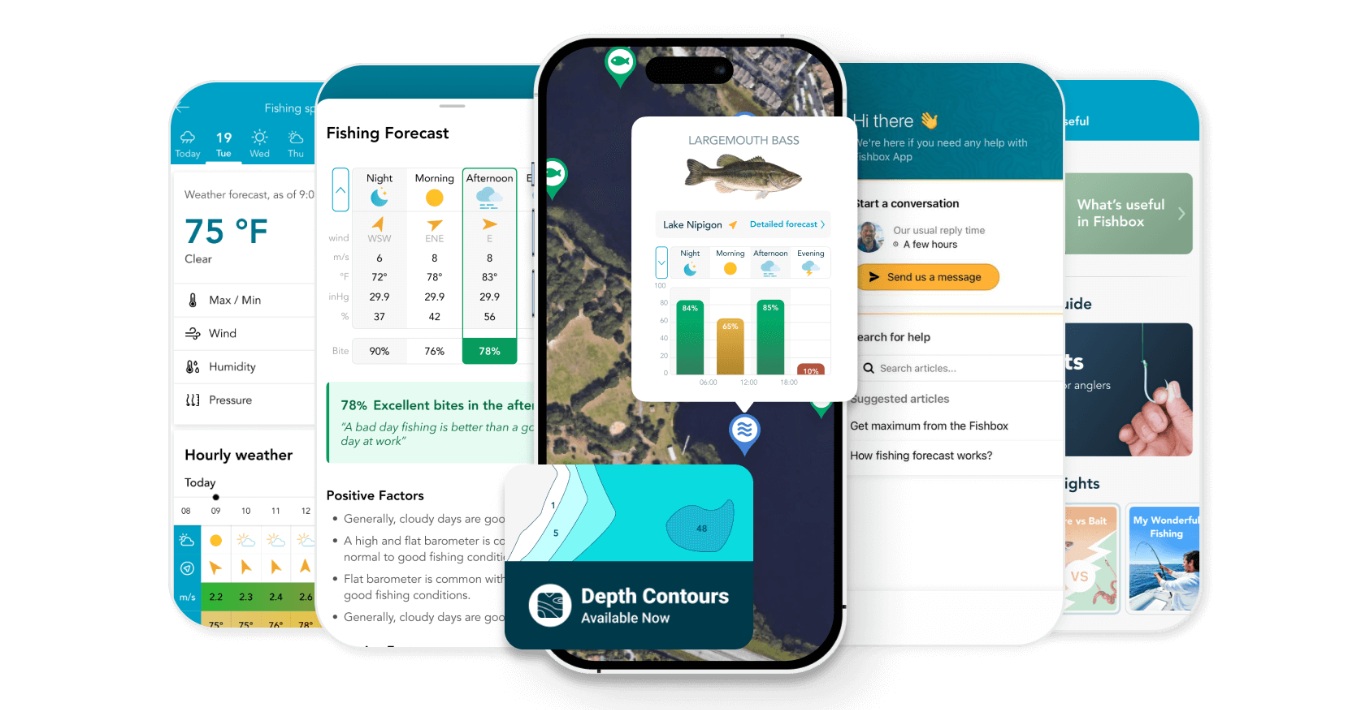
One more thing before I get into the article. One super helpful tool that I have been using in my fishing outings these past couple of years is the Fishbox App. This app is chock full of everything and anything an angler would want or need regarding fishing data such as baits, locations, weather, and so much more. Now you might think this is another dumb fishing app, but this couldn’t be further from the truth. If nothing else, just take this free quiz to get a personalized fishing map for yourself. Don’t wait and click this link today. Without further delay, let’s jump into the article.
Before getting into the tactics of targeting largemouth bass, it’s important to understand what makes a largemouth bass actually turn on a bait. Like I always say, the better you understand the fish itself, the easier it becomes to predict its behavior and put yourself in the right position to catch one. Let’s get into it.
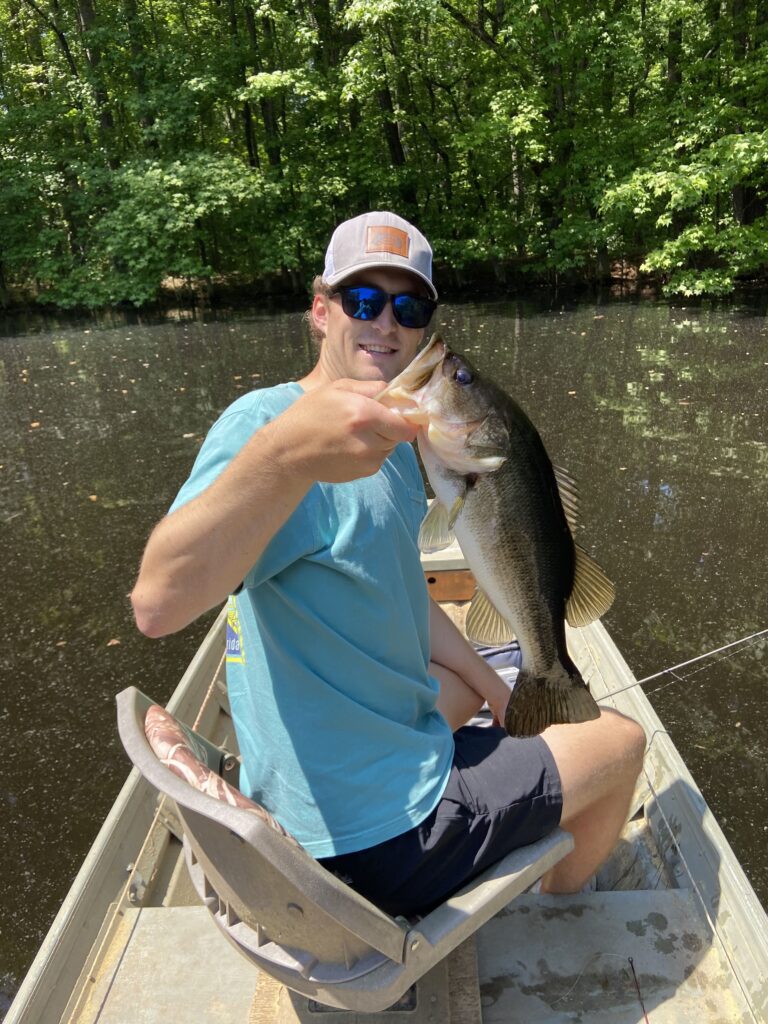
The largemouth bass is a freshwater fish native to most of the eastern and central United States. Additionally, it has since been introduced across the globe, making it one of the most popular and well-known fish in the entire world. It can be very easily identified by its large mouth, which extends past the eye. Past the large jaw, the fish also has a green- to olive-colored body and a dark horizontal stripe running along its side that makes it very distinct compared to most other fish that share the same habitat in freshwater.
In addition, largemouth bass are capable of growing very large under the right conditions. While the average bass caught by most anglers weighs between 1 and 4 pounds, fish exceeding 10 pounds are caught every year, particularly in the southern states with long growing seasons where bass can just pack on weight. The current world-record largemouth bass weighs over 22 pounds, which highlights just how big these fish can get. I can’t even tell you how much I would love to see a bass that large.
In terms of total lifespan, largemouth bass typically live between 10 and 16 years, although some individuals have been documented living even longer in protected waters with low fishing pressure and ideal water conditions. They grow quickly during their first few years of life, especially in waters with an abundance of bait and food sources.
Largemouth bass are not really long-distance swimmers, but they can be extremely fast and acrobatic over short bursts. They are ambush predators that rely on cover, camouflage, and explosive strikes to capture prey, which is evident if you’ve ever fished for and caught them. Rather than chasing bait for long distances, bass prefer to position themselves near structure and let food come to them, where they will pounce on it.
Their diet consists primarily of baitfish, crayfish, frogs, insects, and even small birds or mammals when the opportunity presents itself. This opportunistic feeding behavior is just one of the reasons the largemouth bass can be caught on such a wide variety of lures and baits, which we will discuss later on.
Largemouth bass are prized for a variety of different reasons. First off, they are widely accessible in terms of the ability to catch them. You don’t need offshore boats, expensive electronics, or long runs to reach and catch them. Second, they are powerful fighters, especially in heavy cover where the bass can get away very easily. Third, they are challenging to fight and land. Even highly skilled anglers struggle to catch them consistently, which makes success feel earned. You have to know how to target these fish correctly to effectively catch them. While largemouth bass are edible and considered good table fare by some, most anglers target them for sport and practice catch and release. I would highly advise you to inspect the body of water you are fishing in if you plan on eating one of these fish so that you can be sure you’re safe.
Largemouth bass can be caught year-round, but their location, mood, and feeding behavior change dramatically with the seasons and weather throughout the year. Understanding these seasonal movements and patterns is one of the most important aspects of successful bass fishing and will serve you well in your endeavors.
Spring is widely regarded as one of the best seasons for largemouth bass fishing. As water temperatures rise into the mid-50s all the way through the low 70s, bass move to shallower water to prepare for spawning. During this time, bass become increasingly aggressive and territorial up until a certain point. Pre-spawn bass feed heavily to build energy, making them far more likely to strike reaction baits like crankbaits, spinnerbaits, jigs, creature baits, swimbaits, and more. As spawning begins, bass move into shallow flats, pockets, and protected areas with hard bottom. You can easily identify these bass beds when you see what looks like a mini crater in the pond in shallower water. While spring fishing can be outstanding, it also comes with challenges like bass getting very picky. Bass may become “lockjawed” while guarding beds, requiring precise presentations and patience. I’ve spent 20 minutes trying to get one fish to bite, and eventually, they’ll sometimes give in to the pressure.
Summer bass fishing can also be quite good, but it is heavily influenced by water temperature and oxygen levels. In early summer, bass can still be found in shallower water. However, as temperatures climb, bass often move deeper in the water or position themselves in thick vegetation, shade, or current breaks where they can get away from the hot summer sun. Midday fishing can be tough, but oftentimes, early morning and late evening are the most productive. Summer fishing definitely rewards anglers who can slow down, fish cover thoroughly, and pay attention to subtle bites during the right points in the day.
Fall is another excellent time to target largemouth bass and closely rivals the spring in terms of overall best bite. As water temperatures begin to cool, bass will feed aggressively to prepare for winter. Baitfish become a primary focus, and bass often chase schools of minnows and other fish into shallow water. Fall is a great time to cover water with moving baits like crankbaits, spinnerbaits, and topwater lures (my personal favorite would be the lipless crankbait). Fall basses are typically less structure-oriented than in the summer, but they are more focused on food and what you are throwing at them.
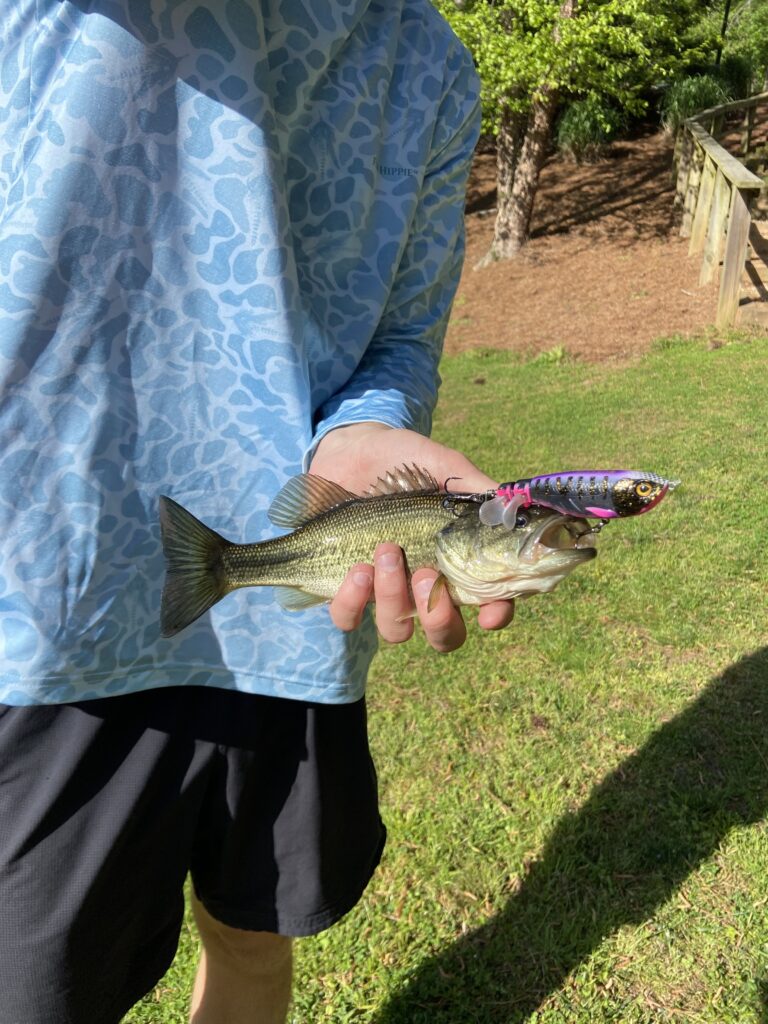
Winter bass fishing is by and away the most challenging part of the year but still can be productive if approached correctly. Cold water slows bass metabolism, meaning they feed less often and don’t move much at all. However, they can still eat under the right conditions and with the right bait. In winter, bass tend to hold deeper and closer to bottom structure, where the water can be a little bit warmer. Slow presentations such as jigs, soft plastics, and finesse rigs are the most effective.
The best time to catch largemouth bass is generally during early morning and late afternoon into evening, especially during warmer months (most other species of fish also follow this same pattern). Seasonally, spring and fall provide the most consistent fishing due to spawning and feeding behavior, like we mentioned before. That being said, bass can be caught at any time if you adjust your presentation to water temperature, light levels, and cover, meaning that every point in the year is potentially fair game.
Read also: Largemouth Bass Season: A Comprehensive Guide
Certain states consistently stand out as the premier largemouth bass fishing destinations due to climate, habitat, and fisheries management. Some of these states include:
These states regularly produce trophy-class bass and host many major tournaments throughout the entirety of the year.
Certain places in the United States boast the best largemouth bass fishing this planet has to offer. While there are certainly more great locations than just the ten listed here, these ten are consistently ranked very highly and for those reasons, they are here. Some of these places include:
Choosing the right spot for bass fishing is often more important than lure choice or the actual body of water you are fishing. If you don’t know where you should be throwing your bait, there’s a good chance a bass won’t even have the chance to bite. Largemouth bass relate strongly to structure and cover. You must constantly be on the lookout for submerged vegetation, docks, fallen trees, rock piles, drop-offs, and changes in bottom composition. These places are where bass frequently cruise around.
One thing that I love to do myself is get in the head of the bass. I know that bass are an ambush predator when it comes to feeding. This being said, since I know that I am an ambush predator, where would I want to hide to give me the best chance of attacking bait? Start from this principle and the structure we mentioned, and you should be golden.
In addition to this, you should also know that water temperature, clarity, and forage availability should guide your decisions and impact where you decide to cast your bait. For example, if you are fishing on a hot summer day when the water is very warm, you would be wasting your time fishing in shallow, unshaded water because that’s simply too hot for the bass to be in. This is just one of many examples that could fit in this category. In clear water, bass may hold deeper or tighter to cover to stay more hidden. However, in stained water, they may roam more freely because they feel that they are protected by the murkiness of the water itself.
One important thought process when bass fishing is this: If you find baitfish, there’s a strong chance bass are nearby because that is what they want to eat. At the end of the day, the important thing is to spend time on the water to figure out where the bass like to be.
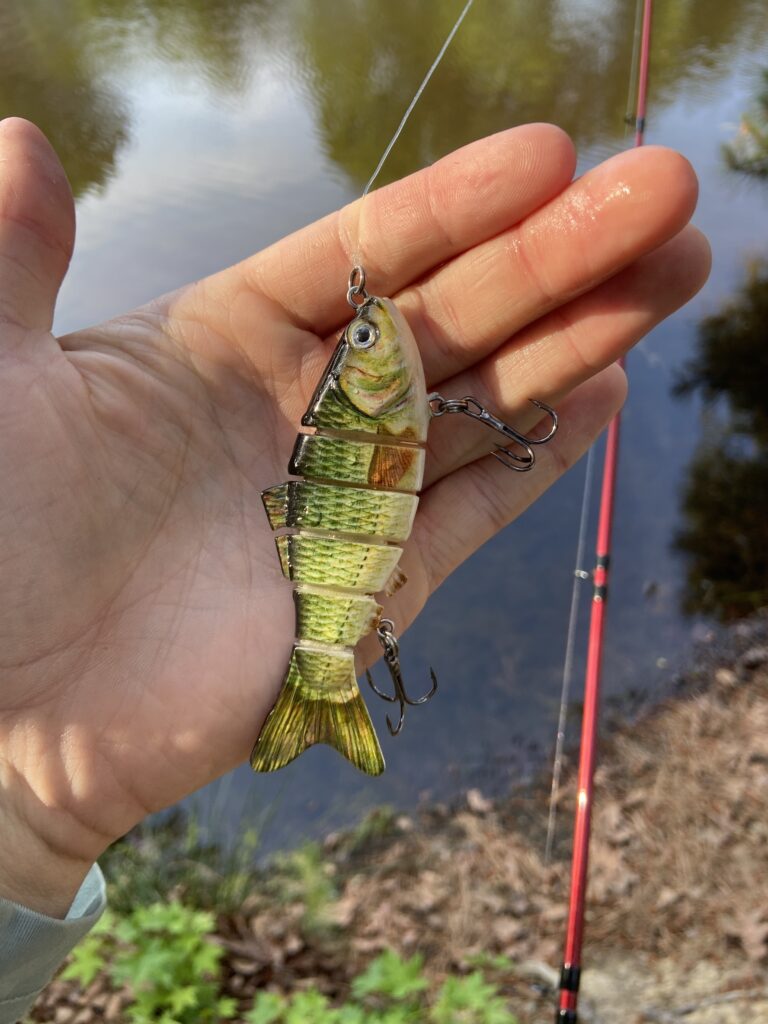
There are thousands of effective lures and baits for largemouth bass fishing out there. Because there are so many, I thought it would be valuable to break this bait topic down a bit more so you guys have a better idea of the essential baits that have proven themselves again and again. To make this even easier, I’m going to divide this section into two parts: one being artificial baits and the other being live baits.
Live bait can also be a great way to target largemouth bass, especially big largemouths. Some of the more popular live baits include shiners, minnows, nightcrawlers, and more. All of these can be extremely effective, especially for beginners or in pressured waters where the bass are seeing a ton of baits in the water.
At the end of the day, there are so many different ways you can go bass fishing. So many different styles and preferences, so it’s very hard for me to put together a section and say that this is the absolute best gear you can use. Some people are more comfortable with this and others with that. This being said, I want you to take this section with a grain of salt, as it reflects my own personal experience and preferences from over the years.
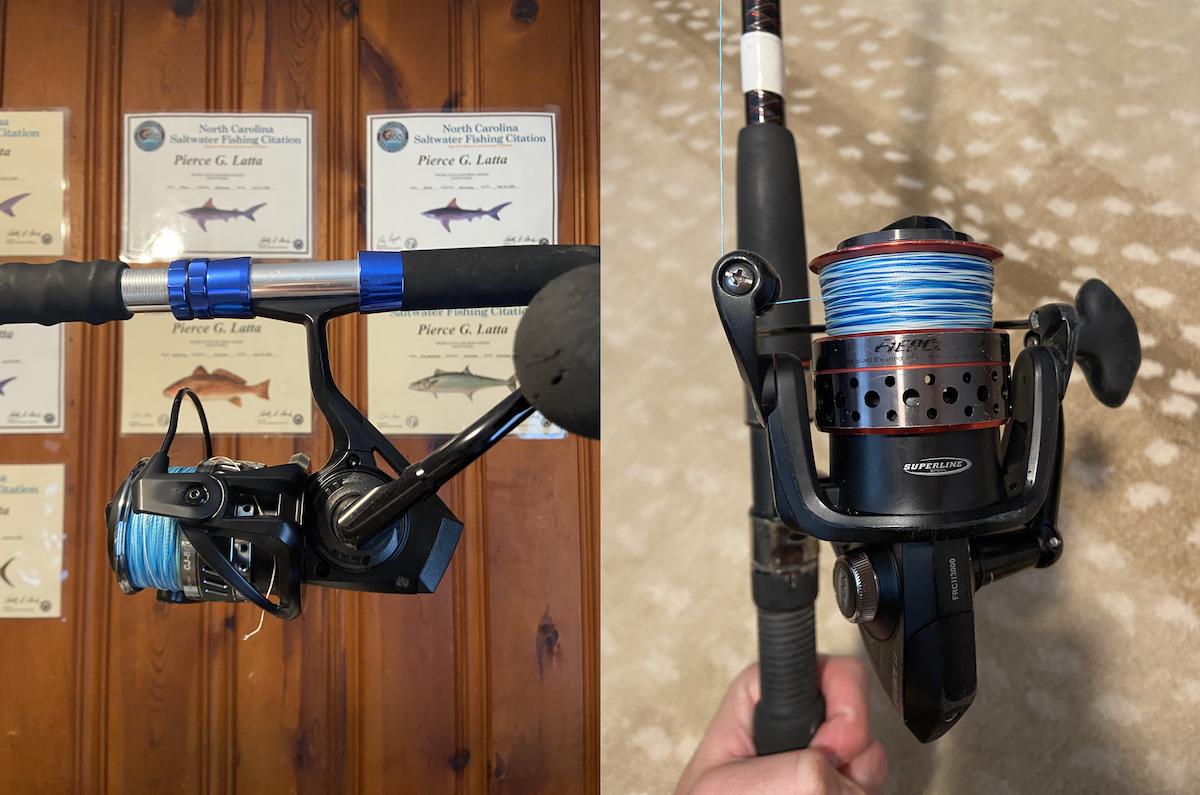
I prefer a medium or medium-light rod with fast action for the sensitivity needed to feel small pick-ups. I would pair this with a lighter spinning reel, size 2500, spool it with 20-pound braid, and call it a day. I have found this setup to work for years, and it has never really failed me. I also have a bit of a heavier casting rod (a 7-foot medium casting rod) equipped with a baitcaster, also spooled with 20-pound braid. Again, like I mentioned before, these are simply my own personal preferences and likings.
The only thing I would highly endorse is braided fishing line. Braided line excels in vegetation and gives you the strength you need to rip that lure back out of a branch. In addition, you get excellent casting distance and capacity that monofilament and fluorocarbon simply cannot match.
Just like largemouth bass fishing gear, there are also so many different techniques and tips that people will say you have to use when fishing for largemouth bass. My goal is to simply describe some of these techniques to you and then give you some tips that may be helpful for you the next time you are on the water.
Trolling is definitely not a primary bass technique; however, it can be useful for locating fish in large bodies of water using crankbaits and pulling them behind the boat. The disadvantage is that when you are trolling, you’re typically not as close to structure as you could be when casting. However, on the other hand, you can also cover a massive amount of water in a relatively short amount of time.
Chunking with cut bait is extremely uncommon for bass but can occasionally work in ponds or pressured areas where the fish haven’t been exposed to it as much. A more effective way of doing this would be to throw in a bunch of live minnows as chum and then fish with a live minnow freelined for your bait.
Kite fishing is never used for largemouth bass and is impractical in freshwater.
Jigging can be one of the most effective bass techniques if done right. Pitching or flipping jigs into cover consistently produces quality fish, especially if you are experienced with using the jig and popping your rod and the bait off the bottom like the fish want. In some situations, you can also be fishing in deeper water where you actually can vertical jig. The trick to this would be getting on top of structure and being patient with the fish.
Live baiting is simple and highly effective, especially in colder water or when bass are inactive or not hungry for artificials. Some of the top live baits are listed above. You can either freeline them, fish them with weights on the bottom, or even fish them with bobbers up top to draw the bass’s attention.
There is no definitive single best method for largemouth bass fishing. Success comes from adapting to conditions, matching your presentation to seasonal behavior, and fishing where bass actually live, like we discussed earlier. While I would say simply casting artificials is the most popular method for largemouth bass fishing, it is not necessarily the best.
Fly fishing for bass often involves using poppers and streamers near the structure where the bass typically hide. Heavier fly rods and aggressive retrieves are often required to entice a big bite from the bass.
In ponds, you want to focus on edges (or the banks), vegetation, and any available structure that you can see. Stealth is critical due to limited space, so be sure you are quiet on your approach and work all areas thoroughly.
In lakes, where you have a ton more space, bass may move “offshore” or into deeper water seasonally. Electronics and understanding depth changes are extremely helpful and can yield great results on the water if you know what you are looking at. I would also emphasize some of the points made about ponds in that you want to heavily focus on cover.
Read also: The Best Largemouth Bass Bait and Lures: Expert Guide
Regulations vary by state and water body, including size limits, bag limits, and seasonal restrictions. So while I wish I could help out each and every one of you individually in your own states, it’s just not practical. I would suggest going online to your state’s fisheries website and doing some research on the local rules and regulations. Keep in mind that these can vary within the state as well.
Like it or not, these rules and regulations are there to keep our fisheries healthy and sustainable for years to come. If everyone doesn’t obey these rules, then our fisheries could collapse very quickly because of overfishing. Personally, I would love to take my future son fishing one day in bodies of water where he can actually catch a fish. So let’s do our part to keep our fisheries healthy for decades to come.
To do this, there are some sustainable practices we can engage in to set ourselves up better for the future. Some of these methods include selective harvest, proper handling, and releasing large breeding fish to help maintain healthy bass populations that our kids will hopefully be able to enjoy.
Yes, largemouth bass can absolutely be caught at night and are often more active after dark, especially if you’re using loud lures. They rely on vibration and sound more than sight, making lures like spinnerbaits, buzzbaits, and poppers very effective because they induce a lot of water movement and disturbance. Night fishing can be especially productive during hot summer months because the bass are finally able to come out and not get torched by the sun.
You can catch largemouth bass in winter, but they are a ton less active and tend to move into deeper water, where they are harder to reach. Slower presentations like jigs, Texas-rigged plastics, and suspending jerkbaits work best during these conditions. Focusing on sunny days and warmer parts of the afternoon can also improve your chances of success.
The 80/20 rule suggests that 80% of bass are found in 20% of the water. Bass tend to concentrate around high-percentage areas like structure, cover, and depth changes, like we mentioned above. Finding these key spots is often more important than changing lures constantly and can change the outcome of your day.
Largemouth bass prefer areas with cover such as weed beds, fallen trees, docks, and rocks. They often position themselves near structures that provide shade and ambush points. Bass also like areas where shallow water meets deeper water.
Bass are attracted to natural scents like crawfish, shad, garlic, and anise. Scented soft plastics can encourage bass to hold onto the bait longer, but I have not really seen this play out in my own time. If this scent idea is true, though, it can give anglers more time to set the hook, especially in pressured waters, which can be valuable.
A common setup for largemouth bass is a medium or medium-light rod paired with a baitcasting or spinning reel. Your best bet for line choice is going to be a braided line. This setup offers the strength and sensitivity needed for bass fishing and can last for years if you invest in nice gear.
The Texas rig is one of the most effective and versatile rigs for largemouth bass because you can fish so many different baits on it. This rig allows anglers to fish soft plastics through heavy cover without snagging because the hook is buried in the soft plastic. Other popular rigs include the Carolina rig and wacky rig, which are also great.
Bass like to hide in areas that provide protection and feeding opportunities. This includes submerged vegetation, brush piles, docks, and undercut banks, which were all discussed above. They will often position themselves where they can ambush prey with minimal effort, so try to get into their shoes and figure out where these places are.
In Alabama, the daily creel limit for largemouth bass is typically five fish per angler per day. There is usually a minimum size limit of 12 inches, though some waters have special regulations, so be sure to check local regulations for specific lakes or rivers.
In Texas, the statewide minimum size limit for largemouth bass is generally 14 inches. The daily bag limit is usually five fish; however, some lakes have slot limits or special regulations that you should pay attention to.
Largemouth bass fishing is a pursuit that rewards patience, adaptability, and time on the water. If you can master understanding the biology of a bass, its seasonal behavior, its habitat preferences, and effective techniques to catch them, you too can dramatically improve your chances of success. Whether you’re fishing a pond, lake, or river, applying these fundamentals talked about above will put you ahead of the curve and make every trip more productive. As always, I hope you guys have enjoyed reading this article and have a great time on the water. Good luck and tight lines!
Pierce Latta has been passionate about fishing since the age of three, growing up casting lines in both freshwater ponds around Charlotte, NC, and the saltwater of Ocean Isle Beach. With nearly 16 years of experience, he’s explored almost every style of fishing imaginable, from fly fishing and surf casting to offshore and inshore adventures. Pierce now shares his knowledge and enthusiasm with others, offering tips, techniques, and inspiration to help anglers of all levels discover the thrill of fishing.