
Any question about the article?
Please use your work e-mail, so we can connect with you
Striped bass are one of the most—if not the most—popular gamefish across the United States. They can be found in many different places as well as unique bodies of water. For example, they can be caught anywhere from lakes and rivers all the way to the ocean. The widespread nature of this species makes it a top target for tons of different anglers, and in this article, we’re going to break down how we can put more of these things in the boat (or on the land). Some of the topics will include striped bass bait, weather, tackle, gear, and other helpful tips and tricks that can help you get the job done.
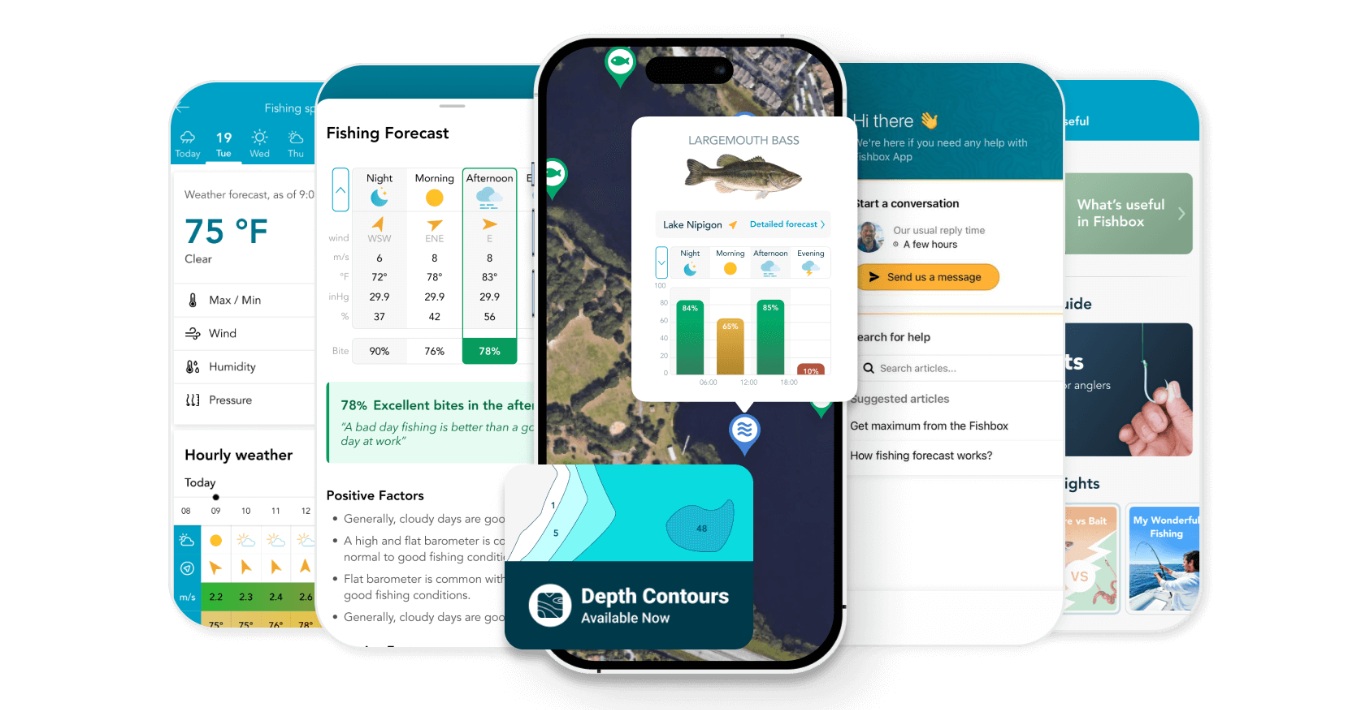
Before I jump into the article, I would like to shout out one piece of fishing technology that has boosted my fishing game immensely. This, as you might have guessed, is the Fishbox App. This app is loaded with all sorts of helpful and easy-to-read information that should make your days on the water both more enjoyable and, hopefully, filled with more fish. One of my personal favorite things about the app is all of the weather metrics that are combined into one spot. Additionally, the app goes even further and can give you a bite score for the overall fishing that day so you know what you’re getting into. These are just a couple of the many great things found on the Fishbox App, and I would encourage you all to check it out. You can download the app or even fill out this short survey to get a personalized fishing map for yourself today. Don’t wait any longer—click this link.
Before I even get into the specific details of this article, it’s important to establish a brief background on the striped bass and the factors that make them unique. That being said, I’m going to quickly go over the biology and reasons behind why this fish is so prized among anglers.
Biology: While these fish are most commonly referred to as the striped bass, some other names include rockfish, stripers, rock bass, and more. These fish can grow to over 100 pounds, but most commonly range between 10 and 30 pounds. They are extremely aggressive hunters and will often feed in frenzies on bait balls. They are widely known as “opportunistic” predators, meaning they feed wherever they can find bait. This can be in the ocean, a river, or even a lake. Additionally, striped bass lifespans typically sit around 12 years but have been known to extend longer as well. One last piece of important information I would like to point out is that adults often live in saltwater but are known to migrate inland to rivers or other brackish waters where they spawn [1].
Value: Striped bass are some of the most valuable and sought-after gamefish for a few different reasons. First, they are extremely fun to catch. They feed aggressively and can deliver some of the most violent strikes you will ever see. They also fight hard and give anglers quite a tug, making them highly prized. Second, striped bass are also great table fare. Their white, flaky meat draws many to target them due to their delicious taste. Lastly, these fish are found all over the place. Many can be targeted the same way regardless of where they are in the country. This means they are accessible to most anglers, thus driving up their gamefish “value.” [2]
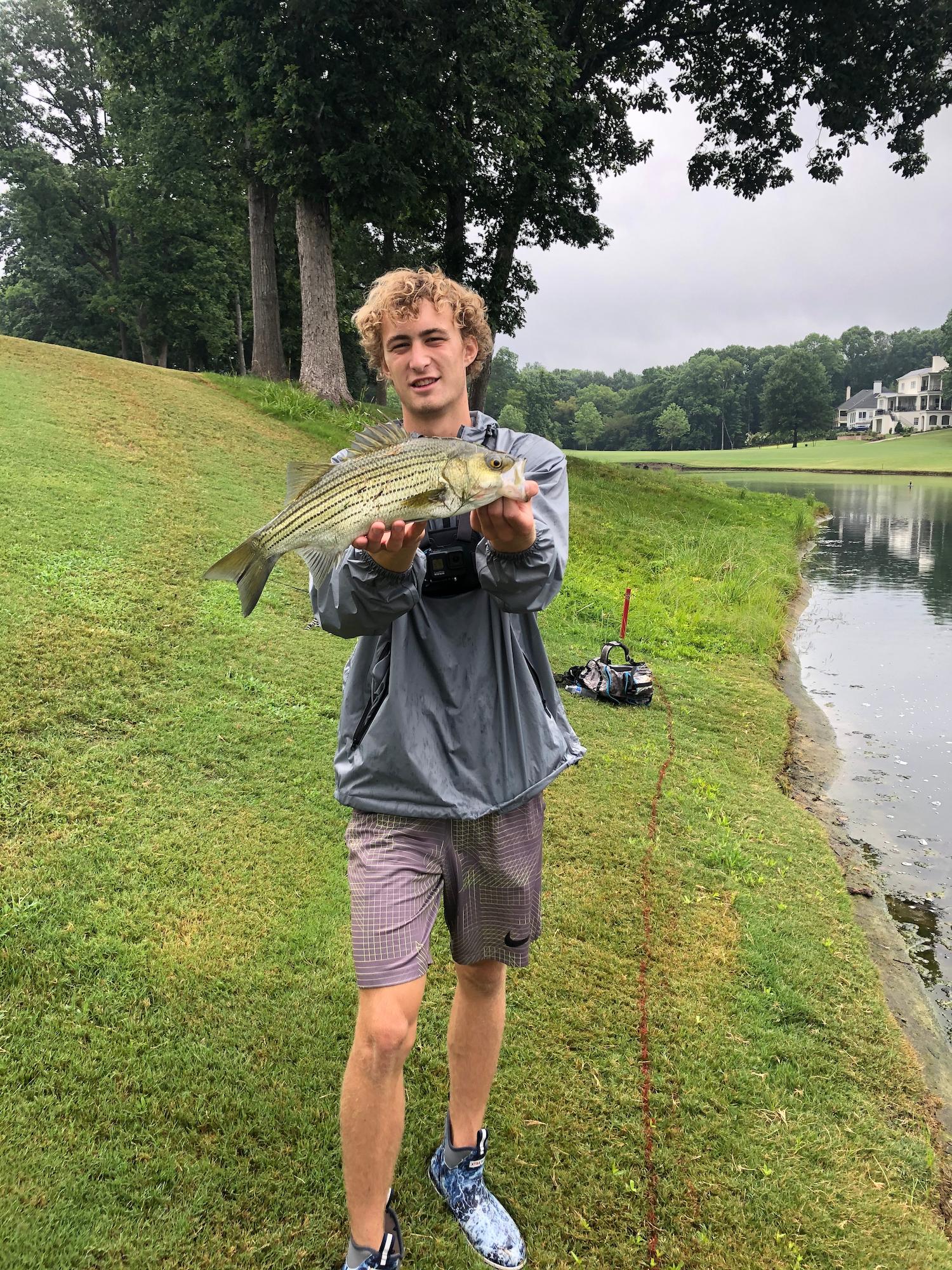
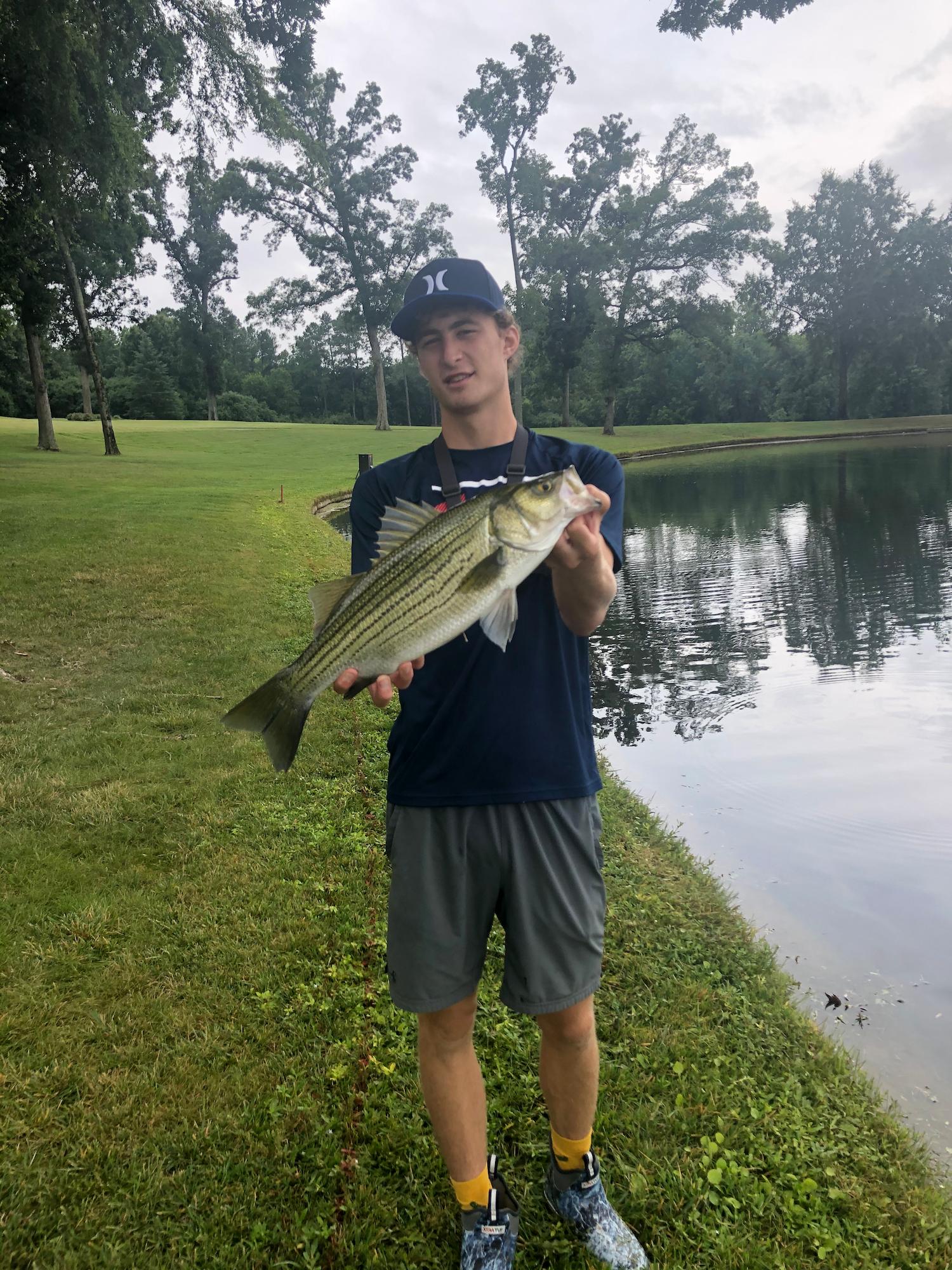
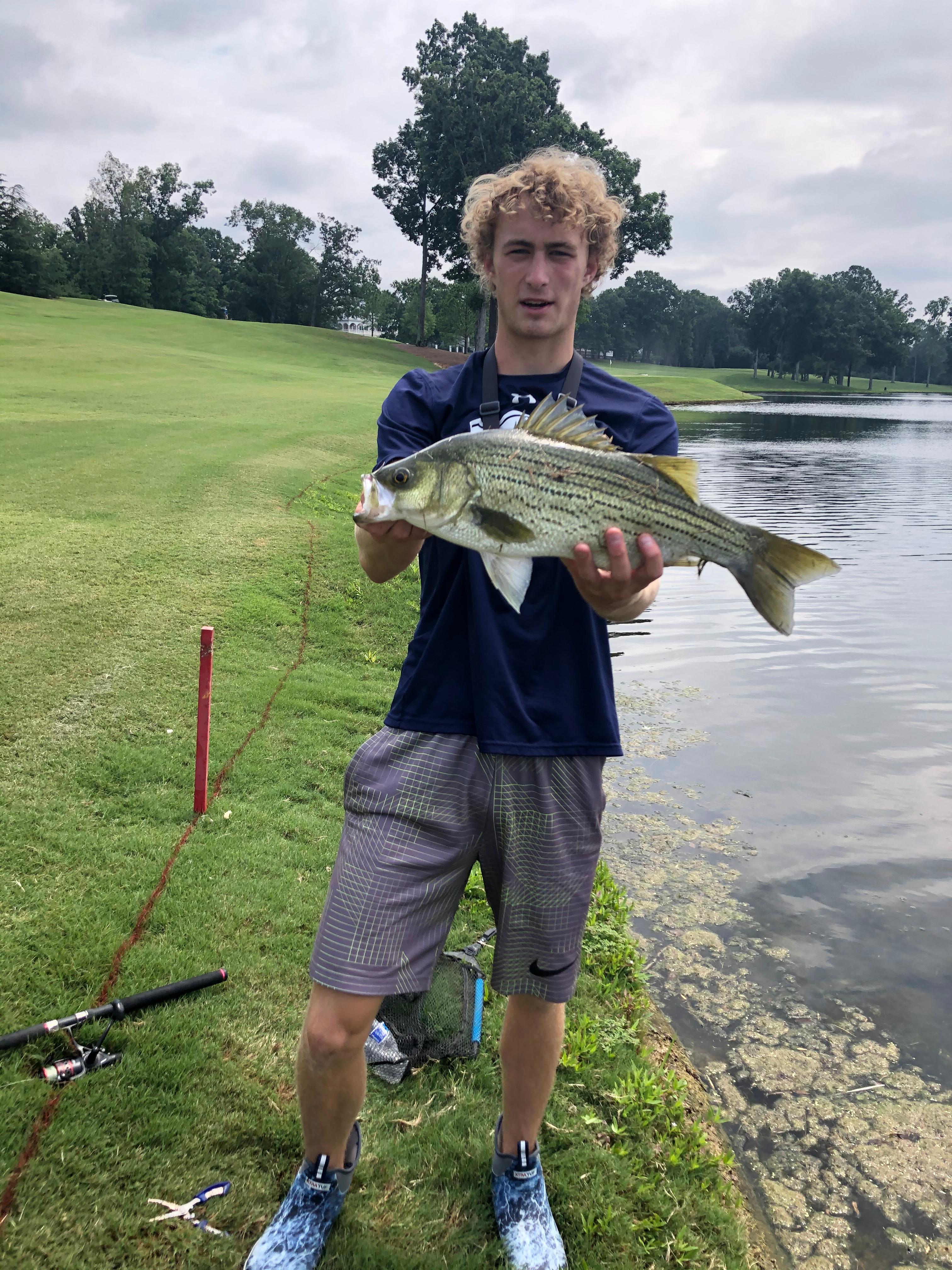
Before I get into the section on the timing aspects of fishing for striped bass, it’s important to note that some of these details may vary depending on whether you’re targeting landlocked or migratory fish. That being said, make sure you know which type of striped bass you’re fishing for by doing some quick research, and then read this section with that knowledge in mind.
Below is a summary chart that takes into account everything discussed in detail throughout this section. If you’d like to know the specifics, by all means, read the entire section. However, if you’re in a time crunch and just need the broad overview, take a glance at the table and move on. Without any further delay, let’s get into the meat of this section.
| Season | Water Temperature | Behavior | Best Tactics | Notes |
|---|---|---|---|---|
| Spring | 50–65°F | Spawn migrations and heavy feeding activity | Jigs, live bait, and topwater lures | Peak season for size and numbers |
| Summer | 65–75°F+ | Move to deeper, cooler water; feed early and late | Downriggers, trolling, and deep jigging | Midday bite is slow due to heat |
| Fall | 55–65°F | Aggressive feeding before winter; large schools chase bait | Topwater plugs, swimbaits, and spoons | Excellent action and surface feeding |
| Winter | Below 50°F | Fish become sluggish and hold deep | Vertical jigging and live bait presentations | Requires patience and slower retrieves |
Overall, hopefully you can see that time of year matters so you should plan accordingly [3].
Time of Day: There are two times of day that you definitely should be focusing on when you fish for striped bass: dawn and dusk. At both of these times, the fish feed the exact same way. They are focusing on baits near the surface and feeding on them. These early morning and late afternoon/evening bites tend to be even more amplified during the warmer months when the fish are more active anyway. During these times of day, focus on using topwater baits or other kinds of baits that will draw a lot of attention or move a lot of water. In my own experience, and even when my dad was growing up on the lake, the striper bite was always best early when the fish were naturally feeding. You must take advantage of this if you want to experience the best fishing [4].
Weather: The best fishing conditions for striped bass are often when you have a bit of wind, cloudy skies, and warmer air temperatures (light rain is preferred by some anglers but not all of them). The reason a light wind can be helpful is that it breaks the surface of the water, which not only gives fishermen an advantage because the fish can see them, but also because the wind will often stir up both prey and predator. Cloudy skies can work in the same way by drawing stripers closer to the surface to feed. Lastly, warmer air temperature generally means warmer water temperatures, which means the stripers are more willing to feed. Again, while these are commonly held thoughts, I encourage you to go out on your own to find patterns for yourself [5].
Spawn Patterns: Striped bass spawning occurs at different times depending on the location of the group of fish you are observing. In general, striped bass spawn occurs between late April and June. For fishermen, you really want to be targeting the pre-spawn fish. These stripers are often gorging on food to store energy before completing the spawning process. After this brief window of intense feeding, the stripers will be far harder to convince to bite until after the spawn is over. That being said, take advantage of pre-spawn fishing if you have the opportunity [6].
Striped bass can be targeted and caught all over the world. This being said, here are some of the best and most well-known spots for targeting these popular gamefish.
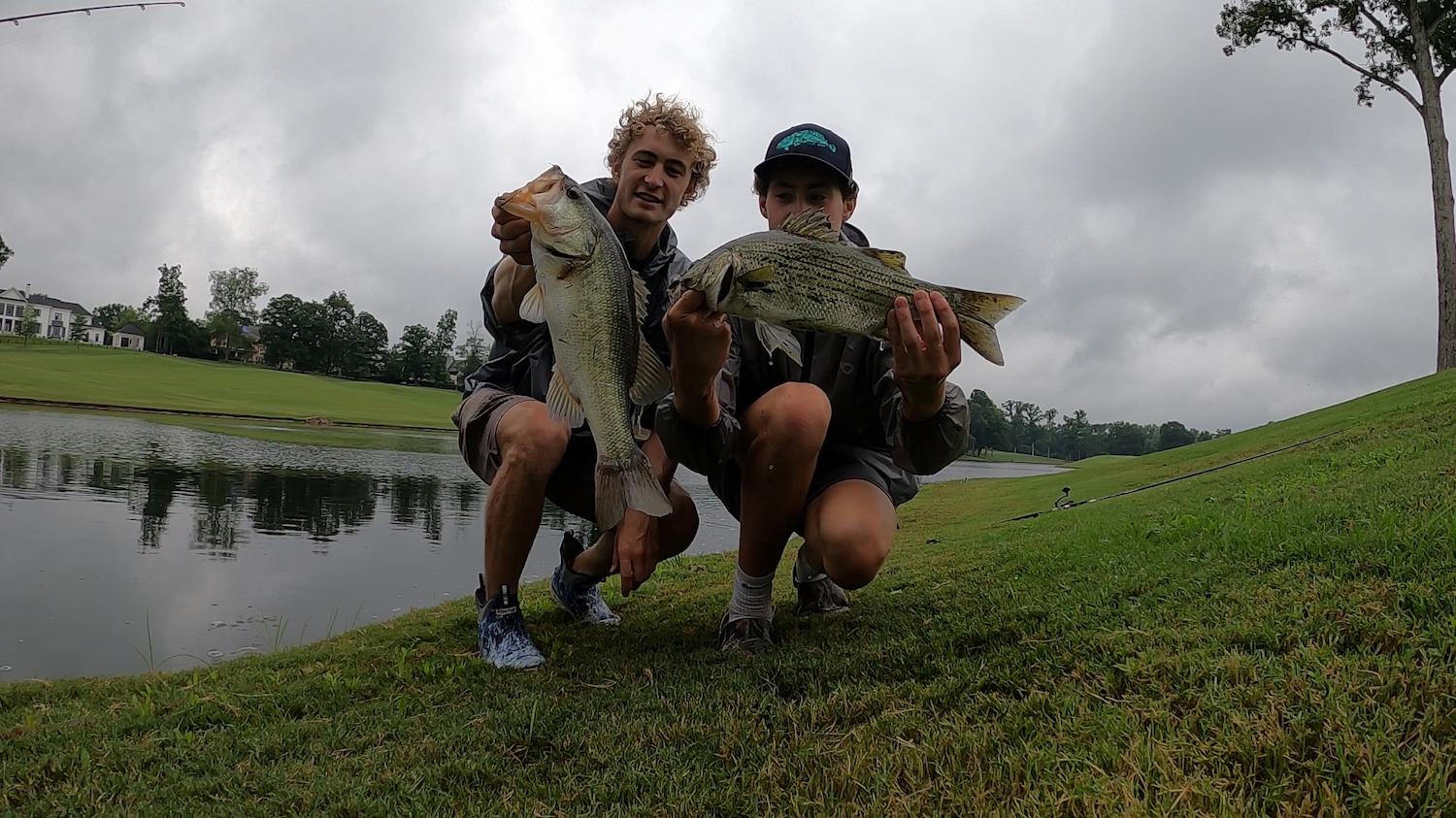
There are a variety of different baits you could choose from when targeting striped bass. In this section, I’m going to break them all down for you to make it easier to process.
I won’t lie; this bullet point is a bit of a trick. While some people have had success using dead baits for striped bass, you are much better off using live or artificial baits to target these gamefish. If you are absolutely set on using dead bait, chunked fish works best, preferably menhaden. However, I would avoid dead bait at all costs if I were you unless you figure out something I don’t know or haven’t seen through my research.
When it comes to fishing with live bait, you want to “match the hatch.” That being said, if you can identify what kinds of baitfish are present in the water and can obtain some of that bait, that will ultimately be your best bet for catching striped bass (Striped Bass Baits, Best Baits for Striped Bass | Sport Fishing Mag).
Read also: The Best Bait for Striped Bass: Your Ultimate Guide to Catching Stripers
There are a variety of different ways to target striped bass that hold true in many different locations across the country and even the globe. In this section, we’ll go through some of these methods and determine which are the most effective.
Check out this video: Freshwater Hybrid Striped Bass Fishing in Charlotte, NC! — it’s a great example of how anglers target stripers in freshwater.
In summary, your best bet for catching striped bass is using live bait in some form. This will be up to your discernment and knowledge, but these stripers already want live bait, so you don’t even need to try to fool them with artificials. Additionally, in terms of the depths you should be targeting for stripers, my answer would be wherever the stripers are. Now, I know this is a vague answer, but it is largely true. In different locations and times of year, we simply cannot expect these fish to be holding at the same depth. However, research and experience will be able to help you narrow down where your efforts should be focused.
At the end of the day, this gear section is probably where most people may have differing opinions. This is totally okay though. If you are better at using casting reels, then by all means use a casting reel and vice versa. Use what you’re both comfortable with and confident in. In this section, I’m simply going to go over some popular setups for stripers and add some of my input on what I prefer from my experience as well.
Electronics can be a helpful tool in almost any and all fishing applications, but only if you know what you’re looking at and how to use the equipment. From my own personal experience with electronics and learning how they work, I can tell you with 100% honesty that electronics like sonars are a fishing game changer. Knowing how to read sonars and what you are looking at can literally tell you what fish or structure is below the boat. This knowledge can potentially make or break your day on the water. YouTube and other in-person lessons from experienced sonar users can tell you exactly what you need to be looking for. In general, though, just look for bait, and the stripers shouldn’t be far away if you are in the right place.
This question really comes down to a couple of different factors such as time, money, and pride. If you have the money, don’t have a lot of time, and just care about catching some striped bass, a charter is going to be the way to go. However, if you are someone who isn’t a big fan of spending money on a charter and would rather try to catch a striped bass by yourself, then by all means, try it on your own. In any case, I personally don’t have a problem with a charter, especially if I’m new to an area or it’s a new species I’m targeting. The question I always ask myself is how much better this charter is going to put me on fish as opposed to my own efforts, and then I determine from there if I think the charter is worth it. One last thing to consider is this: you have to consider your access to the species. If you know the striped bass are biting nearshore and you don’t have a boat but really want to catch a striper, then a charter is the obvious play because they can get you where the fish are. This beats sitting on the beach twiddling your thumbs. Overall, this comes down to your own judgment call, but I think both can be great options depending on the scenario.
I haven’t talked about this much in my other articles lately, but now is definitely a good time to address the importance of fishing regulations. While we can all think of different reasons or gripes about why we think certain rules and regulations are dumb, we have to respect the fact that those rules exist to protect the fish. If we all think with the mindset of “oh, I’m just one person breaking this rule,” we’re going to have some massive population issues down the road. Overfishing is already a major concern across the globe, and the last thing we should do is contribute to it.
That being said, buy the license, obey the quotas, and be aware of what we are trying to protect and steward. Since the beginning of creation, God tasked us humans with taking care of the Earth He blessed us with, so we need to be conscious of that and respect it.
Because of how widespread the striped bass is, I figured it would be easier for readers to simply go straight to the state regulation website for wherever they are fishing. There are so many different regulations and rules that it’s far better to research the specific body of water and the legal requirements you must follow to fish there, rather than breaking everything down into parts. Once again, follow the rules, and we should have fish to catch with our grandkids one day.
Focus your shore efforts on spots where bait congregates. Try to get to these areas early in the morning to maximize your chances of finding striped bass feeding and schooling near the surface.
Target areas with structure, just like you would when fishing for largemouth or smallmouth bass. Bridge pilings, rocky areas, and current breaks are all great places to start.
If you can find the bait in freshwater, you’ll usually find freshwater striped bass schooling and feeding nearby. Use the same tactics mentioned above — get to known feeding areas early, especially where bait typically gathers. If you can’t find fish up top, don’t hesitate to use artificial baits to cover more water and locate them.
Fishing from a boat gives you mobility and access to electronics, which can help you locate bait and deeper schools of stripers. Focus on structure and drop live baits to test for activity. If nothing’s biting, move on and repeat the process. You can also troll artificial lures to cover more ground until you locate fish.
Stripers fishing in lakes is similar to fishing from shore or in rivers. Arrive early and work the topwater zone. Many lakes hold baitfish like shad that school up — and where there’s bait, there’s usually striped bass.
The 80/20 rule states that 80% of the fish are caught by 20% of the fishermen. These are the anglers who study the water, do their research, and put in consistent effort. If you’re here reading this, you’re already part of that 20%. Keep learning and putting in time — the results will come.
It depends on the time of year. In spring and fall, stripers move into shallower water where bait is abundant. In winter and summer, they typically hold deeper to stay comfortable and follow cooler water temperatures.
I hope you guys have enjoyed reading this article and learning more about striped bass and their habits, preferences, and typical behaviors. I hope you can take this information to heart and learn from it in hopes of making your days on the water more successful. Remember, this success won’t happen overnight and requires lots of time on the water to really figure this stuff out. If you have any questions or comments, please feel free to reach out. As always, good luck and tight lines!
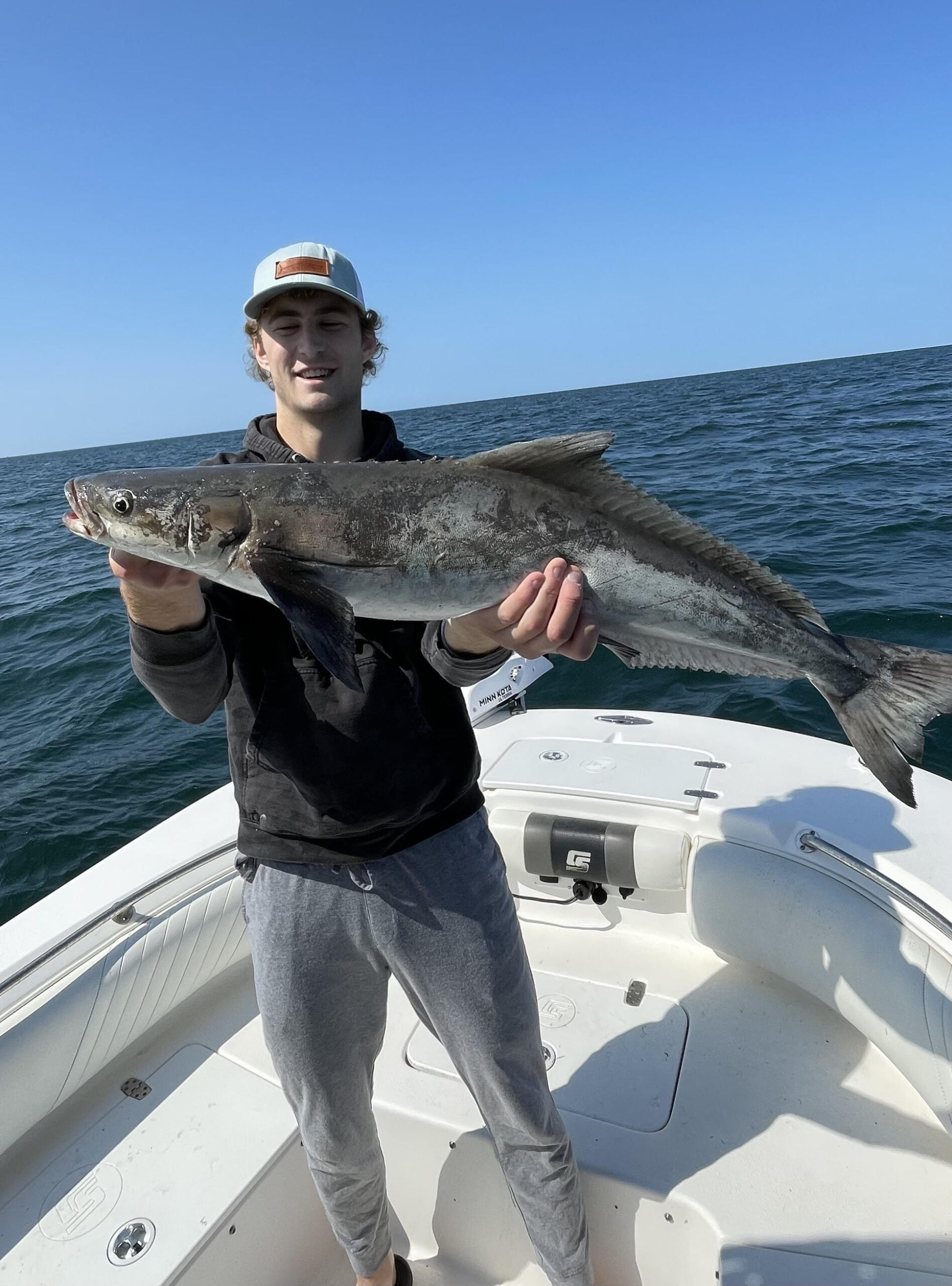
Pierce Latta has been passionate about fishing since the age of three, growing up casting lines in both freshwater ponds around Charlotte, NC, and the saltwater of Ocean Isle Beach. With nearly 16 years of experience, he’s explored almost every style of fishing imaginable, from fly fishing and surf casting to offshore and inshore adventures. Pierce now shares his knowledge and enthusiasm with others, offering tips, techniques, and inspiration to help anglers of all levels discover the thrill of fishing.