
Any question about the article?
Please use your work e-mail, so we can connect with you
When anglers think of trout fishing, visions of cool, clear mountain streams surrounded by lush pine forests under the umbrella of cobalt blue skies emerge.
Well, they don’t have to dream too often. Some of the best trout fishing in the U.S. can be found in the Rocky Mountain region, with Colorado, Montana, Idaho, and Wyoming all having well-earned reputations for their scenic beauty and stellar wild trout fisheries.
But discussing the best states for trout fishing doesn’t end there. Several other states—yes, Alaska is included- offer outstanding trout fishing with their brand of scenic splendor.
Most of the top states offer rainbow, brown, brook, cutthroat, and other varieties of trout, and most of the more popular areas cater to those looking for a once-in-a-lifetime experience, whether they are fly-fishing or using a rod and reel.
For this article, we will focus on which states have the best trout fishing on their rivers and creeks. We’ll leave the lakes and saltwater bodies for water for another time. For the best locales within those states—besides the ones we’ve selected— check out the Fishbox for daily updates on your favorite locations for trout fishing.
Here is our list of the best trout fishing states in the U.S. and where to fish within each state:
Ask any fishing guide who knows about trout, and you’ll be told that Montana is one of the country’s best states for trout fishing. While some states have one or two great stretches of water for trophy trout, Montana boasts three.
The Yellowstone River, the largest undammed river in the country, offered some of the best trout fishing in the U.S. The stretch between Gardiner, Mont., and Columbus, Mont., is teeming with trophy native cutthroat, wild rainbow, and brown trout thanks to consistently strong insect hatches. Upstream from Livingston, Mont., is also a desirable destination for those targeting some of the larger brown trout in the state.
Obviously, this is an opportunity for those fly-fishing to match the hatch and catch trout with dry flies, but even those with rods and reels can also succeed by using smaller topwater lures.
Near Craig, Mont., and below the Holter Dam, the Missouri River is a world-class tailwater destination for rainbow and brown trout in the 17-19 inch range. It’s also one of the few fisheries in the state that is utilized year-round. Most guides target April-May, then September-October for their clients, but the summer also offers plentiful hook-ups. One guide told us that in some stretches of the river, there are 3,500-5,000 trout per Mile, and it’s not uncommon to catch two trout on one cast.
Dry flies and nymphs resembling mayflies and caddisflies are always popular during hatches, with streamers along with Panther Martin and Mepps Aglio spinners during other times.
Another river worth exploring in Montana is the Madison River near Ennis, Montana (about a two-hour drive south of Craig), which offers high catch rates, large trout, and amazing scenery. The Madison River meets the Missouri River near Three Forks, Montana, but the river’s largest brown and rainbow trout can typically be caught between Varney Bridge and Ennis.
The river in this area features many challenges for time-to-time visitors: swift, deep runs, multiple channels, and steep banks. Most guides suggest shorter float trips in deeper spots and wading where the landscape cooperates (typically after runoff), as trout seem to congregate in compact areas.
While catching trout the first time out may be difficult, once the learning curve is mastered, anglers will be rewarded with some of the largest trout in the state.
Read also: Top 5 Trout Fishing Gear Essentials
There’s outstanding trout fishing all over Colorado, but always start our fishing trips in the state on the South Platte River.
Why? The South Platte runs through downtown Denver, making it one of the most convenient rivers to catch rainbow, brown, and an occasional cutthroat trout. And while we wouldn’t recommend fishing amid the traffic and noise, the top locales are just a short drive from downtown.
Trout on the South Platte near Denver averages 14-18 inches, but fish over 20 inches are common. Destinations within a two-hour drive south of Denver include Deckers (our favorite), Cheesman Canyon, and 11 Mile Canyon.
Whether you’re targeting brown, brook, rainbow, or cutthroat trout, chances are good you’ll find them in the 1,450-mile-long Colorado River. We prefer the section where the river originates in Rocky Mountain National Park. Not only are anglers treated to an outstanding fishing experience, but they are also surrounded by some of the most dramatic scenery in the U.S., along with opportunities to see moose, elk, bighorn sheep, mule deer, bears, and more.
While fishing in the park is a one-in-a-lifetime experience, there are plenty of other terrific trout spots along the river and throughout the state. Two notable locations outside the park in the western part of the state are the towns of Kremmling and Fruita (near Grand Junction, Colo). In those waters, guided fly-fishing trips are standard practice due to limited accessibility and the intricacies of the river.
About five hours southwest of Denver, the Gunnison River in Black Canyon National Park is one of Colorado’s most scenic areas. The state’s second-largest river holds large brown and rainbow trout that can be fished by boat or foot from its shores. The river is flanked by steep canyon walls and features cold, swift waters where trout thrive. Gunnison stands out in a state full of picturesque places to fish.
With clear, cool waters throughout this rugged state, Wyoming stands shoulder to shoulder with Colorado and Montana as one of the best trout fishing states in the U.S.
While anglers in other states must contend with crowds during the more popular time of the year, that’s not the case in Wyoming. With few exceptions, there’s always plenty of space to fish and sizable trout populations to target.
Keep in mind that in this part of the country, the weather can change quickly. Snow, rain, and unexpected winds arise out of nowhere, so it’s best to bring proper clothing, such as extra layers of clothes and rain gear.
Known for its clear water and abundant food sources, the North Platte River in the southern/central part of the state is a fantastic place to start. The scenic area near the Alcoa Reservoir—featuring the “Miracle Mile” and Grey Reef— attracts anglers throughout the Rocky Mountain region for their blue ribbon fishing opportunities.
What sets the “Miracle Mile” apart from most other fishing destinations is the possibility of catching a 25-30-inch trout surrounded by scenic, unspoiled terrain.
The Mile—as locals call it—is actually a 5.5-mile stretch of the North Platte located just outside of Rawlins, Wyo, and is home to some of the largest rainbow and brown trout in the country. Both fly with streamers, and Panther Martin and silver or gold Mepps lures work best in this area.
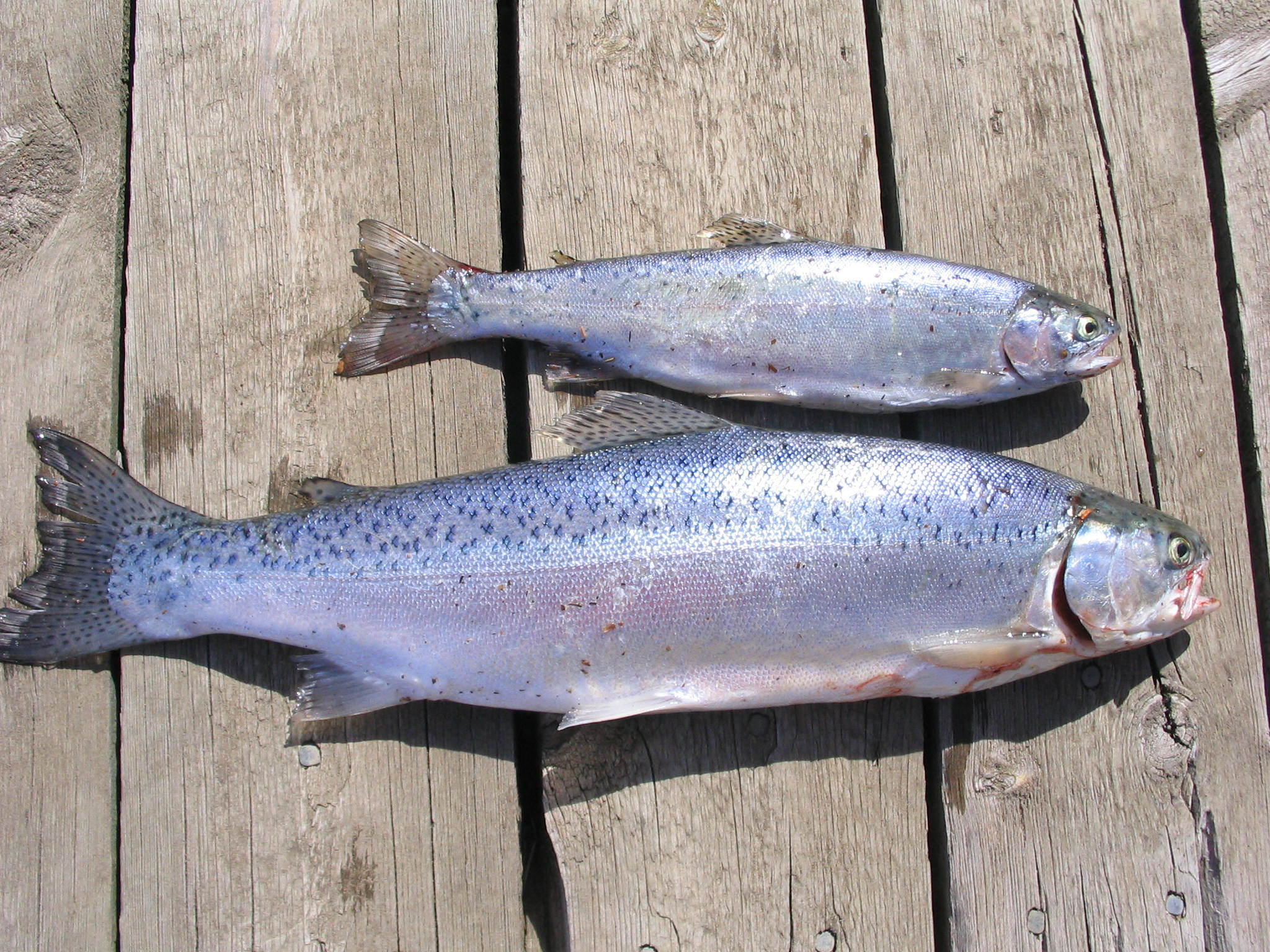
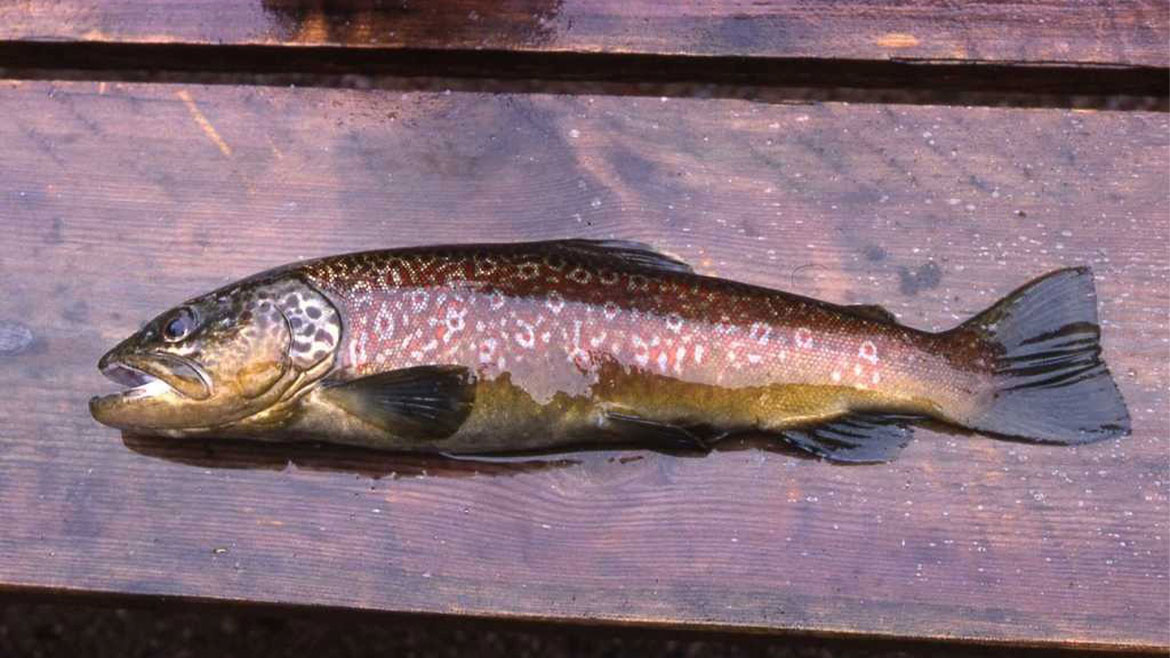
Further north, near Casper, Wyoming, the Grey Reef area is a classic tailwater fishery that features many of the same attributes as the Miracle Mile but adds Snake River cutthroat trout to the mix of available fish. The Snake River cutthroat has distinctive spots along its body, along with a prominent red slash under its jaw that gives it its name.
They have a high density of small, irregular spots across their body, tail, and fins, a trait that sets them apart from other cutthroat trout, including the Yellowstone cutthroat.
Grey Reef is a suitable place for novices to start their fishing adventures, given that the number of available fish is consistently high. One caveat about the area: Public access is limited to a few areas, so drift boats and rafts are frequently used.
When the talk turns to trout fishing in Idaho, the Snake River is the first waterway typically mentioned.
One of the top areas for trout fishing in the state is Henry’s Fork, located within Harriman State Park, where the Snake meanders for eight miles and offers outstanding rainbow, brook, brown, and “cut bow” (cutthroat/rainbow hybrid) trout fishing opportunities.
There are several areas within Henry’s Fork to work on exploring, with Big Springs being a popular entry point. Anglers can explore the area on their own or utilize guides, which are easily booked in the area. Experienced anglers tend to move toward the Box Canyon area, which offers deep pools and very fast-moving water.
Fly-fishing is wildly popular in Henry’s Fork (nymphs and dry flies are preferred by the locals), but there are also opportunities for the rod and reel crew. Crankbaits resembling red crayfish for fishing along rocky shorelines are typically the first choice.
While the season on the river is short—Memorial Day to mid-July—The Henry’s Fork section of the Snake River is a must-fish destination in the state that anglers return to year after year.
The South Fork of the Snake, located about 30 miles from Idaho Falls, is also worth exploring, with sizable cutthroats and brown trout being the star attractions. The scenery on this part of the river is spectacular; the 25-mile canyon is lined with mature cottonwood trees where bald eagles are known to nest, along with islands and channels to explore.
The 250-mile-long Deschutes River in central Oregon is one of the top trout fishing rivers in the country, offering anglers different experiences in its three sections.
The Lower Deschutes is renowned for its wild rainbow trout and is a well-known destination for anglers around the West, specifically the first 50 miles below the Pelton Dam. Best described as a “large ribbon of cold, clean water,” it’s best fished from the shore or by drift boats in specific areas.
The Upper Deschutes runs from Little Lava Lake in the Cascade Mountains to Bend, Ore., one of the top destinations in the U.S. for outdoor recreation thanks to its abundant populations of rainbow and brook trout. It’s the quintessential mountain stream, running through pine forests and meadows with snowy peaks in the distance.
The Middle Deschutes runs from Bend, Ore.—one of the top destinations in the country for outdoor recreation—to Lake Billy Chinook, where the Metolius River and the Crooked River join the Deschutes.
In Bend, some of the best fishing can be found close to the downtown area. There’s typically no shortage of rainbows, and accessibility is not an issue. Late spring to early summer is the best time to fish, using dry flies and Panther Martin lures for trout, before the heat sets in.
Read also: Best Bait for Trout: A Complete Guide
The Kenai River is primarily known as one of the top places in the country to fish for salmon, but it’s also a significant trout fishery.
Once the Chinook/King salmon complete their journey from the ocean to the Kenai in the summer, they expire, and the trout move in and feast on salmon flesh and leftover eggs. This creates some of the largest trout in the country–especially rainbow trout, which can grow as big as some of the salmon (more than 30 inches in size).
The Kenai is known for its cool, clear water and rainbows, which tend to congregate in pools along its banks, making the placement and presentation of flies and lures critically important. The biggest challenge while fishing for trout along the Kenai is bald eagles, who look for trout in shallow waters before swooping in.
Before booking your trip, please check on local regulations regarding the trout fishing season in the Kenai.
The Kasilof River, just 10 miles south of the Kenai, is another option for trout fishing in Alaska. While certainly not as popularly known as the Kenai, trophy-sized rainbow trout can also be found on the Kasilof, which runs for 18 miles through varied terrain.
Like the Kenai, rainbow trout on the river feast on salmon carcasses, eggs, and other smaller fish. This results in fish reaching 30-plus inches in size, although most are in the 12-25-inch range.
The Little River in Tennessee runs for 60 miles in the eastern part of the state and is a hotspot for wild brown and rainbow trout.
The river starts in the Great Smoky Mountains National Park and features many deep pools, riffles, and long runs. Additionally, food sources such as mayflies are abundant in the area, making for exceptional trout fishing throughout the spring and early summer.
The Little River is made up of three areas: the East, Middle, and West Prongs.
While the East Prong runs through the national park for 18 miles and features The Sinks, a series of deep pools where larger rainbows and brown trout are typically found, the Middle Prong is known for its rainbow trout population and accessibility, making it a good starting point for anglers of all skill levels. In contrast, the West prong features strong rifles, runs, and plenty of brown trout.
While it tends to get busy during the summer with kayaks and canoes navigating its rapids, the Nantahala River in western North Carolina stands out as one of the finest trout fisheries in the country.
Most anglers prefer the lower section of the river for catching both stocked and wild brown and rainbow trout, as well as its accessibility. Fishing from the shoreline or wading into the river is easily accomplished, even when the water is at its highest levels.
The Davidson River in Pisgah National Forest is another top destination in the U.S. for trout fishing. The upper stretch of the river near Avery Creek is the preferred locale for wild brown and rainbow trout, as the lower reaches are heavily fished.
Keep in mind that the river is essentially catch-and-release and fly-fishing only, so plan accordingly.
Read also: A Complete Guide to Fly Fishing for Trout
Penns Creek may not look like many of the large trout fisheries out West, but it provides some of the top trout fishing in the county.
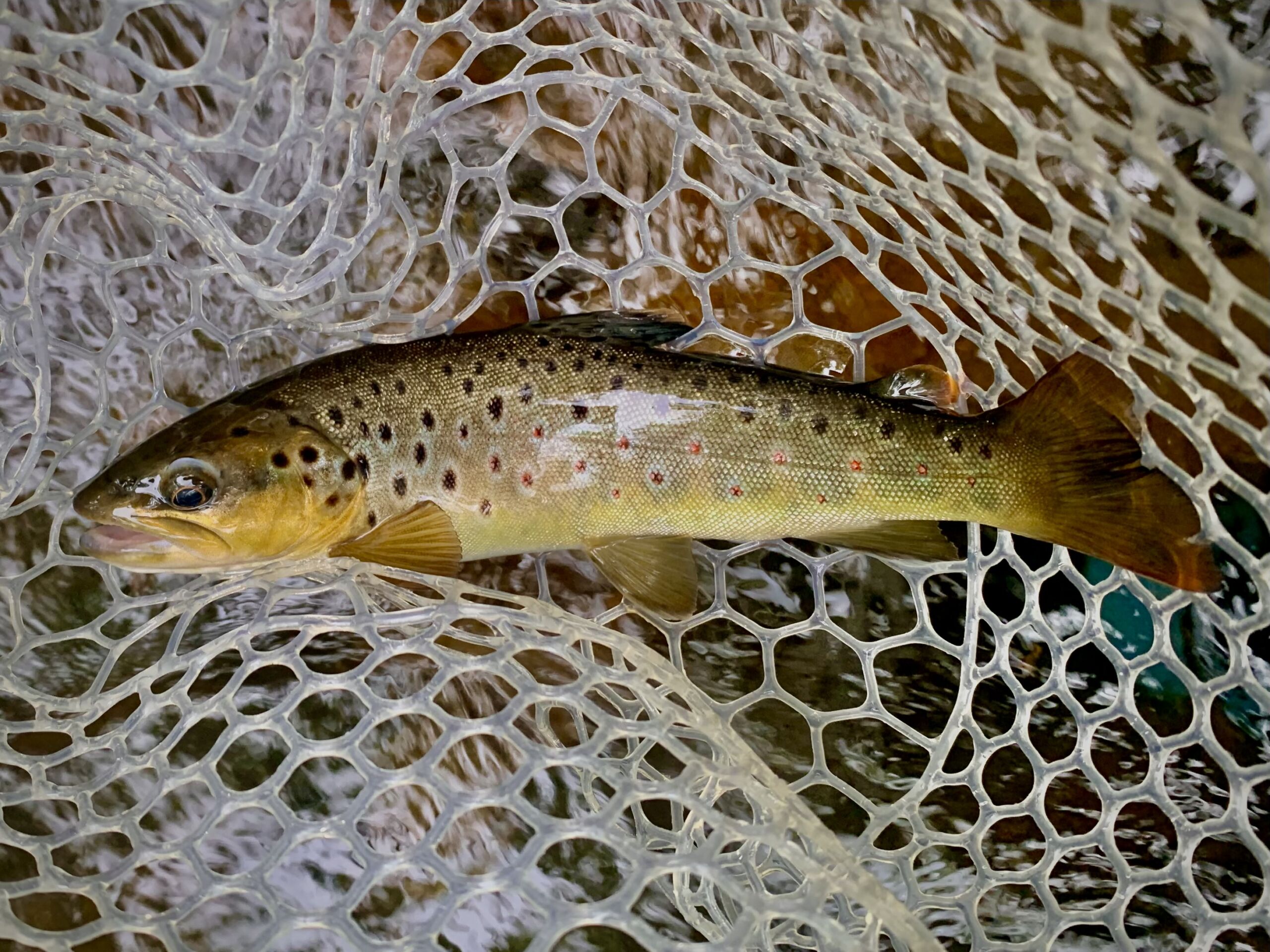
Penn Creek is a definite standout thanks to its year-round water levels, fantastic scenery, and the number and size of the wild brown and rainbow trout that inhabit its waters. The thing that sets Penns Creek apart as a trout fishery is its limestone springs. The limestone creates an alkalinity in the river that’s ideal for supporting all the trout’s favorite prey, including crustaceans, baitfish, and aquatic insects.
Most of the top action starts near the town of Coburn, where the river is intersected by two limestone creeks. This 11-mile section receives the state’s highest trout water designation (Class A) and is full of wild trout in the 14-16-inch range.
Starting in the Cascade Mountains in Northern California, the McCloud River runs for 77 miles and is known for its breathtaking scenery and some of the top trout fishing in the U.S.
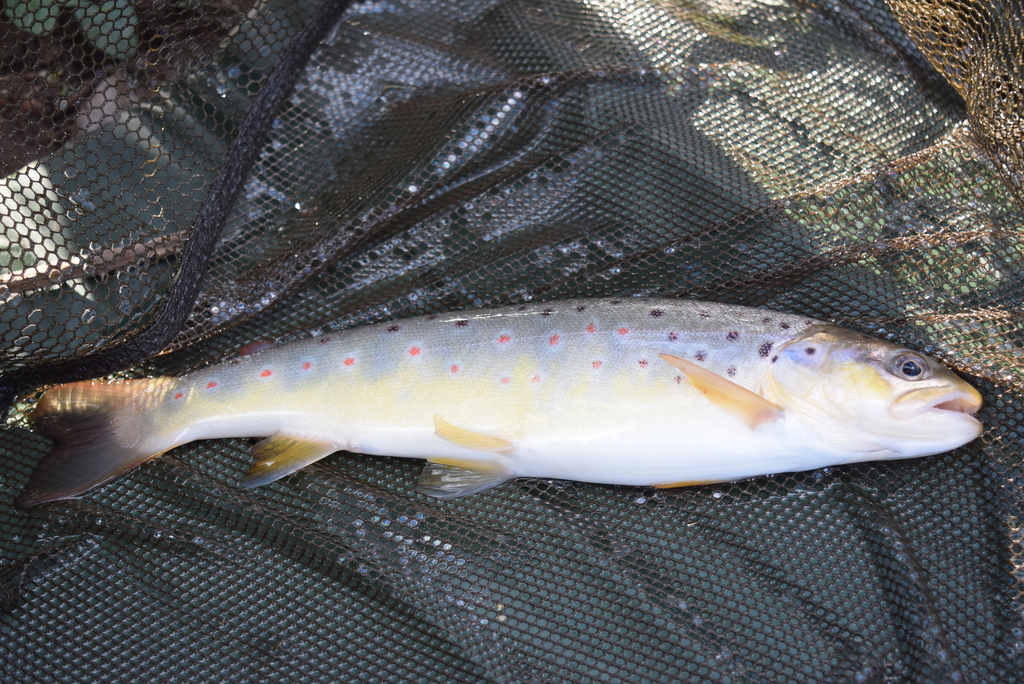
The river features native “redband” trout along with stocked rainbow, brown, and brook trout. While the upper part of the river is known for easy accessibility and large populations of smaller rainbows, the lower part of the river flows through some of the West’s most beautiful, water-carved gorges and has some of the largest brown trout in the country in its deep pools.
Wisconsin has more than 13,000 miles of trout streams, with almost half receiving the highest rankings nationally.
With all these great waters to choose from, the Bois Brule River (or simply Brule) has been one of the top trout fisheries in the country, as generations of anglers have plied its waters in search of migratory trout coming in from its mouth at Lake Superior.
Brook trout are native to the river, but brown trout and rainbows are also starting to emerge, continuing the river’s fishing tradition.
So, whether it’s venturing out to the wilds of the American West or Alaska and standing in the shadow of a snow-capped mountain or fishing in the forests of the Northeast or Midwest, trout fishing offers anglers the ability not just to enjoy the sport, but to experience some of the finest scenery the U.S. has to offer.
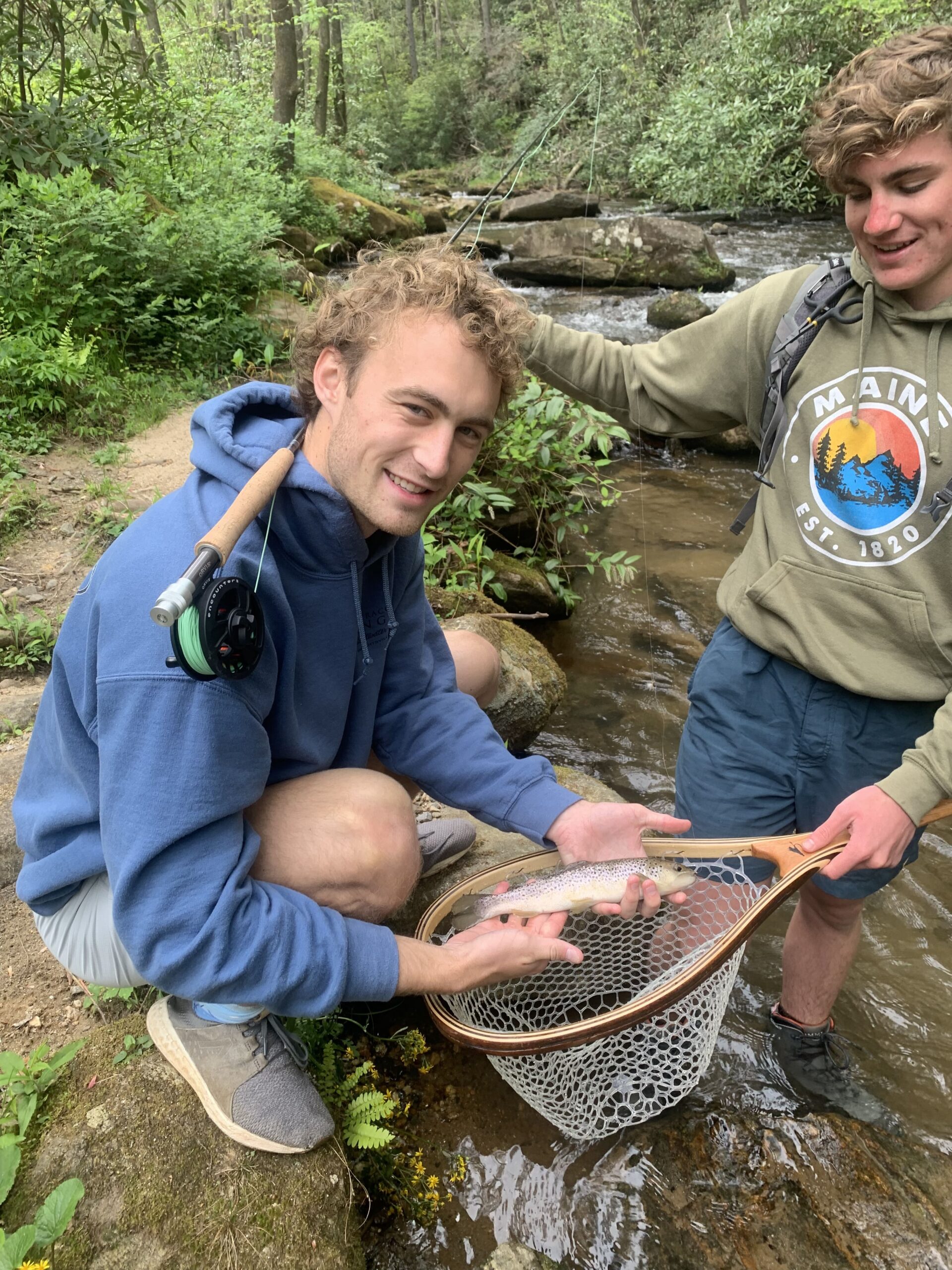
Like I just mentioned in another article, trout fishing has become something I like to do more and more. Especially since our family has been blessed with the opportunity to travel out west the past few years in states like Wyoming, Oregon, Washington, Montana, and others, lots of trout fishing opportunities have been provided. This being said, I was extremely interested to read about the best states for trout fishing in order to compare it to my own experiences as well as learn about where I should go and pursue trout from here on out.
Let’s get straight into the article. Past the brief introduction and overview, the article goes straight into Montana — a state I’ve personally fished for trout in. I even got to fish one of the rivers listed — the Madison River. This was an awesome experience and I vividly remember fly fishing on the river and reeling in some little rainbow trout.
One thing that I would like to point out is how important it can be to pay attention to some of the locations listed in these articles. They give you a great starting point as to where to begin your search for trout. Another thing I almost forgot to mention about Montana is the prices for licenses and the fines that can occur without one are insanely high, but I believe this is totally fair given the health and beauty of the fishery.
Moving on to the next state. While I have not fished Colorado for myself, I have a few friends who have, and they only rave about the fishery for trout there as well. On that same trip I went to Montana, I also got the opportunity to trout fish in Wyoming.
I will say, you have to have some sort of knowledge on where to go in these areas. A lot of the time, you may be able to find some spots on your own, but it’s almost always better to talk to or go with a guide or someone who knows the area through and through. This will greatly increase your catch rates, as they not only can give you locations to try but also different tactics and baits that are working in the region at the time. This is precisely what I did. I found a local fly shop and started asking around. Soon enough, I was directed to the right place and had the opportunity to catch some trout.
Because there are so many states on here, I’m only going to focus on a couple more — one being Oregon. Literally a week ago, I was fishing the Upper Deschutes River there in Oregon. While I didn’t have any luck, I saw other anglers having success with trout and salmon further down the river. This time, I really couldn’t find any locals to help out, making the fishing pretty difficult.
The state I would like to give a shoutout to is my home state: North Carolina. Even from personal experience, I can tell you that our trout fishery is amazing with tons of fishable water. I highly recommend finding your own spots off the beaten path for your best chance of success.
The last thing I would recommend is that you know the local rules and guidelines very well. Oftentimes, trout have a ton of regulations around them, which can include what gear you use as well.
Anyways, I hope you enjoyed reading this article and these comments, and as always, good luck and tight lines!