
Any question about the article?
Please use your work e-mail, so we can connect with you
Rainbow trout are one of the few fish species that can genuinely become a lifetime pursuit. Many anglers start their fishing journey targeting smaller, easier to catch species, but trout have a unique ability to keep drawing people back year after year.
A beginner can catch their first rainbow trout with a simple bait setup, using a lightweight spinning rod, small reel, 8lb line, a small hook, and bait such as worms, PowerBait, sweetcorn, or salmon eggs. However, the same species that provides a beginner with their first memorable catch can also challenge the most experienced anglers, with decades spent refining techniques to pursue wild trout in demanding conditions.
Many anglers quickly progress from the excitement of catching their first trout to becoming fascinated by the finer details of the sport. Reading water, understanding fish behaviour, improving presentation, and learning how to fool increasingly cautious fish become the focus.
Watching a trout rise to take a fly is a beautiful experience and one that is difficult to compare with other forms of fishing. While some anglers are focused on catching the biggest or hardest fighting fish possible, trout fishing is often about the entire experience. It is about the pursuit of the catch, the places it takes you, the beauty of the surroundings, the way your fly moves through the water, the retrieval pattern, and knowing exactly when to pause and strike.
Trout fishing has endless intricacies, and there is always something new to learn. The challenge is not simply finding a fish, but presenting something naturally enough that it commits to a strike.
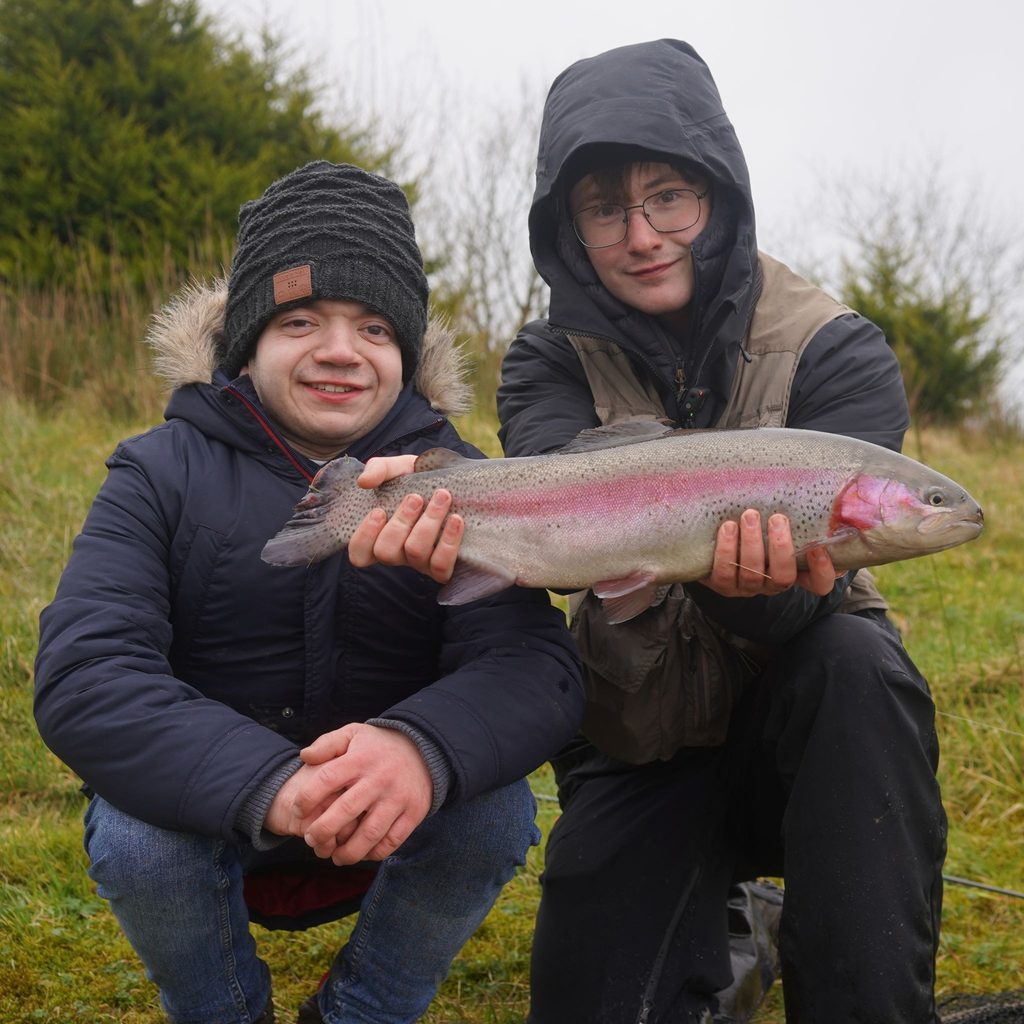
That feeling of a hard earned fish is why I, Daniel O’Neill, have spent over 15 years pursuing trout. My very first catch was a two pound rainbow trout. Since then, I have gone on to help anglers land rainbow trout up to 20 pounds using fly fishing, bait, and lures. Throughout my fishing journey, I have also caught blue trout, tiger trout, brown trout and sea trout.
In this article, we dive into one of the world’s most widely available and sought after freshwater species, the rainbow trout. We will look at what makes these fish so fascinating, how their behaviour changes across different environments, and why they continue to challenge and inspire anglers of all experience levels.
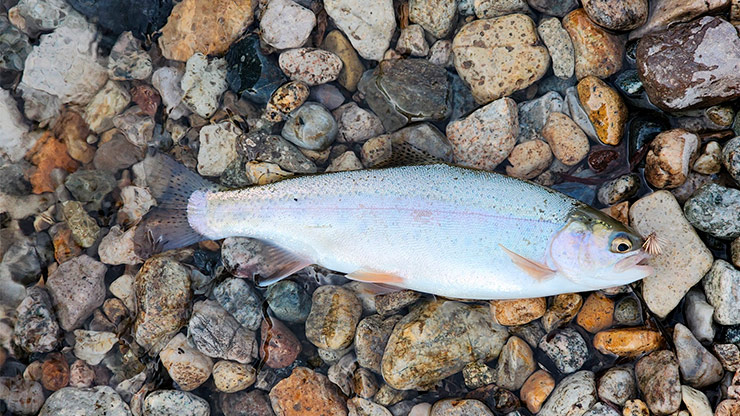
Rainbow trout are native to the Pacific Ocean region, with origins across Russia, Asia, and North America. Today, they are widely spread across multiple continents and have become one of the most popular freshwater species targeted by anglers around the world.
However, despite their popularity, rainbow trout are often misunderstood because many people assume all trout behave in the same way. This is not the case.
For example, stocked rainbow trout can often be extremely aggressive and less cautious when they are first introduced into a water system. They may readily take flies, lures, or bait as they have had limited exposure to anglers. However, after being caught once or twice, their behaviour can change dramatically. They become far more cautious, more easily spooked, and much harder to fool.
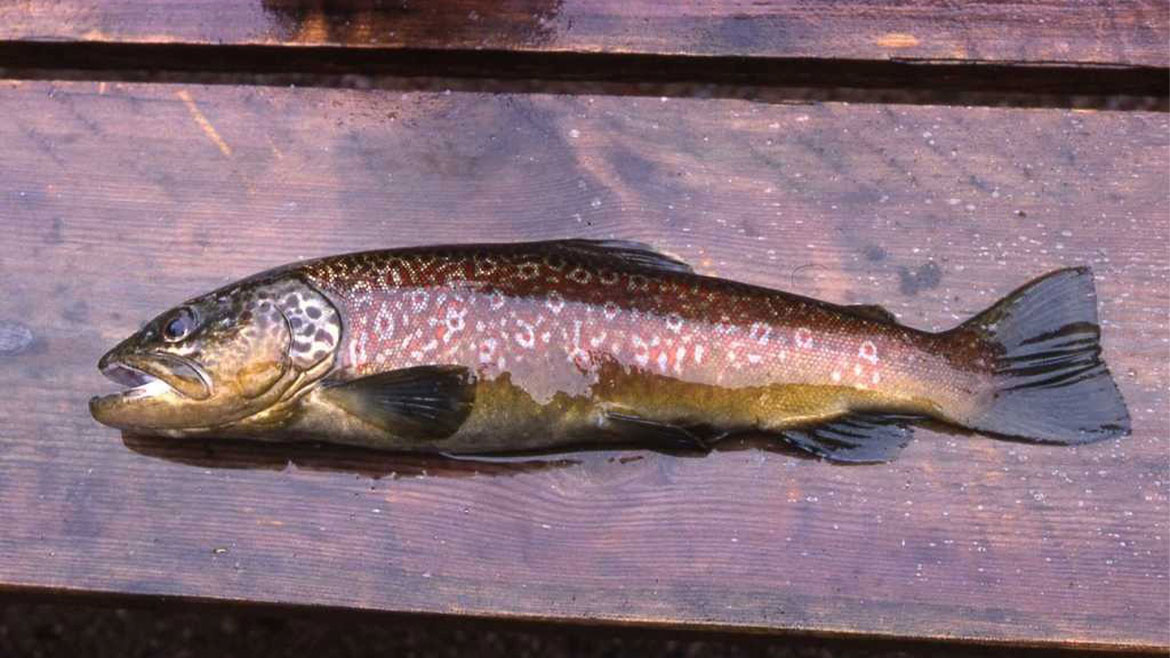
Wild rainbow trout behave very differently. They are often more selective and react heavily to factors such as water clarity, angler pressure, and food availability.
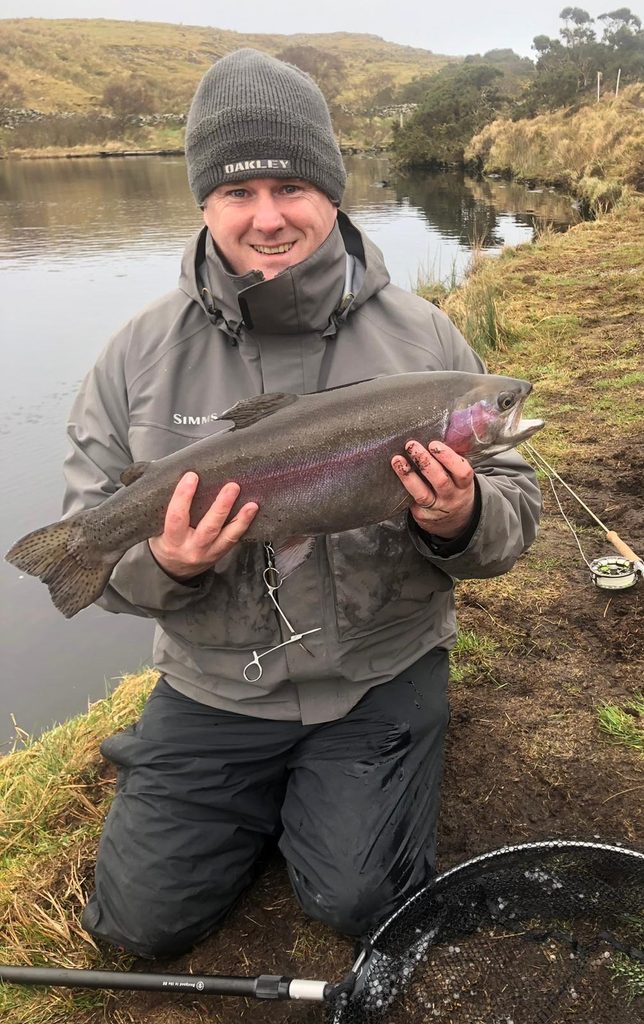
This difference becomes especially noticeable when casting. An angler approaching a stocked lake may be able to cast several times over an area before their fly or lure reaches the desired presentation without significantly affecting the fishing. While it is still best practice to avoid unnecessary disturbance, stocked fish are generally more tolerant of repeated casts.
On a natural river, creek, or stream, the situation is completely different. Casting repeatedly over the same pool can quickly spook the fish holding there. Wild trout are constantly aware of their surroundings and will often recognise when something does not look natural. A poor presentation or repeated disturbance can cause them to stop feeding and become extremely difficult to catch.
Rainbow Trout are highly influenced by changes in water temperature, weather conditions, and their surrounding environment. Like many trout species, they prefer cold, clear water with stable oxygen levels. Lakes, streams, and rivers where temperatures remain below 70 degrees Fahrenheit provide ideal conditions, although they can remain comfortable even when temperatures drop below 60 or 50 degrees.
Weather changes can drastically affect how Rainbow Trout behave and respond to feeding opportunities. Stable conditions often create predictable feeding patterns, allowing anglers to understand where fish are likely to be and how they will feed. However, sudden changes such as pressure drops, storms, cold fronts, or heavy rainfall can quickly change their behaviour.
Rainfall is a good example of how rapidly conditions can shift. A sudden increase in water levels can temporarily make Rainbow Trout less willing to feed as visibility, current speed, and water conditions change. However, once the rain passes, trout can often become much more active. Increased water flow can wash insects into the river, introduce new food sources, change temperatures, and encourage fish to feed more aggressively.
Like most fish, Rainbow Trout require a reliable food source to thrive. Their diet includes insects, bugs, crayfish, minnows, and in some areas, salmon eggs when they compete alongside spawning salmon populations. The availability of these food sources plays a major role in where trout hold and how they feed.
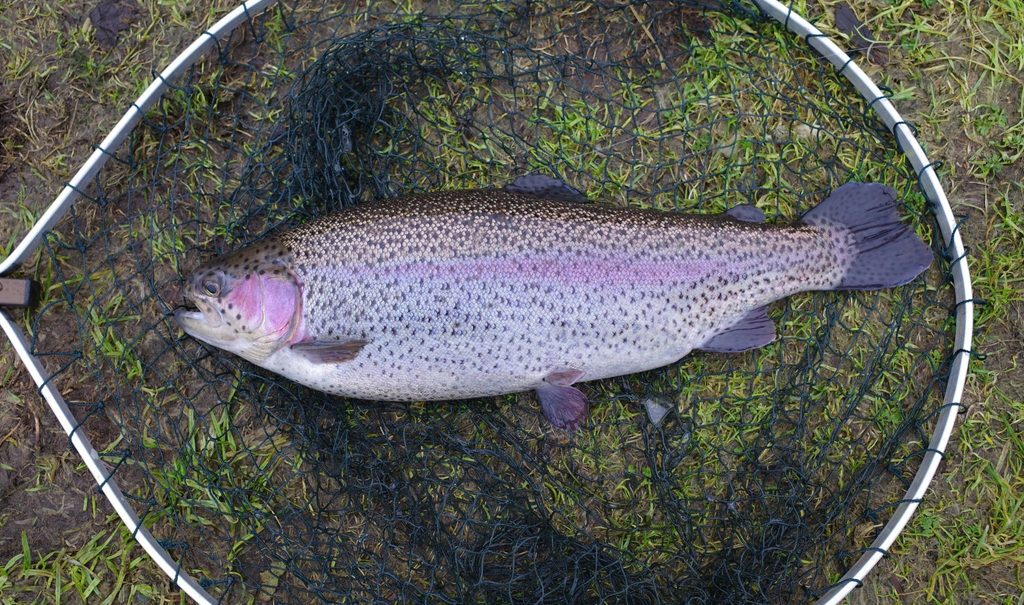
One of the most exciting examples of this is during warm summer evenings. As temperatures begin to drop and the sun sets, Rainbow Trout may rise towards the surface to feed on emerging insects. Anglers may notice ripples appearing across the water as trout break the surface and take dry flies. This is one of the most rewarding forms of Rainbow Trout fishing because success depends heavily on presentation, timing, and understanding exactly when the fish are willing to commit.
Bright sunny days can also have a significant effect on Rainbow Trout behaviour. Strong light conditions can make fish more cautious and cause them to move deeper into the water where they feel safer. For anglers fishing with a static method such as a bung, this can mean adjusting the depth significantly to reach where fish are holding.
Overcast conditions often provide better opportunities because Rainbow Trout are generally more confident when they are less exposed. In clear water, stealth becomes extremely important. A longer leader combined with smaller flies can make the difference because trout are able to inspect presentations closely and quickly identify unnatural movement.
In coloured or higher water, trout rely less on sight and more on movement, smell and vibration to locate food. This means larger flies, brighter colours, and stronger presentations can become much more effective because they help fish identify potential food sources in reduced visibility.
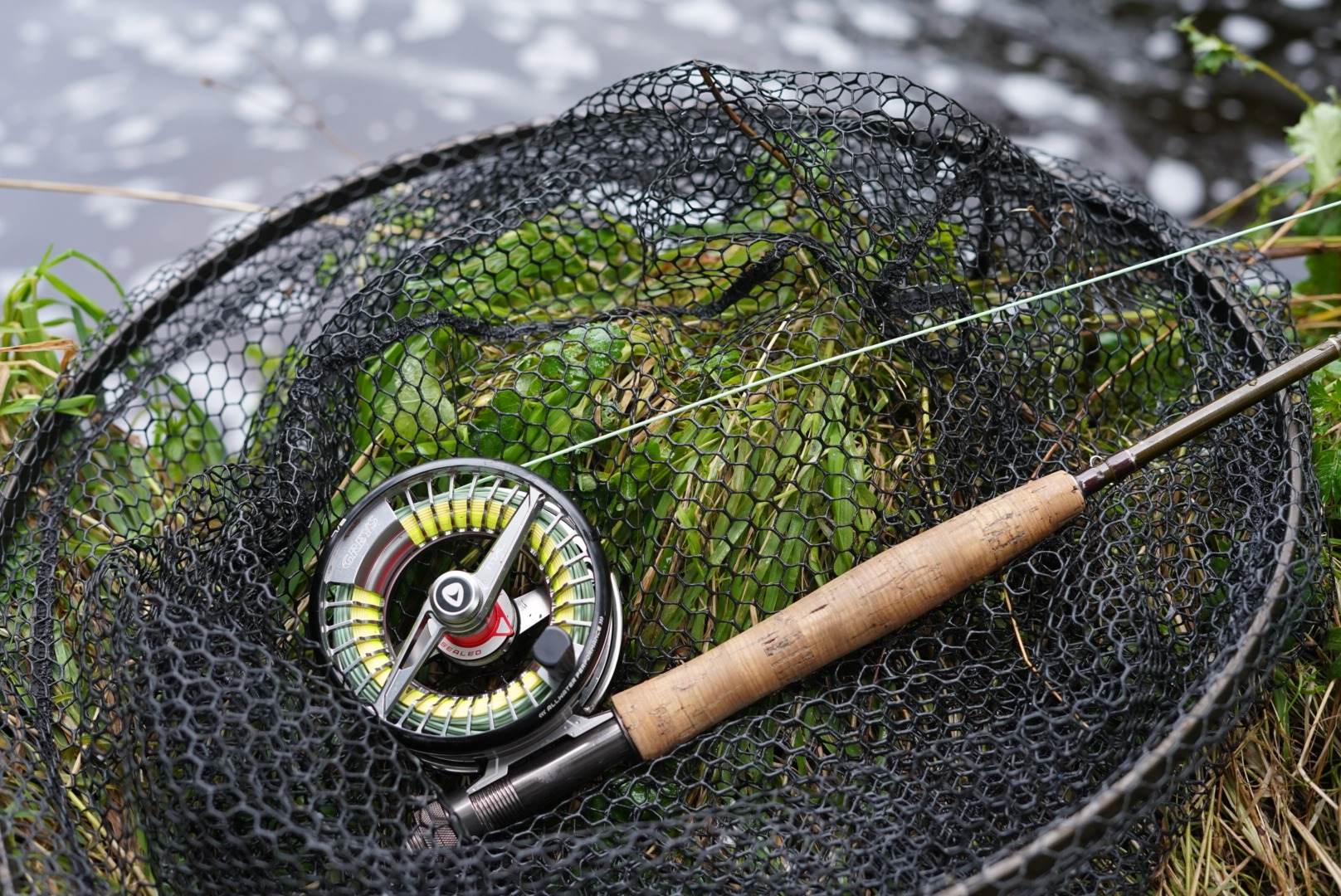
Building your setup starts with understanding how you actually want to fish. There isn’t one perfect Rainbow Trout outfit because your gear should reflect the size of the river, the average size of the fish, and the method you’re using. A small mountain stream requires a very different setup to a large reservoir, and a fly angler has completely different requirements to someone fishing with bait or lures.
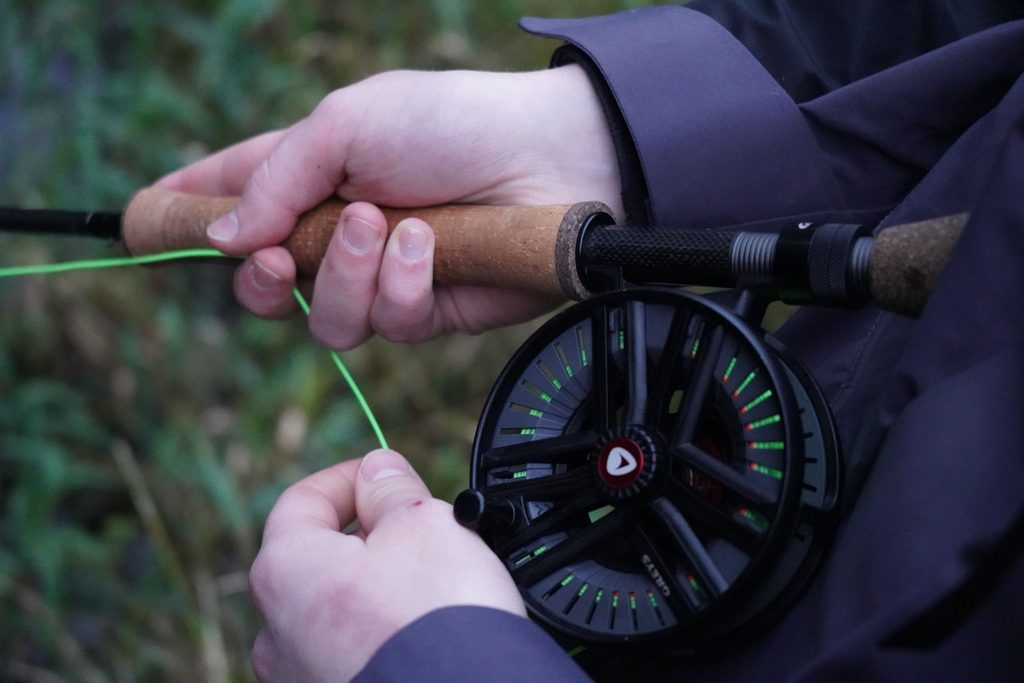
When choosing a rod, it’s important to find a balance between enjoyment and fish care. A lighter setup makes even modest Rainbow Trout feel incredibly powerful and adds to the experience, but your tackle still needs enough backbone to control larger fish when they surprise you. Playing a trout for too long can leave it exhausted, particularly during warmer conditions, reducing its chances of survival after release. Your gear should allow you to enjoy the fight while still landing fish efficiently and responsibly.
Many anglers also overlook some of the smaller pieces of equipment that often make a bigger difference than upgrading their rod or reel. A quality leader improves presentation and can be the difference between a cautious trout committing to the take. Investing in strong, reliable hooks is equally important. Losing a memorable fish because a cheap hook bends or fails under pressure is a mistake most anglers only make once.
One item I would consider essential is a good pair of polarized sunglasses. Besides reducing glare and helping protect your eyes while casting, they allow you to see beneath the water’s surface. Spotting trout holding beside rocks, under cut banks, or in deeper pools dramatically improves your ability to place an accurate cast instead of fishing blind.
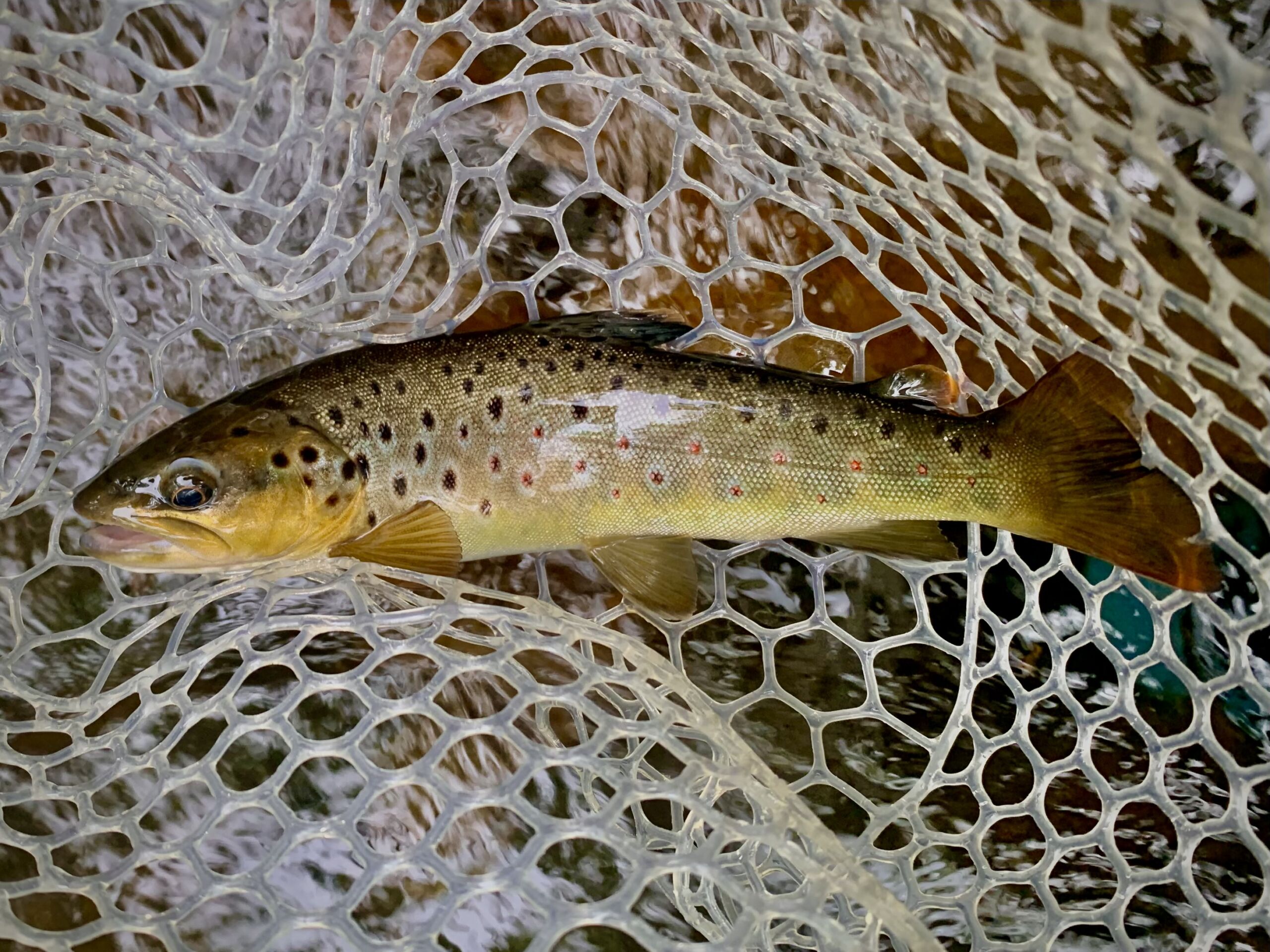
If you practise catch and release, a rubberized landing net is another worthwhile investment. Traditional knotless mesh is far kinder to trout than older coarse nylon nets because it removes less of the fish’s protective slime coat. That slime layer acts as the trout’s first line of defence against fungal infections, bacterial infections, and parasites. Preserving it gives released fish a much better chance of making a full recovery.
There are several techniques that consistently produce Rainbow Trout. Each has its place depending on the conditions, but success almost always comes down to presentation rather than simply choosing the right bait or lure.
Bait fishing is one of the most common ways people get into trout fishing, and it’s still one of the most effective. Presentation often matters more than the bait itself. Minimising resistance and allowing the bait to move naturally will generally produce more bites than a heavy, static setup.
Experimenting with different depths instead of leaving one rod untouched can make a significant difference. For example, suspending worms beneath a float can often outfish fishing them directly on the bottom. Learning to recognise subtle bites is equally important, as Rainbow Trout don’t always take a bait aggressively. Sometimes a slight tap or gentle bounce of the rod tip is all you’ll see before it’s time to strike.
On lakes, it’s often worth fishing with the wind rather than against it, as the wind pushes natural food into one area and encourages trout to follow. Avoid using excessive weight, too. A light lead is usually all that’s needed for most trout waters. Finally, pay attention to line management, keeping excess slack out of the water so you’re ready to set the hook as soon as a fish takes the bait.
Trolling is one of the best ways to locate scattered Rainbow Trout, especially on larger lakes and reservoirs where fish are constantly on the move. The priority is finding the correct depth before worrying too much about lure selection.
Many anglers use sonar or fish finders to identify suspended fish and adjust their presentation accordingly. Rather than trolling at a constant speed, vary your pace throughout the day and use wide S-turns to change the action of your lure. Working contour lines, drop-offs and other underwater features is generally far more productive than trolling across featureless open water.
Once you locate fish, you can slow down and work the area more thoroughly, rather than continuing to cover water unnecessarily.
Spinning is another highly effective technique, allowing anglers to cover plenty of water while actively searching for feeding trout. Instead of repeatedly casting into open water, focus on structure such as weed beds, fallen trees and drop-offs where Rainbow Trout naturally patrol.
Retrieve variation is often the difference between catching fish and being ignored. Mix up steady retrieves with stop-start retrieves, occasional twitches and longer pauses to imitate an injured baitfish.
It’s also important to think about the depth you’re fishing. While trout often feed through the middle of the water column, they may drop deeper during warmer weather, holding close to weed beds or cooler water. Although trout can still be caught on lures during hot conditions, bait fishing often becomes the more productive option as fish become less willing to chase.
Fly fishing is widely regarded as one of the most technical ways to target Rainbow Trout. Many anglers focus on matching the hatch by selecting flies that imitate the insects trout are feeding on. While this certainly helps, matching the trout’s feeding behaviour is often even more important.
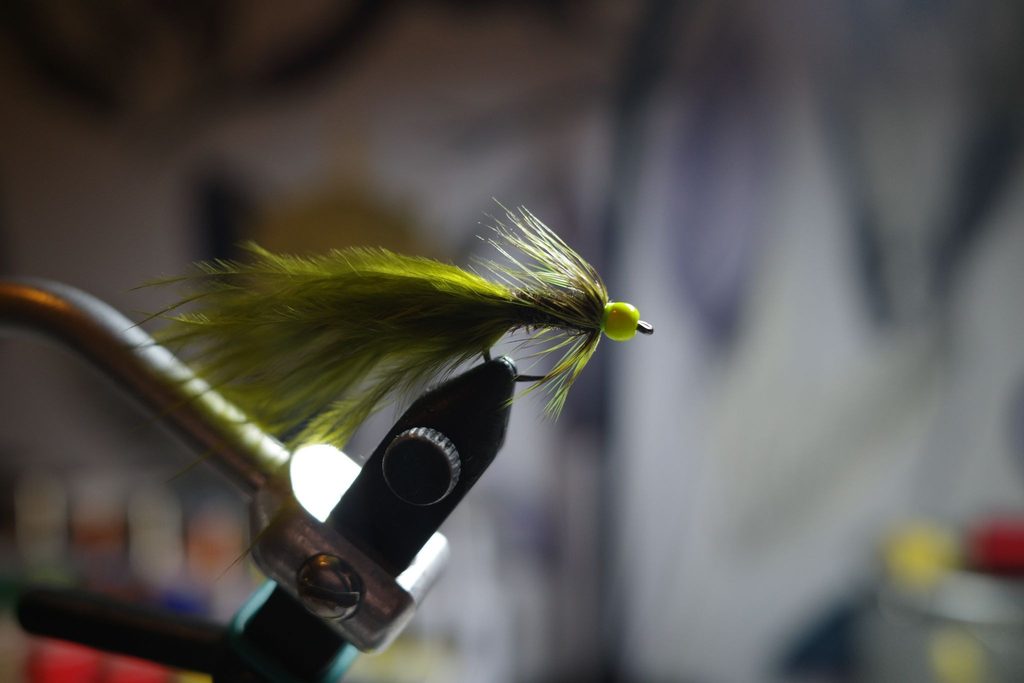
If trout are consistently rising, a dry fly is the obvious choice. If they’re feeding beneath the surface in clear water, a small nymph is usually more effective. When trout are actively chasing baitfish, switching to a larger streamer can trigger aggressive takes.
Presentation remains everything. Achieving a drag-free drift and learning to mend your line properly will often have a greater impact than changing fly patterns repeatedly.
Within fly fishing, two important techniques are drift fishing and sight fishing. Drift fishing relies on using the current to present the fly naturally while controlling drift speed and mending the line to maintain a drag-free presentation. Sight fishing involves spotting trout before making a cast, usually with the help of polarised sunglasses, then carefully placing your first cast in the fish’s feeding lane without spooking it.
The anglers who consistently catch Rainbow Trout are usually those making small adjustments throughout the day. Fishing slower than you think you need to, changing depth before changing lures, varying your retrieve speed and knowing when to cover water versus thoroughly working a productive area will all catch more fish over time. Equally important is recognising the difference between trout that are actively feeding and trout that are simply holding in the water, as each requires a different approach.
Rainbow Trout are opportunistic feeders, but they can become highly selective depending on the conditions. The best bait often comes down to the natural food available, water clarity and the amount of fishing pressure. It’s also worth remembering that not every bait is legal on every fishery, so always check the local regulations before fishing.
Scented dough baits, such as PowerBait, excel on stocked fisheries. Their buoyancy keeps the bait sitting just above the lakebed rather than disappearing into silt or weed, making it much easier for trout to find.
Colour can make a difference depending on the conditions. Bright colours such as fluorescent pink, orange and red are popular for attracting attention, while more natural shades can be effective when fish are under pressure. At times, a brightly coloured bait can even trigger an aggressive reaction strike rather than a feeding response.
One of the most common mistakes is simply using too much bait. Use only enough to cover the shank of the hook, leaving the hook point slightly exposed to improve hook ups. Likewise, avoid letting the bait sit hard on the bottom. It should float just above the lakebed where it’s clearly visible to passing trout.
Worms remain one of the most reliable trout baits and continue to catch fish almost everywhere they’re permitted. They can be suspended beneath a float, fished directly on the bottom or drifted naturally through rivers and streams.
One simple trick is to inject a small amount of air into the worm using a fine syringe. This increases its buoyancy, allowing it to float more naturally above the bottom where trout are more likely to spot it.
Where permitted, live or dead minnows can be extremely effective for targeting larger, predatory Rainbow Trout that have switched to feeding on baitfish.
Hook placement is important. A live minnow is commonly hooked lightly through the upper lip or both lips when fishing in still water, allowing it to swim naturally for longer. When drifting with the current, many anglers hook the bait just behind the dorsal fin, taking care not to damage the spine so it continues to swim naturally. Dead minnows are often hooked through both lips or through the tail, depending on the presentation.
This technique is generally reserved for larger waters where trophy sized trout are present.
Salmon eggs can be exceptionally productive wherever trout regularly feed behind spawning salmon. They can be fished beneath a float or drifted naturally through current seams to imitate loose eggs carried downstream.
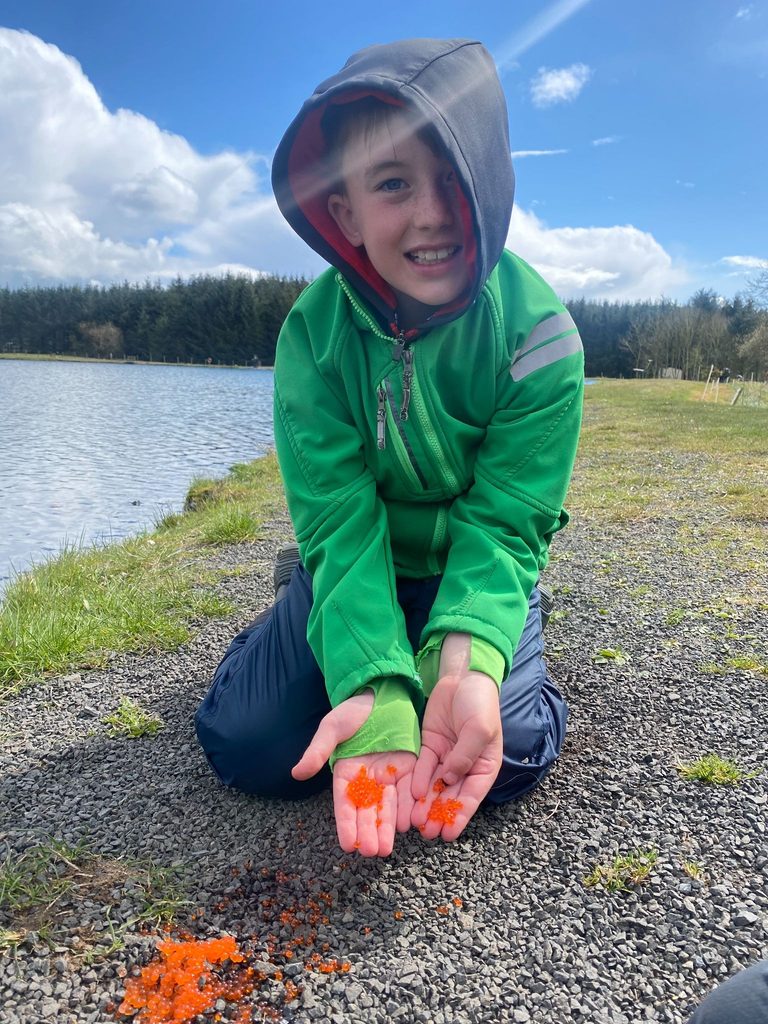
Trout eggs can also be highly effective, while imitation egg flies are a staple among fly anglers fishing during spawning periods. In the right conditions, introducing a small amount of loose eggs as free offerings, where regulations allow, can encourage trout to feed confidently.
Matching the trout’s natural food source is often one of the most consistent approaches. Nymphs, grubs, waxworms, mealworms and maggots are all effective, inexpensive baits that closely resemble what Rainbow Trout feed on naturally throughout the year.
Sweetcorn and other floating baits continue to catch Rainbow Trout on many fisheries, particularly when paired with a light running rig that allows the bait to move naturally.
However, these baits aren’t permitted everywhere and some fisheries prohibit them altogether. Always check the rules before using them.
As fishing pressure increases, downsizing your bait and presenting it as naturally as possible often becomes more important than changing bait entirely. Some of the largest Rainbow Trout I’ve caught have come on flies measuring only a couple of millimetres across. It’s a good reminder that trophy trout don’t always require large baits. With a sharp, high quality hook and the right presentation, even the smallest offering can tempt a double figure fish.
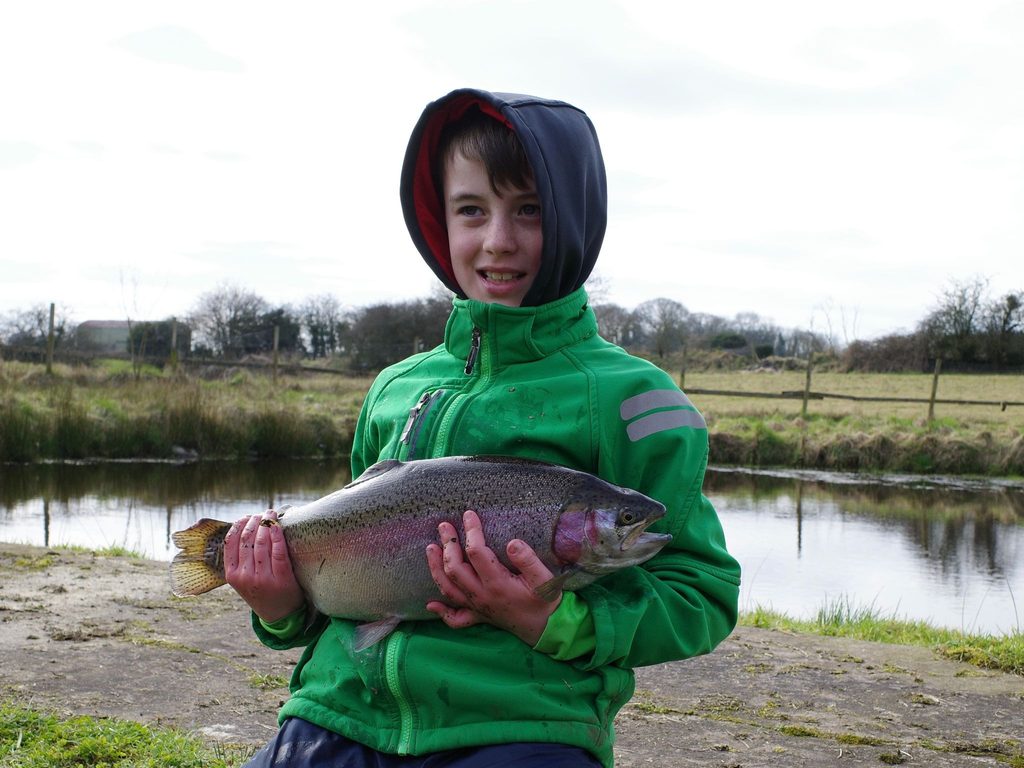
Below are some quick Trout fishing trips that could turn your next Rainbow Trout fishing trip from a miserable failure to a massive success:
One of the biggest advantages you have when targeting Rainbow Trout is that you really can fish for them year-round, depending on the local regulations. Sure, some seasons and times are better than others, but from winter to summer, there’s a Trout waiting for you in your local river, stream, lake, or reservoir.
A limiting factor for some waterways is hatchery stocking. Many closed waterways, such as dams, reservoirs, and lakes, are stocked with hatchery fish. Because many waterways don’t allow Trout to breed naturally, and state agencies don’t want Trout to breed and spread, fish are stocked. This means that there are times when the fishery is closed for restocking or fish stocks are low, which makes catching them more difficult.
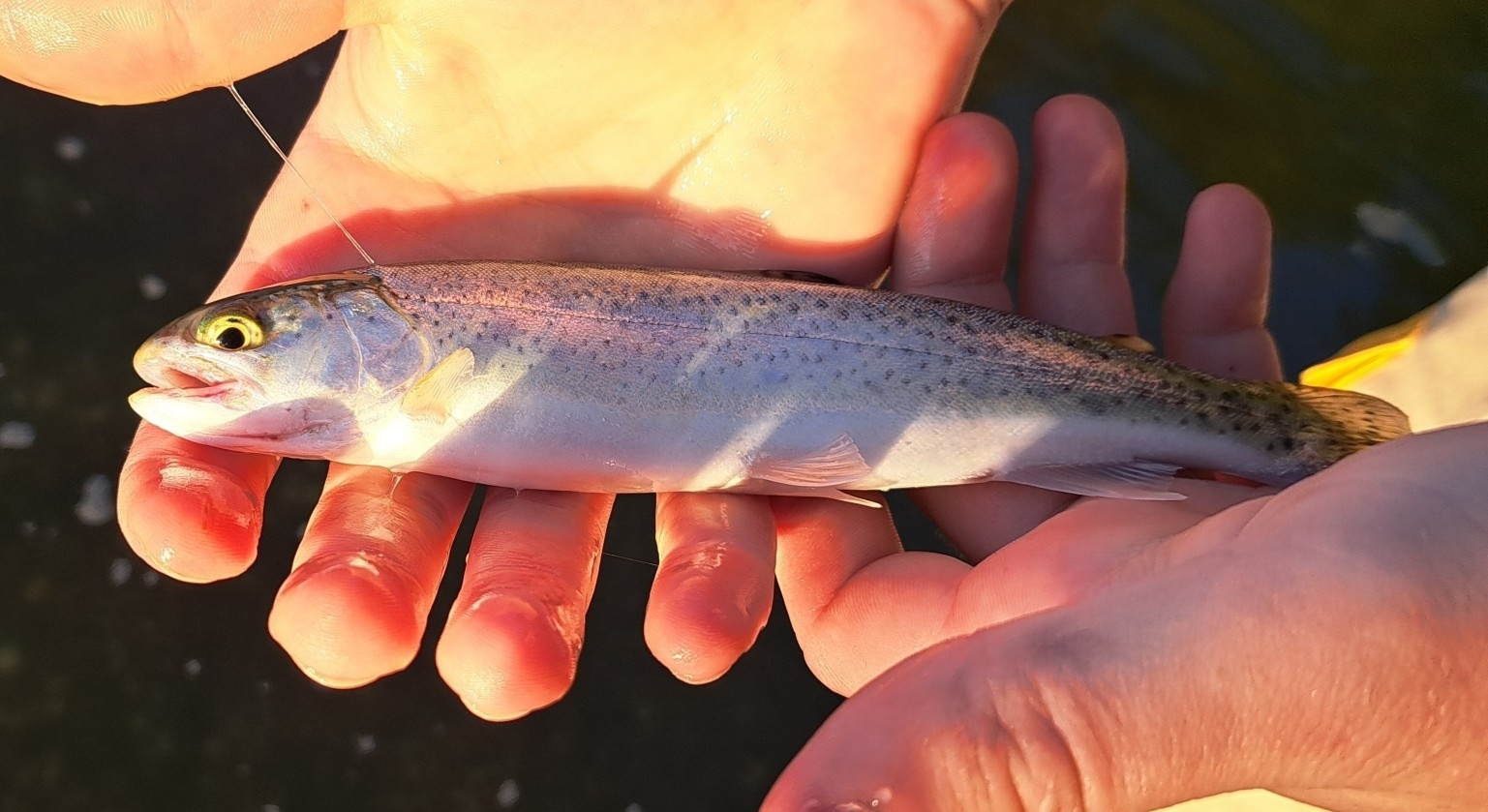
When you fish, it really comes down to when the Trout season in your local area is open and your own personal preferences. For example, if you love ice fishing, there’s nothing stopping you from going out in the middle of winter and fishing through the ice for Rainbow Trout. Likewise, if you love bait fishing in the sunshine, you can head out on a warm day and relax on the bank with a good book while you wait.
Most experienced Trout anglers you talk with will agree that fall to winter is the best time to catch Trout as they prefer cooler, more consistent temperatures.
Lake turnover also plays a significant role in when the fish will bite if you’re exclusively fishing for Rainbow Trout in a lake. Lakes typically turn over twice a year, and water from the bottom is swapped with water from the top. As Rainbow Trout spend almost 90% of their time at the bottom, they’ll be less active until the oxygen levels return to normal.
Below are some common Trout fishing mistakes to avoid if you want to increase your chances of catching Rainbow Trout:
Read also: Do You Need a Fishing License? A Comprehensive Guide
Now that you know more about understanding Rainbow Trout, the fishing gear you’ll need, best fishing techniques, baits, and lures, along with seasonal tips and tricks for landing monster Rainbow Trout, you’ll be in a much better position to head out to your local lake, river, or stream and chase these beautiful looking fish.
Before you hit the water looking for Rainbow Trout, it’s essential that you check in with your local fish and wildlife department to ensure that you have the correct fishing license and permit for Trout fishing. By following fishing regulations, including size limits, bag limits, and season limits, along with only taking the fish we intend to keep, we can all ensure that future generations get to enjoy the same, if not better, Trout fishing opportunities for many years to come.