
Any question about the article?
Please use your work e-mail, so we can connect with you
While trout are one of the most popular sport fish in America, they can also be some of the trickiest to catch when the correct techniques and lures are not used. Varying water clarity, temperatures, and the type of water body all impact what trout will eat and how it should be fished. In this article, I will be focusing on the best lures, both for spinning gear and flies, to help trout anglers catch more trout more often.
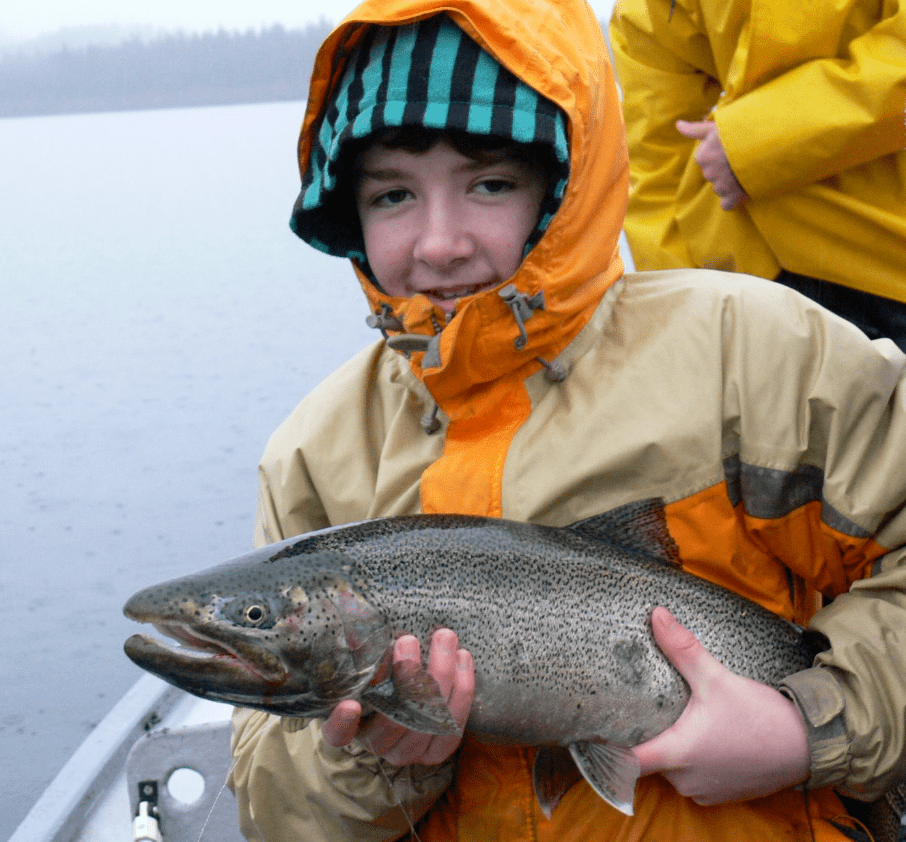
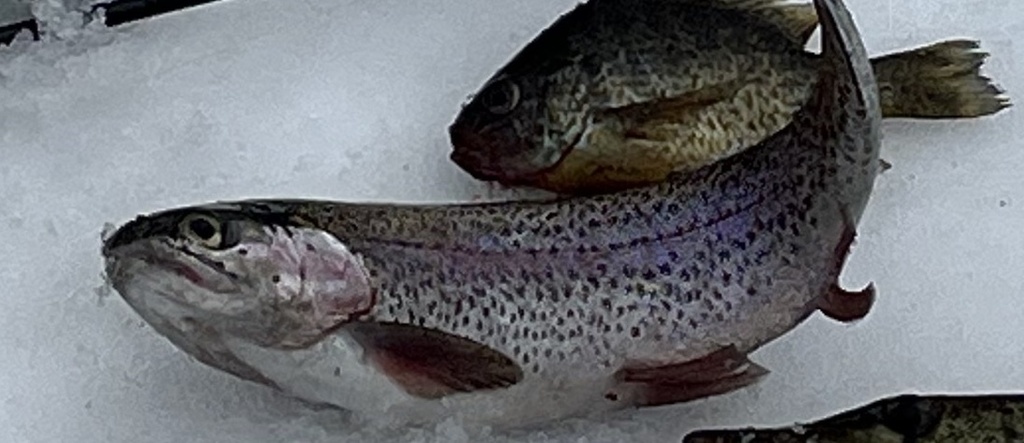
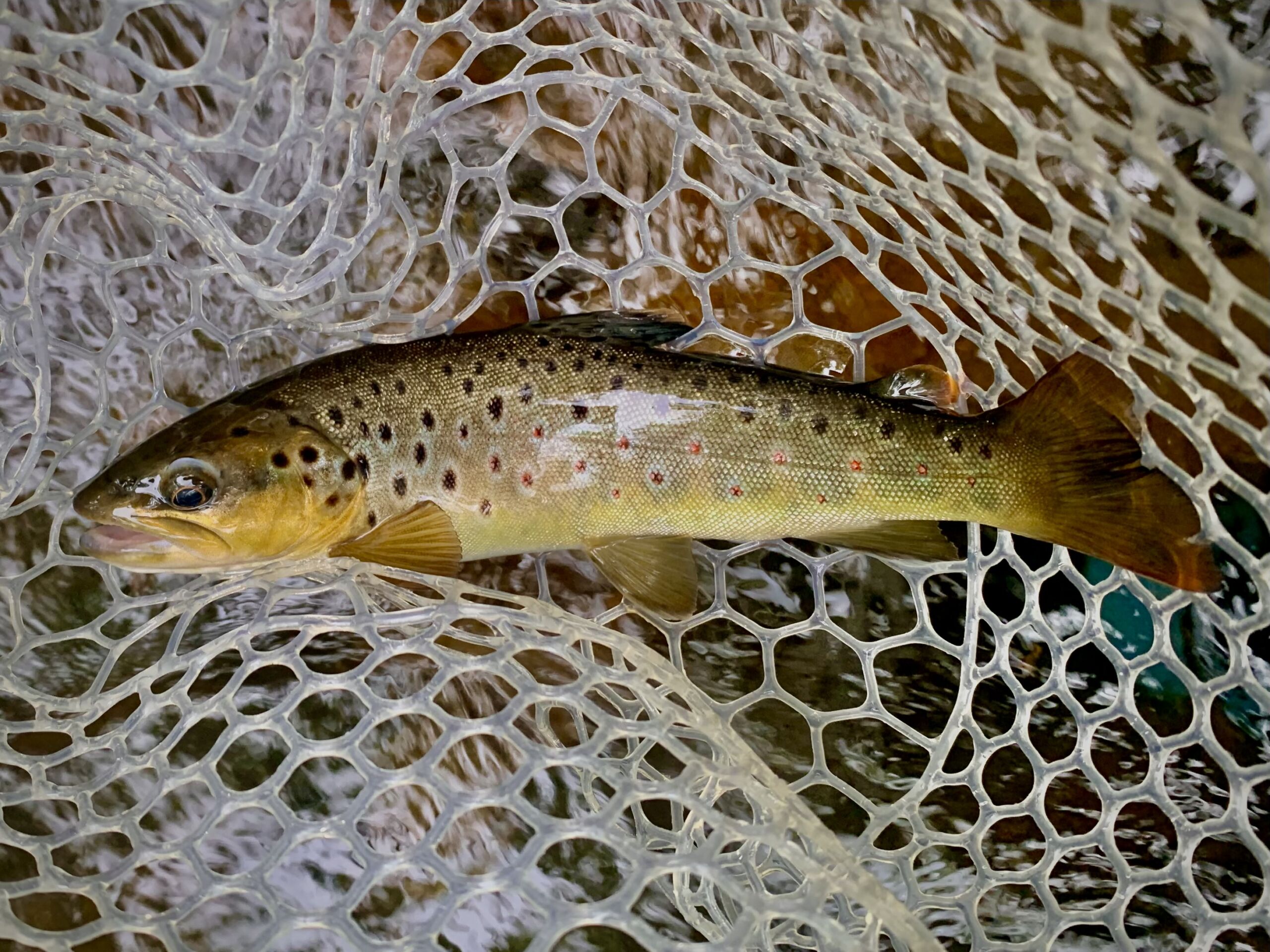
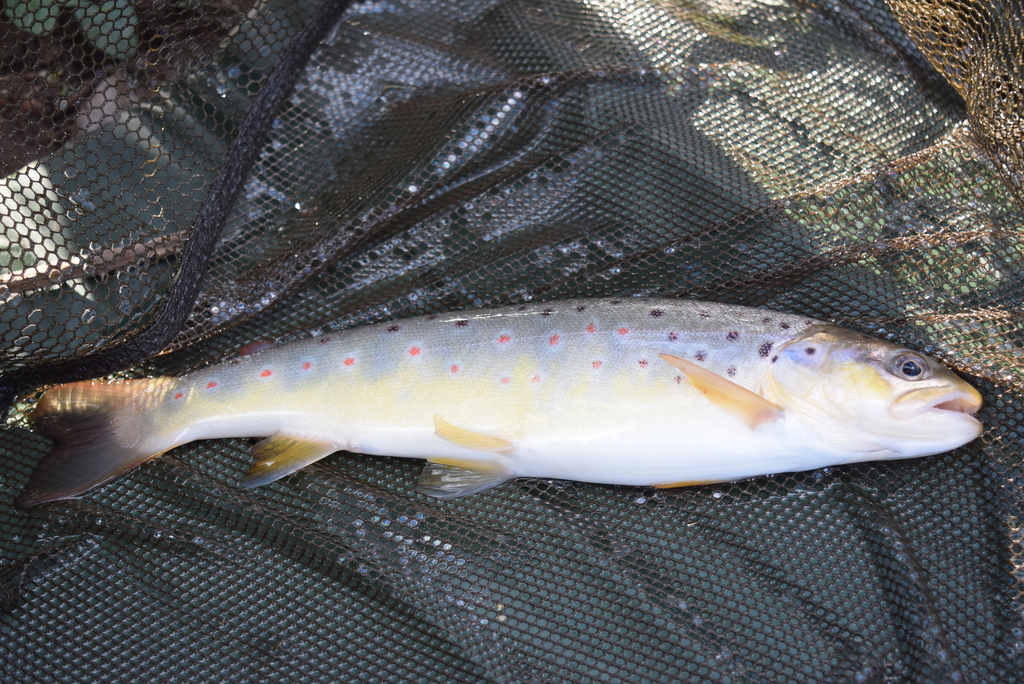
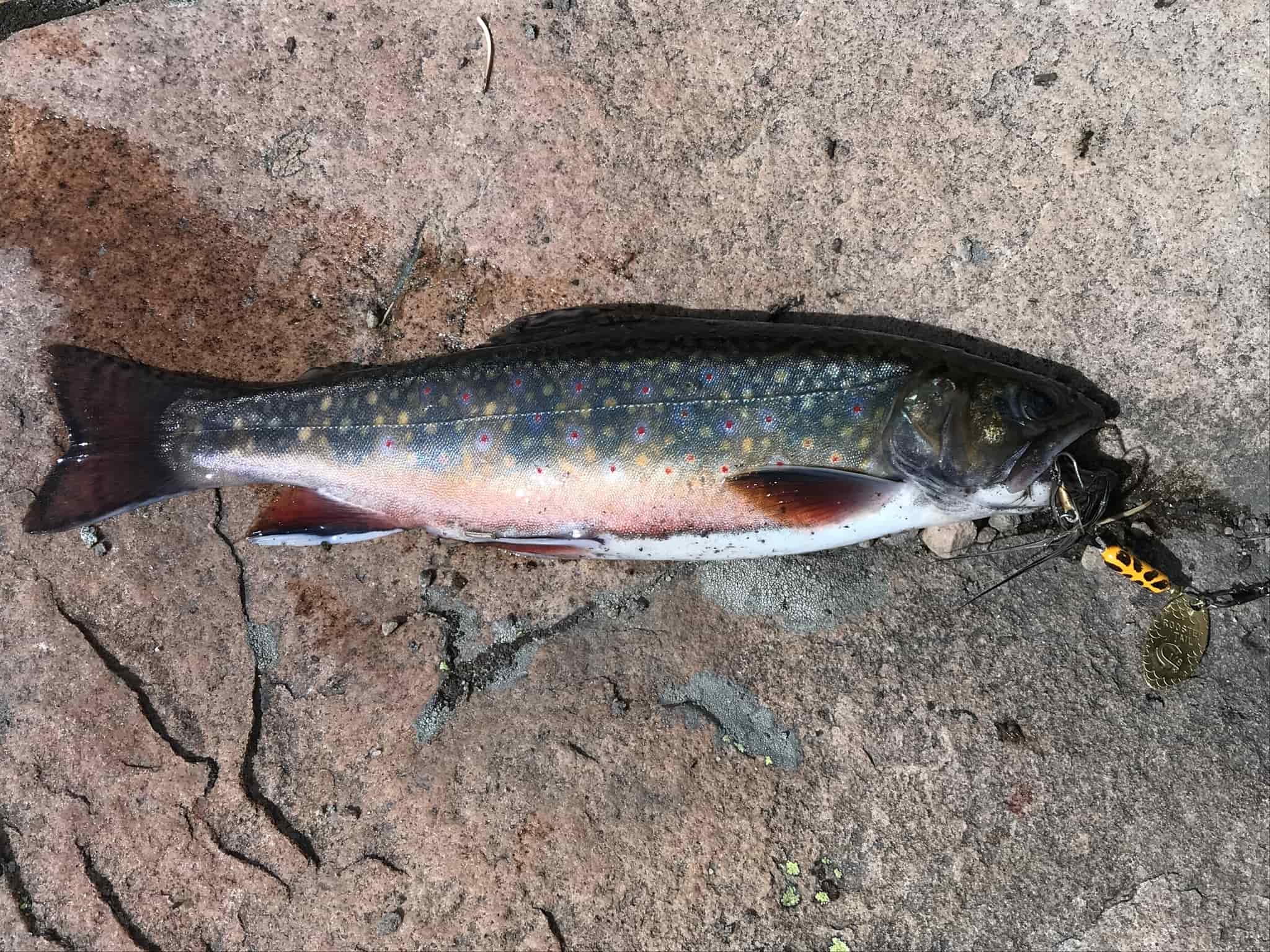
Depending on the area of the US you are fishing, the species of trout will differ slightly. East of the Mississippi provides the opportunity to target brown, brook, and rainbow trout, though brook trout are the only species that are native to the East Coast.
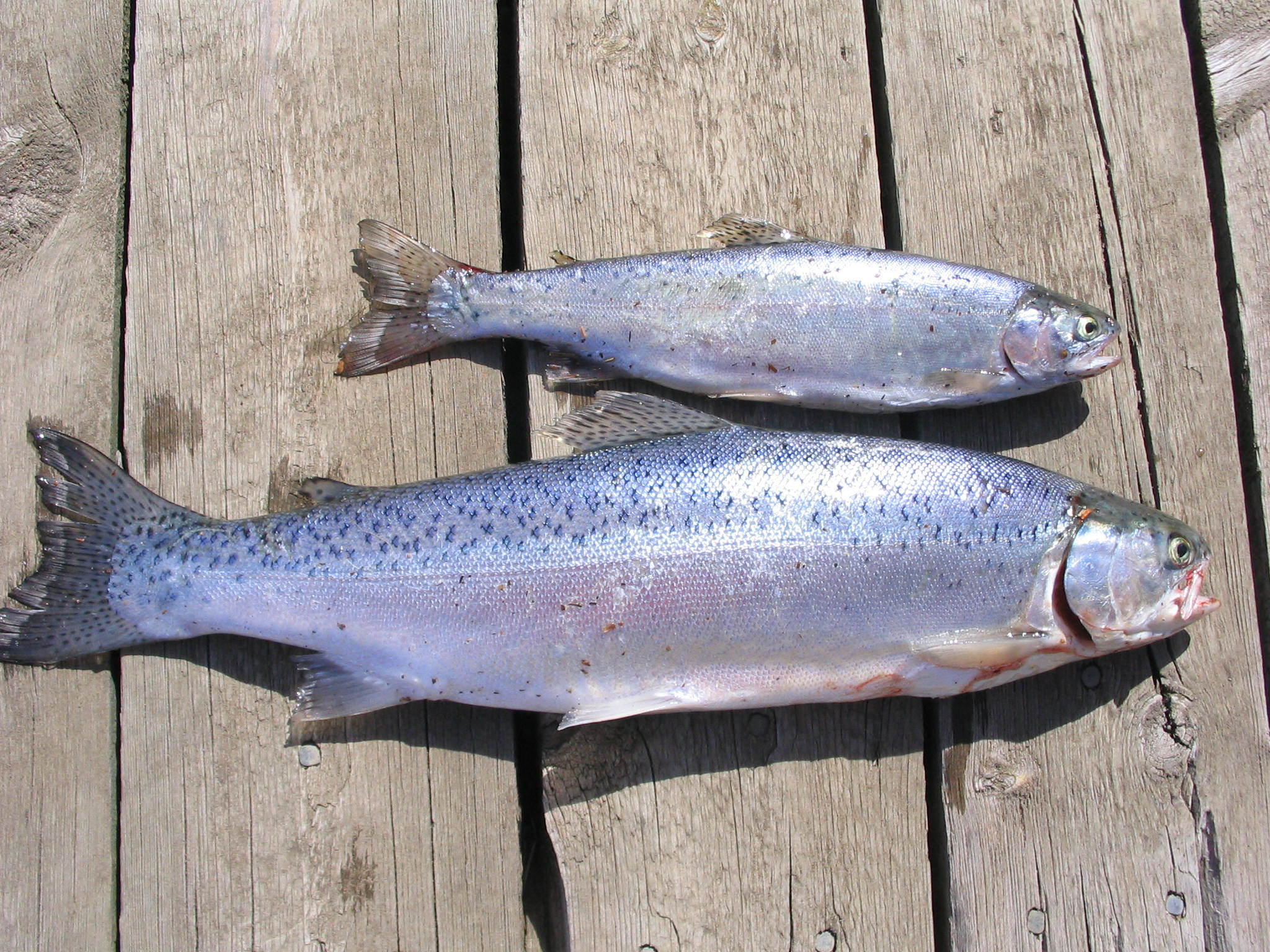
As you move west toward the Rockies, these three species are still prevalent but are not native, and the cutthroat trout becomes the token species. All trout species are exceptionally beautiful, but their size does vary based on species.
Brown trout are typically the largest and most ferocious of the common trout species. Rainbows and cutthroats are typically similar in demeanor and appearance, though this can change as the body of water does. Brook trout are by far the smallest trout species on average, mostly due to their native habitats being more heavily impacted and invasive trout species like browns and rainbows taking over.
Read also: How to Catch Trout: Tips and Techniques for Successful Trout Fishing
All four of these main trout species present their own unique challenge and keep the trout fishing world interesting. For example, brown trout tend to be aggressive compared to other trout species, so using larger baitfish imitators like inline spinners or articulated streamers for the fly fishermen out there can be more effective than using smaller flies or lures you may use to target other species. Brook trout tend to readily feed on large insects that have fallen into the water, so fly fishing a big dry fly can be advantageous, though they will still bite on smaller baitfish patterns. Rainbow trout will typically hit smaller baitfish patterns with lots of flash, but if that doesn’t work, it might be necessary to downsize the lure or fly and use a more drift-style approach. Cutthroats vary wildly in their aggressiveness and pickiness. In the smaller ‘blue-line’ streams, cutthroats tend to be quite aggressive, taking large dry flies and mid-size baitfish artificials. In larger water bodies, typically those with more fishing pressure, cutthroat can be extremely picky. They will hit a small jerk bait or inline spinner, but I have had the most success with a fly rod and small ‘buggy’ flies.
Mastering the right lures and techniques can greatly enhance your trout fishing experience. With the Fishbox app, you can boost your chances even further by receiving real-time weather updates and in-depth forecasts, allowing you to plan your fishing trips with precision.
Spinning gear is quite common for trout fishing, and there are a variety of options, colors, and styles of artificial lures for trout. When spin fishing, you are typically trying to imitate baitfish or small trout that the trout may be feeding on. Below is a list of some of my favorite good lures for trout to use when I’m spin fishing for trout.
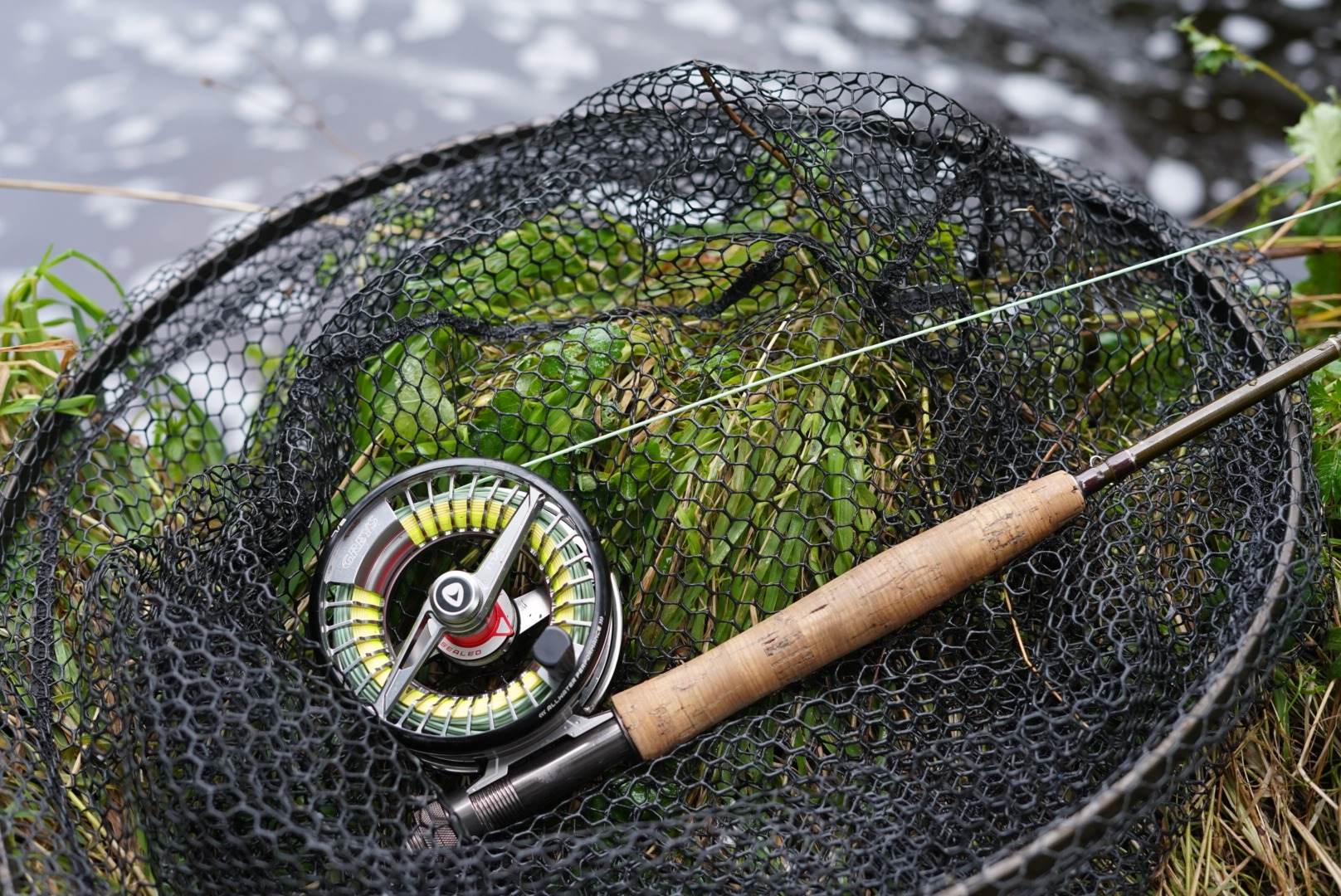
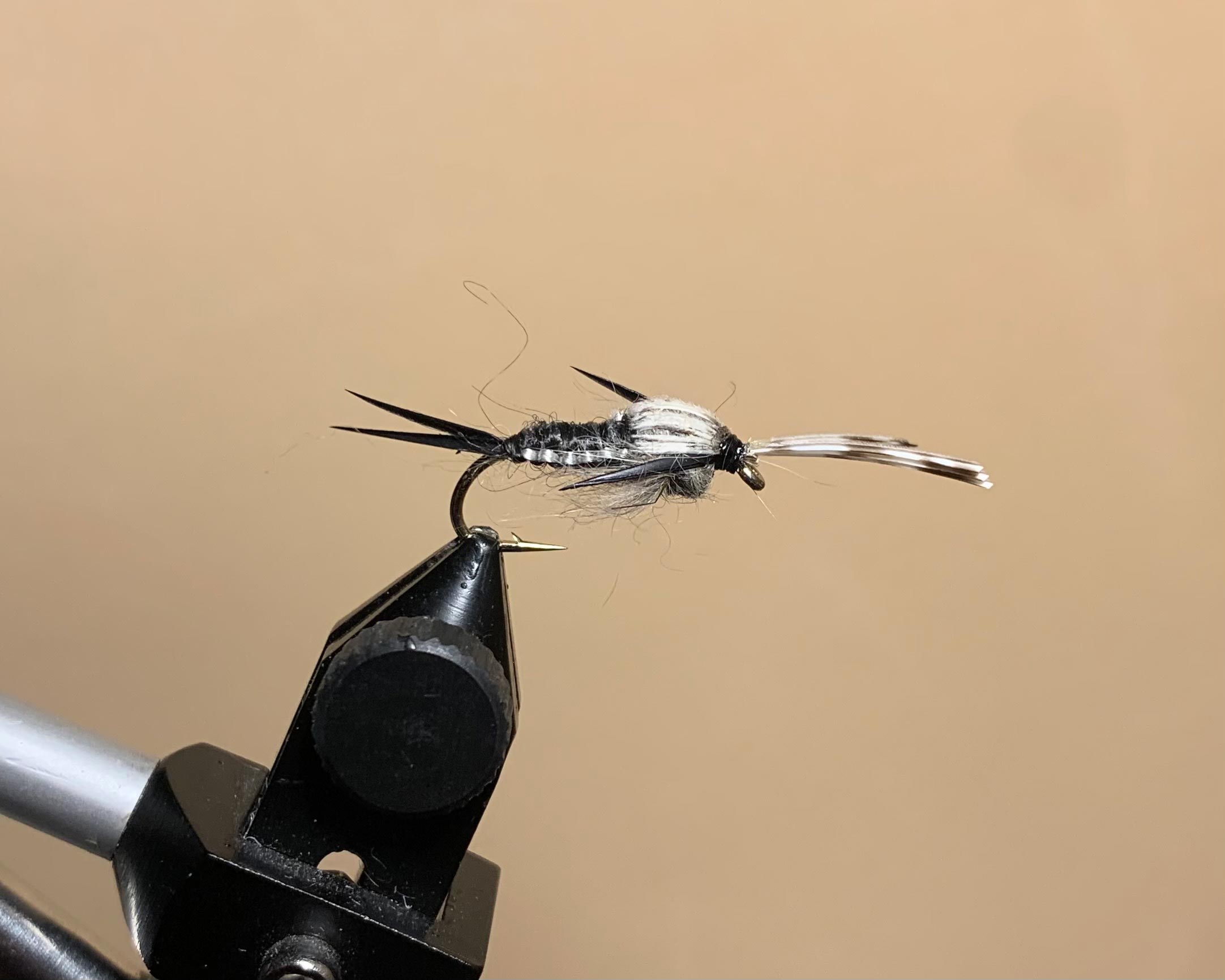
Fly fishing for trout is slightly more popular than spin fishing because it allows you to fish smaller and lighter lures (flies) than you can cast with spinning gear. In general, fly selection is not hugely critical because there are so many patterns that are very similar in appearance and movement. There are three main types of flies that fishermen use to great success. The first is a streamer, which represents a larger food type like a baitfish or crawfish. These can be weighted or unweighted. A second is nymphs which is a huge category but covers basically any fly that goes underwater. These mimic small bugs that live in trout rivers, lakes, and streams and are one of the main sources of food for trout. The third is dry flies, which float on the surface of the water, representing a bug that has fallen into the water like a grasshopper or a fly that is hatching out of the water like a caddis or mayfly. As I said before, fly selection can vary hugely because there are so many options, but below is a list of my favorite flies and the ones I have had the greatest success with.
| Lure Type | Trout Species | Water Body | Season | Water Conditions | Best Used With |
| Inline Spinner | Rainbow, Brown, Cutthroat | Rivers, Streams, Lakes | Year-round | Murky or mixed visibility | Spinning gear |
| Jerkbait (1–2”) | Brown, Rainbow | Lakes, Rivers | Fall, Winter | Clear to slightly stained | Spinning gear |
| Crankbait (small) | Brown, Rainbow | Deeper rivers, Lakes | Year-round | Clear to moderate clarity | Spinning gear |
| Marabou Jig | All trout | Deeper pools, Lakes | Winter, Late Fall | Deep, slow-moving water | Spinning gear |
| Bead Head Hare’s Ear Nymph | All species | Streams, Rivers, Lakes | Spring–Fall | All conditions | Fly rod (nymph rig) |
| Stonefly Nymph | Brown, Rainbow | Rivers, Streams | Spring, Summer | Cold, oxygenated, fast-moving water | Fly rod (nymph rig) |
| Chubby Chernobyl | Brook, Cutthroat | Streams, Rivers | Summer | Clear, warm weather | Fly rod (dry-dropper) |
| Stimulator | Brook, Rainbow, Cutthroat | Rivers, Streams | Spring, Summer | Clear, lighter flows | Fly rod (dry-dropper) |
| Parachute Adams | Rainbow, Cutthroat, Brook | Rivers, Streams | Late Summer, Fall | Clear, surface insect activity | Fly rod (dry fly) |
| Sculpin Streamer | Brown | Deep pools, Lakes | Fall, Winter | Stained, rocky bottom areas | Fly rod or spinning gear |
Choosing the right fishing lures for trout fishing comes down to several key factors: water clarity, weather, location, and the trout species. While there are no hard rules as to what works when I will share some general advice to give you a starting place.
In clear water, I have always had more luck with natural color lures and flies. The dark brown and olives seem to attract fish better than the chrome or white lures and flies in clear water. When the water is murky or off-color, I like to use something a little flashier or brighter because I seem to get more strikes when I do. For fly selection, it doesn’t change too much for water clarity, except for streamers, which can be treated the same as a regular lure in terms of color. If the water is very murky, I will stay away from dry flies and just put on one of the nymph selections I have above. In super clear water, it can also be advantageous to put on a smaller fly size as the fish can see a bit better and may turn down a bigger fly.
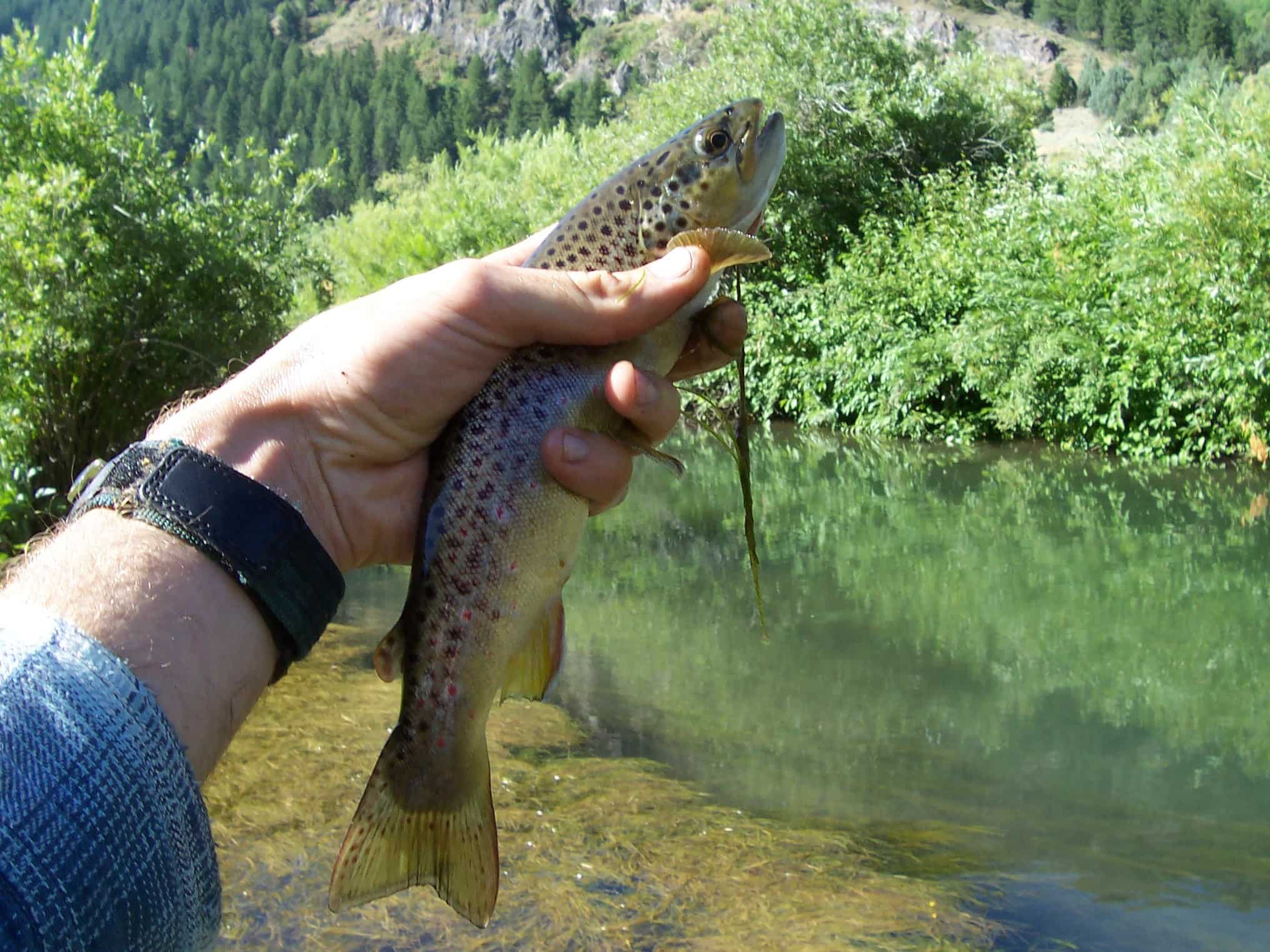
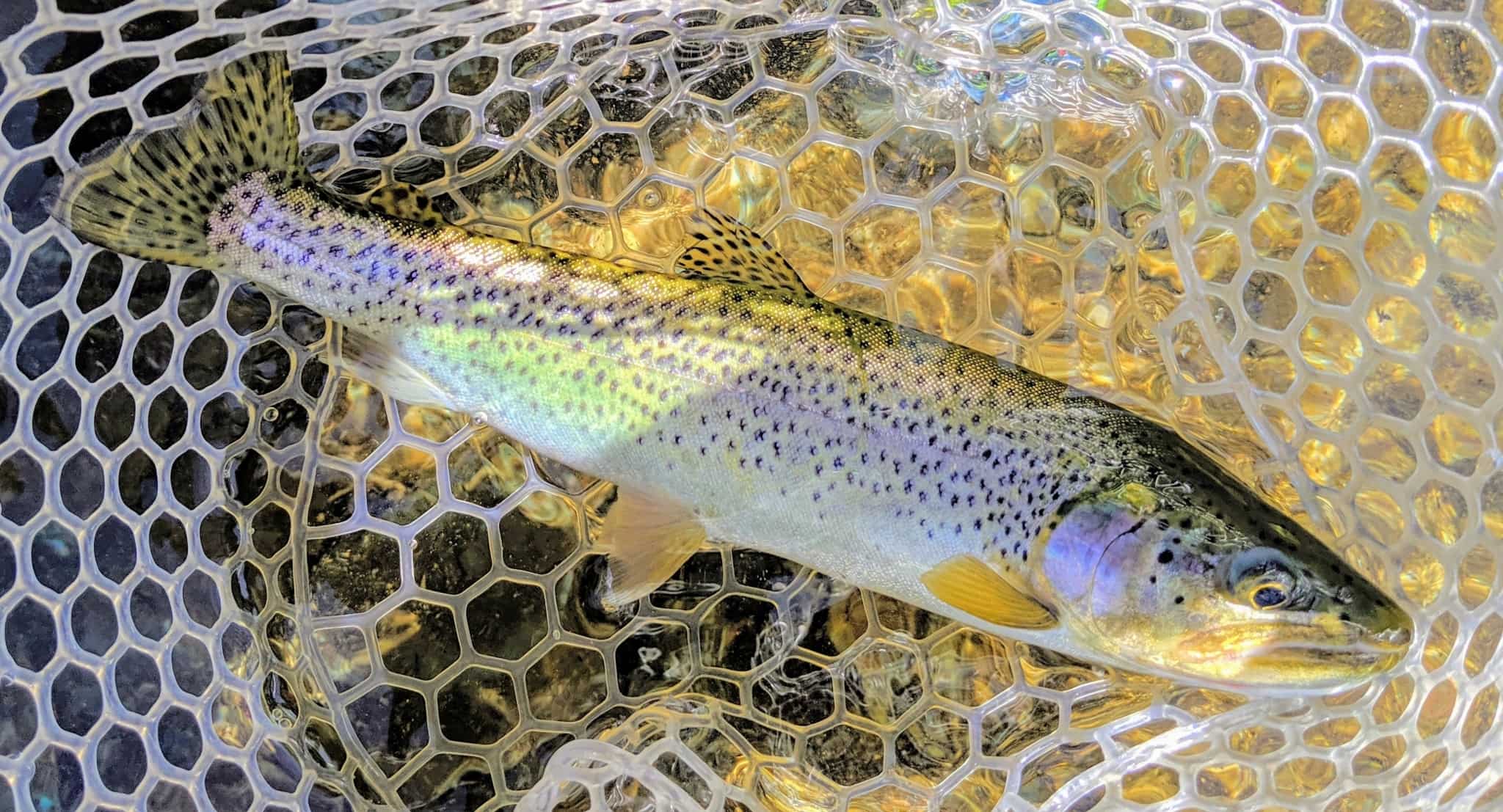
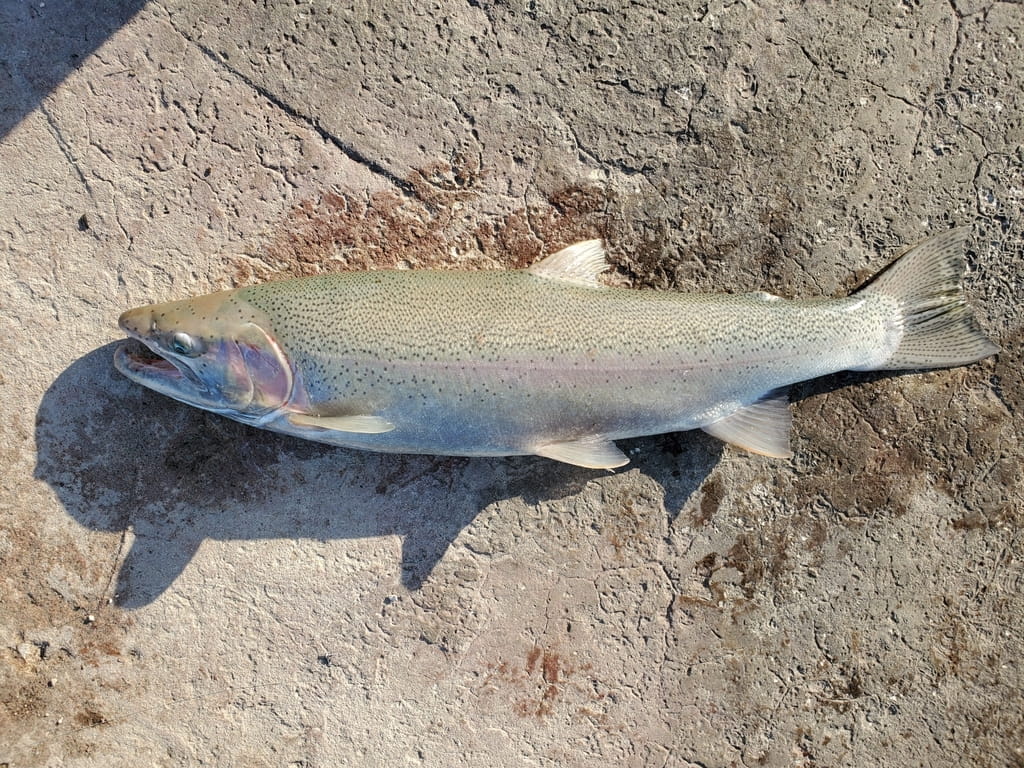
As far as weather goes, the knowledge of dark day dark lure, light day light lure works as a good guide as to what you should try first. This means opting for a more tan or lighter fly/lure when the water is clear and the day is sunny. For overcast or rain, it is normally better to go with darker artificial lures for trout.
When fishing lakes versus rivers or streams, I haven’t found that fish hit different lures or flies. In both rivers and lakes, I stick by the same knowledge I’ve written above. In lakes, however, it is typically better to work the area more slowly as the fish will cruise the banks more often than sitting in one place, so casting multiple times in the same spot can often produce a fish.
For streams or rivers, everything depends on the size of the fish in the water body. If there are only small brook trout, you are going to want to try much smaller artificials and flies, but if you are targeting big brown trout, the best bet is a big streamer or spinner bait. The species of trout I’m targeting typically doesn’t change my lure selection for trout all too much, though it can in some cases. For example, as I’ve said before, brown trout are more aggressive than the other common species, and because of that, throwing a large streamer or lure pattern is more likely to attract big brown trout than any of the other species. Brook trout are also aggressive, though they key in on flies more than baitfish lures. Because most brookies are under ten or so inches, they can’t really eat other fish unless they are really small, so putting on a big dry fly or nymph, which is still small compared to most spinners or other trout lures, can be the best option.
Rainbow trout will hit a baitfish lure about as often as a fly, in my experience. I also believe spinners are the best lure for rainbow trout. While I like using a fly rod, an inline spinner, especially for stocked rainbows, but even for wild ones, seems to be the best strategy.
Cutthroats can often be picky, and figuring out what they are eating can be difficult. There is always a chance they will hit a streamer or lure like a spinner, but I have the most success with dry flies. The ones I have listed above paired with a nymph have been my go-to for cutthroat, especially in places where they tend to be smaller.
Read also: How to Catch Rainbow Trout – A Comprehensive Guide
Yes, trout are big fans of inline spinners because of their flash and vibration. These lures mimic small baitfish and insects moving through the water. Inline spinners are especially effective in rivers and streams with moving current but can also be used where there is less current. The only thing to be wary of is that some local regulations don’t allow spinners or specific types of hooks you might find on inline spinners.
Trout will bite both lures and bait depending on conditions and the species of trout you are targeting. Lures are great for more actively feeding trout and also allow anglers to cover more water. Live bait can be more effective when trout are less aggressive or more pressured, so you need something special to get them to bite.
Trout can and will bite bass lures, especially smaller baits like finesse worms, small crankbaits, or small inline spinners. However, large or bulky bass lures are rarely effective since most of the prey that trout feed on is very small. Downsizing bass lures increases your chances of success with trout.
Popular trout spinners include Panther Martin, Mepps, and Blue Fox spinners. Sizes 0 through 2 are typically the most ideal for trout fishing. Silver, gold, and black patterns are consistently good colors to use. I personally am a big fan of more natural colors or silver because they look like the baitfish that trout already feed on naturally.
Natural colors like silver, gold, brown, and olive work well in clear water, whereas bright colors such as chartreuse, pink, or orange are more effective in stained or low-light conditions. Matching water clarity and light levels is key, just like for any other species, so it’s important to consider the water you are fishing in.
Rainbow trout commonly favor bait such as worms, minnows, and salmon eggs. The important thing when using bait is to check regulations because some bodies of water won’t allow certain types of bait. PowerBait can also be extremely effective in stocked waters (or waters with trout put in from a hatchery). These baits can closely resemble food sources that rainbows naturally feed on.
The main trick for catching trout is presenting your lure or bait as naturally as possible and avoiding spooking the fish. Trout are very sensitive to movement, noise, and shadows. This being said, utilize light line and subtle presentations for the best results.
A simple slip-sinker rig or a basic spinner setup works well for most trout fishing situations. In rivers, inline spinners or small jigs are also very effective. On the other side of the spectrum, fly anglers will often rely on dry fly or nymph rigs depending on conditions. All of these can be effective rigs based on the circumstances you find yourself in.
Trout is picky on pressured water, so in those cases, it is best to throw on something others might not think to try. For most less pressured rivers, lakes, and streams, though, an inline spinner is hard to beat as far as versatility.
The best trout lure, in my opinion, for beginners is an inline spinner bait. A simple straight retrieve is effective, and it almost always gets hits. If you are looking to try out a fly rod, the flies I have listed above, minus the sculpin, are excellent all-around flies to use. They get hit about as frequently as the spinner bait and typically catch the pickier fish.
As stated above, all trout species will hit all the lures I have mentioned, as they feed on the same bugs and baitfish, trout don’t really have species-specific lures. The reason I recommend bigger baitfish for browns is because of their bigger size and typically higher aggression.
Spring will always be a better time to fly fish than spin fish in my opinion, the abundance of bugs hatching out of the water and the readiness of the fish to feed makes it much easier to catch fish with a fly rod. Spin fishing for me is pretty similar year-round, I use the same lures in all four seasons, though I air on the side of a slower retrieve jerk bait in the winter. As far as flies go, spring and summer are dry fly heaven, and some of the best flies to use are the ones I have above. Fall can be great streamer fishing for big pre-spawn trout, and winter is slower as the fish are less likely to eat because of their slow metabolism. I like to run a deep double nymph rig in the colder months.
There are a variety of good trout lures and combinations, but the most effective in my experience are those I’ve listed above. It is important to note that if what you are fishing with is not working, switching it to another lure can be necessary. Sometimes, the fish have already seen the lure you are fishing with that day, and sometimes, they are just keyed in on a different look. This takes practice, and the more you do it, the better you will get at determining what lure or fly to try first. The most important part is to have your line in the water.
Understanding the right lures and techniques can significantly improve your trout fishing experience. With the Fishbox app, you can further enhance your success by accessing real-time weather updates and detailed forecasts that help you plan your fishing trips.
Pierce Latta has been passionate about fishing since the age of three, growing up casting lines in both freshwater ponds around Charlotte, NC, and the saltwater of Ocean Isle Beach. With nearly 16 years of experience, he’s explored almost every style of fishing imaginable, from fly fishing and surf casting to offshore and inshore adventures. Pierce now shares his knowledge and enthusiasm with others, offering tips, techniques, and inspiration to help anglers of all levels discover the thrill of fishing.