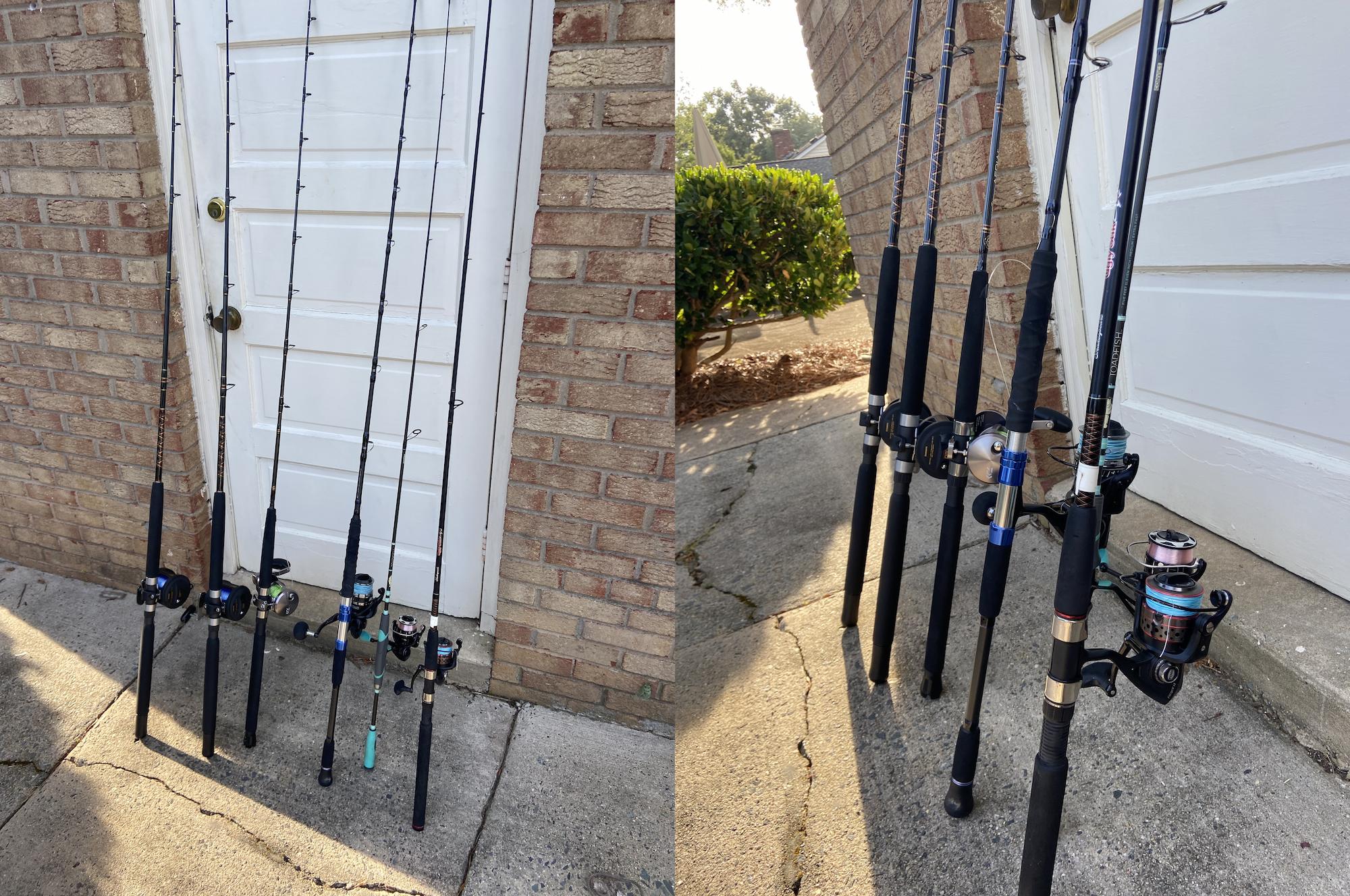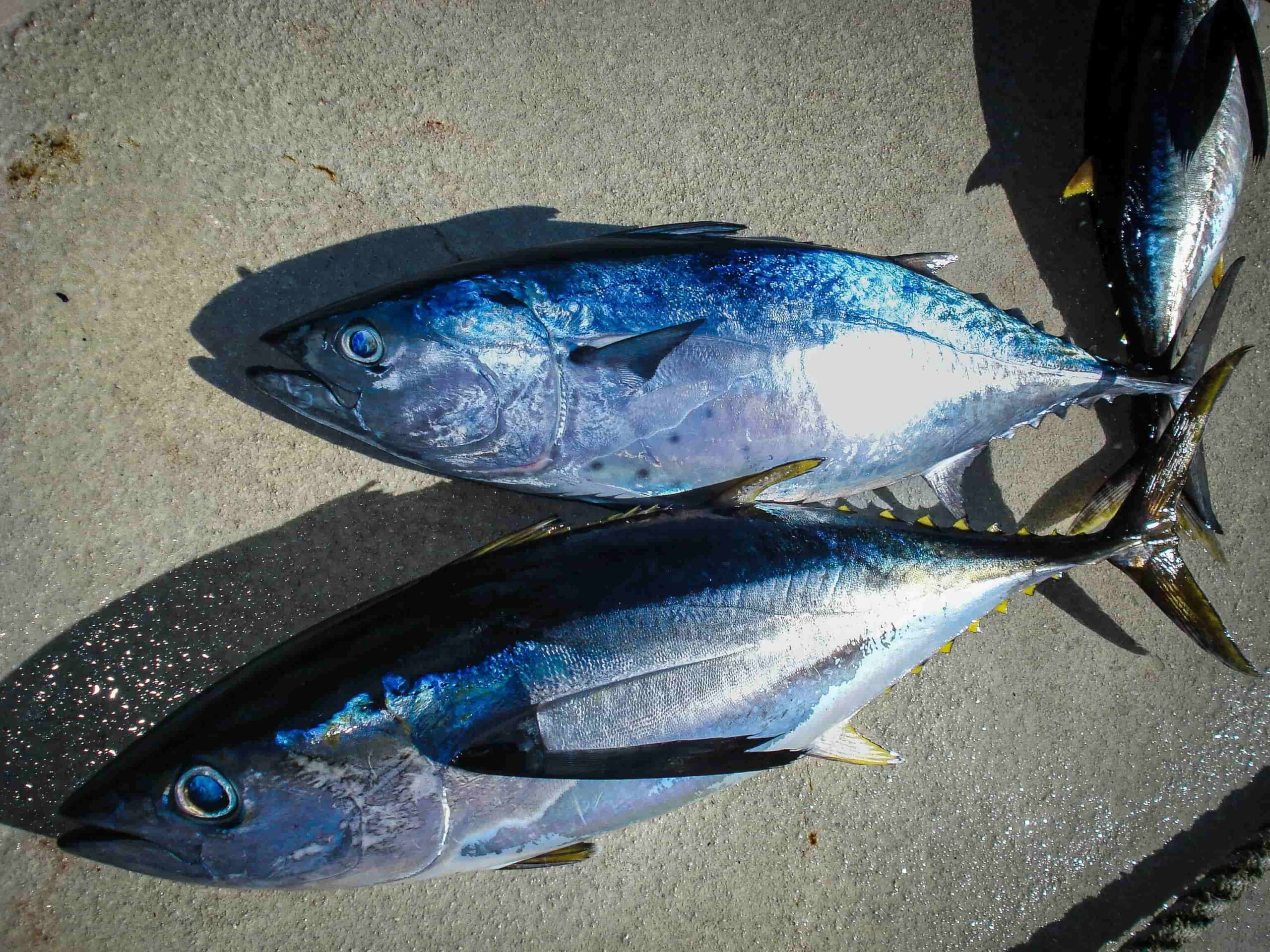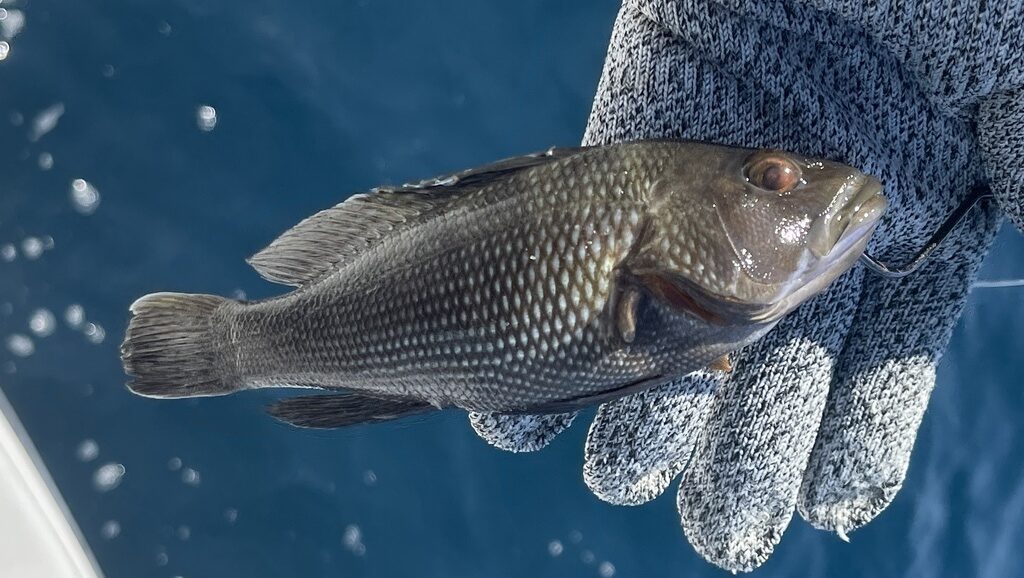

Any question about the article?
Please use your work e-mail, so we can connect with you
You’re thirty minutes into the fight. Pouring sweat, legs shaking, and heart pounding. All you want to do is just catch a glimpse of the monster that is attached to your fishing line. Over 30 minutes ago, you had set out a small live bait on a free line and now, whatever is attached to that hook is no longer a small live bait. Your fish took over three hundred yards of line and now it’s finally almost up to the boat. Outmatched and undergunned, you’re shocked you’ve been able to hold the fish for so long. You lift your rod tip with one final heave and there it is—the biggest mahi mahi you have ever seen in your entire life. Bigger than the pictures you’ve seen or the ones you’ve caught in the past. The mate sinks the gaff deep into the fish and the rest is history.
THIS is saltwater fishing. The thrill of the unknown. The battle of man versus beast. There is nothing else like saltwater fishing on this planet. Where else do you get to go head to head against some of the strongest creatures in the world? While this is a scenario we may all dream of, we have to be prepared for it to come. This means coming to battle with the right gear and tackle. Today, the gear and tackle I will be focusing on is the saltwater spinning reel. This reel has been a long-time staple of the saltwater fishing community and will be for the foreseeable future. In this article, I’m going to break down everything you need to know about saltwater fishing reels and how you can be better equipped for your future fishing endeavors so you can land that fish of a lifetime.
Speaking of being equipped for future saltwater adventures, the Fishbox App and its personalized quiz technology is a great way to start. Other than analyzing over 40 different metrics that play into the bite of fish—such as wind, weather, and tide data—the Fishbox App also provides users with unique personalized results and fishing locations and data tailored to the results of your free quiz. Personally, I would jump on this opportunity today and see what the Fishbox App has to offer. In fact, you don’t even have to download the app right now if you don’t want to. Just try this quick quiz listed below and see how you like Fishbox. Anyways, I hope you’re ready to learn about some saltwater fishing reels.
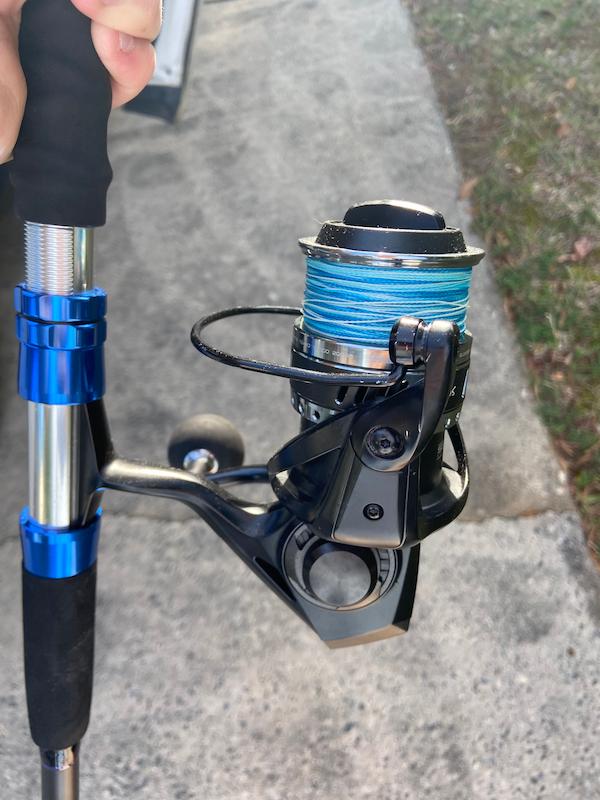
Let’s start with the spinning reel aspect first. A spinning reel is a fishing reel in which the line is wound on using a bail system as the spool is moved up and down by rotating the handle. This spools the reel evenly. To cast a spinning reel, pinch the line against the rod or your fingers, open the bail, then sling the rod, releasing the line from your fingers. Close the bail once your bait is at its desired location and you can start reeling again. Drag is adjusted via a knob at the top of the reel, and the handle can often be swapped for left- or right-handed anglers.
In terms of saltwater spinning reels, these are just a subcategory of the larger category of spinning reels which we’ll get more into in the next point.
Read also: King Mackerel Fishing: Tips and Tricks to Catch More and Bigger Kingfish
In this section, I’m going to break down some of the most popular features to consider when buying a saltwater spinning reel. This should give you guys a far better idea of what to look for. As you are reading this, I would highly suggest that you rank these different features/aspects in order of importance to you so that you can make your decision on what reel to buy a little easier down the road.
Corrosion resistance is going to be a monster consideration when buying a saltwater spinning reel. That reel is going to go through a lot and have a lot thrown at it so the last thing you want is for clogged up sand and salt to be the reason you lose a fish of a lifetime. In terms of the actual corrosion resistance, this can be broken down into the two following subcategories.
Line capacity is another key feature that we need to be aware of when purchasing a saltwater spinning reel. Because it’s a spinning reel, it already is going to have less line capacity than a conventional so be aware of this. You need the line capacity of your spinning reel to match your needs. For example, when I king mackerel fish with a spinning reel, I have to know that the reel has at least 400 yards of line on it so that I know I can survive a long run. Think like this and it will pay dividends. Identify your target species and base a choice off of that.
Drag basically falls into the same sort of category as line capacity. You need to know what you are targeting before you can make a decision because your target species should inform you of how much drag you’ll need. Again, for king mackerel, we don’t run high drag, so drag is not super high on the list for a king reel. However, for a grouper/bottom fishing reel, we need some pretty heavy drag to stop those fish from going into the bottom. This is just one more feature to consider.
Unfortunately, a ton of anglers don’t really have any idea what a gear ratio is. The easiest way of explaining it is using a bike. The lower the gear ratio, the easier it is to gain line with tension on the reel. However, the lower that gear ratio is, the slower the reel pulls in line. So once again, if we’re grouper fishing, we want a low gear ratio to be able to winch a fish up and out. However, for king mackerel fishing, because they can swim so fast and change direction so easily, we need a higher gear ratio to keep up with the fish.
Retrieve speed works in tandem with the gear ratio. For the most part, the higher the gear ratio, the higher the retrieve speed—and vice versa. Another important thing to consider is that as your saltwater spinning reel gets bigger in size, the retrieve speed will increase with that as well.
Reel size will heavily depend on the amount of line and drag you need, as well as what species you are targeting. If you are targeting flounder in the backwater, you don’t need a huge reel with a ton of line and drag capacity. You could easily get away with a size 2500 spinning reel and any kind of line. Just tailor this to the size and pull of the fish you are targeting.
Like I’ve reiterated many times in this section, target species is probably one of the biggest—if not the biggest—factors in determining what saltwater spinning reel you should buy. My best advice for this section is to consult locals to see what species are around and their typical size, and get the most universal reel for those species. The biggest thing is having confidence in your gear, and choosing the right size is a great start.
Fishing technique is another big factor when selecting a saltwater spinning reel. You need to know where you will be fishing from for the majority of the time and allow that to affect your opinion on what saltwater spinning reel to buy. Maybe you usually fish from the shore. If that is the case, you probably want a reel with more line capacity and that is smoother than other saltwater spinning reels.
Being able to trust the brand you buy your saltwater spinning reel from is of huge importance. This may seem obvious, but there are name brands for a reason. For myself personally, I like to stick with companies with long-standing, good reputations. Some of these brands for saltwater spinning reels include Daiwa, Shimano, Pflueger, Penn, and Okuma. Yes, there are certainly more, but these are just a few of the most reputable.
Lastly, we have a price. All I can really say here is that you get what you pay for. The nicer reels are going to cost you some money, and you have to be willing to pay that for the quality. I know it hurts, trust me. I have spent tons of money over the years on nice saltwater spinning reels. However, let me tell you one thing: when you pull that beast of a fish into the boat, the money that you spent on that reel won’t matter. In fact, you’ll be happy about the purchase you made and how you could trust it to get this fish in the boat.
Read also: The Complete Guide to Types of Fishing Reels
Below is a table that summarizes a lot of the points I just went over just in a form so that my visual learners were not overwhelmed.
| Feature / Reel Type | Spinning Reel | Baitcasting Reel | Conventional Reel |
| Beginner-Friendly | ✅ | ❌ | ❌ |
| Accurate Casting | ❌ | ✅ | ❌ |
| Long Casting Distance | ✅ | ✅ (with skill) | ❌ |
| Handles Light Lures Well | ✅ | ❌ | ❌ |
| Handles Heavy Lures Well | ❌ | ✅ | ✅ |
| Low Risk of Backlash | ✅ | ❌ | ❌ |
| Line Twist Resistance | ❌ | ✅ | ✅ |
| Strong Drag System | ⚠️ Moderate | ✅ | ✅ |
| High Line Capacity | ❌ | ✅ | ✅ |
| Great for Big Fish | ❌ | ✅ | ✅ |
| Easy Maintenance | ✅ | ❌ | ❌ |
| Compact / Lightweight Design | ✅ | ✅ | ❌ |
| Ideal for Offshore Use | ❌ | ⚠️ Sometimes | ✅ |
| Best for Trolling/Bottom Drop | ❌ | ❌ | ✅ |
| Overall Versatility | ✅ | ✅ | ❌ |
Like we just established above, spinning reels are definitely the most ideal reel for beginners—but why?
First off, spinning reels are going to be the most affordable out of all the different types of reels (at least the reel types you should be considering purchasing).
Second, spinning reels by far have the easiest learning curve. It doesn’t take too long to figure out how to use one.
Third, casting where you want with a spinning reel isn’t too difficult at all. Additionally, it’s very easy to cast with a spinning reel in general.
Fourth, you very rarely will run into issues with backlash and tangles—and if they do occur, they can often be fixed far easier than with conventional or baitcasting reels.
Fifth, you never have to worry about spooling your line with your finger because the bail already does it for you.
Sixth, spinning reels are easy to take apart and clean.
Lastly, spinning reels are just a great all-around reel and can be used for virtually anything.
Read also: The Best Fishing Piers in New Jersey: Your Ultimate Guide
There are many more great applications for spinning reels, but these are just a few of the more popular ones.
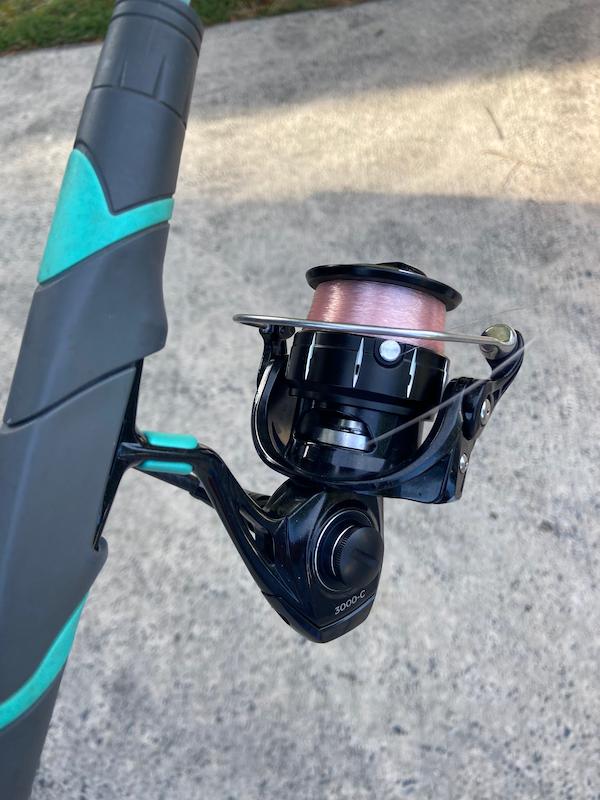
For this section, I’m going to pick three saltwater spinning reels that each apply to various categories, budgets, and fishing styles to give you guys a better picture of some great reels that are out there. Now, I want you to know that fishing gear can be a very subjective issue. All I’m saying is that from both my research and experience, these are the saltwater spinning reels that I love. You don’t have to love them—that’s totally fine. These are just a few I highly recommend.
Pros:
Cons:
Ideal Use: This reel is an amazing all-around inshore and near-shore casting reel. This can be used in the backwaters fishing for trout, redfish or flounder or even out-front nearshore casting for spanish mackerel, bluefish and bonito. The reel is great for close quarters fishing such as banks, kayaks, piers, and jetties.
Link: Daiwa BG Spinning Reel | Bass Pro Shops
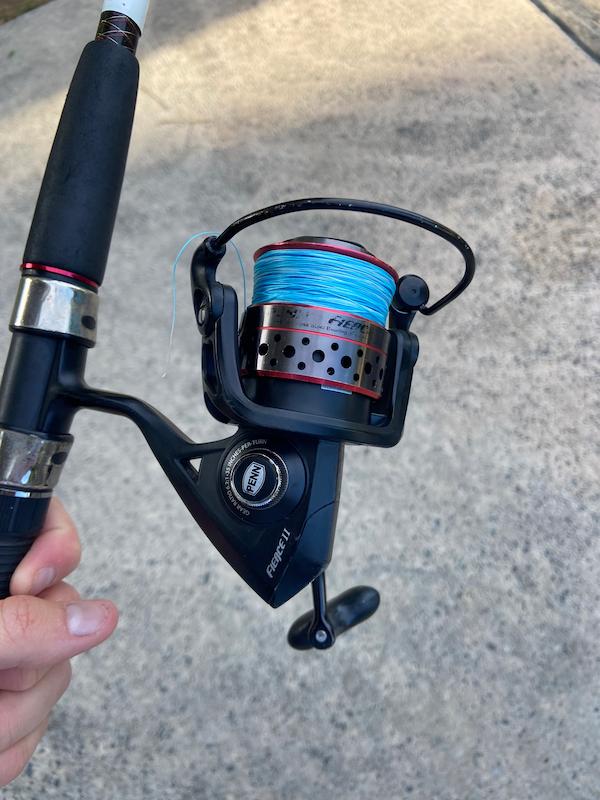
Pros:
Cons:
Ideal Use: This reel is a great rod for heavier inshore or nearshore applications (maybe offshore if you were targeting smaller busting fish). Great for live bait or heavier chunk bait where sensitivity isn’t as important. The perfect jetty and shore fishing rod. It can withstand getting dropped on rocks and other things that would screw up other reels.
Link: PENN Fierce IV Spinning Reel | Bass Pro Shops
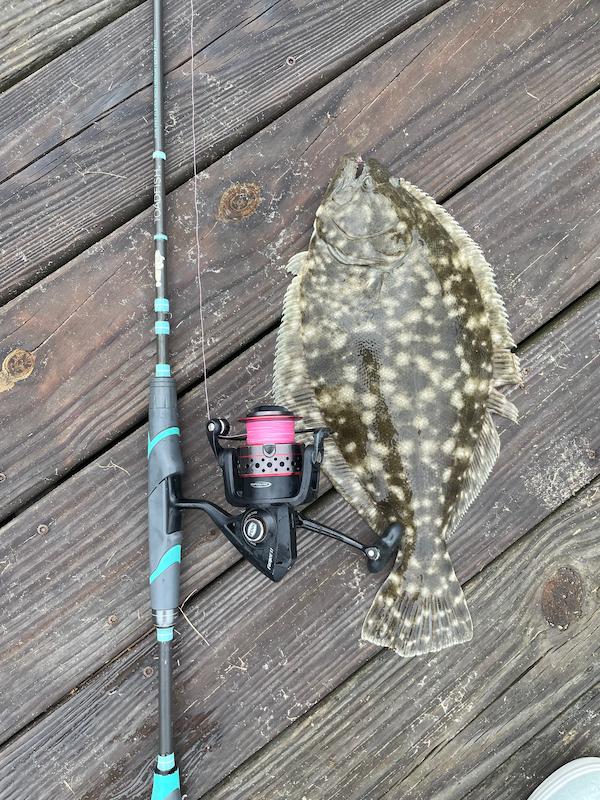
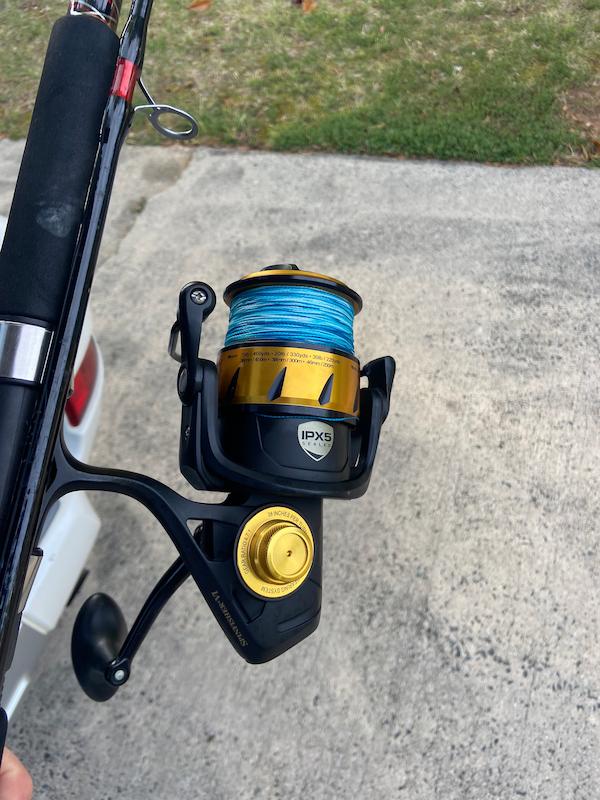
Pros:
Cons:
Ideal Use: This reel is an amazing all-around offshore fishing reel as well as a great reel for heavy duty surf fishing. In fact, in my own personal experience, I have bottom fished for snapper and grouper with it, trolled for kings and cobia with it, and even cast from the beach and caught some monster sharks on it. This reel is a beast and will last you a long time.
Link: PENN Spinfisher VII Spinning Reel | Bass Pro Shops
After reading this article, I hope you can see the importance of investing in the right saltwater spinning reels. The saltwater environment is no joke, and your fishing gear should reflect that. Now, I understand that I probably didn’t answer every single question you had, so if you want to, feel free to reach out and ask—I’d be happy to assist you. Anyway, I hope you enjoyed reading this article, and as always, good luck and tight lines!
Can you and should you is going to be a big distinction in this case. Can you use a freshwater reel in saltwater? Yes, you can. Now, should you? Absolutely not. Freshwater reels are not designed with the materials and seals required to perform in saltwater. Now, you could delay the damage by taking very good care of your freshwater reel after using it in saltwater, but it simply won’t hold up nearly as long as a well-maintained saltwater reel.
I get this question a lot, particularly from younger and more inexperienced anglers. Unfortunately, there’s not really a short answer to this question because the size of the reel needed will differ depending on the application. For example, if you’re strictly inshore fishing, I would recommend anywhere between a 2500 and a 3500, or maybe a 4000 on the larger side. If you’re wanting an inshore/nearshore/all-around reel, the 4000 is probably the way to go. For surf fishing, offshore bottom fishing, or live bait trolling, your saltwater spinning reel should probably be above a 6500. Now, everyone is going to tell you something different, but these are the sizes of saltwater spinning reels I would recommend for saltwater fishing.
Oftentimes, fishing reel companies will make reels in enough sizes that they can be used for both offshore and inshore fishing. For example, Penn makes Spinfishers as small as 2500 and as large as 10500. Given that the range is that big, the same model of reel could be considered an inshore reel if it’s a smaller size and an offshore reel if it’s a larger size. However, in the grand scheme of things, offshore reels are mainly different from inshore spinning reels because of factors like size, line capacity, and drag output. Offshore fishing reels are simply going to be bigger and stronger than your inshore reels almost every time.
Because spinning reels can’t hold nearly as much line as conventional reels, I will always recommend spooling your spinning reels with braid. You get far more strength and capacity with braid as opposed to monofilament. If you want the benefits of monofilament or fluorocarbon that badly, then feel free to add some sort of topshot or leader. Mono and fluoro are just too thick—especially at higher strengths—so it makes it hard to get a decent amount of line on there.
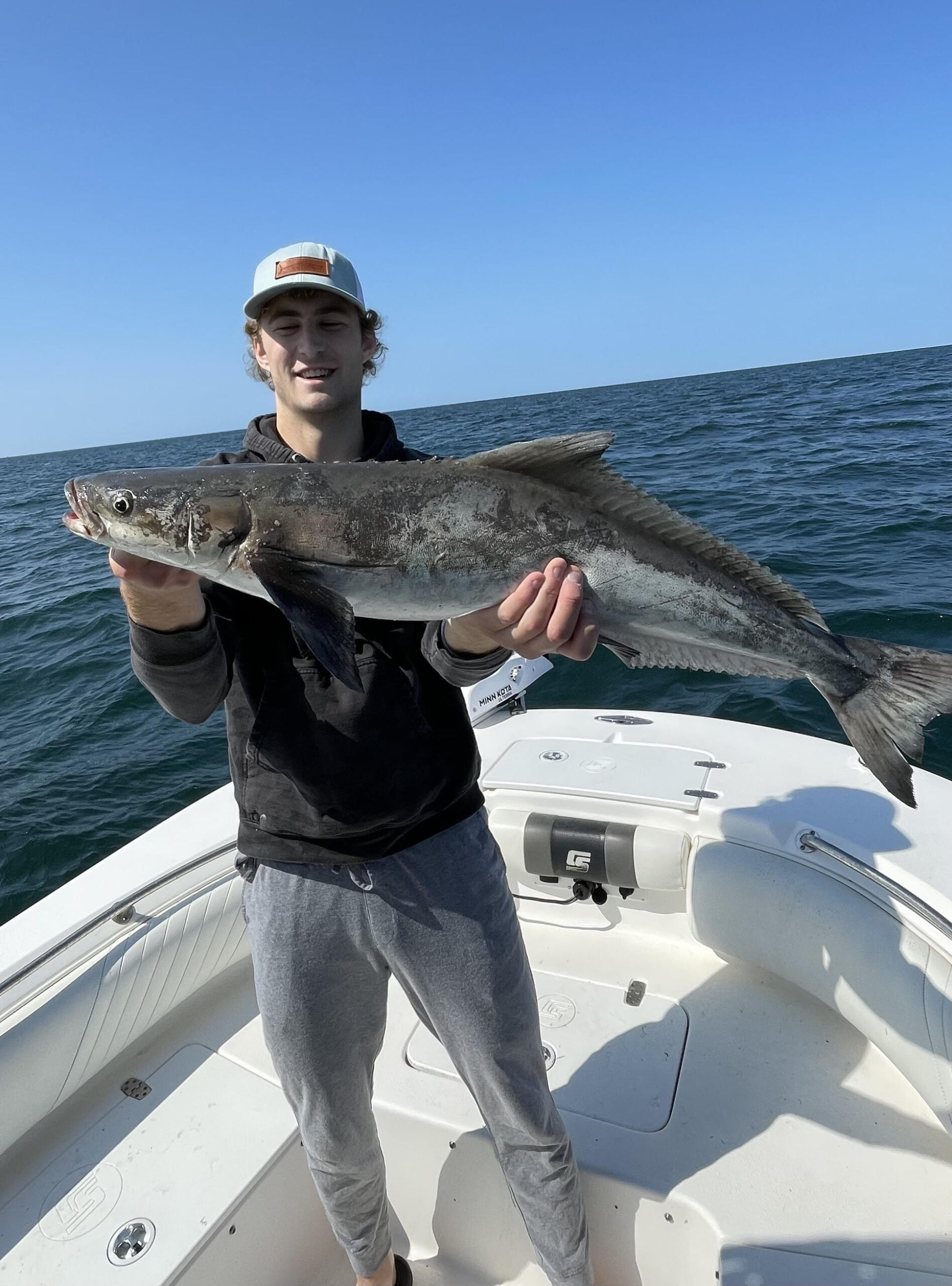
Pierce Latta has been passionate about fishing since the age of three, growing up casting lines in both freshwater ponds around Charlotte, NC, and the saltwater of Ocean Isle Beach. With nearly 16 years of experience, he’s explored almost every style of fishing imaginable,from fly fishing and surf casting to offshore and inshore adventures. Pierce now shares his knowledge and enthusiasm with others, offering tips, techniques, and inspiration to help anglers of all levels discover the thrill of fishing.

![Where and How to Catch Live Bait for Saltwater Fishing [Expert Guide]](https://imgcdn.fishbox.com/wp-blog/wp-content/uploads/2024/03/spanish-mackerel-fishing-pierce-latta-scaled-1-1.jpg)