
Any question about the article?
Please use your work e-mail, so we can connect with you
Saltwater Bass fishing is starting to gain a lot of popularity. For most anglers, when you mention Bass, they immediately think of Largemouth and Smallmouth Bass. Still, there are a lot of other saltwater Bass varieties, and all of them provide excellent angling opportunities. If there’s saltwater near you, there’s a good chance there are some Saltwater Bass species there for you to catch.
From Small Spotted Bass to larger giant Black Bass, the saltwater oceans, bays, and estuaries are packed full of Bass just waiting for you to get out there with your fishing tackle and catch them. If we had to list every species of saltwater Bass, it would fill an entire article, so for this article, we’ll just focus on the most popular varieties.
In the following guide to Saltwater Bass fishing, we’ll cover:
If you’re a saltwater fishing enthusiast, check out The Ultimate Guide to the Best Saltwater Lures, where we discuss the best saltwater lures for inshore, offshore, pier-based fishing, and much more.
Thanks to the Fishbox App, a premium downloadable Fishing Forecasting App you can take fishing with you, you’ll know the best time to plan your Saltwater Bass fishing trip, including when Saltwater Bass are most active and even some local hotspots to try your luck.
Saltwater Bass, including Black Sea Bass, Striped Bass, White Sea Bass, and other saltwater Bass species, all live in saltwater. A lot of people refer to Saltwater Bass species as Sea Bass, as there are so many different varieties.
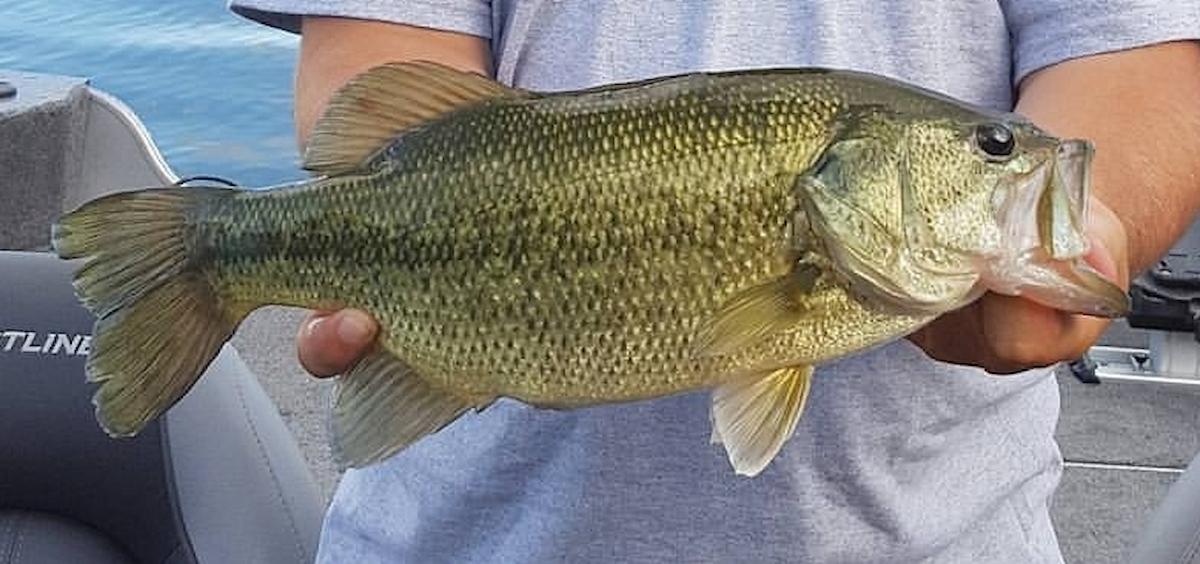
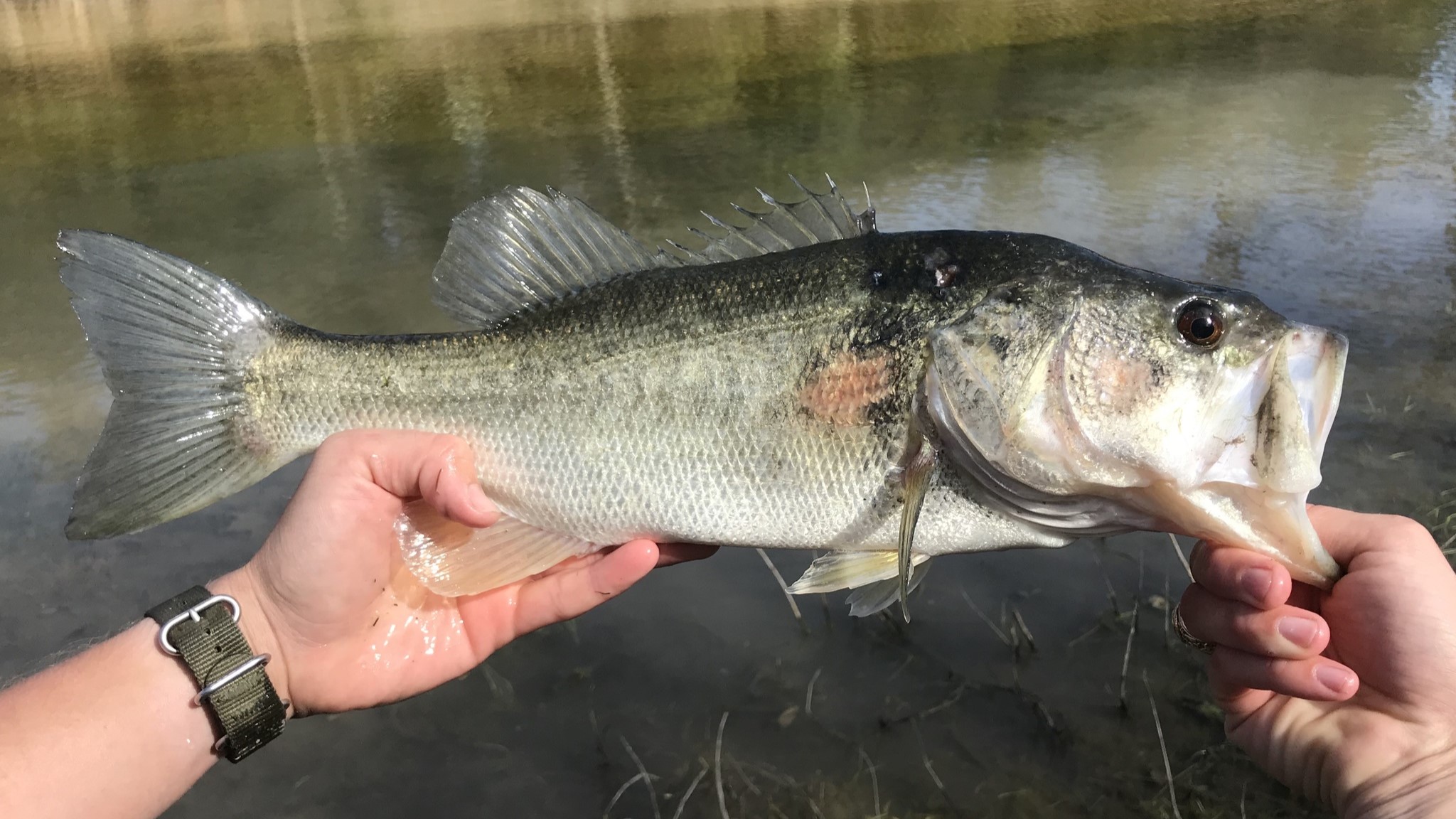
Unlike their freshwater cousins, such as Largemouth Bass and Smallmouth Bass. However, don’t be surprised to find small Saltwater Bass species living in estuaries and river mouths where the saltwater meets the freshwater, as it’s not uncommon for them to move up into rivers and estuaries.
The key characteristics of Saltwater Bass include:
While both freshwater and saltwater Bass species are called Bass, they’re actually distinct fish species belonging to different families.
In the following section, we’ll discuss the most popular Saltwater Bass species, their physical traits, general habitat, environment, range, size, and the best season to catch specific Saltwater Bass species.
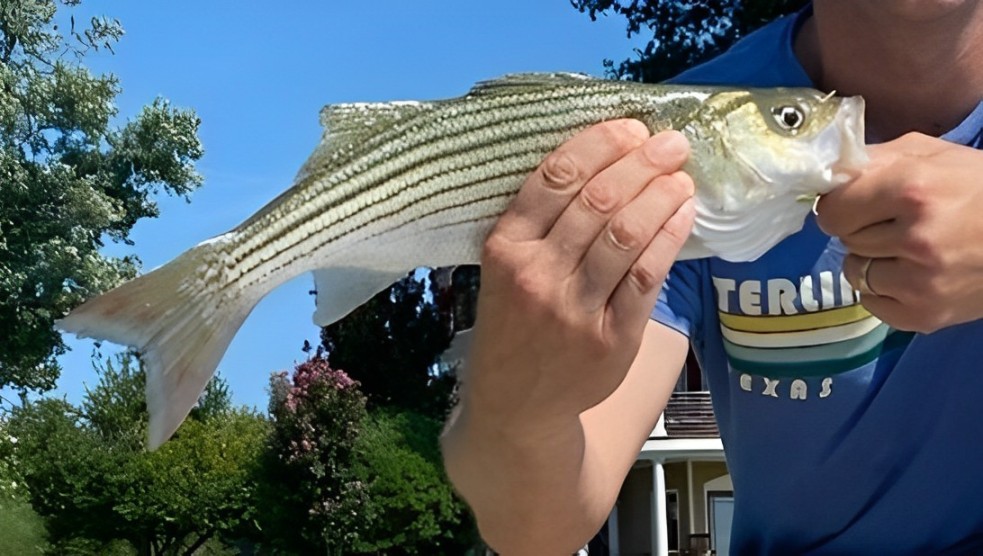
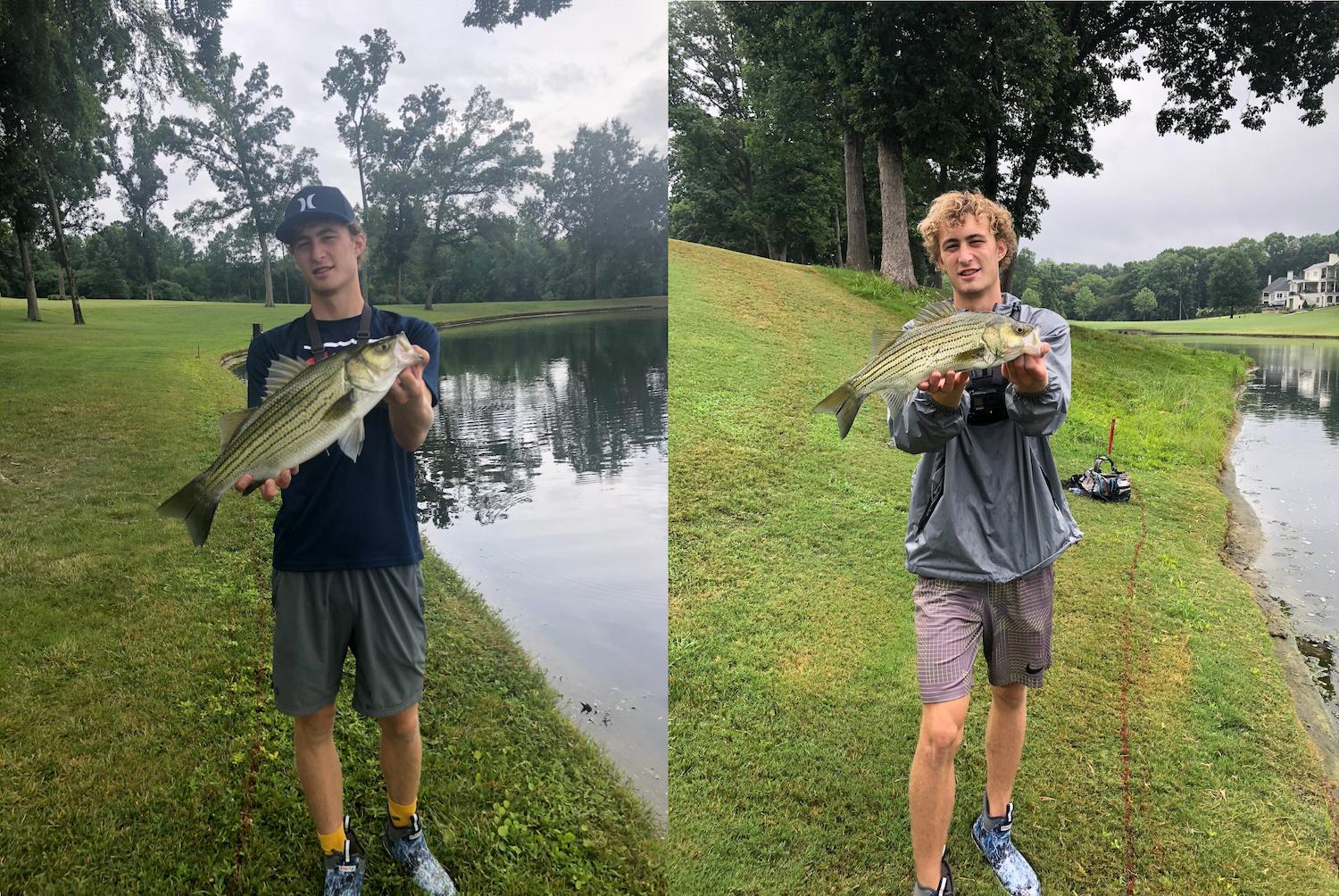
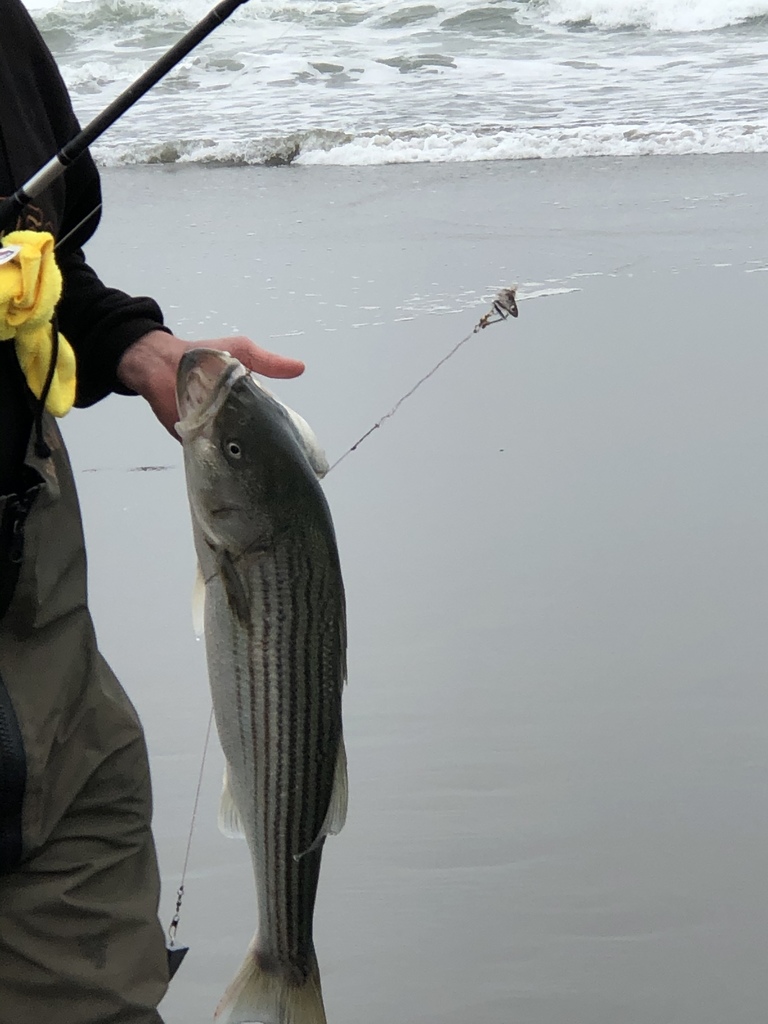
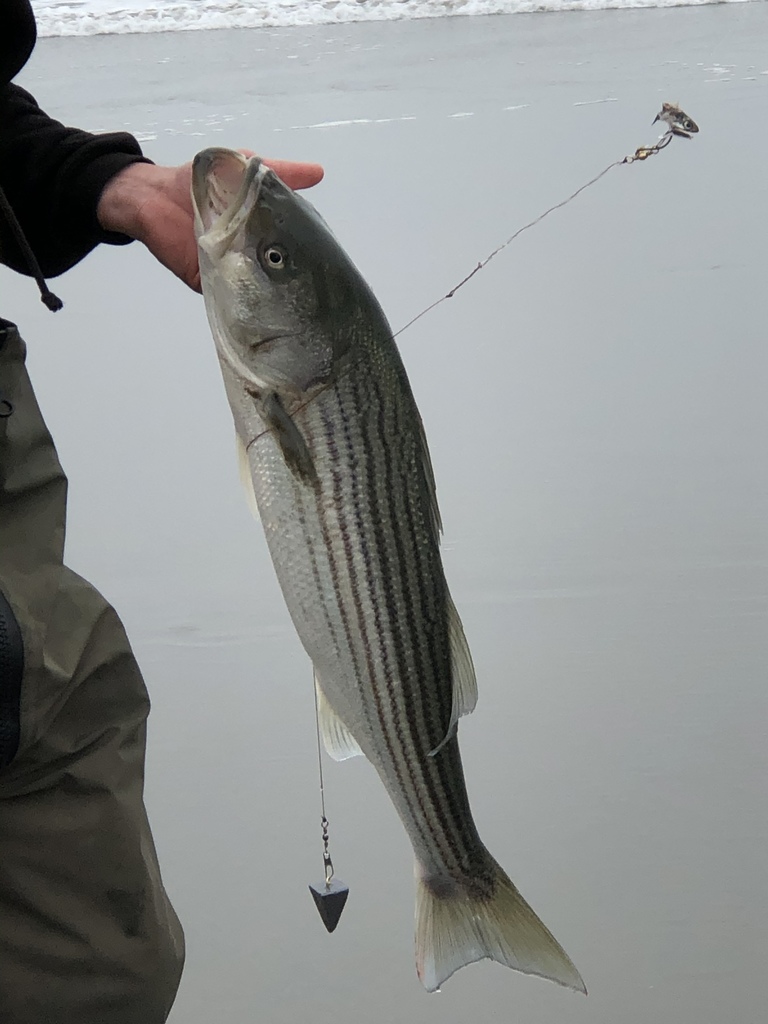
Easily one of the most popular Saltwater Bass species, Striped Bass, or ‘Stripers’ as they’re known by many anglers, move in and out of fresh water as the need arises, and a lot of Atlantic coast anglers just love catching them! Striped Bass, or Rockfish as some anglers call them, are perfect for anglers who enjoy sight fishing close to shore, and their large size and lightning-quick runs make them a worthy adversary. Initially sticking close to the Atlantic coastline, Striped Bass also managed to find its way to the Pacific coast.
From Baja to Alaska, you’ll find monster White Seabass all along the Pacific coastline. Local anglers who dedicate their fishing lives to chasing these white ghosts swear by them, but they keep their favorite White Seabass locations pretty close to the chest. Although White Seabass can be caught year-round, the warmer months from April to June are your best opportunity to get out after them as they move from the deeper water into shallow areas close to the shoreline.
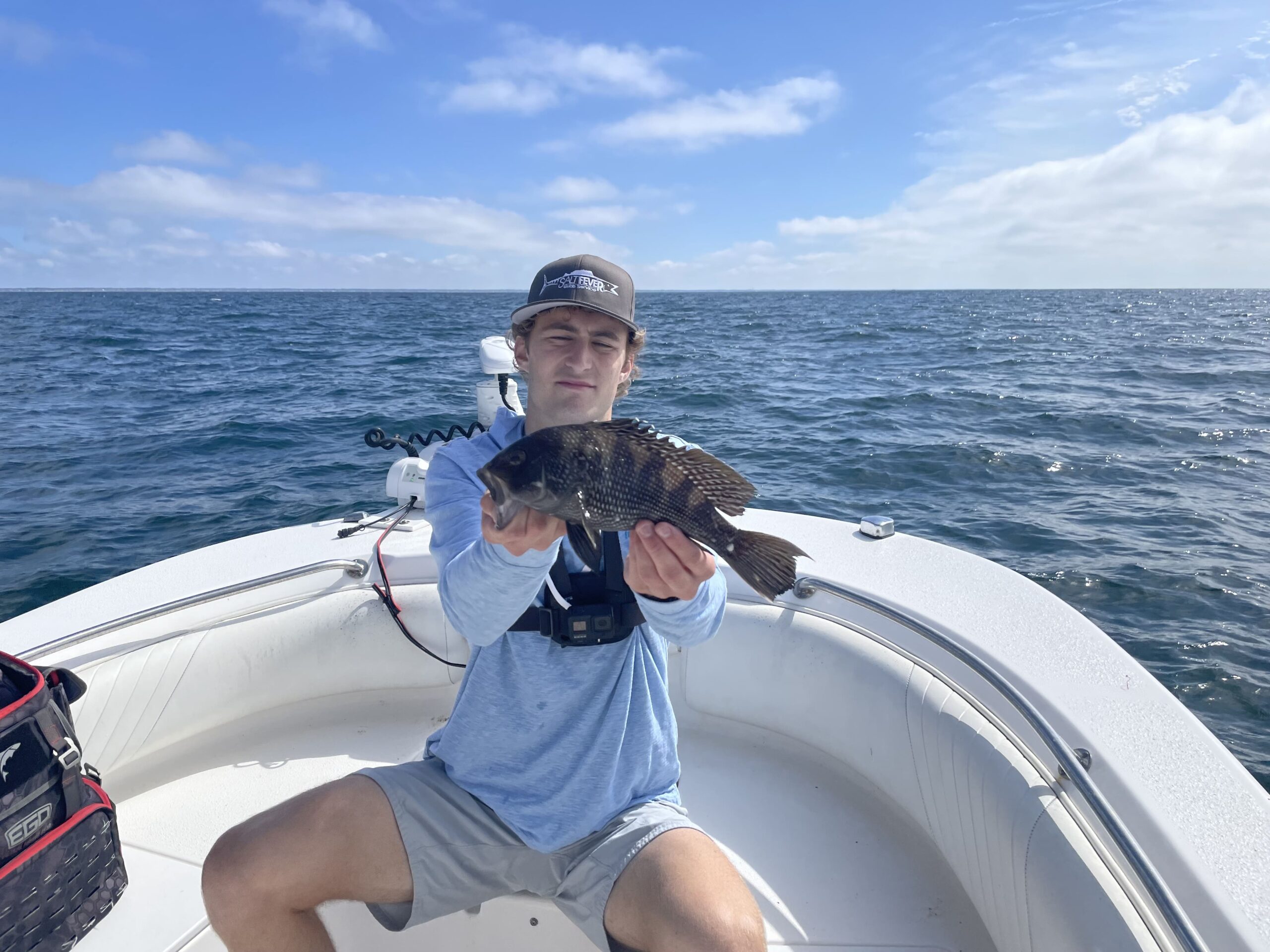
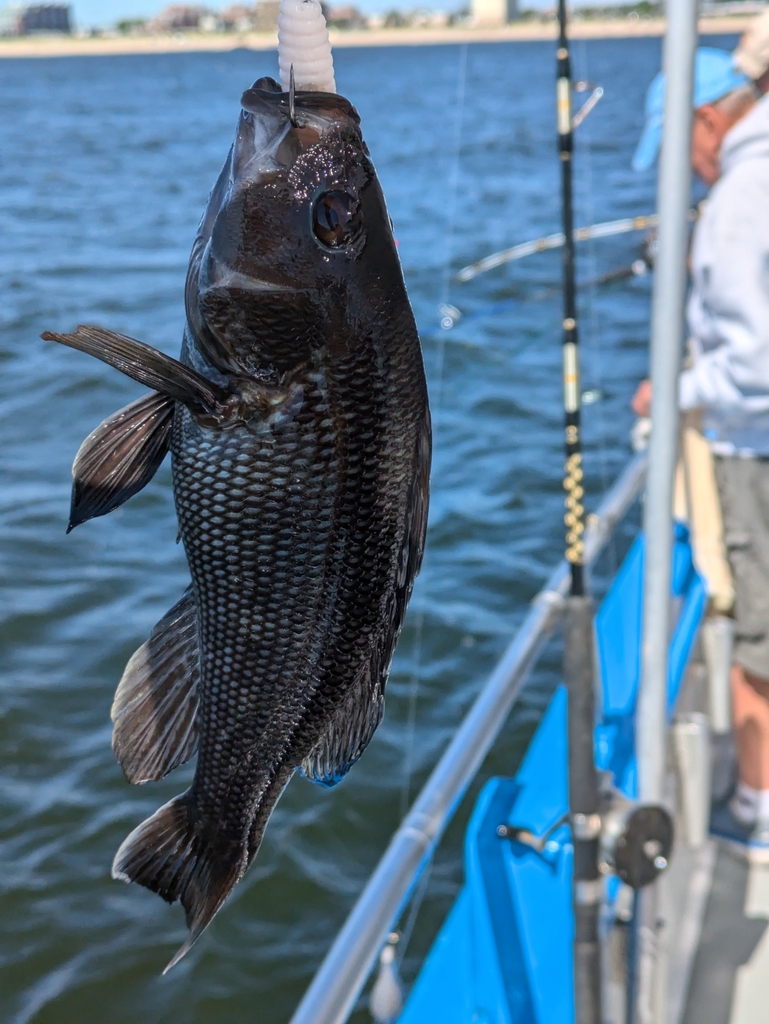
Black Sea Bass just looks cool. However, it’s not just their looks that make them so popular with Bass anglers. They’re also pretty fun to catch and popular target species for anglers on the East Coast. Their habitat range extends from Maine to Florida and all the way up into Canada along the Atlantic coastline. Typically found close to the structure, the best time of the year to catch Black Sea Bass is late spring through to the end of summer, as they’ll move closer to shore for their annual spawning season.
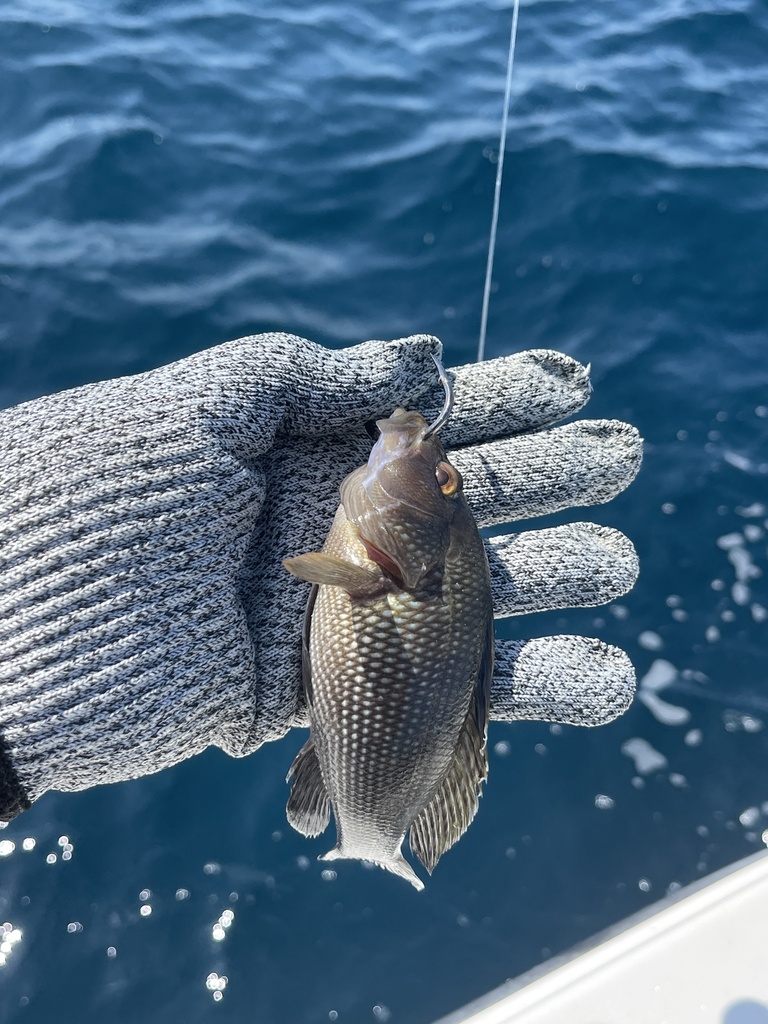
Native to the Pacific Coastline, Barred Sand Bass are easily identifiable by their distinctive white-gray bands and dark vertical bars. Their large protruding lower jaw is perfectly designed for hunting smaller fish, and you’ll typically find them around rocky reef areas, but they’ll also be caught in other areas. The best time of year to catch a Barred Sand Bass is during the warm summer months between May and October when they’re spawning.
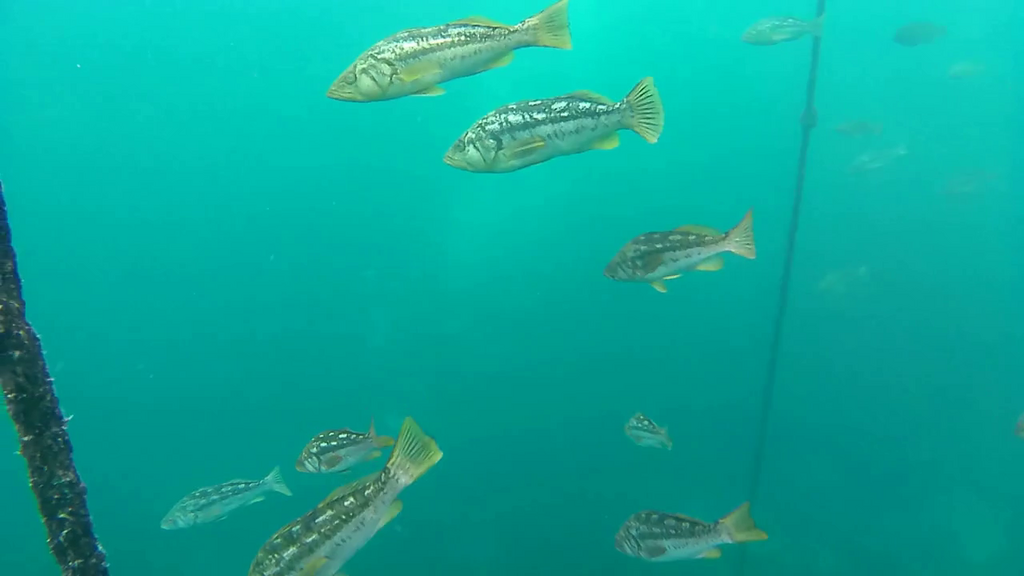
Calico Bass have a distinct appearance, and it’s their green coloring that also earns them another name: Kelp Bass. They not only look a little green, with varying shades of darkness, but you’ll most commonly catch them in large kelp and weed beds where they lurk hunting for food and avoiding any larger predators. Calico Bass are standard in Mexico and California, and their firm white flesh makes them a prime target for recreational anglers. If you want to add one of these tasty fish to the grill, the best season to target them is in the warm summer months when they’re at the peak of their spawning season, hanging out closer to shore.
There’s no denying that most Saltwater Bass species have a huge range, with no one specific location and home ranges often doubling up, and that’s part of the reason why Saltwater Bass angling is so popular not only across the United States but also worldwide.
It’s not uncommon to head out on the boat chasing one specific Saltwater Bass species and end up with a boat full of a different kind altogether!
Below, we’ll take a look at some of the most popular Saltwater Bass fishing locations in the United States!
If you’re looking for a unique location to target Saltwater Bass, the top of the list has to be Baja California, with long kelp beds, underwater structures, and mangroves stretching along estuaries and bays on the coast. With a lot of recreational anglers chasing bigger sports fish offshore, you’ll have a pretty good time chasing Bass without much other angler pressure. From the long coastal shorelines to further offshore in the Sea of Cortez, the Bass action in Baja, California, is fantastic.
For Bass anglers chasing Black Bass specifically, a great place to do it is in the Gulf of Mexico. There are a lot of rivers and estuaries dotted along the coastline, which provide excellent spawning habitats. Close to shore, you have the option to fish at any of the many bays, along with wharves, jetties, piers, and other structures that provide excellent habitat. If you have access to a boat, or you’re heading out on a charter, you can head offshore and chase some of those record-size Bass!
If it’s Striped Bass that gets your motor running, you’ll want to head to the Atlantic Coast, but just to sweeten the deal, there’s also plenty of Black Sea Bass here, too. With a legendary fast run that destroys anglers who are ill-prepared, Striped Bass continue to be a worthy adversary for Bass anglers, but don’t discount Black Sea Bass. They can be a lot of fun to catch, too!
If you want to try your hand at catching Calico Bass, Spotted Bay Bass, Sand Bass, or White Seabass, then you’ll want to head to Southern California. With an abundance of kelp beds intermixed with sandy bottom and rocky structure, there’s plenty of fishy habitat to support a massive Saltwater Bass population.
Striped Bass is definitely the rock star of the Saltwater Bass fishing world, so it makes sense to add another location that’s dedicated to Bass anglers chasing monster Stripey. The California Delta, or Sacramento-San Joaquin Delta as it’s also known, is prime Striped Bass fishing with a large estuary, plenty of brackish water, and lots of cover and structure for young fish to flourish in while they grow. Spring and fall are the best seasons to fish in the Delta area after the Bass have migrated into spawn.
If you had to pick just one lure or bait to target Saltwater Bass with, regardless of species, and you wanted to put a fish in the boat, it would have to be a spinner bait. We know what you’re thinking: spinner baits are what you’d use for freshwater Bass, so why would they work on Saltwater Bass species? But just like their freshwater cousins, Saltwater Bass can’t resist a good spinner bait with a couple of flashy blades. However, you don’t want to grab any old spinner bait off the shelf.
Saltwater is tough on fishing tackle and gear. So, you’ll want to grab a spinner bait with heavy-duty stainless steel rings, hooks, and swivels so that it doesn’t sit and corrode in your tackle box in between fishing sessions.
When you’re considering blades for your spinnerbait, remember that the bigger the blades are, the more resistance you’ll have in the water. You need to also consider the weight of your lure, where you’re fishing, and how long you want your lure to stay in the strike zone.
Let’s take a look at some Saltwater Bass species-specific tackle and fishing tips.
You’re either going to be fishing over or around structures, either close to shore or underwater offshore, or fishing a lot of open water, and there are variations to fishing them both.
Whenever you’re fishing structure, you’re targeting Bass that are using the structure as cover to protect them from bigger fish while they ambush smaller fish. It requires a lot of practice, but the closer you get your bait or lure to the structure, the higher your chances of hooking a fish are. If you’re struggling to get the lure right on the money or want to add another technique, try casting past your target area, letting the lure sink a bit, and then retrieving through the strike zone.
If open water is more your style, you want to cover a lot of ground, targeting channel edges and grass beds. If you try one spot a few times and don’t see any action, move and try again. With open water, your best bet is to move around until you find the fish, as unlike a fishing structure, there’s no one focal point for fish to congregate around.
If you’re fishing for Calico Bass, you want to let them know you’re there. Well, not you, but your lure. The aim is to bump that spinner bait or lure into as much as you can as you retrieve the lure. If you’re casting at structure, you want it as close as possible. Try to do quick bursts, let the lure sink a little, and then another quick burst until it’s time to repeat the process again.
Most strikes fishing for Calico’s will be on that quick burst of speed as your lure will most likely resemble a baitfish taking a quick run for safety. If you’ve put a dozen casts into an area with no interest or strikes, keep moving along and try another location.
If you’re fishing over weed or kelp beds, the process isn’t different from what we covered above. Expect a lot of strikes on the drop. When they strike, but you miss it on the drop, a couple of quick winds and letting it sink again should pique their interest and have them hitting the lure again. Fishing kelp beds can be a little intimidating because of the risk of snags and break-offs, but persevere with it, and you’ll find it an extremely productive way to catch some beautiful Calico Bass.
You’re going to be targeting Sand Bass in shallower water, so you may need to go for a slightly different weight lure or adjust how long you let it sink for and how quickly you retrieve it. More than any other Saltwater Bass species, Sand Bass will take your lure on the drop, so be prepared for the strike because there’s a good chance that’s when it will happen.
Sand Bass spends a lot of time suspended, so drop your lure all the way to the bottom and give it a good quick burst of speed up to around the 10-15 feet mark. Rinse and repeat. The lure is only going to be in the optimal strike zone for a brief moment, so if you’re in a lot of current, you’ll need to drop and retrieve a lot more often.
When you’re targeting most Saltwater Bass species, you want to use a low-profile reel that delivers a high-speed retrieval. You’ll need plenty of drag for those big runs and a decent handle for when you need to put down some serious pressure to try and turn the Bass away from snags and structures.
Remember, Saltwater Bass get big, so your line needs to get a little bit bigger than when you’re fishing for the freshwater equivalent. You’ll want to aim for a 40 to 50-pound line with a decent leader of around 20 pounds.
If you’re fishing for smaller Bass, a light to medium spinning rod will be well-suited, but when you’re heading into deeper water with bigger fish, moving up to a heavier rod isn’t just a suggestion; it’s a must-do. Saltwater Bass is a lot of fun on light tackles, but a big fish will cause chaos if you’re not ready for it and your tackle isn’t up to the task.
Are Bass freshwater or saltwater fish?
Bass, both freshwater and saltwater species, while not directly related to one another, live in both freshwater and saltwater and can also live where the two types meet.
Can Largemouth Bass live in saltwater?
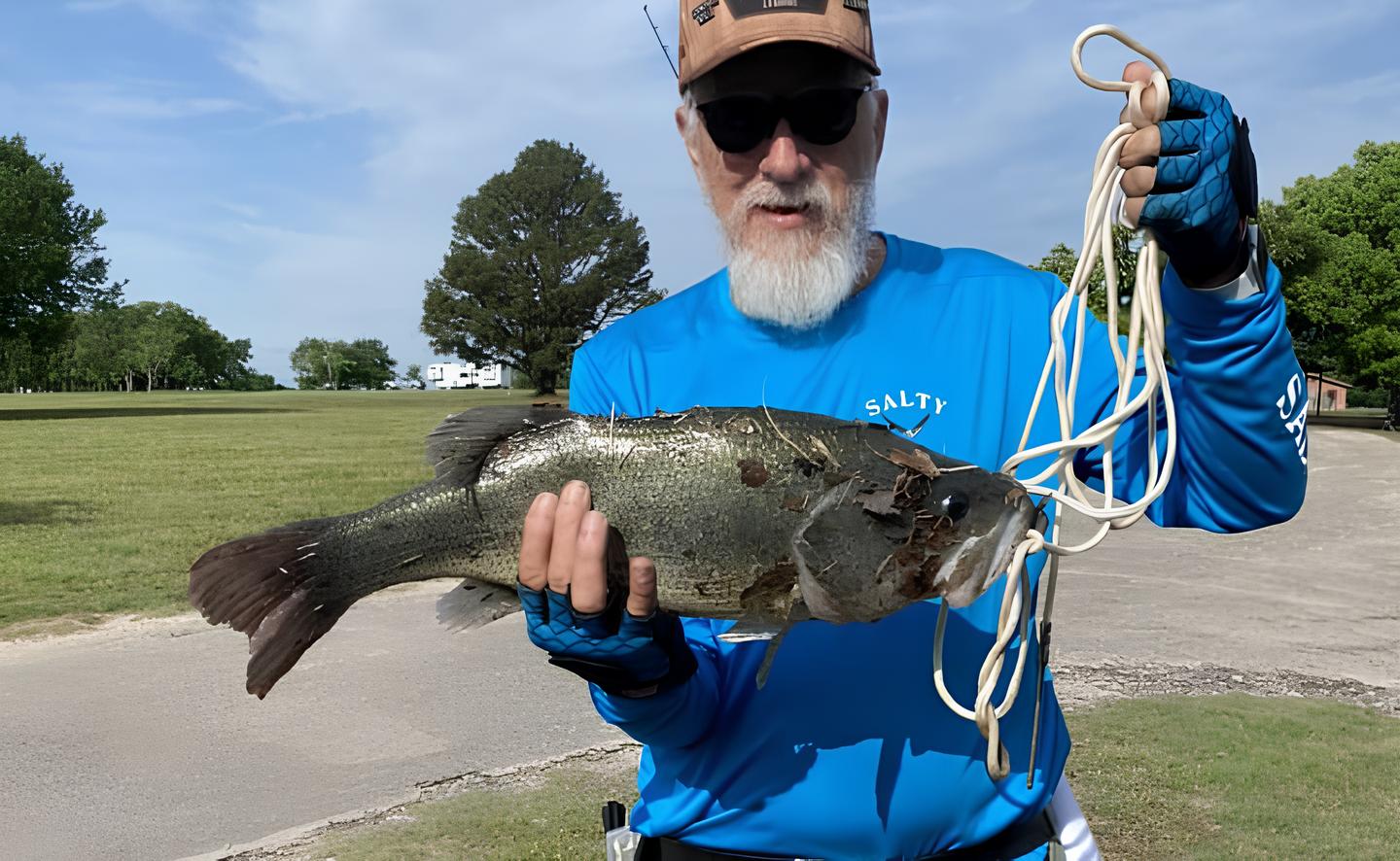
Yes! Largemouth Bass can live in saltwater, particularly brackish saltwater around the mouth of rivers and estuaries where freshwater meets saltwater.
Does Saltwater Bass live in brackish water?
Like a lot of Freshwater Bass species, Saltwater Bass species are equally at home in brackish water where fresh and saltwater meet.
Does Striped Bass live in saltwater?
Yes! Striped Bass are one of the most popular Saltwater Bass species, and Stripey, as they’re affectionately known, not only put a great fight on rod and reel but also taste fantastic.
Now you should have a clear idea of what Saltwater Bass is, the best techniques for catching them, and even some of the best spots to try your luck at a little Bass fishing.
Remember, before you cast a line chasing after saltwater Bass, check that in with your local fish, wildlife, and game department to ensure you have a valid fishing license if required and that you’re fully aware of season, size, and bag limits. By taking only the fish you need and releasing any undersized fish, you’re doing your part as a responsible angler to ensure that your kids or grandkids will have the same, if not better, fishing opportunities for years to come.
Thanks to the latest state-of-the-art technology in the Fishbox App, including the latest weather and tidal prediction software and algorithms, anglers can accurately track weather conditions in their fishing area and predict the best times to go fishing. Fishbox App combines predictive fish behavior with weather, lunar, and tidal conditions to deliver optimal fishing opportunities, regardless of where or when you plan on going angling.
The Fishbox App was developed in collaboration with accurate weather data and expert fish behavioral analysis. These advanced forecasts will significantly increase your catch rate while cutting down on how much time you spend fishing. Spend more time catching fish and have a more enjoyable time on the water thanks to the expert advice from the Fishbox App team.
Are you an experienced Saltwater Bass angler? Do you have any tips or tricks you’d like to share with new anglers? Drop a comment below! We love to hear thoughts and feedback from our readers, and you never know. You could help create a passionate, lifelong fellow Bass angler.
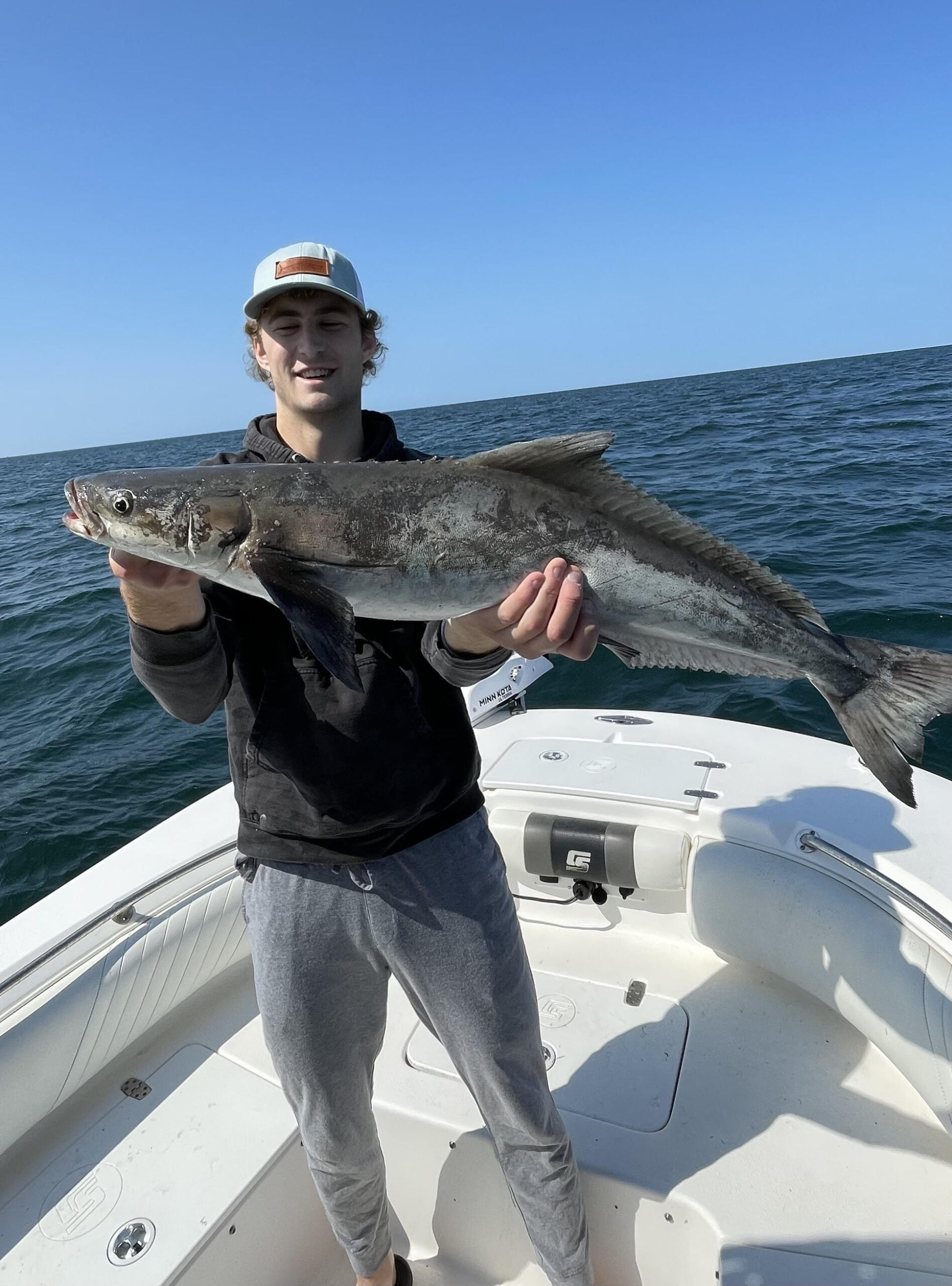
Like the article starts with, there are tons of saltwater bass species out there — a few of which I have fished for before.Additionally, when fishing for these species, I have found a lot of success and would be happy to share a few of my own comments and pieces of advice in addition to the article provided.
Following the brief summary of saltwater bass and their characteristics, I love how the article goes into detail and provides a list of the popular saltwater bass species. Of this list, I have caught the black sea bass and the striped bass — both of which are extremely fun to target and catch.
One thing I would like to highlight is just how different the approach to these species of “bass” is. For striped bass, I’m often fishing with lures and artificials near the surface of the water to attract an aggressive bite. However, when it comes to black sea bass, which are bottom-dwelling fish, I have to use squid or cut bait on bottom rigs deep down to target these tasty fish.
The article continues into a discussion of where we can find a lot of these bass species. In my experience, I have caught both black sea bass and striped bass on the East Coast (specifically in Ocean Isle Beach, NC).
The next section breaks down a variety of different targeting tactics for the different species of saltwater bass. To add some of my own personal experience and knowledge, let’s talk about my normal strategies for targeting the striped bass and the black sea bass.
For the striped bass, a highly aggressive fish, you have to focus on their predatory nature. They are voracious hunters, especially when feeding on baits on the top of the water. If you can find a school of these things busting on baits on the top of the water — you’re golden. Oftentimes, you can literally throw whatever you want at these suckers, and they’ll eat it. A few baits that I would recommend are silver spoons or topwater spooks.
Black sea bass, on the other hand, is a whole different ball game. To target black sea bass off the coast, I do the same thing just about every time. Using some kind of bottom rig (I prefer a chicken rig with two hooks), bait up with squid, and use a good-sized lead weight to get down to the bottom. Let your line out until you feel the bump of the bottom, close the bail, and then wait for the bite. Chances are that if you are on any sort of structure past about 40 feet of water, there will be black sea bass on it. It is important to note that sometimes these fish can be found shallower and not on structure, but for the bigger ones, you need to focus your efforts on deeper water around structure where they like to hold.
The article then closes with a quick gear discussion where I would like to add something. Because of the variety of these different saltwater bass species, one rod and reel is not really going to effectively cover your bases for all of these fish. Instead, I would recommend finding the fish you are interested in targeting the most and base your gear selection off of that, as opposed to a one-size-fits-all approach.
I hope you enjoyed reading this article and these comments, and as always, good luck and tight lines!