As we all know, fishing is extremely popular. After all, it is the very reason you are sitting here reading this article. Furthermore, one branch of fishing, saltwater fishing, is particularly popular, and this popularity continues to rise even more as time goes on. As you know, in order to fish successfully in any conditions, you must have the right gear. This is even more true when fishing in saltwater with bigger fish, stronger fish, harsher environments, and more. For this reason, we thought it necessary to write an article to give you guys a better idea of the gear you need to use for saltwater fishing. Today, that gear we’re going to be talking about is saltwater fishing rods.
Table of contents
Now sure, you may be thinking that any rod can be used for saltwater, and while this may be somewhat true, I’m going to offer some other research and expert advice that will help you better select your fishing tackle for saltwater. In this guide, we’re going to cover all sorts of helpful information including rod types, rod sizes, expert recommendations, and much more.
Speaking of helpful information and resources, the Fishbox app is another great tool that you should be utilizing as a fisherman. Not only can this app give great fishing and weather data such as bite scores and other things based on over 40 metrics, but based on your preferences by filling out a short quiz, it can actually give you a personal fishing map. The future of fishing is contained in the Fishbox app, so I would encourage you guys to give it a try.
Without further ado, let’s jump into the article and figure out which saltwater fishing rods are best for you.
Why Saltwater Fishing Requires Specialized Rods
Key Differences Between Salt and Freshwater Fishing Rods
Durability: Because of the nature of saltwater fishing and the harsher environment that it presents, saltwater fishing rods have to be more durable than their freshwater counterparts. Salt air and saltwater tend to eat away and corrode many materials making the aspect of durability extremely important.
Materials: The materials in saltwater rods can often differ from freshwater rods as well. The need for durability is reflected in the choice of materials which are often graphite, composites or even fiberglass to slow down the usual wear.
Guides: Oftentimes, you’ll notice that saltwater fishing rods have more guides spaced along the length of the rod compared to freshwater rods. This is because saltwater setups usually involve heavier lines, and the extra guides help distribute stress more evenly, providing better support and stability. Additionally, the guides on saltwater rods are typically built from higher-quality, corrosion-resistant materials, since manufacturers know they’ll be exposed to tough conditions and hard use.
Price: Another major difference between fresh and saltwater fishing rods is the price. You will very quickly realize upon walking into Bass Pro that a saltwater rod costs a significant amount of money more than a freshwater rod. However, this price increase is also reflected in an increase in quality as well as overall longevity.
Power: The last thing I’d like to mention here is rod power. At the end of the day, the average size and strength of fish in saltwater are greater than those in freshwater. Because of this, you need more force to control and move these fish to your advantage. That’s why saltwater rods are built with significantly more pulling power and strength to get the job done.
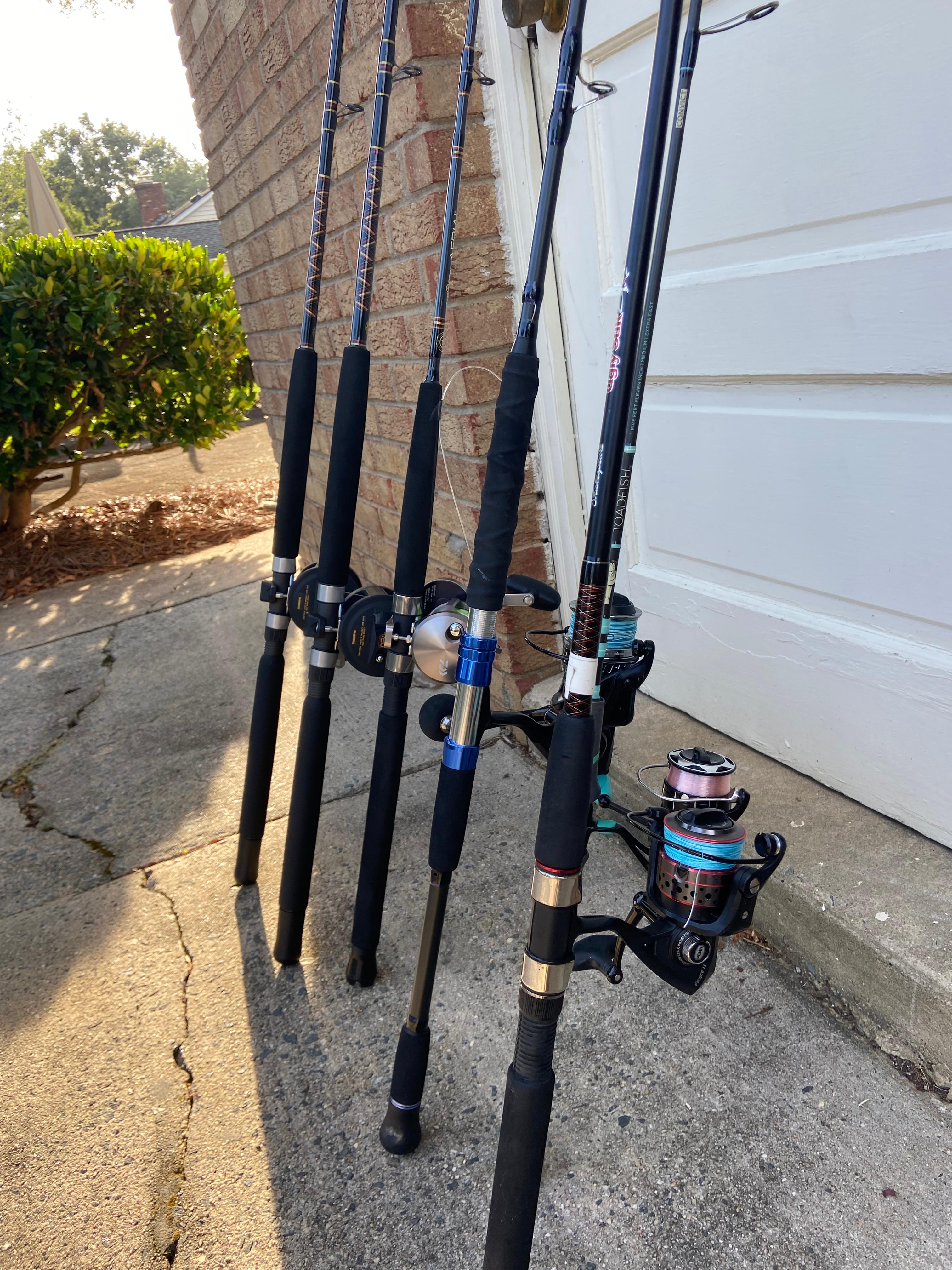
Saltwater Rods
Key Challenges of Saltwater Fishing
Corrosion: Like I mentioned above, corrosion is a massive challenge when it comes to saltwater fishing. Things break easier, get weaker quicker and simply don’t last as long.
Large Fish: Again, like I mentioned earlier, the average saltwater fish is bigger than freshwater, especially if you are fishing offshore. This is challenging because you have to use bigger and stronger gear.
Long Casts: When fishing in saltwater, especially when casting artificials, you need a long casting range to be the most effective. It’s not like you can always just flip out a bait like you can when freshwater fishing.
Heavy Lures/Rigs: Lots of times, the strain put on saltwater rods is more than freshwater because of the weight and type of tackle used. This can include things like baits with massive bills, really heavy lines and leaders, and monster lead weights to get your bait down to the bottom.
Cost: Cost is probably the single biggest factor that makes saltwater fishing such a challenge. You really can’t just go out and buy a cheap rod and go fish for king mackerel—sure there are more affordable options, but never cheaper than just picking up a rod to bass fish at Walmart.
Changing Conditions: Yes, conditions can change in freshwater as well, however, the changing conditions in saltwater are far more exaggerated and have greater ceilings when it comes to wind, current, tides, temperature and more.
Graphite: These rods are going to be a whole lot more brittle than other rods, but have the sensitivity needed for saltwater inshore fishing. They aren’t designed to hold up to a ton of bend or pressure like fiberglass or composite. Graphite rods are also very light weight.
Fiberglass: These rods are the strongest of the bunch. They aren’t designed to be as sensitive as graphite or composite rods, but they make up for that in terms of power and leverage. Fiberglass is what most offshore saltwater fishing rods will be made out of.
Composite: These rods are a mix of the two giving you essentially the best of both worlds. They have some of the sensitivity of a graphite rod and some of the power of a fiberglass rod.
Types of Saltwater Fishing Rods
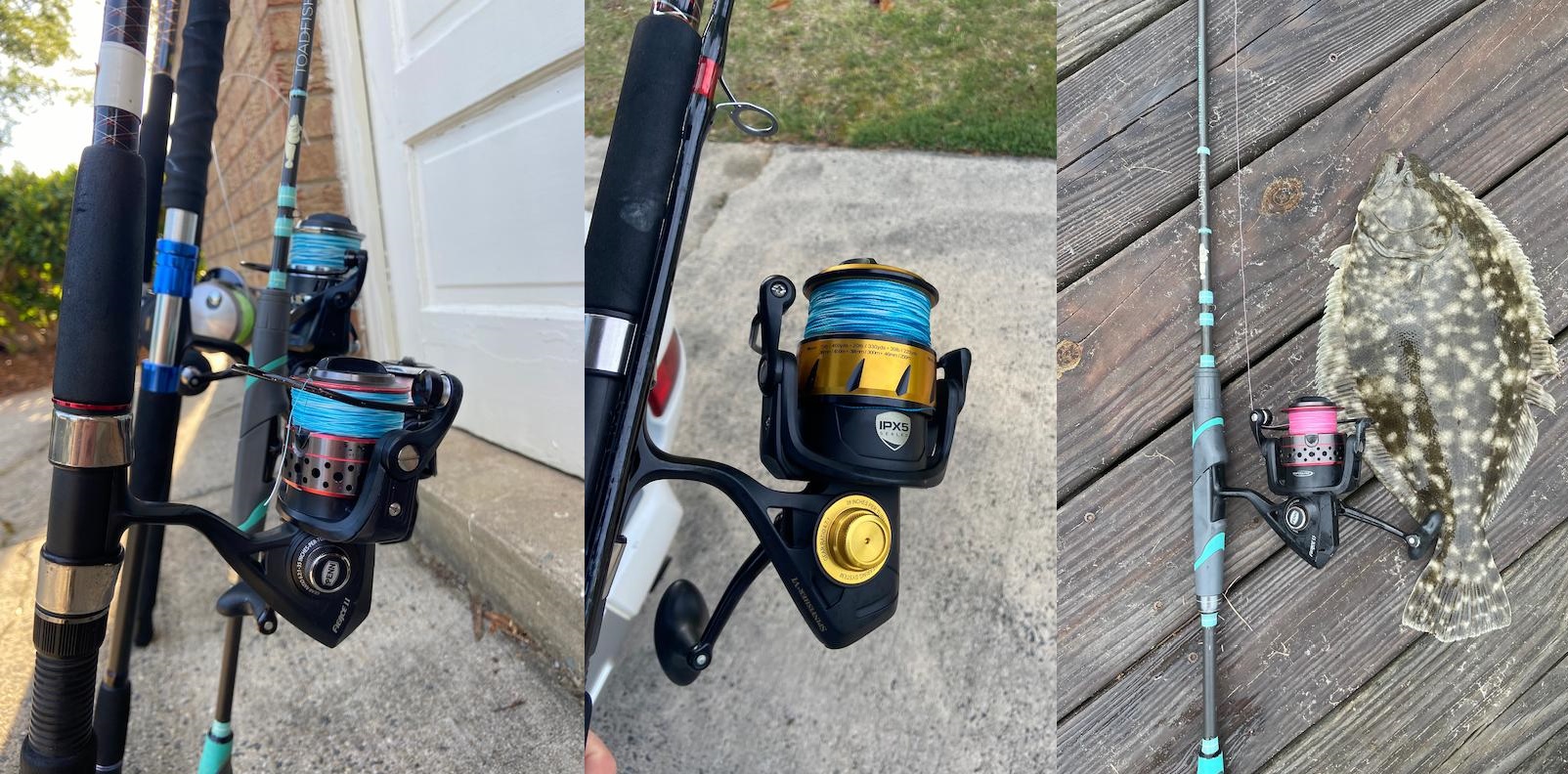
Spinning Rods
These are the rods that go with spinning reels. They are very easy to use and can be used by anyone from beginner to expert.
Pros:
Super easy to use
Doesn’t backlash
You can cast super far
Good for lighter tackle and inshore fishing
Cons:
Not great for big game fish or offshore fishing
Casting Rods
These rods can be slightly challenging and unwieldy to use, especially for a beginner. They are used with either baitcasting or conventional reels and are often used for heavier applications than spinning rods.
Pros:
Large amount of leverage making it easier to fight bigger fish
Really good for using heavier line and/or lures
Cons:
These are not beginner friendly at all
The reels can backlash very easily
It can take a while to get comfortable on this type of rod
Surf Rods
These are rods designed to be cast from the beach. Believe it or not, they can be either spinning or conventional. The most easily recognizable aspect about them is their length. I have seen surf rods as long as 15 feet before.
Pros:
Far longer casting range from the shore
Rod tip gets really high allowing for both good leverage and sensitivity
Built to wrangle large fish on the beach
Made extremely tough because they are the closest thing to actually in the saltwater
Cons:
These rods really can’t double in purpose because they are so long
They are very hard to move around and transport
Jigging Rods
These rods are often short and stout, meant to be continuously popped up and down so they take a beating. In addition, these rods are very sensitive and responsive so you can work your jig correctly.
Pros:
These rods are very sensitive
They can often be used with surface irons on the top of the water or for bottom fishing with jigs
Cons:
These rods won’t find much other use outside of jigging
They can get very pricey
Using these rods can make you extremely tired because of all of the repetitive movement
Trolling Rods
Oftentimes heavier rods. They are meant to drag baits behind the boat while moving so they do have to hold up significant amounts of force such as planers or big bills.
Pros:
The rods are generally pretty small but are extremely stout and powerful
They can absolutely work bigger fish
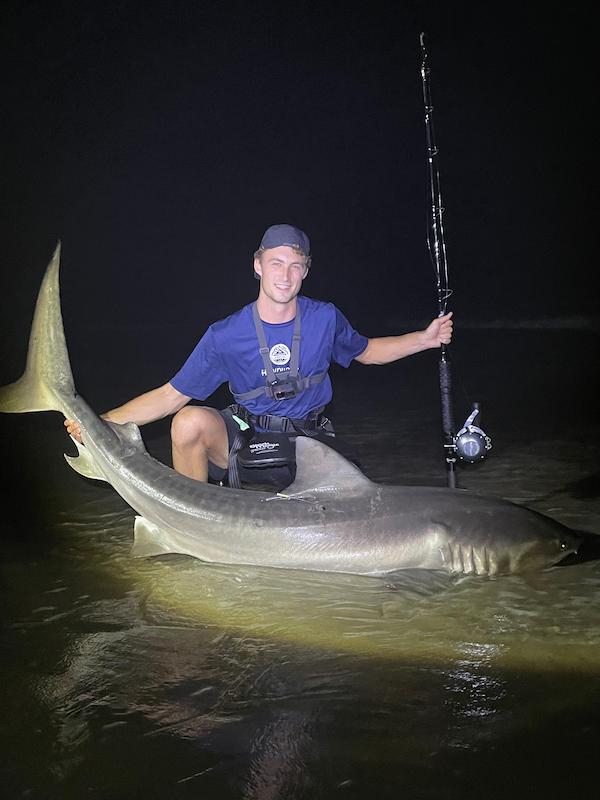
Trolling rods can also be used for a variety of other fishing applications such as shark fishing, deep dropping, bottom fishing and more
These can carry a ton of line and very heavy line too
Cons:
You will absolutely not be able to cast with these rods
They can be very thick and heavy
Boat Rods
This is just a pretty broad category of rods in the first place. To clarify we’re going to say boat rods are rods that can strictly be used from a boat. This can include bent butt rods, jigging rods, etc.
Pros:
Highly effective from a boat because that is what they were designed for
They too can handle larger loads
Cons:
The only real con is the fact that they can only be used on boats because that’s what they were designed to do
Saltwater Fishing Rod Size Chart and Action Explained
Before I jump into this section, there are some details and terms that I think we need to be familiar with. Now, for my experienced anglers, you can gloss over this section, but for my beginners you’re going to want to pay attention. Here are the key terms:
Power: This is essentially a measure of how much weight the rod can move. The more power the rod has, the more backbone the rod has. You need to know what this means if you plan on ordering new saltwater fishing rods. Power ranges most typically from light or ultra elite to heavy or extra heavy (in some cases extra extra heavy).
Action: This is going to be the sensitivity or how easily you are able to feel a bite. The faster the action, the most finesse the rod will have. Think for example a fly-fishing rod—that would be an example of a fast rod. Rod action ranges from fast to slow.
Line Weight: While it sounds simple, some anglers don’t know what these line weights mean on the reel. For those wondering, this has nothing to do with line capacity. Instead, line weight is what the rod is meant to hold on it—what size line. If the rod is a 30 to 50 lb rated rod, then 30 to 50 lb line should be on that sucker.
Lure Weight: Lure weight is almost the exact same thing, but this time, about lures. However, this also applies to anything you tie onto your line that’s being casted whether that be a jig, lead weight, underwater camera etc. It is important to note that these numbers (line weight and lure weight) are meant to make your rod perform to the best of its ability—not to hold you back. While I would say going over the lure weight isn’t that uncommon for me because of the weight of some of the leads I have to drop, I would not go over the recommended line weight.
Below, I’ve created a table that effectively summarizes many of the key characteristics of saltwater fishing rods. Some of these characteristics include length, fishing style, power, action, line weight, lure weight.
Notes:
Light: L
Medium: M
Heavy: H
Fast: F
Moderate: M
Slow: S
Rod Type
Typical Length
Power
Action
Line Weight
Lure Weight
Best For
Spinning Rod
6’6” – 8’
L – MH
F – M
8 – 30 lb
¼ – 1 ½ oz
Inshore, Kayak, Pier, Jetty
Casting Rod
6’ – 7’6”
M – H
F
10 – 50 lb
½ – 3 oz
Heavy Cover, Bigger Fish
Surf Rod
9’ – 15’
MH – H
M
15 – 50+
1 – 8 oz
Surf Fishing, Shore Casting
Jigging Rod
5’ – 6’6”
M – XH
F
30 – 100 lb braid
3 – 10 oz
Vertical Jigging, Deep Water
Trolling Rod
5’6” – 7’
H – XH
M – S
30 – 130 lb
No Cast
Offshore, Big Game Trolling
Boat Rod
5’ – 7’
MH – H
M
20 – 80 lb
2 – 6 oz
Bottom Fishing, Reef Fishing
How to Choose Your Rod Based on Target Species and Location
Now that we know a lot more information, it’s time to talk about actually deciding what kind of rod we want to go with given certain factors like species and location. I always harp on this, but planning for success is what will make or break your day. You always want to go out on the water with the best chances of success, and choosing the right gear is the first place to start.
Location: I only really have two things on this list to talk about, but location is first for a reason. The first thing you must do when determining what kind of rod to get is figure out where you are going to be fishing. Will you be fishing from a boat, the bank, a cliff? This is an important question. For example, if you’re going to be primarily fishing on a boat, then you obviously don’t want to get a surf rod because that would not be practical. After you figure out how you are fishing, figure out where you are fishing. Offshore? Nearshore? Inshore? Once you know these things, you generally have a better idea of what you should be using or buying. Now, onto the species.
Target Species: Equally as important is considering the species you are targeting. If you are targeting grouper on the bottom, you will want a stouter trolling rod or jigging rod that can hold a good bit of weight and has enough backbone to get that fish off of the bottom. However, if you are fishing for king mackerel, you want a more sensitive, longer casting or trolling rod because king mackerel can easily pull hooks and cut through line. These are just a couple of examples of how to pick rods. In addition, I would highly recommend asking experienced captains and guides for their advice on gear. At the end of the day, it’s important to do your research on both conditions and species before you completely settle on spending a bunch of money on a rod.
Expert Picks: Best Saltwater Fishing Rods
Finally, it’s my turn to give my own input on what rods you guys should be buying. Now, keep in mind that I am just one person giving advice here. There are millions of other anglers out there who will say differently than I will or might even hate what I have to say. What I am about to tell you is my opinion based on my own research and personal experience over the years. I’m going to divide my recommendations into three sections: rods for beginners, intermediates, and experts.
Beginner/Budget Friendly Rods:
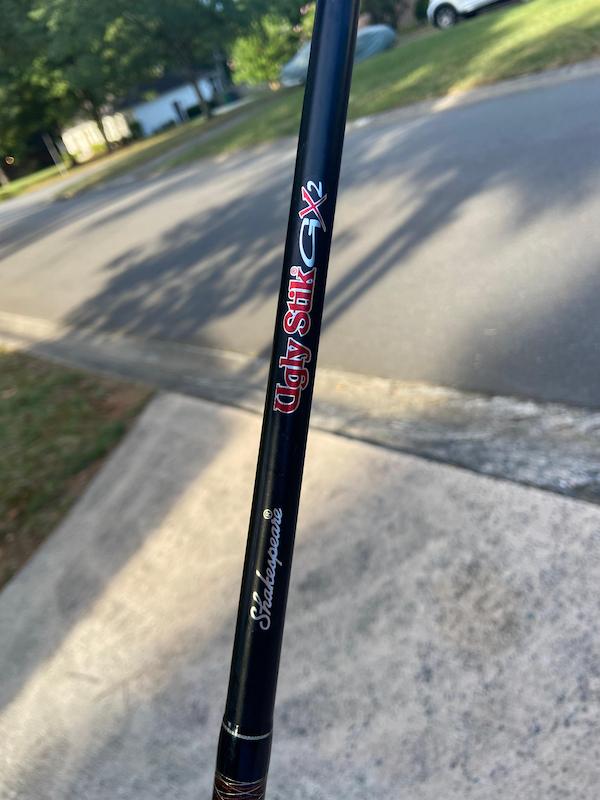
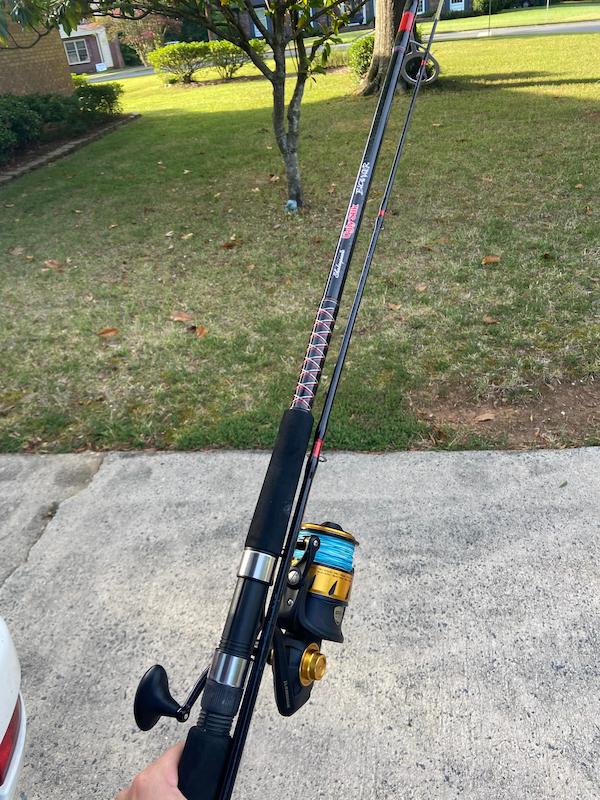
Model: Ugly Stick GX2 Spinning Rod 7’ Medium Heavy Fast ($64.95)
Pros: For the price you pay, this thing is indestructible. There’s a long warranty. It’s made well and very affordable.
Cons: I cannot think of a con that I have ever had with the rod—it’s that good. And no, I’m not affiliated with Ugly Stick.
Ideal Use: I’ve used this rod literally everywhere. Inshore, nearshore, on jetties, piers, beaches. It’s by far and away the most versatile rod I have ever used in my life and could not speak more highly of it.
Model: Ugly Stick GX2 Casting Rod 7’ Medium Fast ($64.95)
Pros: The most bang for your buck I’ve ever seen in a rod. Casts great with smooth eyelids. Made for holding up to saltwater elements. Ridiculous durability.
Cons: None that come to mind. I prefer spinning over casting though.
Ideal Uses: I know you think I’m crazy for putting virtually the same rod again, but y’all gotta give them a try. For the price, they are unmatched and undefeated. Once again, it can be used for just about anything saltwater fishing outside of deep sea and big game trolling.
Model: Ugly Stick Bigwater Conventional Rod 6’ M ($84.95)
Pros: Once again, Ugly Stick makes great, affordable, and quality rods that stand up to the saltwater environment. Really good backbone and enough to get a big fish up.
Cons: It won’t last as long as nicer trolling rods we will see in the other sections simply because you can’t get too good at this price point.
Ideal Use: The ideal use for this rod is going to trolling inshore or nearshore for species like bluefish, spanish mackerel, bonito, bonita, king mackerel, and cobia. It would definitely handle bigger fish if needed. The bigger the fish you think it will be handling, the shorter rod you should buy.
Model: St. Croix Mojo Inshore Spinning Rod 7’ ML Fast ($179.99)
Pros: St. Croix makes extremely high-quality fishing gear, and this rod is no exception. This rod is unbelievably lightweight and has great action. This rod is a great rod for inshore fishing of all types whether that be redfish, snook, flounder, and more.
Cons: This rod doesn’t come in a smaller size than 7’ which is slightly unfortunate for those wanting to use more compact rods.
Ideal Use: This is another great all-around inshore rod perfect for kayaking the flats or even walking the banks of the marsh.
Model: Fenwick HMG Inshore Casting Rod 7’ M Fast ($199.95)
Pros: Fenwick is an extremely respectable company that has deep roots in the saltwater fishing rod community. This rod is very well balanced and has the necessary components and materials to be corrosion resistant.
Cons: Because this rod is very much so meant for finesse and light tackle, it doesn’t have as much of a backbone giving it less pulling power to get the fish in. However, if you know how to use your drag right this shouldn’t be an issue.
Ideal Uses: This rod is great for throwing artificials in saltwater, particularly paddletails and other soft plastics swimbaits on the flat or in shallower water to feeding fish. This rod is a great rod for high accuracy casting such as sight fishing as well.
Model: Star Rods Sequence Boat Conventional Rod 6’4” H Fast ($152.95)
Pros: I’m a big fan of Star Rods for a few reasons. First, they make great products like this backed with stellar warranties because they trust their product. Second, they’re made right here in NC. Third, from personal experience, I know that they make great rods. This rod is affordable, yet very corrosion resistant and powerful.
Cons: The only con could potentially be the fact that you don’t have roller guides on these rods.
Ideal Use: This rod is a great all-around trolling rod and can also double as a bottom fishing rod as well. This rod is designed to be used from the boat as you might expect.
Model: G. Loomis NRX+ Spinning Rod 6’10” ML Fast ($625.00)
Pros: This saltwater spinning rod is at the top of the podium for high end inshore fishing rods. These rods are so light that you can barely feel them—and I mean it. G. Loomis prides themselves on sensitivity and this rod delivers. The rod is built of parts built to last a lifetime, so the investment is worth it for those with the budget.
Cons: This is an extremely expensive rod, and you need to be very serious about inshore fishing before making the decision to purchase one.
Ideal Use: This ideal use is essentially the same as all of the other inshore spinning rods I’ve recommended. You’re mostly going to want to use lighter artificials in which greater sensitivity is needed. This can be used throwing from the bank, kayak, etc.
Model: St. Croix Legend Tournament Inshore Casting Rod 7’ M Fast ($359.99)
Pros: This rod is made in the United States. Additionally, all the components are top of the line giving you superior corrosion resistance. Lastly, the rod is made with carbon fiber as its blank, giving it remarkable strength and sensitivity.
Cons: Once again, these lighter finesse rods probably shouldn’t be used with much lead at all such as a Carolina rig since they are meant for light tackle.
Ideal Uses: Casting into inshore species from the bank, kayak or pier with very light baits that match the rating of the rod.
Model: Shimano Terez Conventional Rod 6”6” XH Fast ($299.99)
Pros: This rod is lighter than a lot of other similar conventional rods giving you more control. Additionally, it’s made with the highest quality materials giving you the strength and saltwater corrosion resistance to land monster fish for a long time.
Cons: The only potential con is that this rod does not have roller guides, unfortunately, which some saltwater anglers prefer.
Ideal Use: The ideal use for this rod is blue water trolling for species like dolphin, tuna, wahoo and even billfish like marlin. This rod is built for the biggest of gamefish and built to be used from a boat.
Every single time you get back from fishing, you need to wash your rods within 2 hours of being on the dock. The sooner you wash them the better because salt and other grunge has less time to adhere.
Rinse the rods and then hit them gently with a soapy brush. Rinse the rods and then store them in a place out of the sun so that color and material doesn’t fade and wear away.
If the rod is a two-piece rod, be sure to separate and watch out the connection as this can become stuck together if not washed often.
Storage Recommendations:
Store out of the way of where people usually are. The last thing you want is for people to knock over the rods or step on them. I usually store my inside in a closet, on the side of the house in the shade, or on the ceiling of the room downstairs on a rack.
Try to store the rods as straight as possible. If you store rods bent up against a wall, that bend can actually stay there once you take it away. I personally made a PVC contraption to hold all of my rods perfectly upright.
Signs It’s Time to Replace Your Rod:
The easiest way to tell if the rod needs to be replaced is if the guides are getting rough and crusty. This can chafe the line and eventually lead to break offs. As much as you love that rod, it’s time to move on.
Sometimes, the eva grips on the bottom of certain types of rods can begin to fall off. When this “shedding” starts to occur, you need to start looking for new rods.
Lastly, if your rod is bending one way or another and isn’t straight anymore, it’s probably a good idea to start looking for a new one.
After reading this article, I hope you guys not only can get a better idea of some of the great saltwater fishing rods out there, but also just how important it is to have a fishing rod that you can trust will get the job done. My goal in this article was to give you some tips on how to be better prepared with your gear—specifically your saltwater fishing rods. Now, I know that budgets differ from time to time and person to person, but I hope that I have put together a decent selection for you guys. Also, if these rods don’t suit you or you have more questions, please feel free to let me know and I’d be happy to help you find the best rod that will suit your needs. Once again, I would highly recommend taking the Fishbox personalized quiz to give you some extra help on where to begin or continue your fishing journey. I hope this article was helpful, and I’ll see you next time to talk about saltwater fishing reels. As always, good luck and tight lines!
About author
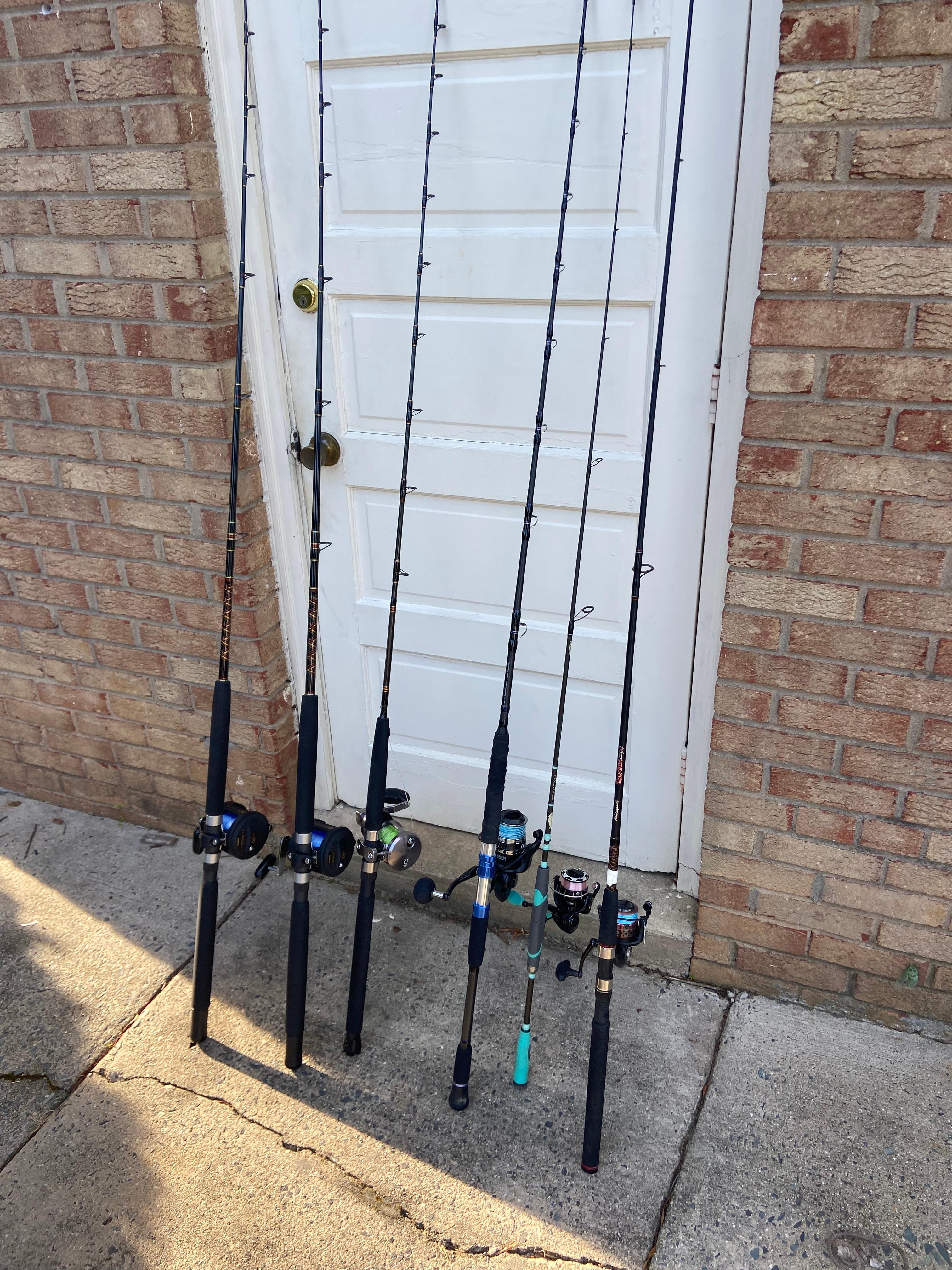
Photo Source: All photos in this article were provided by expert Pierce Latta.
Visit his:
Share this article
Pierce Latta
16 years fishing experience
Pierce Latta has been passionate about fishing since the age of three, growing up casting lines in both freshwater ponds around Charlotte, NC, and the saltwater of Ocean Isle Beach. With nearly 16 years of experience, he’s explored almost every style of fishing imaginable, from fly fishing and surf casting to offshore and inshore adventures. Pierce now shares his knowledge and enthusiasm with others, offering tips, techniques, and inspiration to help anglers of all levels discover the thrill of fishing.



![Where and How to Catch Live Bait for Saltwater Fishing [Expert Guide]](https://imgcdn.fishbox.com/wp-blog/wp-content/uploads/2024/03/spanish-mackerel-fishing-pierce-latta-scaled-1-1.jpg)