Ever since COVID, the fishing world has exploded in popularity. More and more people are getting outside and taking up the sport. Even more specifically, saltwater fishing has grown exponentially in recent years, pushing unprecedented numbers of anglers to the water in search of their trophy fish.
While many of these saltwater anglers love to use live and natural baits, there is a growing group of fans of saltwater fishing with artificial baits, or lures. These lures present a unique challenge to anglers, oftentimes offering a far higher mental reward if one can coerce a fish into biting something that isn’t alive.
Not only has this phenomenon taken the world by storm, but it has also taken me in recent years, especially about topwater applications. Thanks to the knowledge that the Fishbox App provides and my newfound affinity for saltwater fishing lures, I can be far more confident that when I go out to fish, I will have a good day on the water.
You may be asking, “Pierce, what is the Fishbox?”. Well, let me tell you. The Fishbox App is your one-stop shop for all fishing-related information, such as tides, wind, weather, etc. If you take this quick survey, the Fishbox App will give you insights that will allow you to improve your days on the water.
Without further delay, let’s get into the article to figure out what artificial baits and lures we can throw in saltwater to yield the best results in various conditions and environments.
What Makes a Good Saltwater Lure
Durability
One of the biggest factors for a good saltwater lure is its durability and toughness. Some important questions are: Could this bait be used to catch more than one fish? Will it get beat up easily? Does it rust after use? These are all great examples.
So, when I spend money on a saltwater lure, I want to know if it will last. These lures aren’t generally the cheapest, so I expect a bang for my buck.
One of the first things I would look for is corrosion-resistant hooks and split rings. These prolong the life of a lure exponentially.
Another factor to take into consideration is whether or not the artificial is hard or soft. If it is hard bait, consider the paint job and how well it will stay. If it is a soft plastic, you must consider whether the species you’re targeting has teeth and how long you can use one of these plastics.
So, in summary, find lures that are saltwater/corrosion resistant with hardy paint jobs (like Nomad lures) and plastics that can take more of a beating (Zman).
Since the entire goal of artificial lures is to mimic the natural prey that fish feed on in real life, the factor of realistic movement and appearance is huge. We want the artificial to look as real as possible so that the target species thinks that it is nothing more than one of those fish he eats every other day of the week.
I would highly recommend looking at underwater tests on YouTube to find information on the movement of different lures and plastics, and see what you prefer.
In addition, you also want the appearance to resemble the natural prey as closely as possible. This is the reason why I prefer natural paint patterns and colors as opposed to crazy color schemes for a lot of my saltwater lures.
Now, there is a place for crazy colors, but for the most part, you want your bait’s appearance to match what is found in nature.
Casting Distance/Weight
When fishing saltwater, casting distance and thus the weight of your lure are huge factors in determining whether a bait is good. This does depend on the application.
For example, if you are fishing in shallow water for inshore fish and are closer to the fish, you don’t need as much weight to make the necessary cast.
Another example is throwing saltwater lures at busting fish in the ocean. You often have no clue where these fish will pop up, and it can sometimes be far away from the boat. This being said, I would want a spoon or jig with some weight to it to effectively get to the fish.
In summary, you just need to identify how far your cast should be to catch the target species and match it to the weight of your lure.
Price
Price is another huge factor in determining whether a bait is good. Now, a little side note before I continue, you have to be able to pay higher prices for nicer lures. The higher you pay, for the most part, the better the bait should be in terms of quality and construction.
We would all love cheap baits that work well, but this is often untrue. It depends on how particular the fish are with artificial baits.
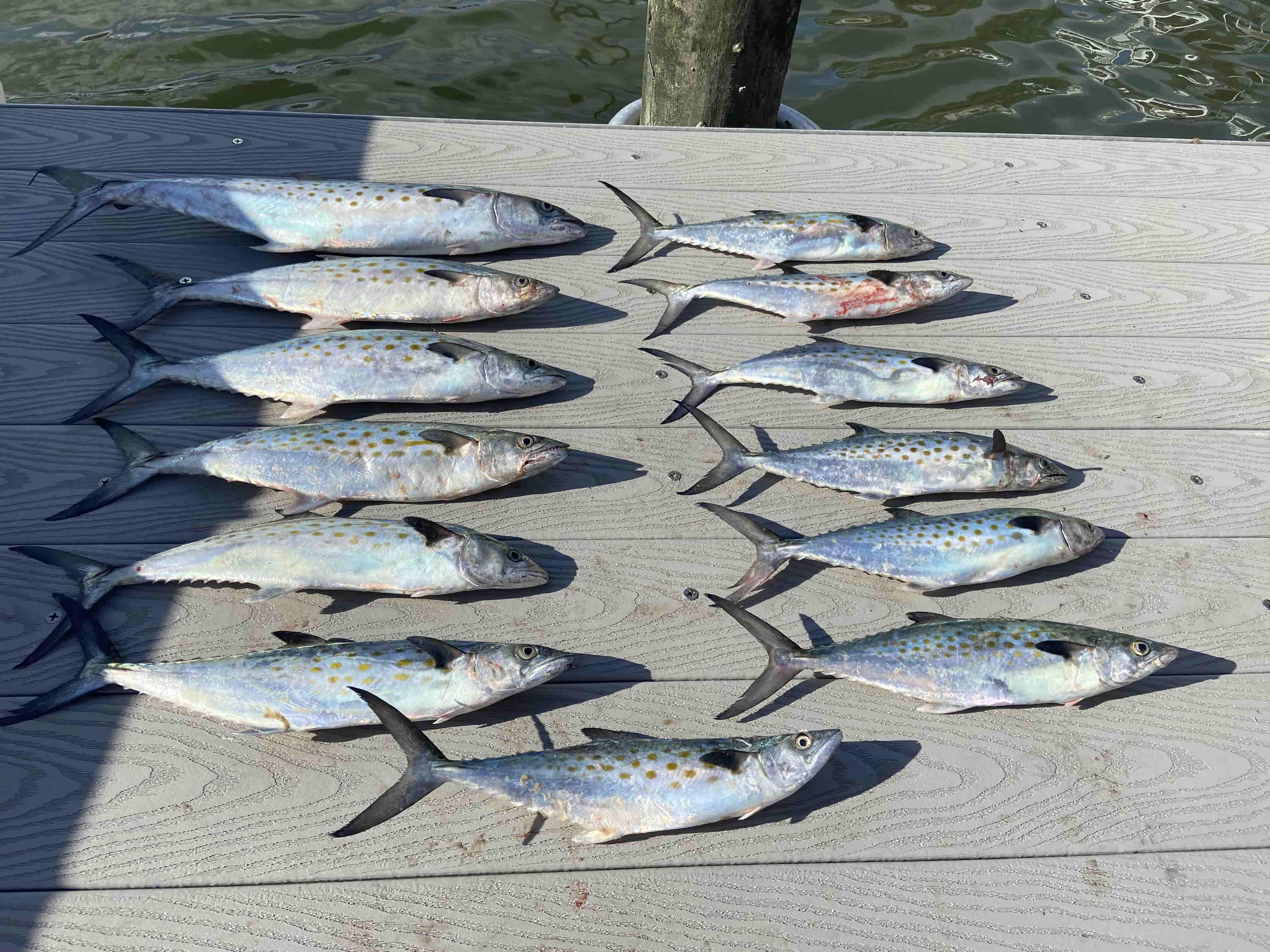
When the bluefish and Spanish mackerel are thick in the Fall and busting on the top, it doesn’t matter what you throw at them. In this situation, the cheaper the spoon, the better because the fish doesn’t care, and you might lose a few.
You may need to invest more money to get the performing baits for other situations where the fish are finicky, such as wintertime trout.
Colors Available
Having a good variety of colors and patterns with an artificial bait is extremely helpful, especially if some of the factors above are already met. Colors can be changed, and the bait profile stays the same, meaning you can far more easily adapt to different water conditions and situations.
So, in summary, the more color options available, the better. However, I would like to note that I prefer to throw natural colors before trying anything else.
Useability
The last factor I would like to touch on that makes a bait great is its overall usability: how much you can use bait this year-round. A year-round bait is always a great purchase because you know it can work in every season.
For me, this is probably a simple metal casting jig. I have a great range and affordability, and I can use it across seasons and for different species, doubling its usability.
Try to find your bread-and-butter artificial saltwater lures and stick to them for the most success.
Types of Saltwater Lures Explained
Soft Plastics
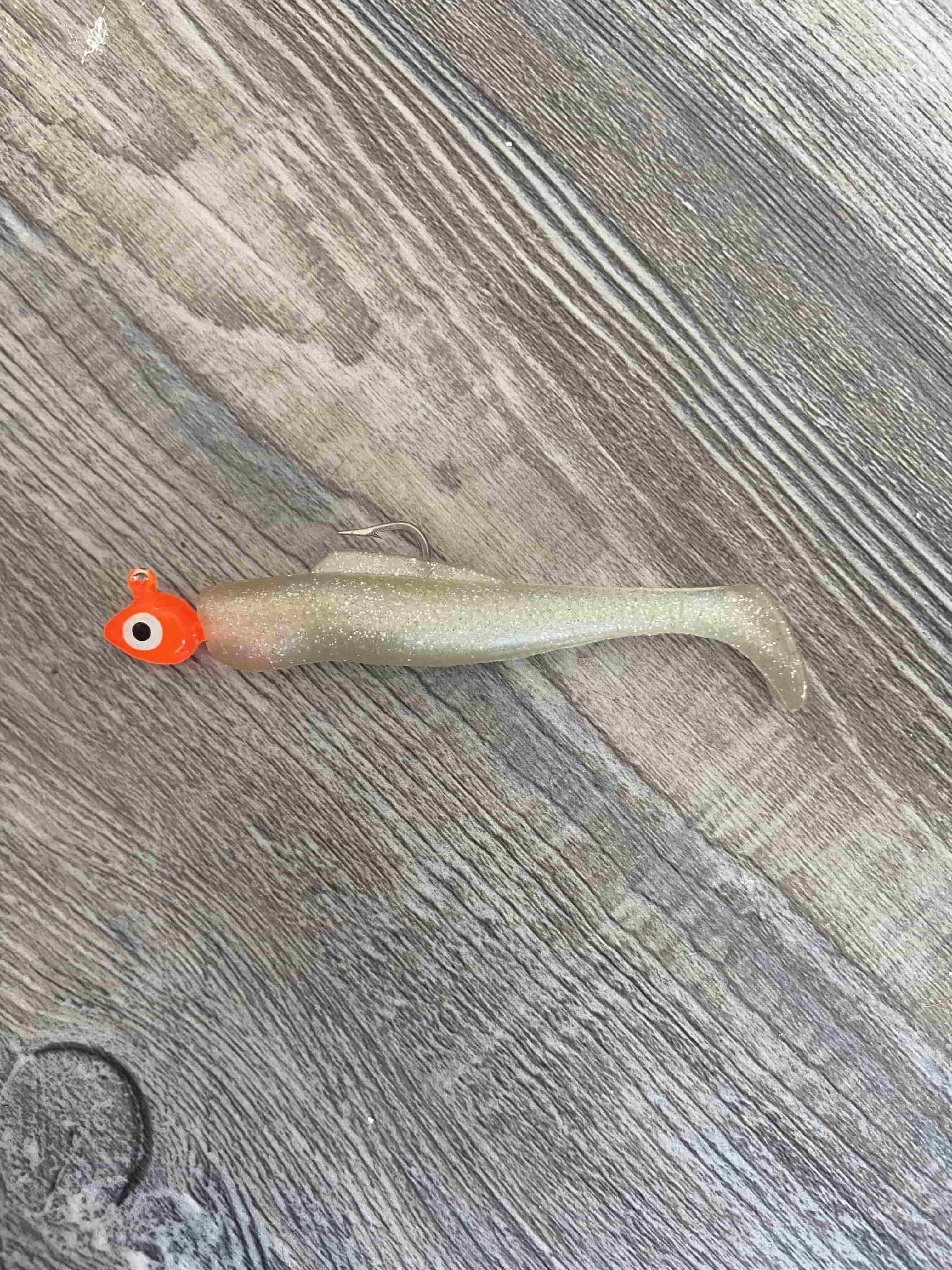
Paddletails:
Pros: Paddletails give very good action and require little skill to produce the desired action. In addition, paddletails work on a variety of different species and can be used all year.
Cons: Paddletails can become chewed up and destroyed very easily, especially by toothier fish, so they don’t have great longevity.
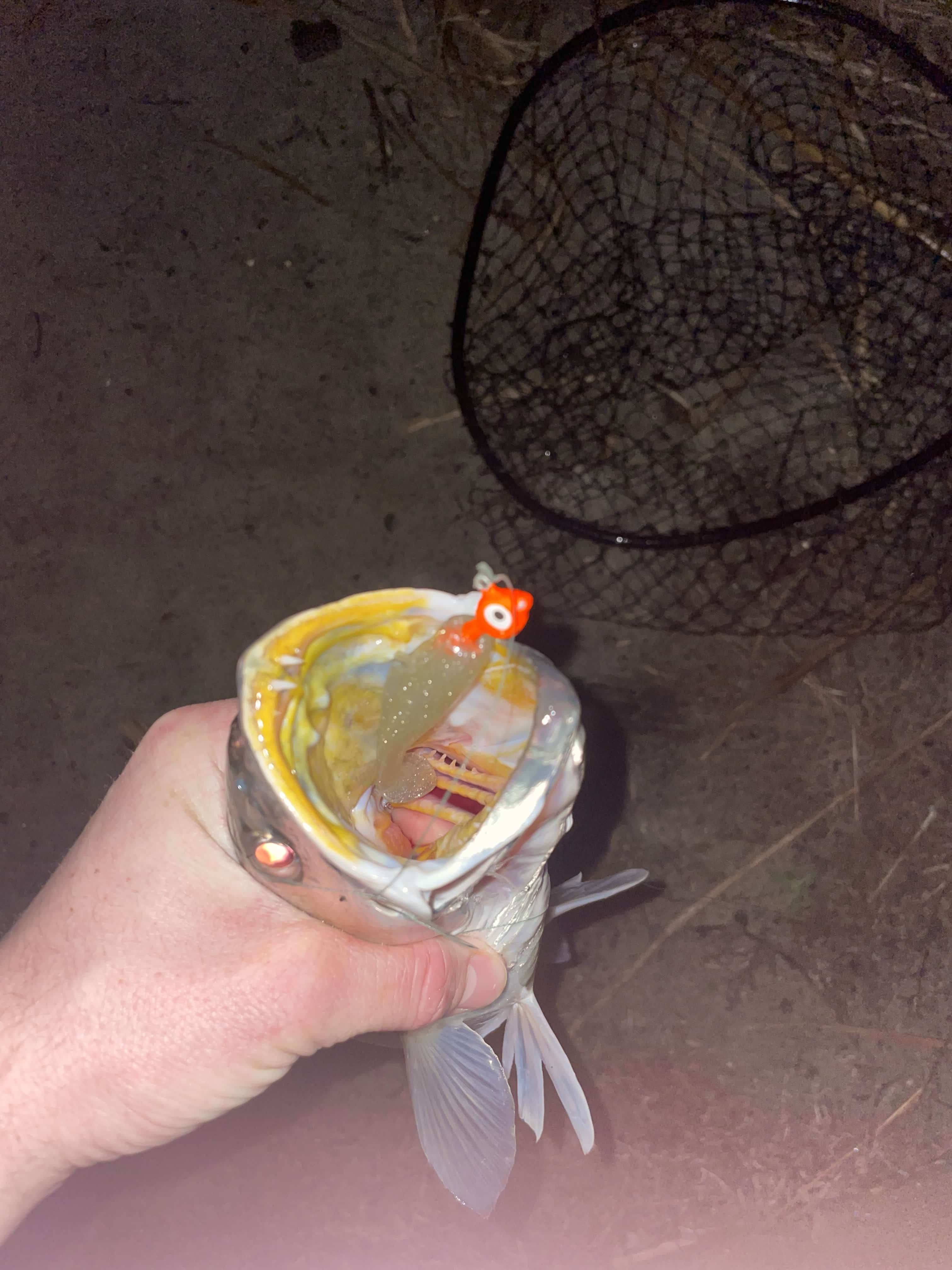
Ideal Uses: Paddletails are great for most inshore species like redfish, speckled trout, and flounder, especially when paired with a jighead.
Flukes:
Pros: Fluke fish are similar to paddletails and give great action if used correctly. They imitate fleeing minnows very well.
Cons: Like paddletails and most soft plastics, they get torn up very easily and don’t last too long. In addition, if you’re unfamiliar with using a fluke, it may take some time to get the right action down.
Ideal Uses: Once again, flukes are also great for inshore species like those listed above and can be fished weightless, Texas rigged, or even with a jighead.
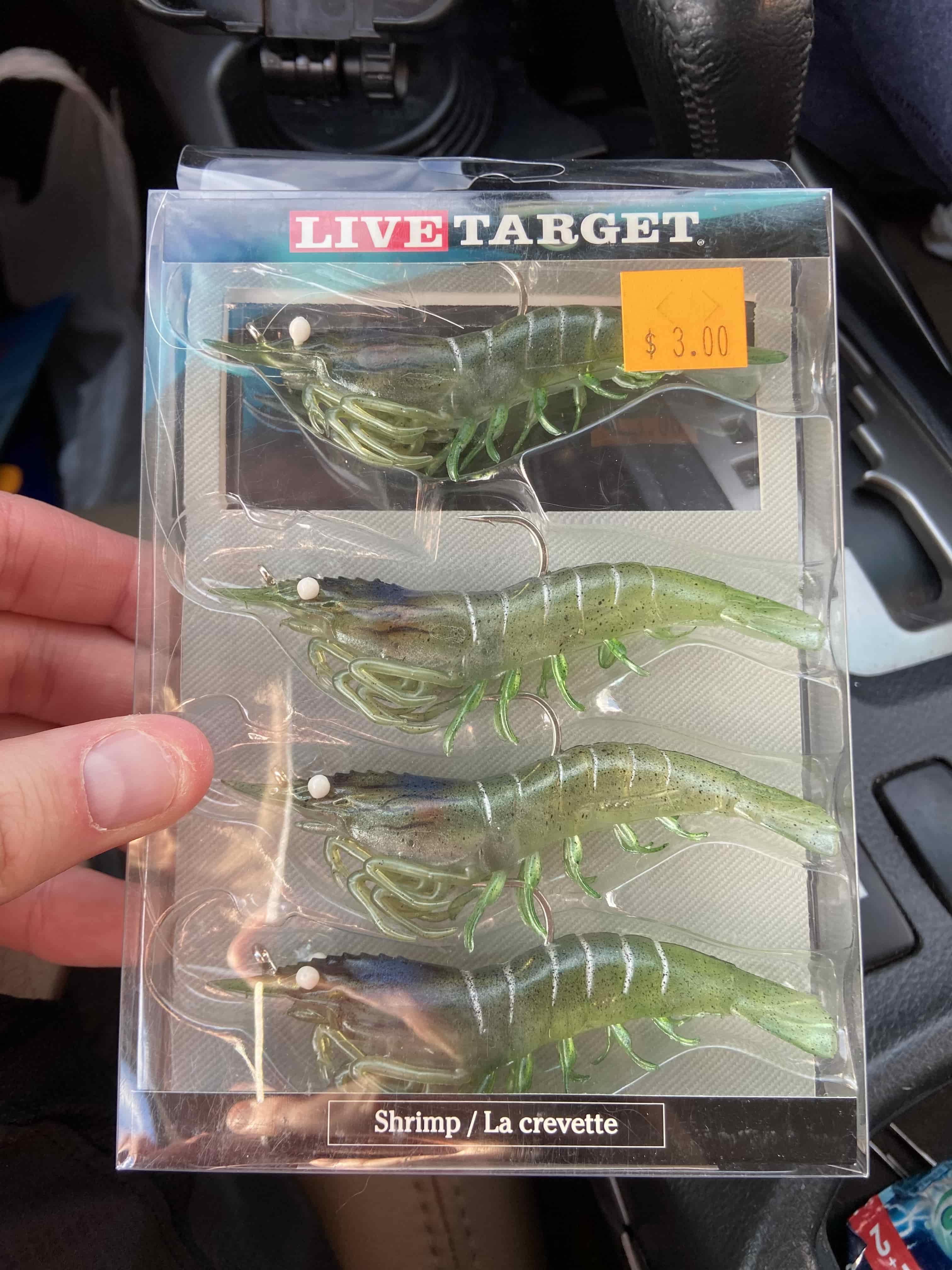
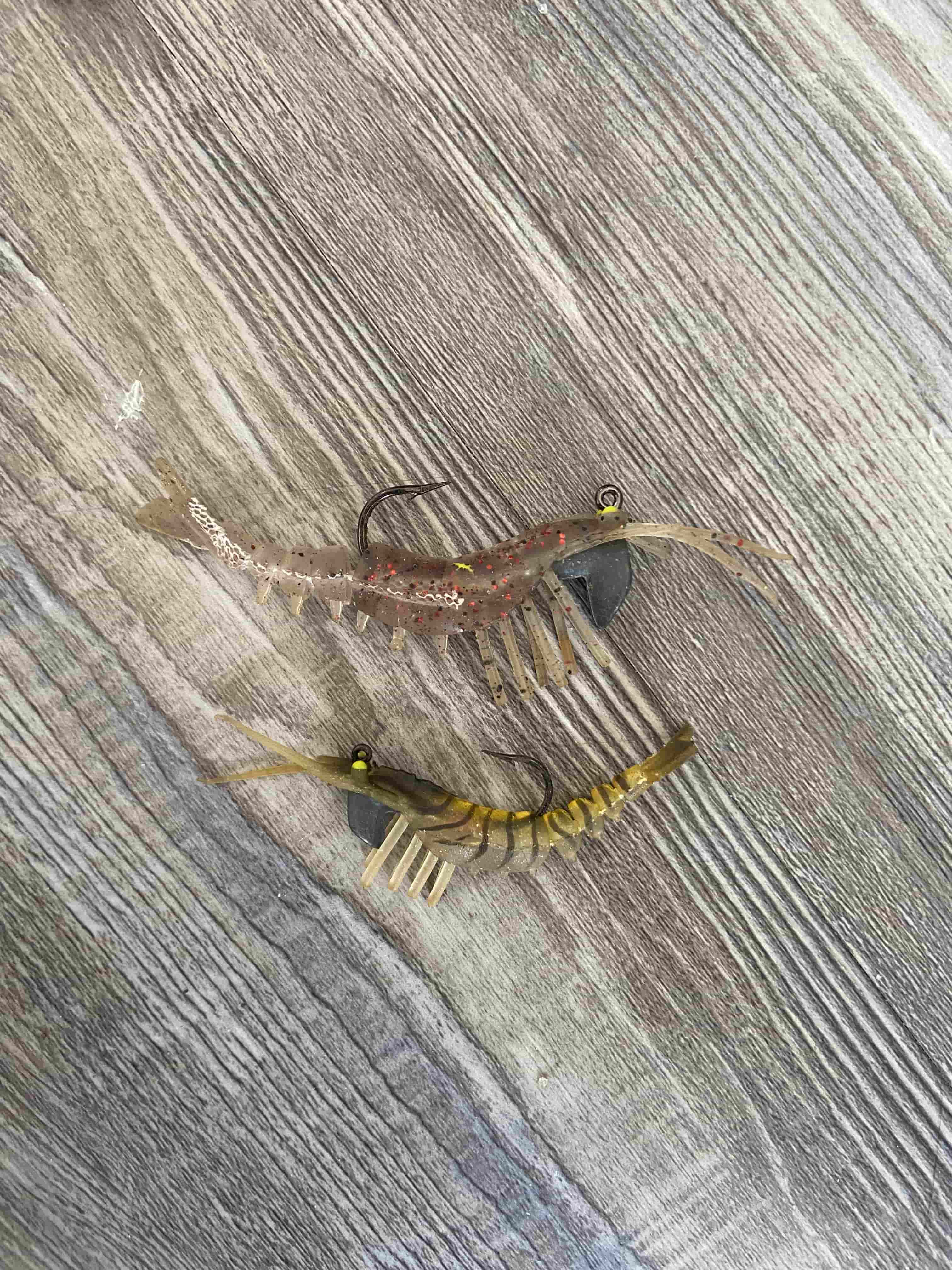
Shrimp:
Pros: Shrimp artificially are very good at mimicking real live shrimp. They are also typically harder than the average soft plastic and have a weight built into them most of the time.
Cons: Fish can be hesitant to hit these lures; in my experience, they almost always prefer live shrimp.
Ideal Uses: The inshore fishery will be your best bet. Target redfish and trout with this lure. It can also be fished under a popping cork if desired.
PaddletailArtificial shrimp
Hard Baits
Spooks:
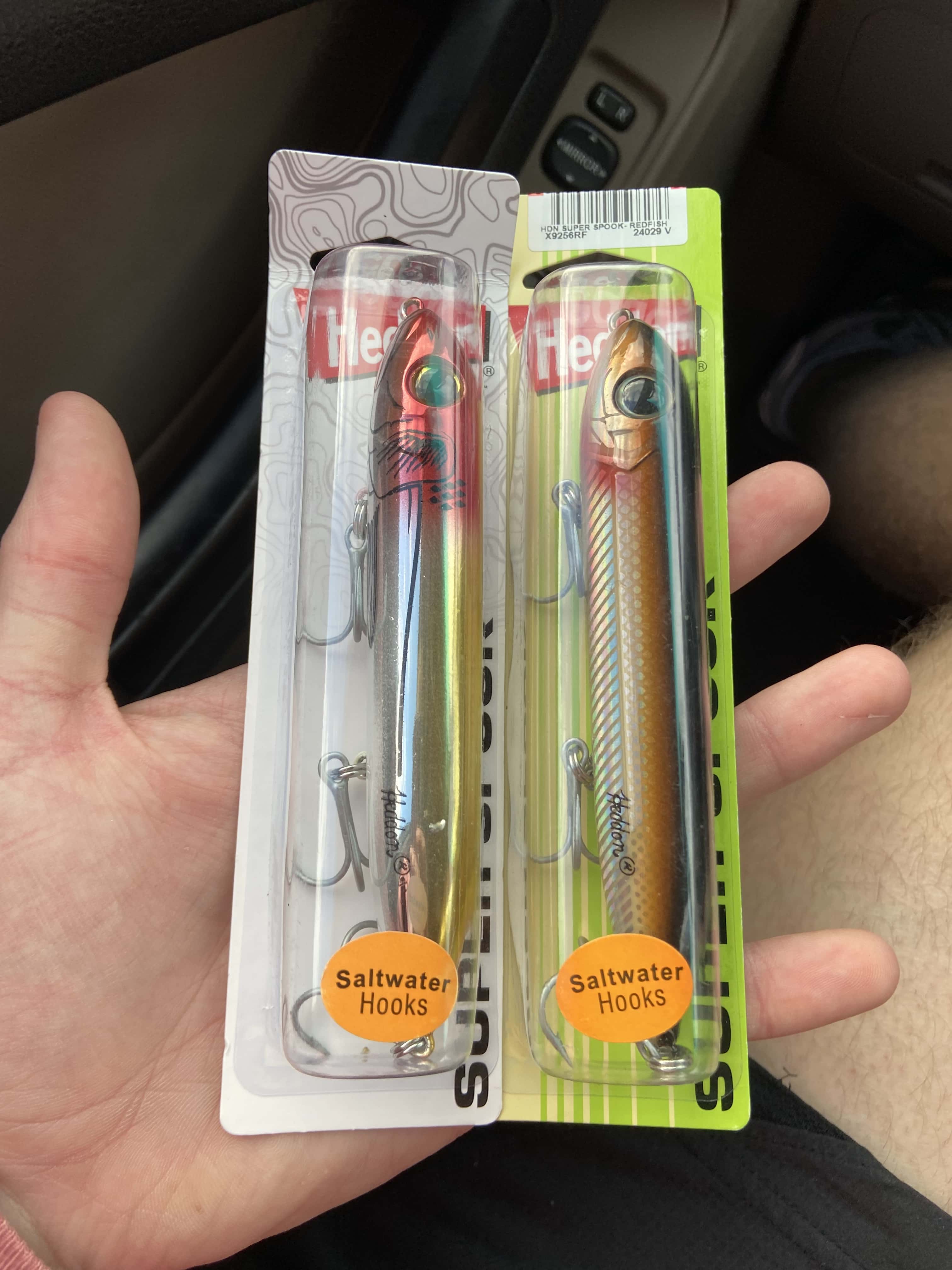
Pros: Great action on topwater and can convince fired-up fish to strike. This makes for epic bites. These baits are also very durable.
Cons: Getting two trebles out of a fish’s mouth can be a pain sometimes. I might even recommend swapping for two single hooks instead. This bait also doesn’t fish well in high winds.
Ideal Uses: Inshore saltwater once again, but can be used in the offshore scene with some of the bigger models.
Poppers:
Pros: Another great bait for convincing active fish to strike, especially in the early morning or evening. An amazing bait to use offshore, especially with bigger poppers, as they move a lot of water, which draws attention.
Cons: These also fish horribly in the wind and waves.
Ideal Uses: The same as the spook for inshore species, but it is also a killer offshore, especially when you know fish are on the top feeding. If there are fish feeding, throw a big popper.
Deep Diving Crankbaits:
Pros: These crankbaits cover more water since they can easily reach the water column’s middle. Multiple applications, from trolling to casting.
Cons: The line can get tangled in the hooks very easily, and a lot of stress and pressure is put on the rod when throwing them if there is a big enough bill.
Ideal Uses: Trolling to find fish, and you’re marking stuff in the middle of the water column that isn’t wanting to come up. Another ideal use is if you don’t have live or dead bait and still want to fish and cover the ground.
Lipless Crankbaits:
Pros: It fishes just below the surface and quickly covers a lot of ground. It can also be trolled or cast.
Cons: Once again, the hooks can get tangled in the line pretty easily, and there are two trebles on most of these baits, which can be a mess at times.
Ideal Uses: Fish are near the top of the water but are not committed to topwater baits.
Jerk Baits:
Pros: If used correctly, the action on jerk baits is very good. There are so many different retrieval strategies to employ that will work. These baits also cover more of the middle of the water column and mimic wounded baitfish very well.
Cons: Again, many hooks can get messy or even dangerous. They cannot be used for any bit of cover.
Ideal Uses: Jerkbaits are ideal when fishing AROUND structure—especially structure in open water, such as a piece of trash or wood offshore. Good for aggressive fish as well.
Spoons
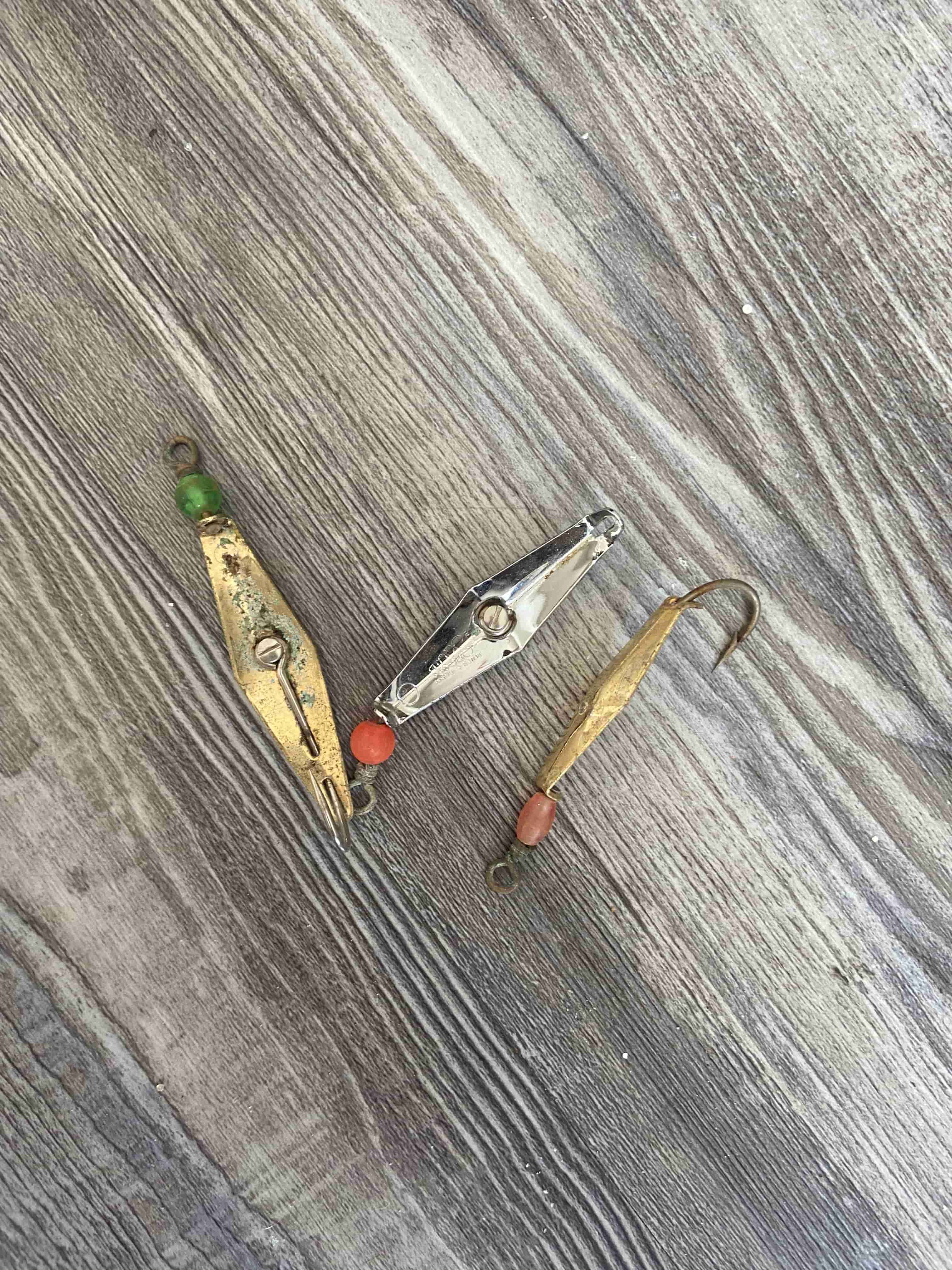
Trolling Spoons:
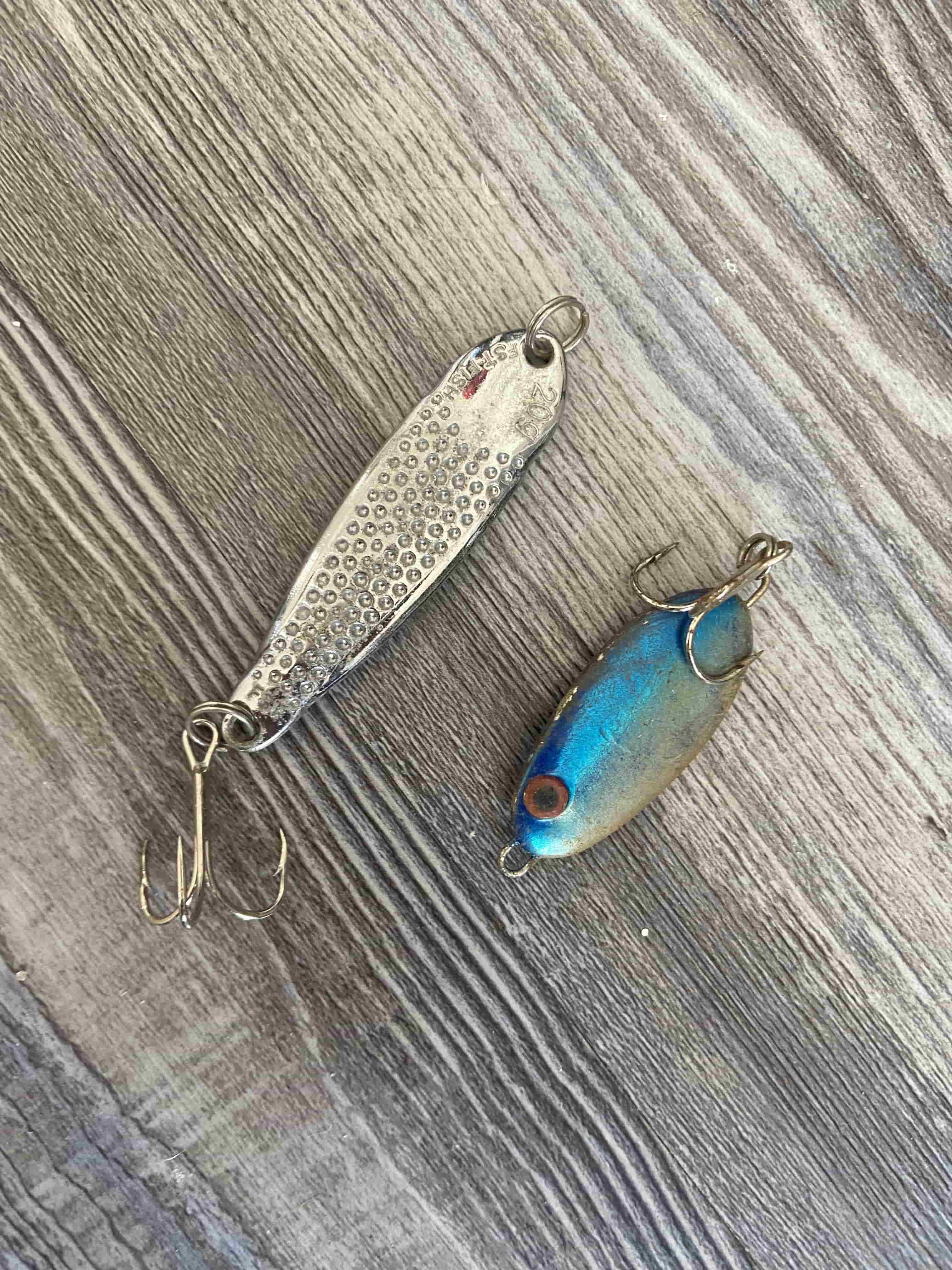
Pros: This is an old-timer classic, and these baits have probably caught more fish in history than the rest of the other baits combined. They put off immense amounts of flash as well.
Cons: Fairly outdated for most forms of trolling, but they can still work. Corrosion seems to eat away at these trolling spoons like Clarkspoons.
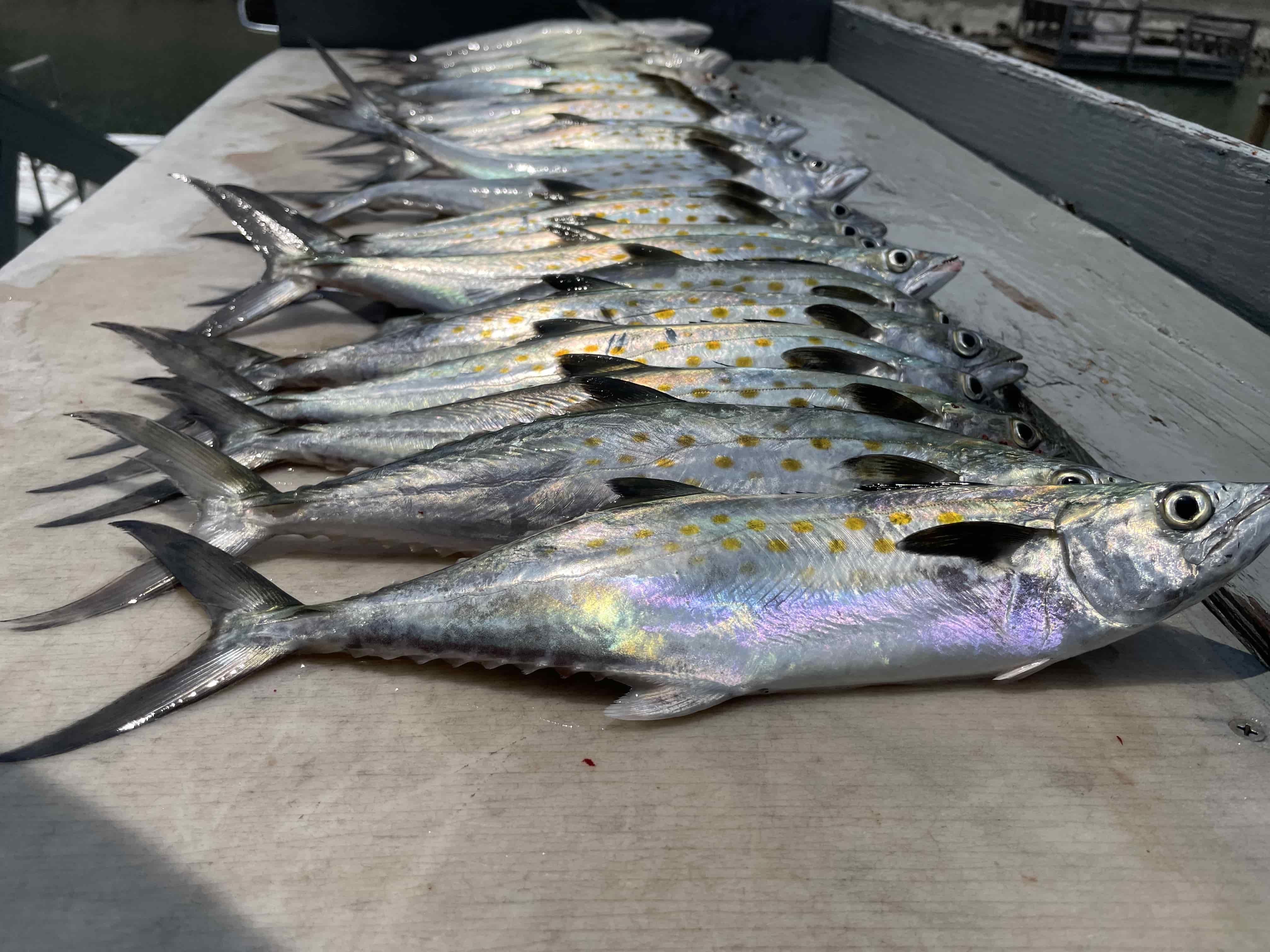
Ideal Uses: When Spanish mackerel, bluefish, bonito, or bonita are running. Clarkspoons (a type of trolling spoon) are highly effective at catching these species.
Casting Spoons:
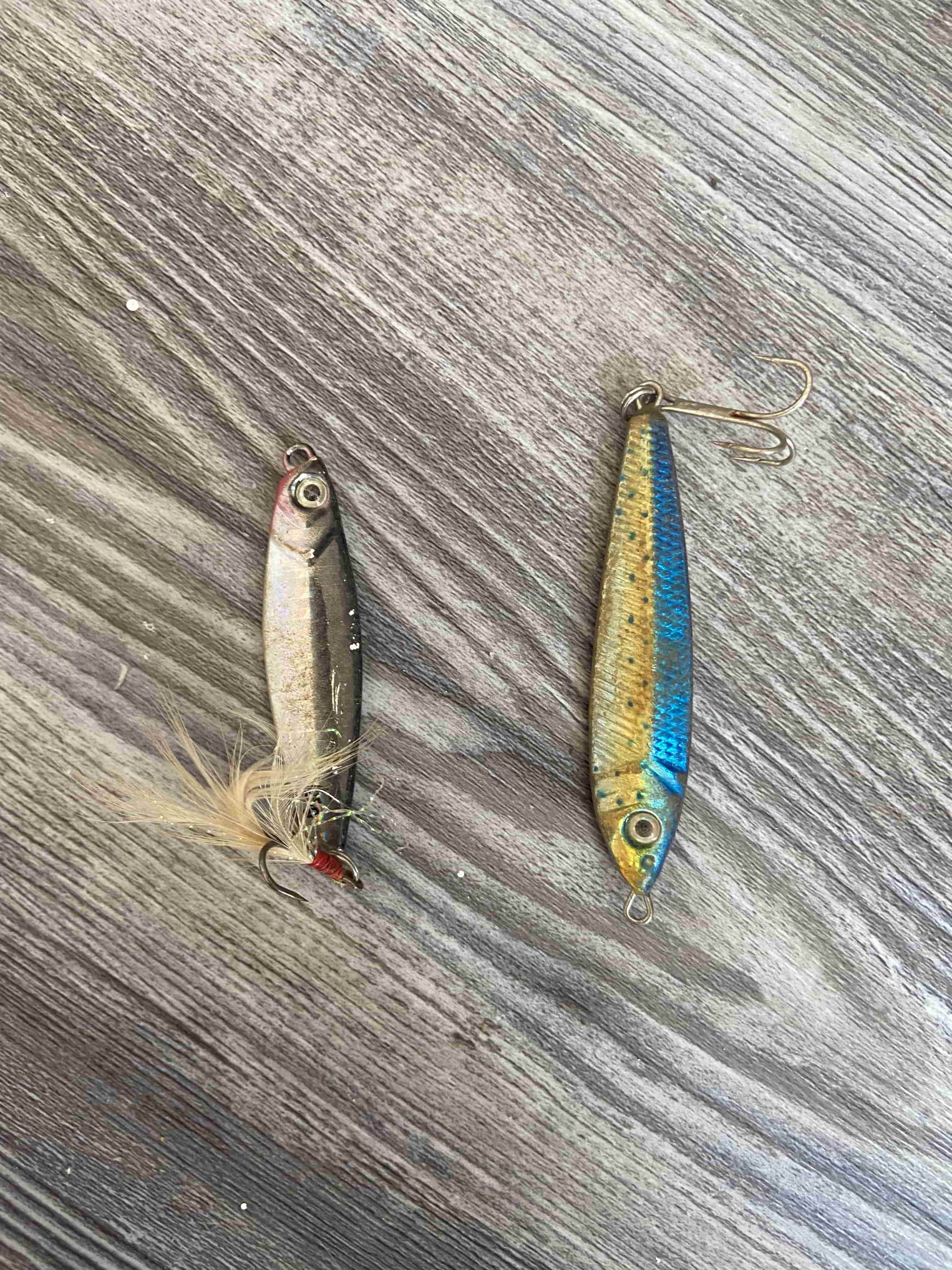
Pros: Very effective at catching busting and active fish. Very cheap.
Cons: They aren’t the greatest in longevity and corrosion resistance.
Ideal Uses: Heavy surface activity, especially in feeding frenzies.
Pros: These are extremely similar to casting spoons but are often denser and allow for better sinking if needed. Heavier than a casting spoon for the most part.
Cons: They sink fairly quickly (this might be a pro for some people).
Ideal Uses: Fish feed near the top but retreat down low fairly often.
Vertical Jigs
Pros: Great at imitating bait holding near the structure towards the bottom. It targets the water column. Very dense baits that aren’t much affected by current or wind. A variety of species will eat them.
Cons: These jigs are often pretty expensive, and they also require a bit of maneuvering with the boat.
Ideal Uses: Fish holding near the bottom or throughout the water column. Best for fishing reefs or wrecks where you know the target species is holding.
Artificial jigs
Swimbaits
Pros: Super realistic bait profiles and action in the water—you won’t find a better bait. These baits look like they’re swimming. Swimbaits are great for convincing bigger fish to strike.
Cons: The usual two treble hooks on these baits usually get pretty tangled easily. These baits are often harder to use in deeper water because they like to come up when you retrieve them.
Ideal Uses: When you know that fish feed on live minnows towards the top. Suppose you need an ultra-realistic bait to replicate what prey is already present. Another ideal use is when there are big fish in the area.
Spinnerbaits
Pros: These baits are great at convincing finicky fish to strike. In addition, spinnerbaits put off a lot of shine and vibration that fish can easily pick up on.
Cons: These baits can’t go much deeper than a couple of feet down simply due to the nature of the blades.
Ideal Uses: These baits cover murky, darker water and target aggressive fish.
Target Species: Flounder, redfish, speckled trout, and snook.
Key Attributes: Baits designed to perform well in shallow and calm water.
Recommendations and Tips: The biggest thing with figuring out artificial saltwater species for inshore is varying your retrieve. Sometimes, the fish will want the baits bounced on the bottom; other times, they will want them pulled in with a straight retrieve. Mix it up, and you will have far better odds of success.
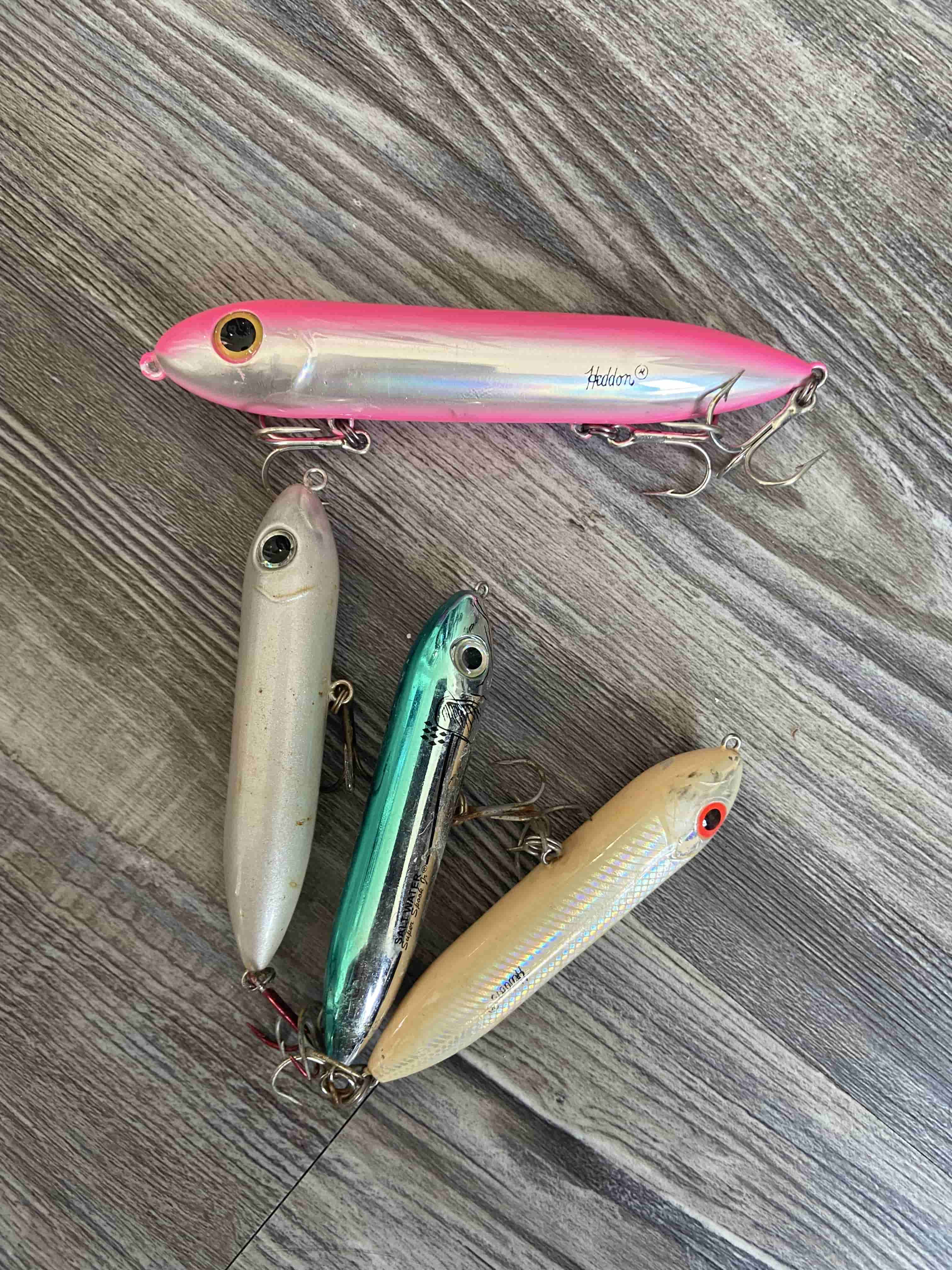
Heddon SpooksMirroluresArtificial shrimp
Best Saltwater Lures for Shore Fishing
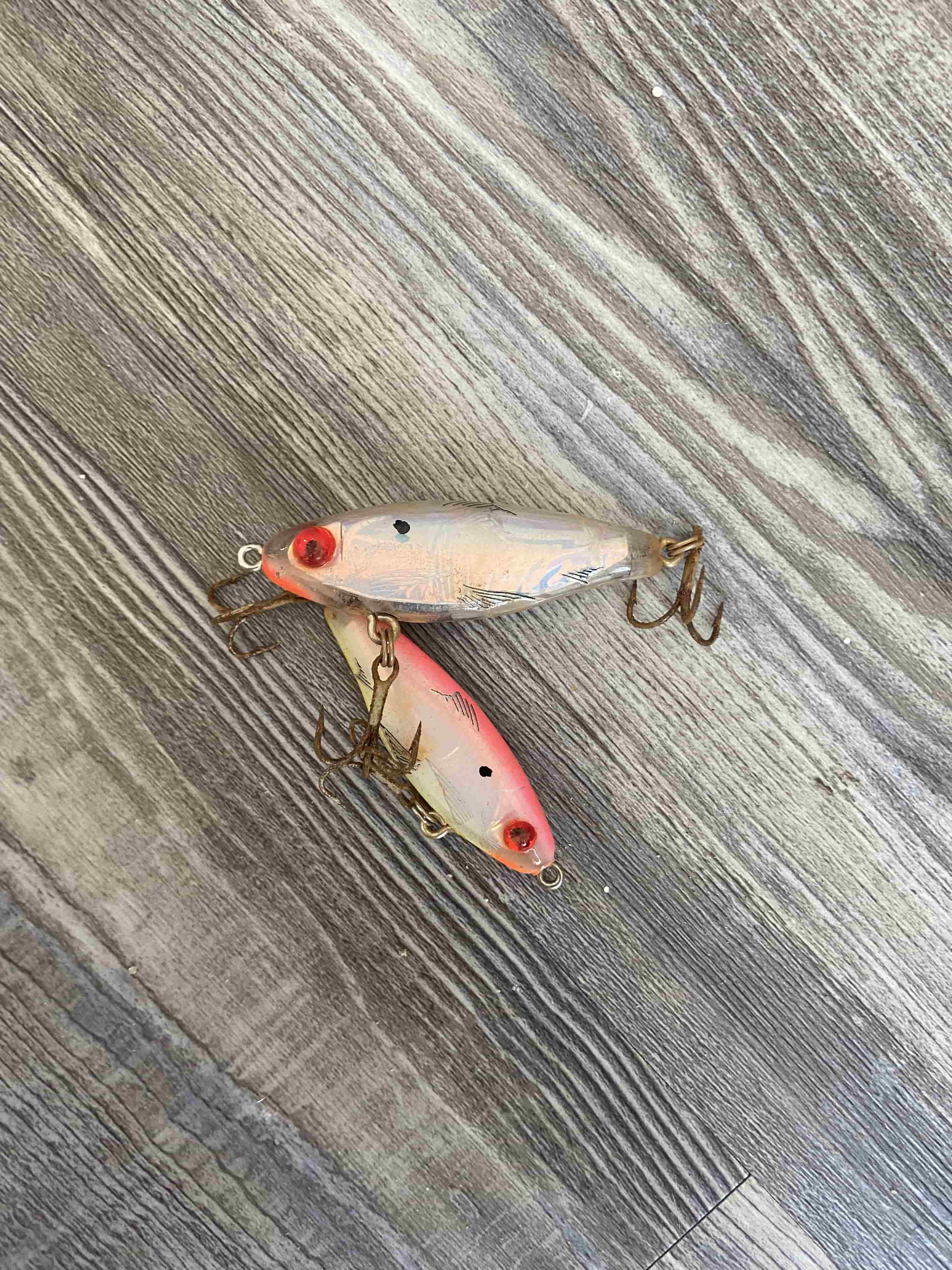
Baits: Paddletail swimbaits (Z-man is preferable), casting spoons, and twitchbaits (heavier Mirrolures).
Key Attributes: Baits that are designed to get down in the water quickly, as well as cut through the wind. You also want baits that can cast far if necessary and shine to convince feeding fish to strike.
Recommendations and Tips: My biggest recommendation is finding lures with some casting range. Oftentimes, you will be out there and see something busting 50 yards from the beach, and you need to be able to get your bait there. I would also recommend fishing with heavier jigheads if you’re going to fish paddletails in the surf.
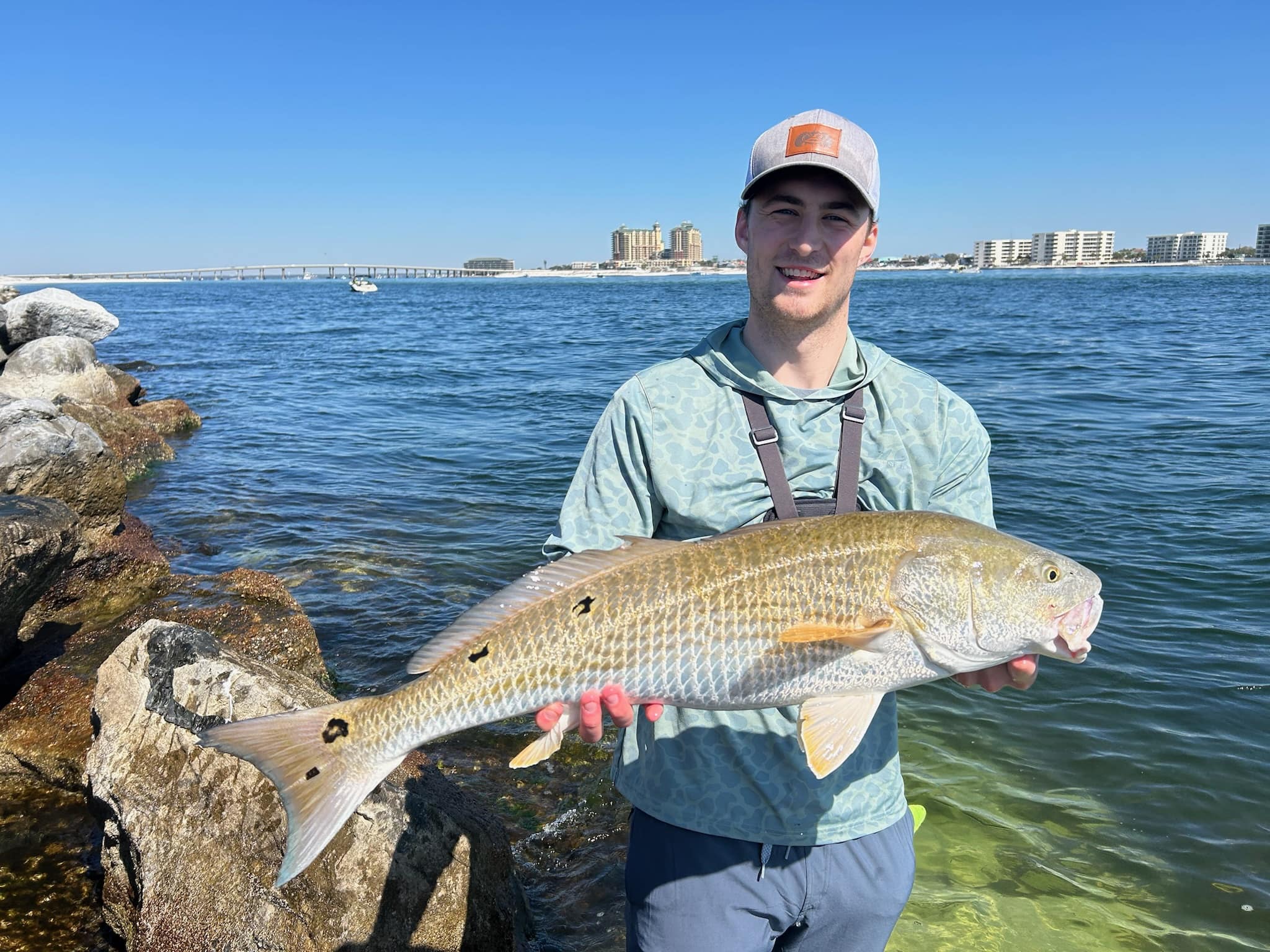
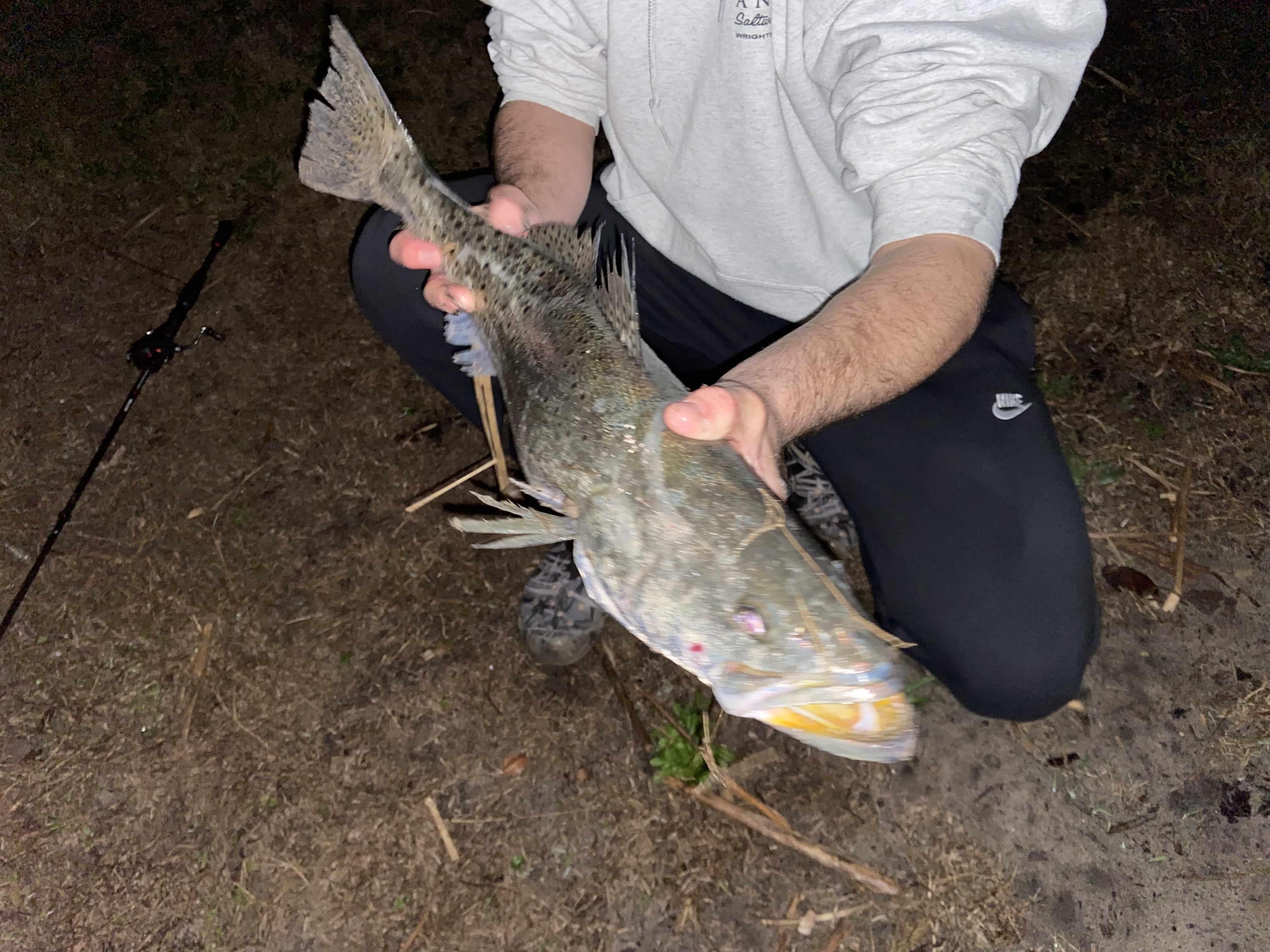
RedfishTrout
Best Saltwater Lures for Pier Fishing
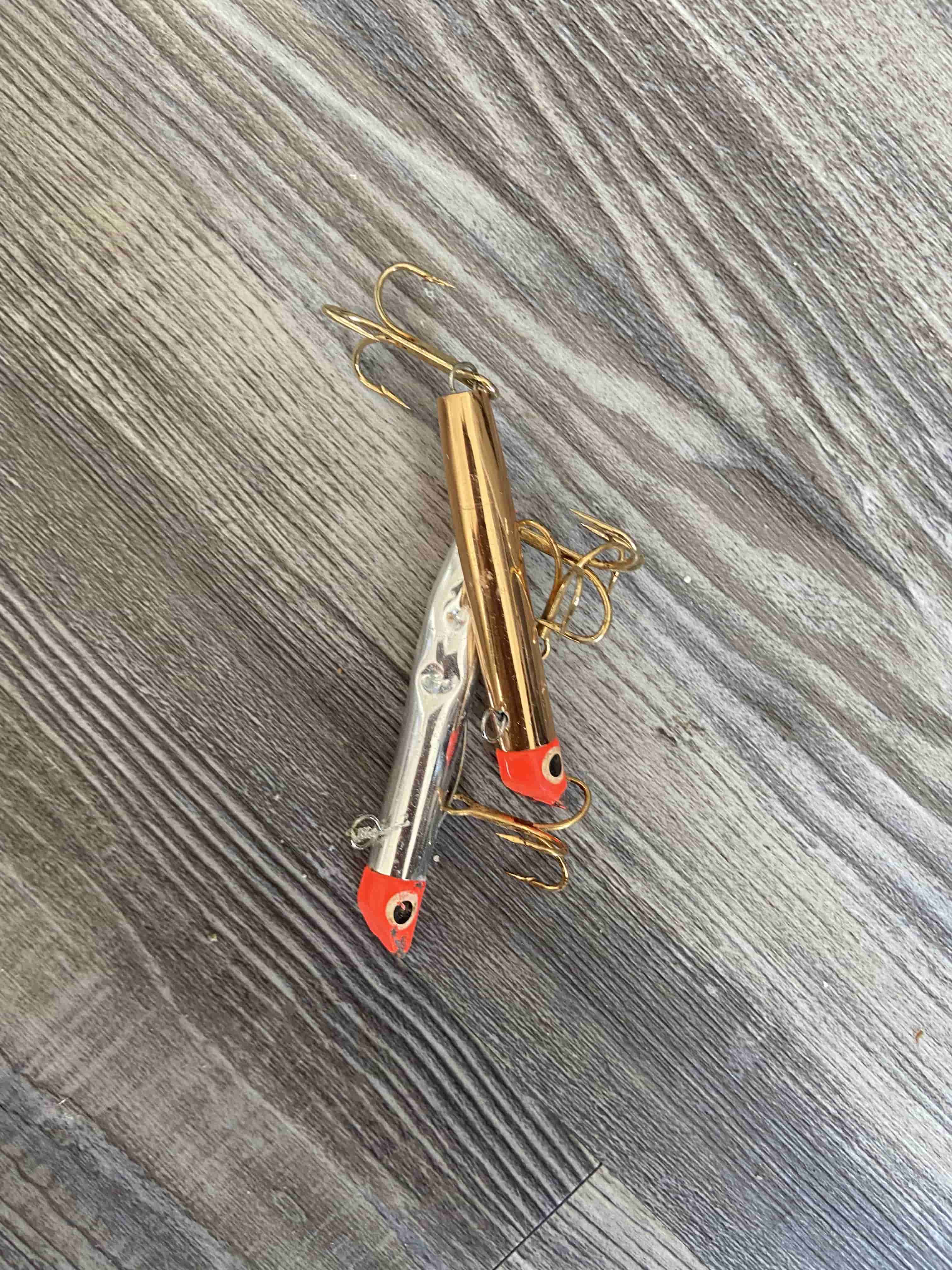
Baits: Paddletail swimbaits with jigheads, casting spoons, casting jigs, and Gotcha plugs.
Target Species: Flounder, redfish, speckled trout, snook, bluefish, spanish mackerel, king mackerel, jacks, and pompano.
Key Attributes: Baits designed to get down and be casted far. You want baits that won’t be too affected by wind and waves.
Recommendations and Tips: Get your bait as far away from the pier as possible. Cast as far as you can and work it back towards yourself. Vary your retrieve strategies and patterns to see what the fish want and switch baits frequently if something isn’t working.
Gotcha plugsPaddletail with jighead
Best Saltwater Lures for Nearshore Fishing
Baits: Trolling spoons (Clarkspoons are the best), casting spoons, jigs, and Gotcha plugs.
Target Species: Bluefish, Spanish mackerel, king mackerel, bonito, and bonita.
Key Attributes: Baits that can be trolled or cast to various feeding species.
Recommendations and Tips: Be ready to change. You may be trolling and see fish-busting schools. You need rods set up to cast and troll, so that you can be prepared. Fast retrieves are almost always optimal, mimicking fleeing baits on the surface.
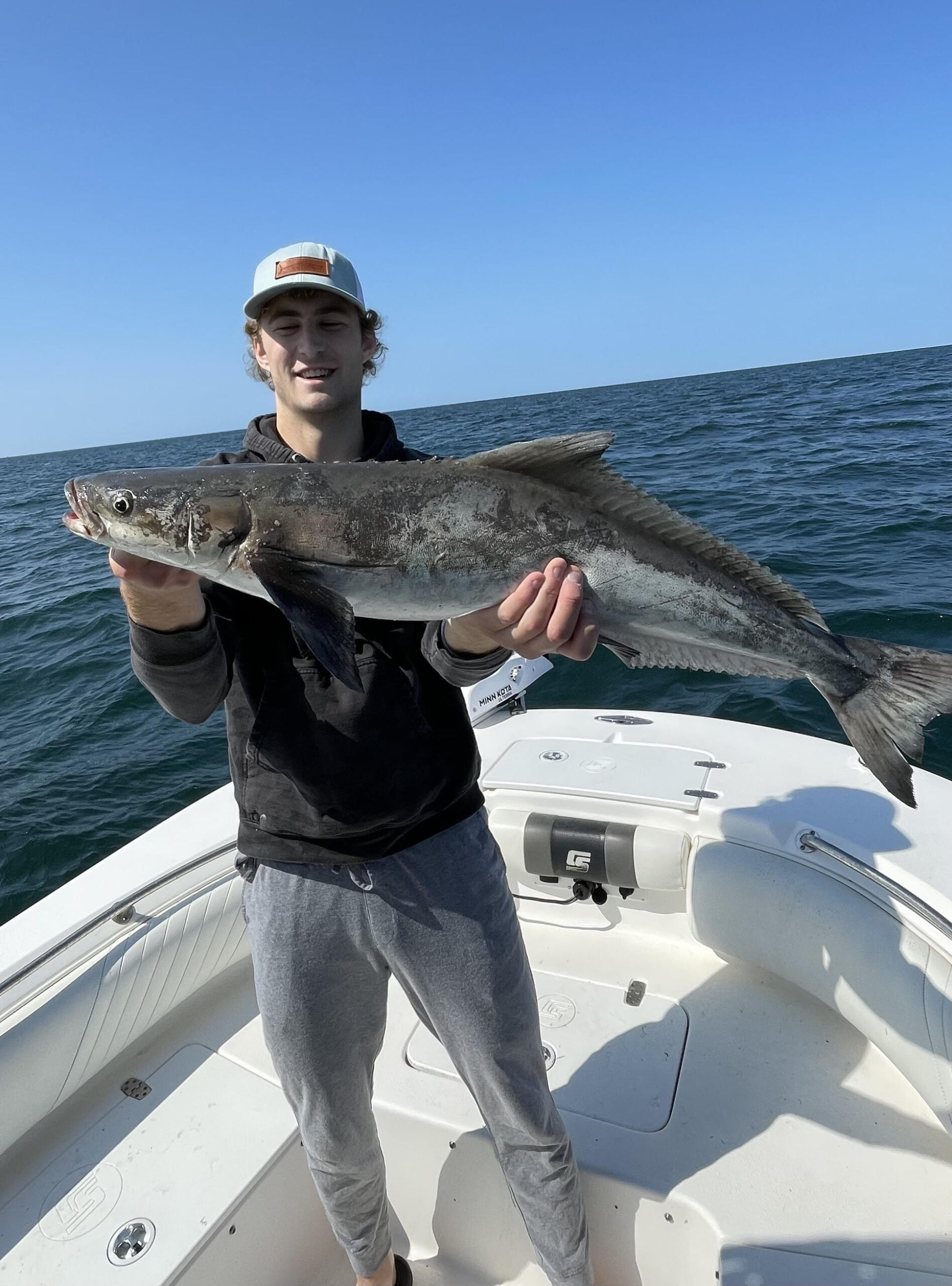
Spanish mackerel
Best Saltwater Lures for Offshore Fishing
Baits: Big poppers (Nomad makes great ones), jigs, spoons, etc.
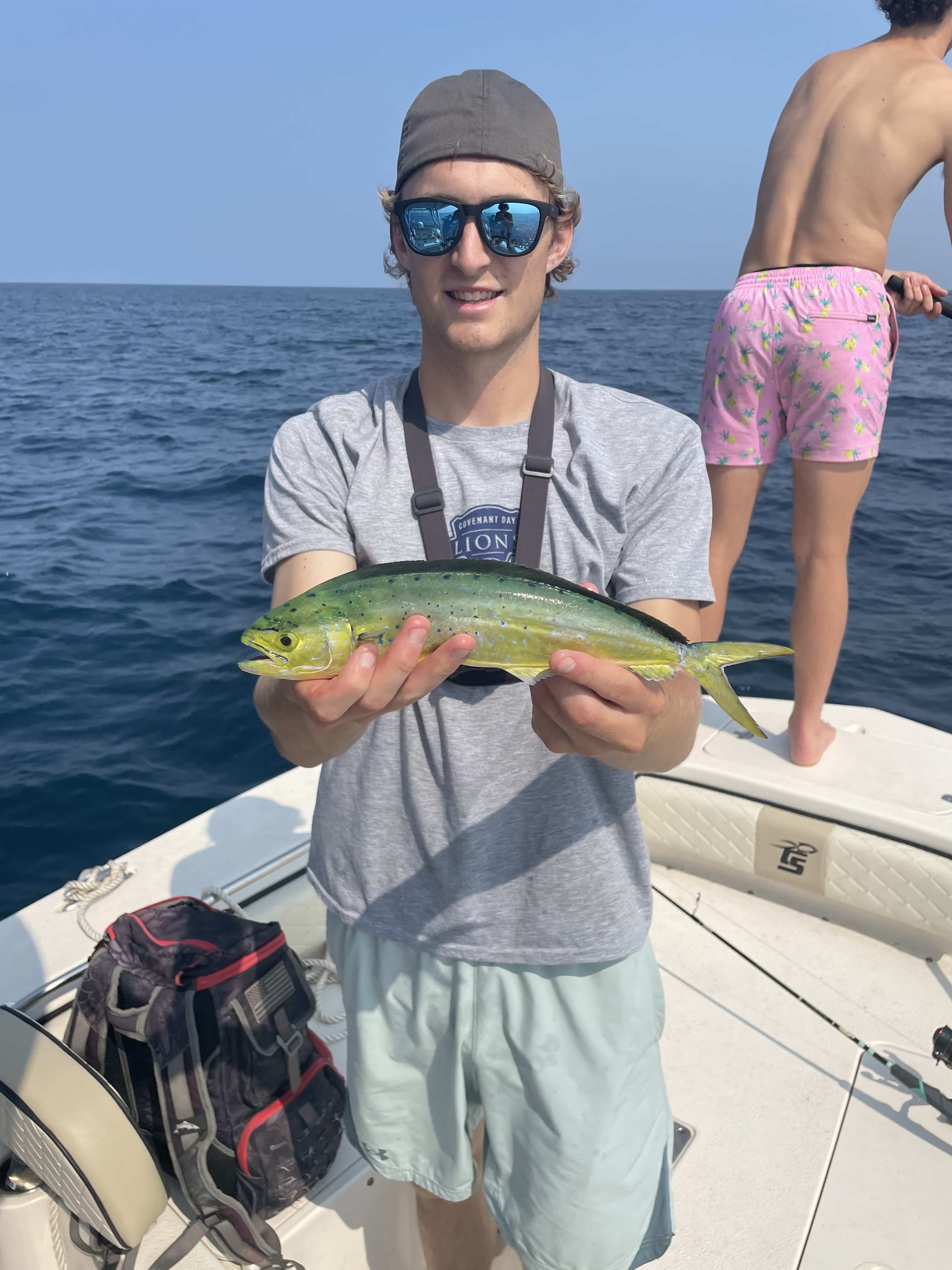
Target Species: King mackerel, wahoo, mahi-mahi, tuna, bottomfish, and more.
Key Attributes: There are so many different ways to target fish offshore with lures that you can’t summarize all of them with the same key attributes.
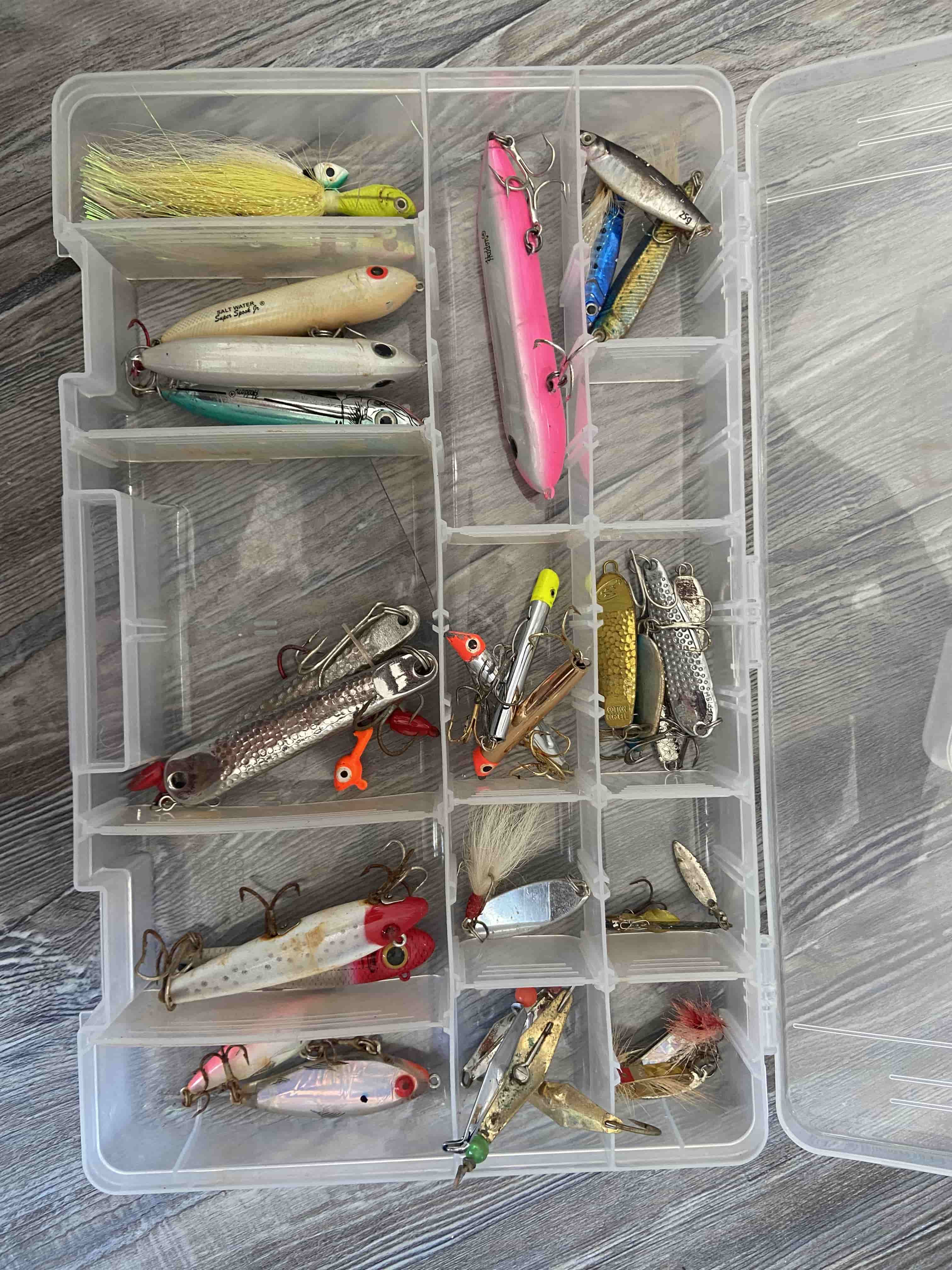
Recommendations and Tips: These are heavily based on the species you are targeting and will require further, more specific research to see what kind of saltwater lures to use for certain deep-sea fish. The one recommendation I can give is to be prepared for anything and have a good selection of artificial baits, so you will always be ready.
Mahi-mahiArtificials box
Experts’ Picks of Top 5 Saltwater Lures
Soft plastic paddletail: These paddletails are extremely versatile and come in many colors and sizes. They can be fished weightless or with jigheads. The retrieve can be made differently for every cast. They work inshore, offshore, nearshore, piers, and backwater. In all these areas, you should find the most success with them for inshore fish in backwater areas.
Metal casting spoons: These baits are remarkable in castability and range. I have mainly used these baits when fishing nearshore or offshore, but they can also be very effective from piers and the shore, not so much the backwater. Spoons provide a great shine and flash, imitating baitfish very well. I’ve smoked hundreds of Spanish and bluefin on these guys over the years, and I believe they easily make the top 5.
Topwater poppers: These baits can work from the pier and inshore, but they are most lethal when used from the beach while shore fishing or fishing in a boat offshore or nearshore. Nomad makes the highest quality of these poppers as well as the most durable. They create tons of commotion on the top, often bringing hungry fish up to strike. In addition, there is simply nothing more exhilarating than an electric topwater strike with artificials in saltwater.
Heddon Spooks: Again, another lethal topwater bait, this time far more effective for inshore fishing (it can also be used for other areas). If you have ever heard of the term “walking the dog,” this bait is likely what is being referred to. No other bait creates a topwater action like a spook, and fish love it.
Rapala X-Rap: There might not be a more famous saltwater bait than the X-rap. This bait is extremely versatile and can be used in many areas and applications. It can be trolled or cast and has proved lethal to fish for many years.
Heddon Spooks
Artificial vs. Live Bait for Saltwater Fishing
Benefits of Using Artificial Bait:
Cleaner: You don’t have to worry about getting all messy and stinky like you do when handling some kinds of live or dead bait. This is not a big selling point for most anglers, but I know it is for others.
Water Coverage: You cover far more water with artificial simply because your retrieves are faster and you cast more often.
Durability: You never have to worry about artificially getting your bait picked off or nibbled. The fish either strikes it and gets hooked, or it doesn’t. If a live mullet gets bitten, for example, it will lose a lot of its action or might even be dead if it is hit hard enough, rendering that live bait useless.
Cost-Effective: This may seem like it shouldn’t be here, but hear me out for a second. In the long term, buying an expensive artificial bait will be cheaper than repeatedly buying live or dead bait. Short-term, artificial baits are probably more expensive than live bait.
Availability: Certain types of live bait are only available at certain points in the year. Because of things like Amazon, artificial are available year-round.
When is Artificial Bait More Effective?
Busting Fish: When fish are feeding or busting on the top of the water, they don’t pay too close attention to what you are throwing. They often just see a quick flash and just go for it. It’s far easier to use the artificial and cast it than to rebait with live or dead bait every time.
Less-Pressured Fish: When fish haven’t seen as much fishing action, you don’t often have to use live bait because, quite honestly, they’re dumb enough to bite artificials.
Covering Lots of Water: Casting or trolling artificials gives you much more coverage because you can go faster and not worry about your baits getting sluggish or dying like you have to when fishing with live bait.
Casting Long Distances: Live or dead baits will often fall off the hook or even die when cast long distances. That said, artificial lures feel no pain when they hit the water half a mile away. Additionally, artificial baits are often far more aerodynamic and can be cast farther.
When is Live Bait More Effective?
Picky Fish: Sometimes, fish can become very picky due to pressure or some other combination of factors. Oftentimes, live bait can solve this problem because it is the natural prey of these species.
When Fish are in the Area: If you know fish are in the area and are simply holding deeper or something along those lines, putting out live baits is always a great idea to coax these fish to the surface.
When Artificials Don’t Work: This may sound simple, but many people get stuck in this pattern. If the fish are biting artificially and you have live bait, stop being stubborn and use it. Chances are they will bite it.
Matching the Lure: You want to choose your lure based on the knowledge you have. If the water is more turbulent and has a lot of current, you would want to use a heavier bait. If the water is calmer, you can afford to use lighter artificialities. If it is night or early morning, more aggressive topwater baits will be more effective than the dead middle of the day. These are just a few things to consider when “matching.”
Color Selection: Just like bass fishing, if the color of the water is darker, you either want to use darker baits and/or something with a shine or flash to it. If the water is clearer, using lighter colored baits is often more advantageous.
Size and Weight Considerations: If you know you must cast far, consider artificial lures with more weight. If casting distance isn’t a concern, then feel free to use lighter baits. Additionally, if you are targeting bigger fish, use bigger baits. If you know the fish in the area tend to be smaller, use the smaller lures.
I hope you guys have enjoyed reading this article as much as I have enjoyed writing it. Remember that fishing is a science and can take time to learn and figure out certain things, like when, where, and how to use certain artificial baits. Keep researching and get out on the water to test some of these new tactics you have learned. Always be prepared to learn something new, which can go a long way. As always, good luck and tight lines!
About author
Photo Source: All photos in this article were provided by expert Pierce Latta.
Visit his:
Share this article
Pierce Latta
16 years fishing experience
Pierce Latta has been passionate about fishing since the age of three, growing up casting lines in both freshwater ponds around Charlotte, NC, and the saltwater of Ocean Isle Beach. With nearly 16 years of experience, he’s explored almost every style of fishing imaginable, from fly fishing and surf casting to offshore and inshore adventures. Pierce now shares his knowledge and enthusiasm with others, offering tips, techniques, and inspiration to help anglers of all levels discover the thrill of fishing.



![Where and How to Catch Live Bait for Saltwater Fishing [Expert Guide]](https://imgcdn.fishbox.com/wp-blog/wp-content/uploads/2024/03/spanish-mackerel-fishing-pierce-latta-scaled-1-1.jpg)