
Any question about the article?
Please use your work e-mail, so we can connect with you
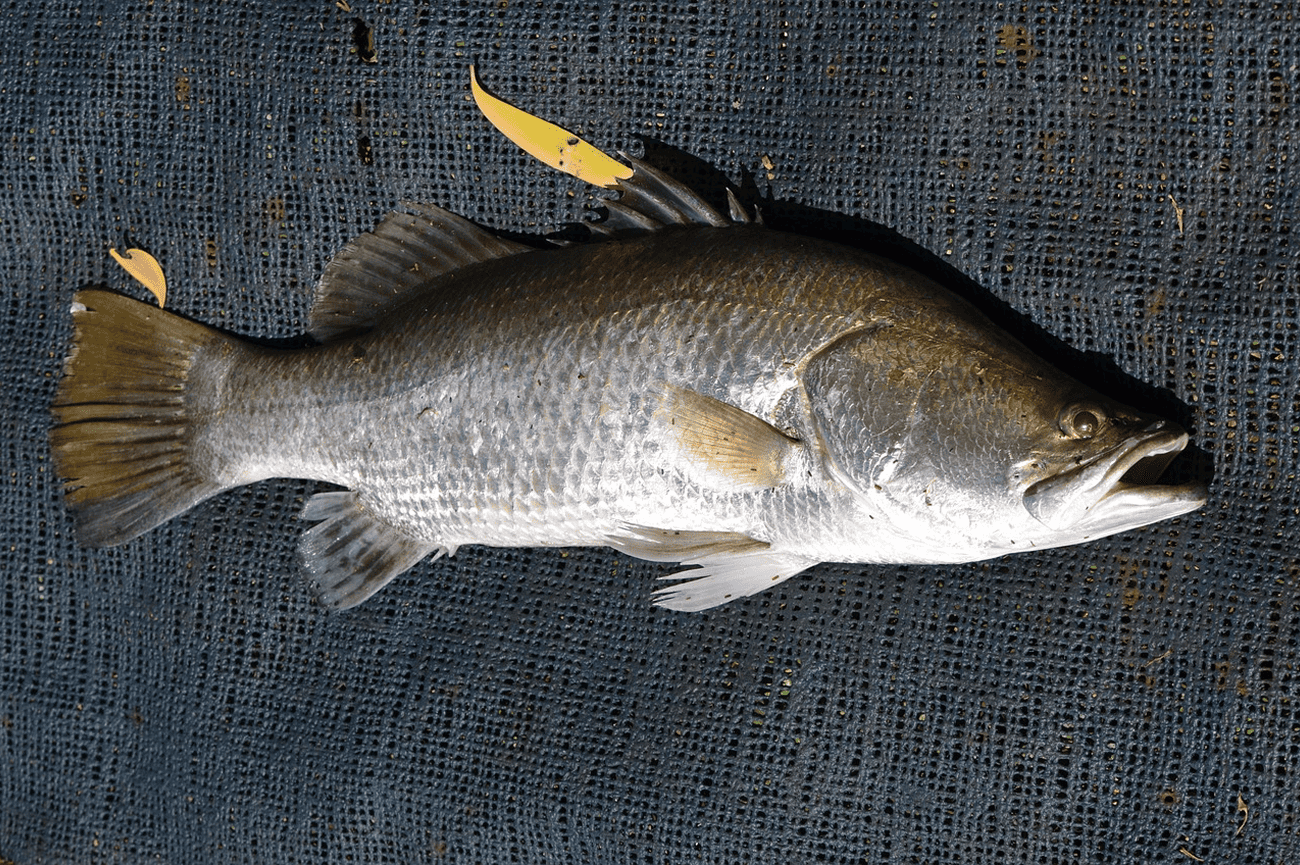
Australia is lucky to have thousands of fish, with hundreds of prized and iconic sports fish species, and based on their size, fight, and taste, it’s no surprise that Barramundi is easily one of the most iconic fish in Australia. However, what lures, baits, and techniques do you use to land one of these sought-after monsters?
Anglers from across Australia and around the world fly into the northern reaches of Australia every year, chasing Barramundi. Still, Barramundi isn’t the easiest species to get into the boat or on the bank. Luckily, in the following guide, we’ll cover the right types of bait and lures and the techniques you need to get the most out of them.
In the following guide to Barra lures, baits, and fishing techniques, we’ll cover:
If you live in Australia or are in Australia for a destination fishing trip, why not take a trip to Perth and experience some fantastic West Australian angling? In this guide, the Top 11 Fishing Spots in Perth: A Complete Guide, we’ll cover the best spots to try your luck.
Fishbox App is a premium Fishing Forecasting app that gives you access to advanced technology, including the best time to go fishing in New South Wales and when you’re better off relaxing at home with a good book or cleaning out your tackle box.
For anglers planning on targeting Barramundi in Australia, there are several different types of lures that prove not only the most popular but also the most effective. Below, we’ll cover the most popular Barra lures used by Australian anglers. Regardless of where you’re planning on fishing, saltwater pools or brackish rivers, one of the lures below will get the job done!
Barramundi like to lurk close to the bottom, hidden by snags and other underwater structures, just waiting for their prey to swim past, and with their eyes located on top of their head, they’re pretty good at bursting up and striking whatever has gotten their attention. Nothing demonstrates the strike of a Barramundi better than a shallow diving hard-body lure. Look for Barra favorites like the Old Dogs Lures Guttermaster or the Scaleblazer 125. Don’t be afraid to add a little back and forth, with rapid jerks or pauses, into the retrieve.
When it comes to economy and value for money, it’s hard to look past the value of soft plastics. They also provide anglers, particularly anglers fishing amongst snags for big Barramundi, who are inevitably going to lose some lures. Large paddle tail soft plastics seem to be the most effective on hungry Barramundi, especially when they’re fished close to weed beds and shallow water snags. Don’t be afraid to experiment with different weights when it comes time to choose the jig head, as this will allow you to customize how quickly or slowly the jig head descends through the water or how much it’s affected by the currents in the area you’re fishing.
If you’re planning on fishing deep water or targeting those underwater holes, then sinking stick baits and vibes are the go-to lure choices. When you’re using vibes, they vibrate on the lift or retrieve, letting any lurking fish nearby that dinner is close by. However, sinking stick baits vibrate on the way down with a fluttery action, which often proves irresistible.
If you’ve tried jigs, and you’re pretty sure that there’s a big Barra lurking down below, being a little bit fussy, then it might be time to bust out the deep diver. The hardest part of deep-diving lures when you’re trolling is managing the depth. It’s no use being where the fish aren’t, and as Barra are particularly lazy, you need your lure to basically hit them in the nose sometimes if you want to entice them to strike. One way to get around this is to have a couple of lures for different depths ready to go so that you can quickly change things up if you’re missing the depth you need to be at.
When it comes to lure choice, Barramundi anglers have a lot of choices, and it’s easy to get a little carried away when you walk into your local tackle store, only to have some buyer’s remorse when you look at your bank balance later. However, to make your life a little easier and a lot cheaper, we’ll look at the most popular types of Barramundi lure in the section below.
Fair warning, though: fishing snags and structure for big Barra can be expensive, especially until you get your accuracy up. So, before you go, take the time to practice your casting until you can get that lure where it needs to be.
When it comes to hard bodies lures, the four main choices for Barramundi anglers are:
For anyone looking for a little more budget-friendly action or those anglers consistently fishing deep holes and snags, soft plastics are the lure of choice. The three most popular types of soft plastics for Barramundi are:
Vibration lures are designed to sink quietly, and once you start retrieving them, they vibrate to attract fish’s attention, causing them to strike.
Jointed swimbait lures are segmented into sections, and as they’re retrieved, they closely mimic the real swimming action of baitfish.
If you’re fishing shallow water or areas of water where Barramundi is actively rising to the surface to feed, then a noisy and splashy topwater lure is the perfect way to entice a strike.
Below, we’ll cover some of the most effective techniques for successfully using lures to catch Barramundi. If you’re new to casting lures, it can be a lot cheaper to practice at home or in open water before heading into the snags with your brand-new lures targeting Barramundi.
Structures hold fish. It’s true for a lot of species, but it’s particularly true for Barramundi, who not only love to hang around in structures but are lazy feeders, too. Look for structures such as mangroves, headlands, rocks, and logs, which naturally funnel bait fish into an area where Barramundi could strike from below. If you’re fishing in an area without a lot of structure, such as open water, look for currents that push baitfish into a specific area.
Don’t be afraid to vary your retrieval speed to try and mimic the action of an injured baitfish or a baitfish that’s stressed and swimming erratically. You want to have a nice, steady retrieve but interject with sudden or violent twitches followed by a slight pause, which will give the Barramundi the opportunity to strike. If the fish are really active, they’ll hit almost anything, but when they’re not hungry or the water temperature falls, don’t be scared to mix things up and try different retrieval speeds, angles, and movements.
If you’re chasing big Barra in deep holes, especially those that aren’t interested in feeding or striking surface lures, then jigging is one way to do it. You’re basically dropping a heavy jigging lure or soft plastic down to the bottom where the Barramundi is lying and then rapidly retrieving the jigged lure past the lurking fish. To effectively jig, you need to know where fish are lying and how deep the water is, so a depth sounder or fish finder will be invaluable.
If you prefer to spend more time in the boat than on the shore, and you’re sick of casting, then trolling can be an effective method of catching Barra, rather than trolling back and forth all day, wasting fuel, focusing your trolling on the times when Barramundi is rising to the surface and actively feeding.
When you notice the Barramundi closer to the surface, start trolling around areas of water where tidal currents funnel bait fish, and then simply adjust the depth of your lures until you hit the sweet spot where Barramundi are holding underwater.
You want to try and maintain a consistent trolling speed between 2 and 3 knots and then adjust the depth of the lure. You can adjust your depth by changing your lure, lifting or lowering your rod tip, or letting more lines out behind the boat. A good rule of thumb for calculating how many lines to let out when you’re trolling is to 3 times the depth of the lure behind the boat. For example, if you want your 5 mt deep diving lure to sit at around the 5 mt mark underwater, then you should let out about 15 mt of line.
Live baits are considered by many Barramundi experts to be the best way to catch Barramundi, but not always the easiest way to catch them, especially when you’re fishing in remote areas or traveling long distances far away from power and water.
While lures are designed to mimic live baits, nothing mimics live baits better than, you guessed it, live baits themselves. Mullet, Herring, Prawns, Garfish, and Whiting (remember legal sizes) all consistently prove to be extremely attractive to big Barramundi.
A Paternoster Rig is the most effective way to fish live baits and keep them from swimming into snags where they’ll turn a simple hookup into a nightmare. If you’re fishing for Barra in winter, you’ll definitely want to give Prawns a run, as they’re irresistible to even the most stubborn fish.
If you don’t have access to live baits, or it’s proving challenging to keep your baits alive, then dead baits or flesh baits are another option. Prawn heads or strip baits can be effective.
When you first start Barramundi fishing, it’s easy to get in a little deep and make mistakes. Mistakes are okay if you learn from them, but to help you save a little time and money, here are some common mistakes and how to avoid them when you first start your Barramundi fishing journey.
If you’ve been struggling with which lures, bait, or techniques to use on your Barramundi fishing trip, then hopefully, you have a good idea. Your next fishing trip will go much smoother, and you’ll come home with some delicious Barramundi or fantastic memories.
While you’re planning your Barramundi fishing trip, be sure to check with local state regulations to ensure that you have the correct fishing license, understand season, size, and bag limits, and have the right fishing equipment to successfully land and release, if needed, any Barramundi you catch. By following the rules, we’re all ensuring that future generations can enjoy fantastic fishing opportunities.
The premium fish forecasting application, Fishbox App, will put you in the perfect position to catch some great fish by analyzing local weather and water conditions and input from local anglers. The Fishbox App utilizes accurate weather, tide, and fishing conditions to predict the best time to get out on the water to catch your target species.
Do you have some top fishing tips for other anglers just learning the ins and outs of Barramundi fishing? Drop a comment below! We love hearing your thoughts and feedback, and we’re sure new anglers will appreciate it.
While Australia is my top bucket list fishing destination, I still haven’t had the opportunity to go there quite yet. Because of this, I’ve never had the chance to catch the legendary barramundi. I’ve heard about them many times and seen them on various fishing shows and videos, but I have never seen one in real life.
Enough talk—let’s dive straight into analyzing this article. First, the author discusses the different baits you can use to catch barramundi. Out of the various lures presented, I think my favorite to use would be the sinking stickbaits. I imagine this type of fishing would resemble bass fishing with a wacky-rigged Senko. I am very familiar with this, and it’s cool to think that the same strategy could fool another species halfway across the world.
The article then presents some pros and cons of lures. I love how the author takes the time to highlight the convenience of artificial baits—how there’s no pressure to keep them alive or healthy because they’re fake. Additionally, the author also points out the risks of fishing with lures, especially near or in cover. This can and will result in lost lures—I can personally attest to this.
The article continues with other popular lure selections and lists various types, my favorite being Topwater. I can speak for many other anglers when I say that watching a fish explode on topwater bait is one of the coolest things you can experience on the water. The fish is so aggressive that it will come out of the water to hit the bait. How cool is that? If there were one way I could catch my first barramundi, it would have to be on topwater.
The article then moves into the next section, where readers get helpful information on tactics. I wanted to reemphasize the importance of varying your retrieve and retrieve speed if something isn’t working. Keep changing things until you find what works, and if nothing does, then switch baits. Fishing is all about experimentation and adapting to the challenges thrown at you.
The article then covers a variety of live baits used for barramundi and goes over their pros and cons. My favorite takeaway from this section is that even finicky fish can be tempted into biting live bait. I know this to be true from personal experience, even with other species.
The article concludes by discussing common mistakes to avoid when barramundi fishing. My favorite point here is don’t overspend on the species. I’ve fallen into the trap of thinking I need every variation of every lure, but that’s not the case. Pick a few reputable ones and stick with them. You can always buy more if needed. If you try to buy everything up front, you’ll end up with a lot of junk you never use.
Thanks for reading this article and my commentary!