Saltwater fishing is one of the world’s most diverse forms of fishing. Within the broad saltwater category, many different strategies, species, baits, and tactics create a world of possibilities for anglers worldwide.
Since saltwater fishing is so complex and diverse, it is extremely important to understand the species we are targeting to better pick the best baits for saltwater. This article aims to break down saltwater fishing into more digestible chunks and cover what natural baits apply to certain scenarios.
This article is for anyone new to the game of saltwater fishing, or someone who has fished in saltwater for their entire life. One of the biggest things I have learned in my fishing career is that you can never stop learning. This is still the case here.
One of the things that has helped contribute to this continual learning is the Fishbox App. The Fishbox App combines all sorts of weather and water metrics to give you a better picture of what the bite should look like in this area at different times. You can even take a quiz to get results personalized to you. All this and more is available in the Fishbox App today.
Let’s get into the article without further delay and figure out some pros and cons of artificial, live, dead, cut baits, and more.live, dead, cut baits, and more.
What Makes A Good Saltwater Bait
Key Traits:
Scent: The scent doesn’t apply as much to live bait as to cut and dead bait. If you’re using dead or cut bait, you want the smelliest, oiliest bait possible, as many fish rely on smell to find their prey. Some smelly cut bait favorites are cut mullet and pogies.
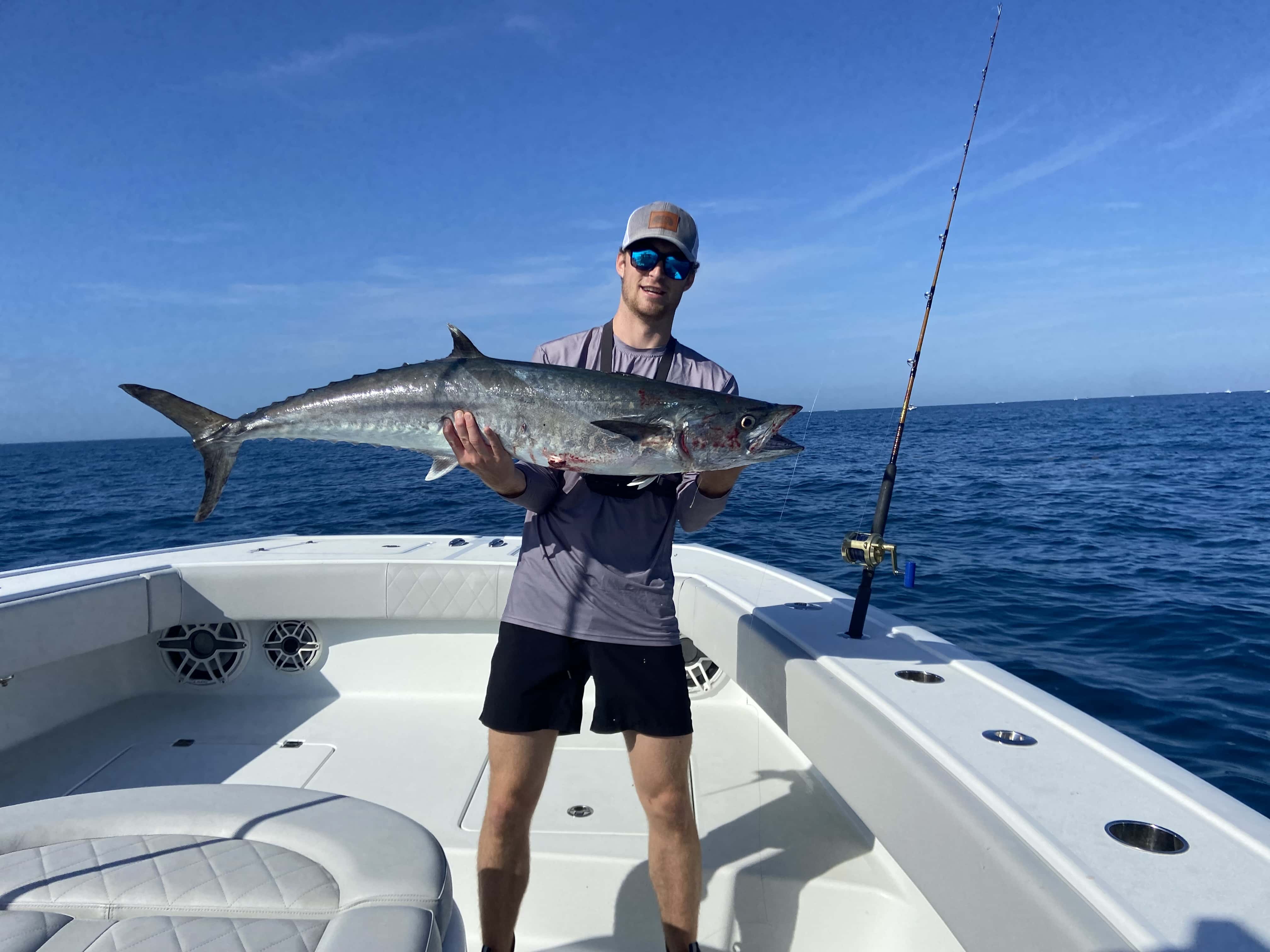
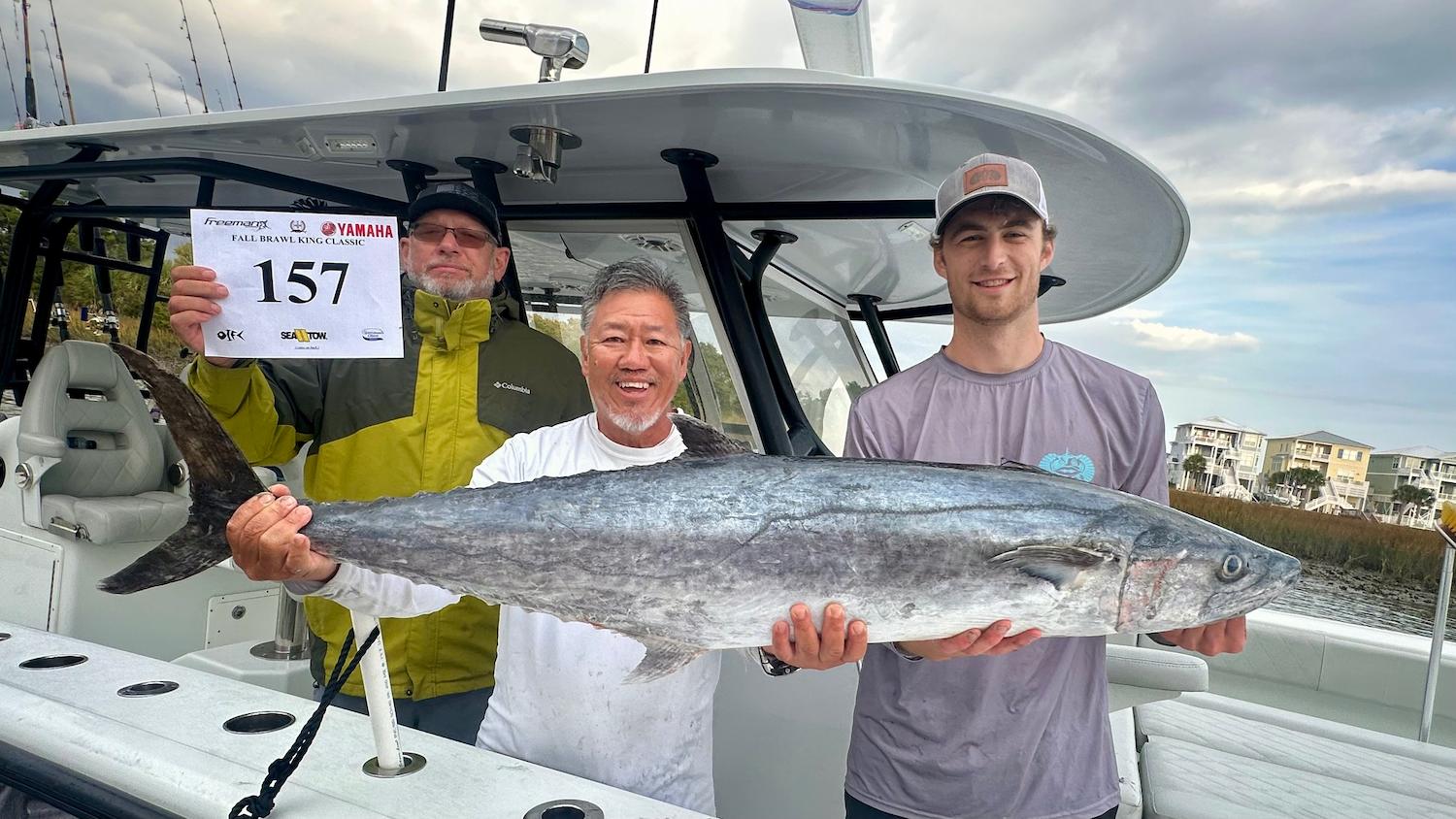
Movement: With dead or cut bait, you aren’t looking for your bait to move at all, and with live bait, it does the work for you. The one thing I would say here is that different baits are livelier and more erratic than others. I always prefer the livelier baits because they simply draw in more fish. For example, when I am king mackerel fishing, I always prefer using more lively baits than baits that don’t move as much.
Size: The biggest thing I can emphasize with the bait size is that you must match your target. For example, if you’re targeting flounder with mullet, you don’t need to use a 9-inch-long mullet. Instead, you should use a 3–5-inch mullet. This applies to almost all species.
Durability: In terms of durability, I am more talking about how the bait stays on the hook and if the bait stays alive for a long time while being hooked. First, let’s discuss the durability of baits that stay on the hook. Shrimp is a popular bait for saltwater and is notoriously bad at staying on the hook. Other baits, such as squid, seem to stay on better. This same idea applies to live baits, which are far more likely to fall off when cast than dead or cut bait. Regarding the hardest of the bait, mullet stands out to me as a very hardy bait. They can take multiple hits and stay alive. However, other live baits like pogies and shrimp take one hit, which are as good as dead. Just play it by ear and make sure you check on your baits after you get bitten.
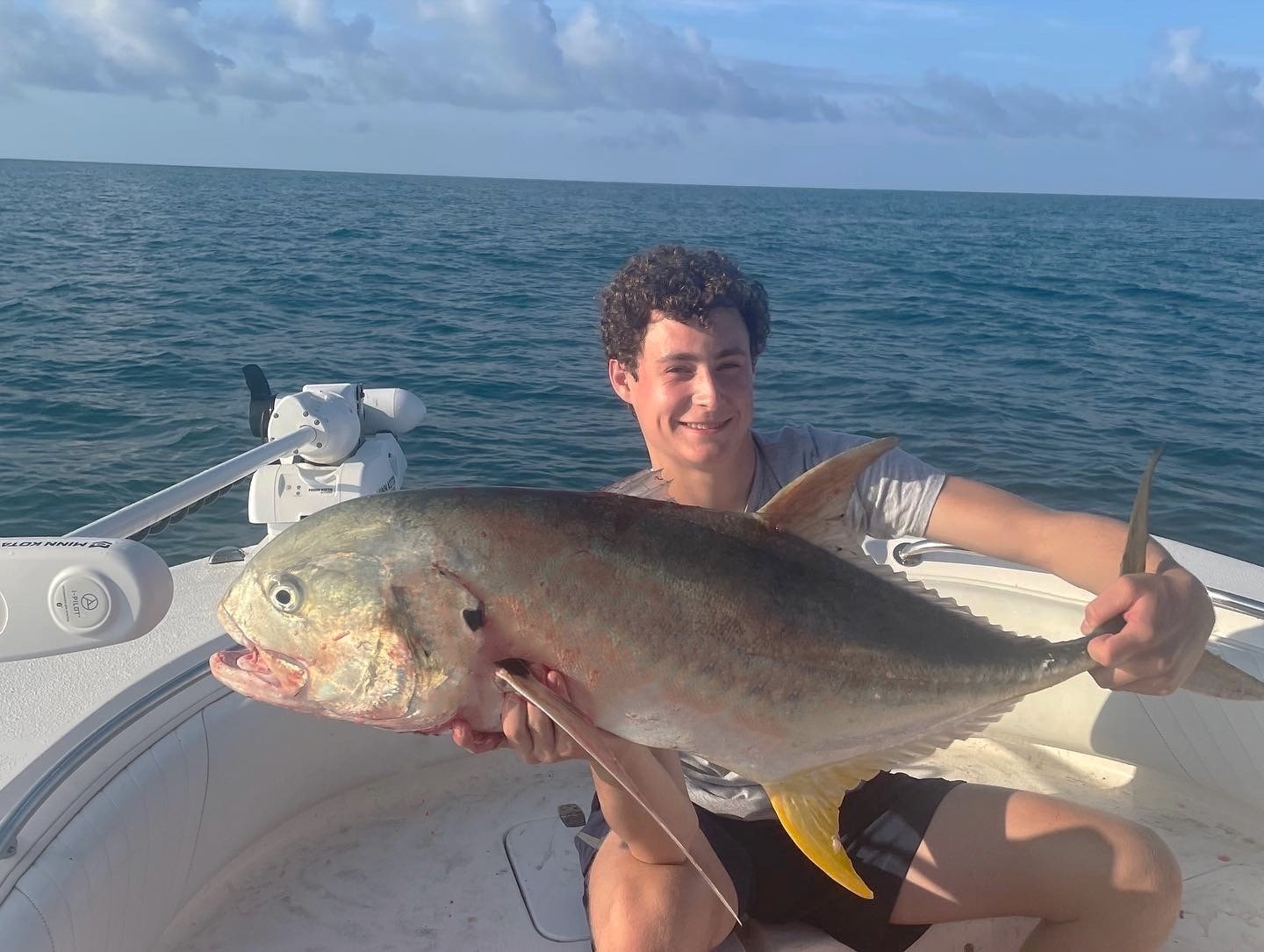
Jack Crevalle
Difference between Inshore and Offshore Bait Considerations
Size: It’s almost always better to use bigger baits offshore simply because the fish are bigger than inshore. In addition, bigger baits stick out more in deeper water, drawing more fish.
Type: Most of the time, very different baits are used offshore instead of inshore. For example, you’re never using mud minnows offshore, and you’re never using ballyhoo inshore. There are very few baits on the cusp between inshore and offshore baits. Some of these cusp baits include mullet and pogies—that is about all.
Environmental Factors
Water Temperature: Water temperature is important for two reasons. Only certain baits (specifically live baits) are available at different points in the year. For example, shrimp is very hard to come by in the wintertime. Second, most species are only active at certain points in the year. You may have the live bait at a certain point in the year, just not the bite. Do your research to see when live bait availability and seasonal bite patterns line up for the most success.
Clarity: As a general rule of thumb, the darker the color of the water, the more your bait needs to stick out. Muddier water would have me using a mullet instead of a mudminnow in the backwater because of the shine of the mullet. Cloudier water would also have me use stinkier cut baits instead of some that don’t smell as pungent.
Tide: Different tides call for different bait selections. If you have a stronger tide, that current will carry the smell of the bait further, which can be advantageous to the bite. However, if there isn’t much current, live bait is never a bad option because the vibration will draw the predatory fish in.
This section will discuss different kinds of saltwater baits and their pros and cons.
Live Bait
Shrimp:
Pros: Great for inshore species such as speckled trout and flounder. Fish them on Carolina rigs on the bottom or under a popping cork. Easy to get during the Summer.
Cons: Can be extremely expensive to buy these. Various other “garbage” fish will easily eat them. They can be picked off very easily.
Mullet:
Pros: Extremely hardy baits that can stay on the hook long. Great shine and action. Great for inshore species like flounder, redfish, and speckled trout. Also, it is very good for offshore trolling or bottom fishing.
Cons: Finding the right size of mullet can sometimes be a task. This variety in size would be considered a pro to some.
Pros: Extremely good for offshore bottom fishing, but decent for some inshore species. Also, a very hardy bait that swims well on the hook.
Cons: It can sometimes be annoying to catch for bait use. It can be painful if pricked by the spines.
Sardines/Pilchards:
Pros: Great for fisheries where applicable (we don’t have pilchards in NC). It can be used for all fishing applications, from inshore to offshore.
Cons: These are very fragile baits and don’t stay alive easily.
Menhaden/Pogies/Bunker:
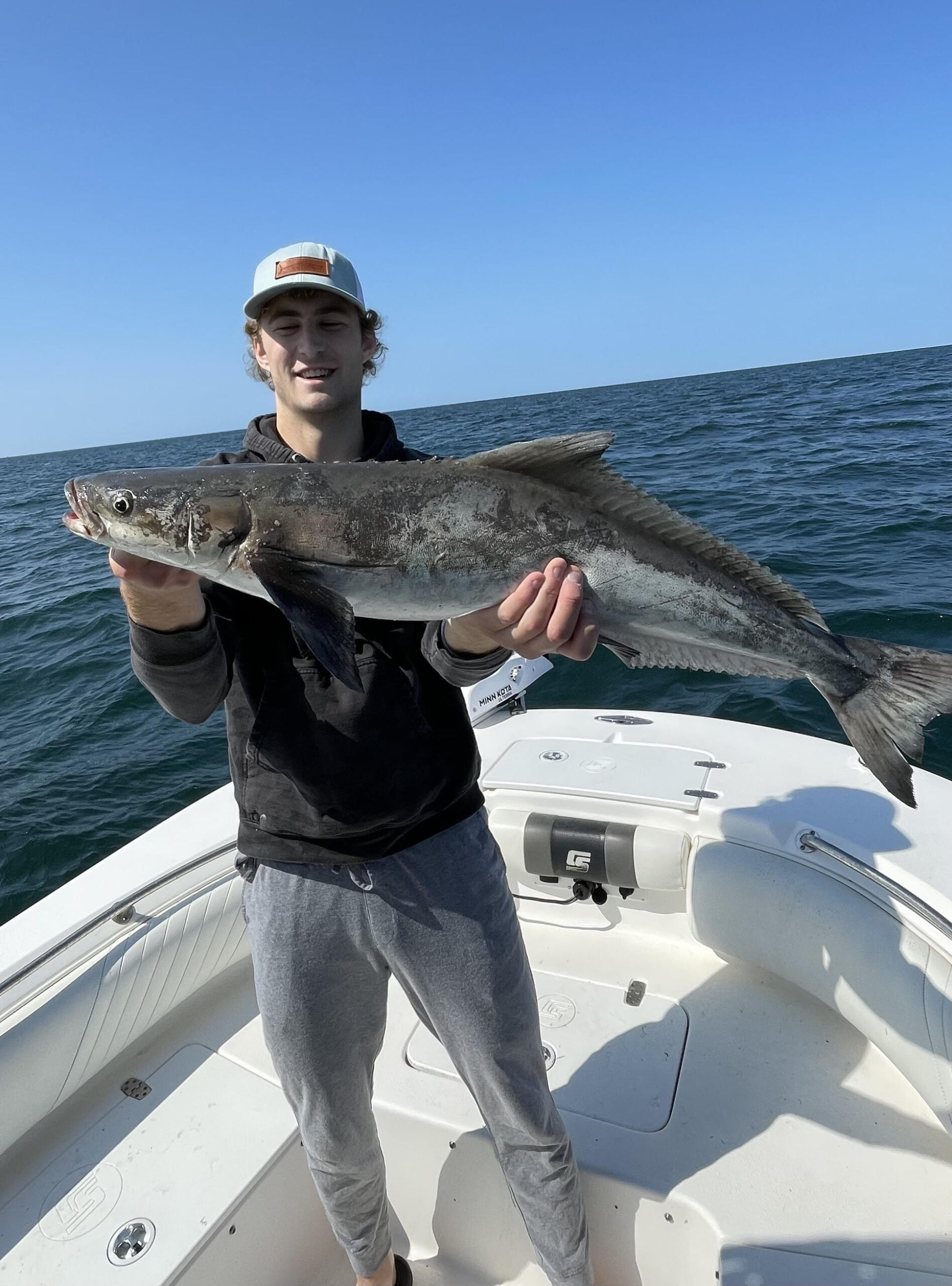
Pros: Great for a ton of different species. They are extremely oily and attract a lot of attention. For inshore, redfish and flounder will eat them. They can be trolled offshore for species like cobia and king mackerel. They can also be used to bottom fish for species such as grouper.
Cons: Another very fragile bait species that can be hard to locate and net on some days.
Pros: Extremely hardy bait that has a huge range in usable size. Great for trolling, especially for king mackerel.
Cons: They are dangerous to handle due to their teeth. Additionally, you have to spend a good bit of time to get these for bait, and small bag limits technically prevent you from harvesting many of these fish.
Mudminnows:
Pros: Lethal for inshore species like speckled trout, flounder, and redfish. Very lively baits.
Cons: You have to catch them in a very specific way. I suggest a minnow trap baited with half of a blue crab and placed near a muddy area.
Sand Fleas:
Pros: Great for surf fishing for pompano.
Cons: It can be very seasonal and hard to catch bait, especially without a rake.
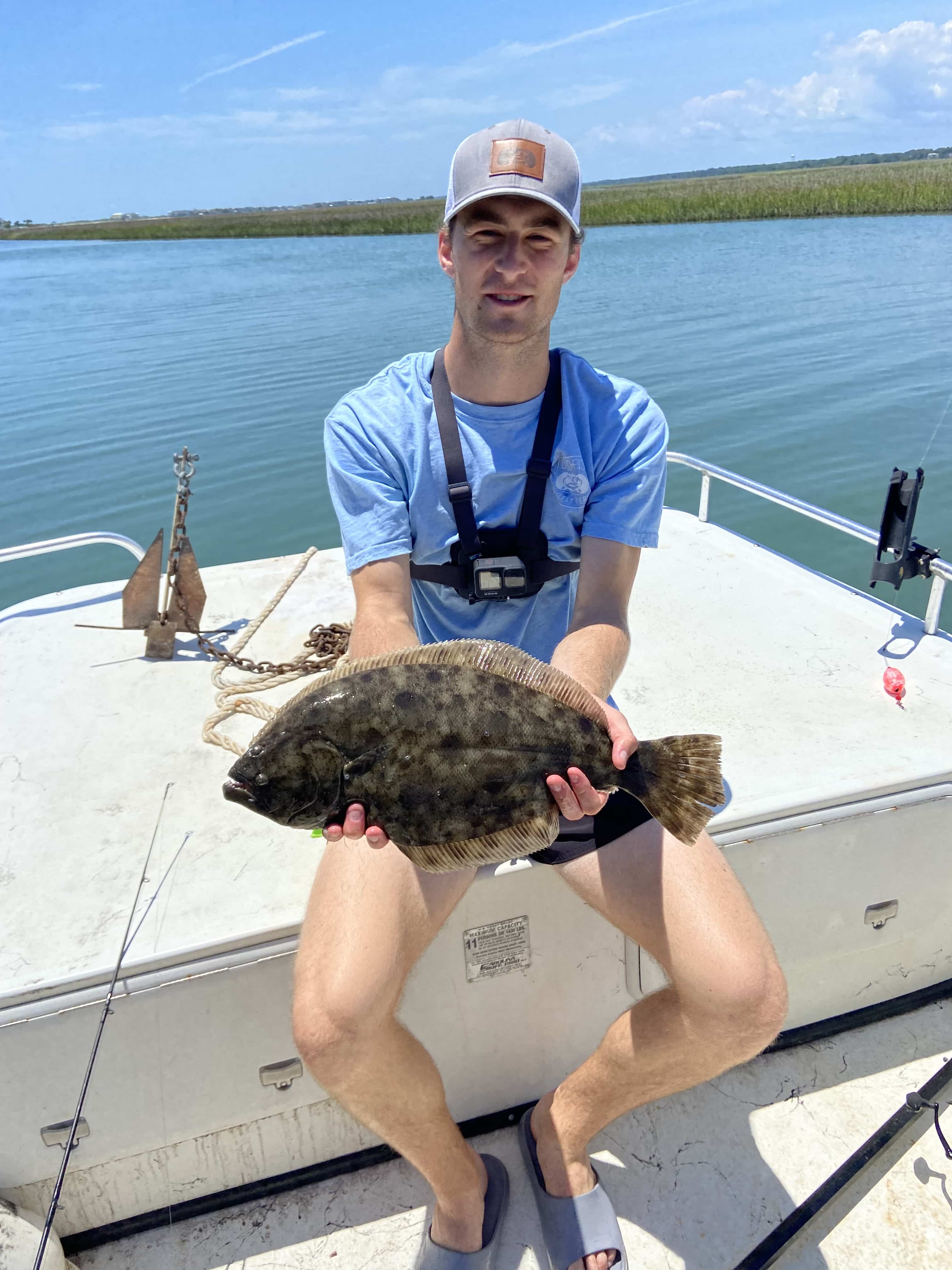
Flounder
Cut Bait
Mullet:
Pros: Great bait during the summertime for some inshore species like redfish. It can also be used offshore when bottom fishing. Cut mullet stays on the hook very well.
Cons: A lot of the time, in my experience, the guts of the piece of mullet will get easily picked out. This is unfortunate because these carry a lot of the smell.
Squid:
Pros: Probably the most popular of all cut bait. It can be used while bottom fishing for just about any species. Almost all fish love this stuff. Cut squid stays on the hook very well. It is very cheap to get and can be purchased year-round.
Cons: Everything eats squid from redfish to pinfish. This can be particularly annoying if you are trying to target a bigger species and bait stealers keep getting in the way.
Shrimp:
Pros: Again, another stellar cut bait because it is often the natural forage prey that these bigger fish are eating. Easy to handle and hook.
Cons: Shrimp comes off the hook extremely easily, and anything will bite it, which is sometimes annoying.
Menhaden/Pogies/Bunker:
Pros: This is the smelliest and oiliest cut bait, which is optimal for scent. Abundant in terms of availability in the Summer and Fall. Pogies are better at targeting bigger species both inshore and offshore. Popular targets would be redfish.
Cons: This stuff is extremely smelly and disgusting to handle. It also doesn’t last long on the hook and can be a pain to clean up.
Clam:
Pros: Clam is less used, so the fish aren’t as pressured by it. In addition, it is often the natural food for species like black drum and sheepshead.
Cons: Getting clams can take a good bit of effort. In addition, the clam falls off the hook fairly easily.
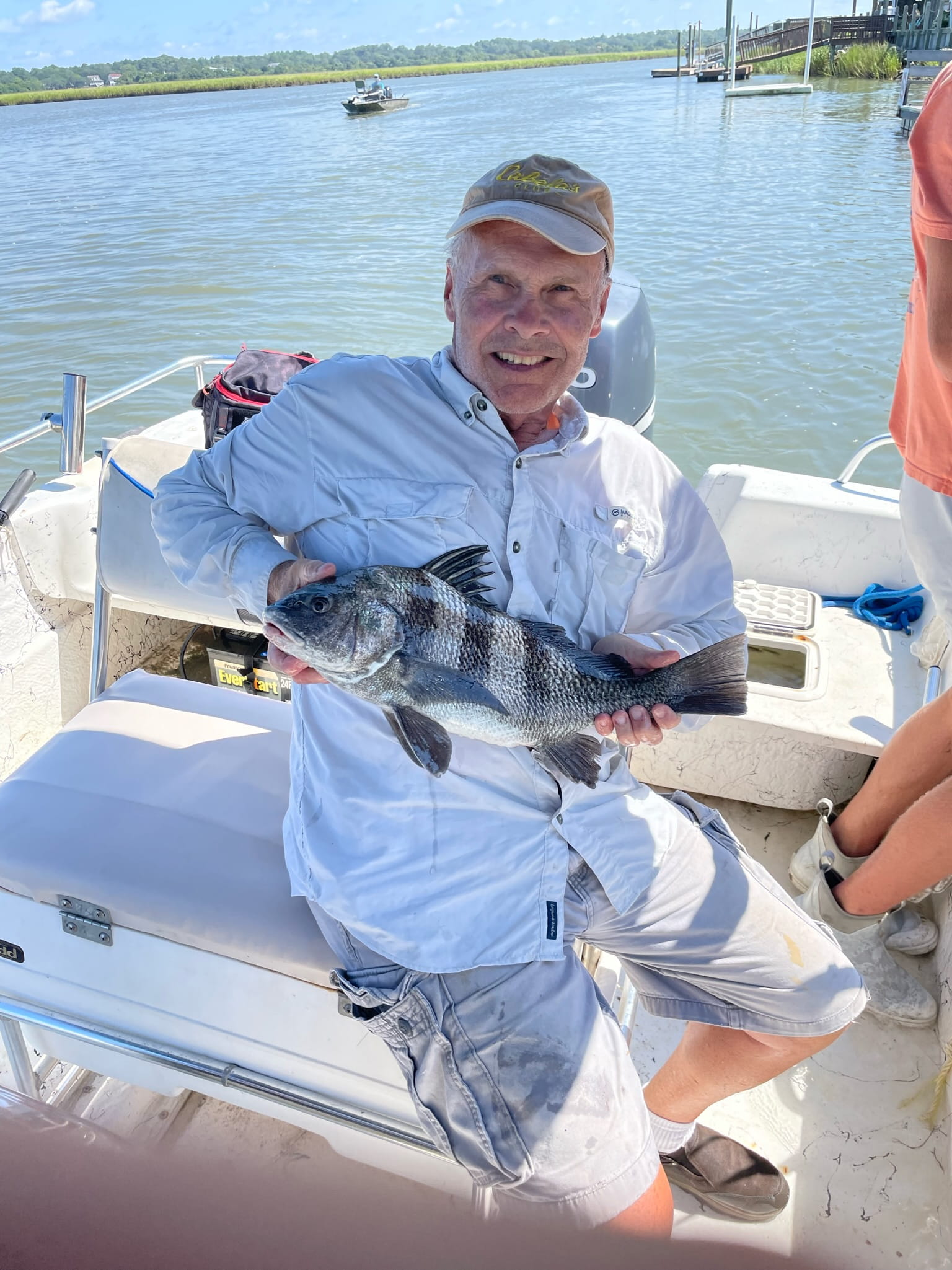
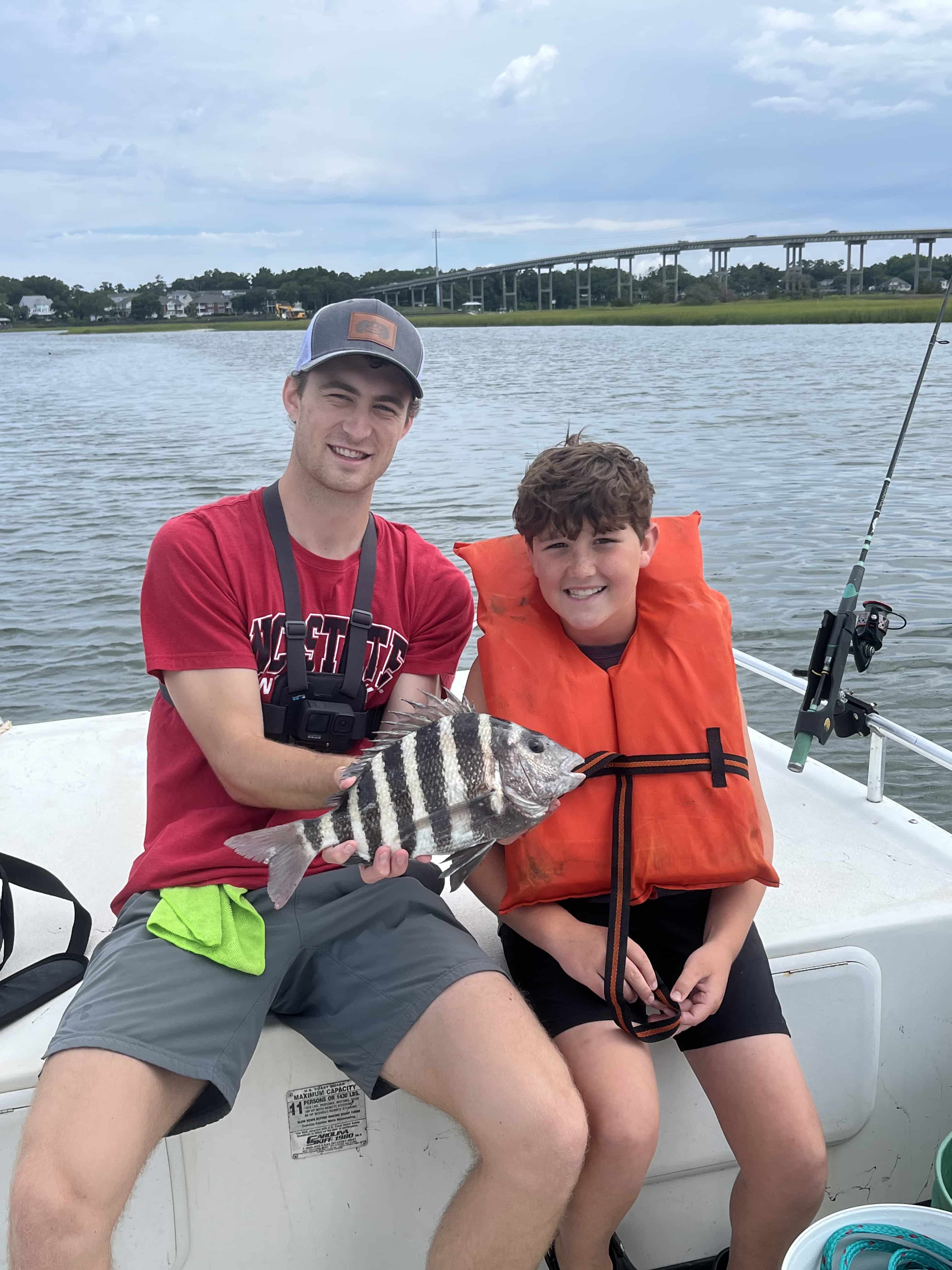
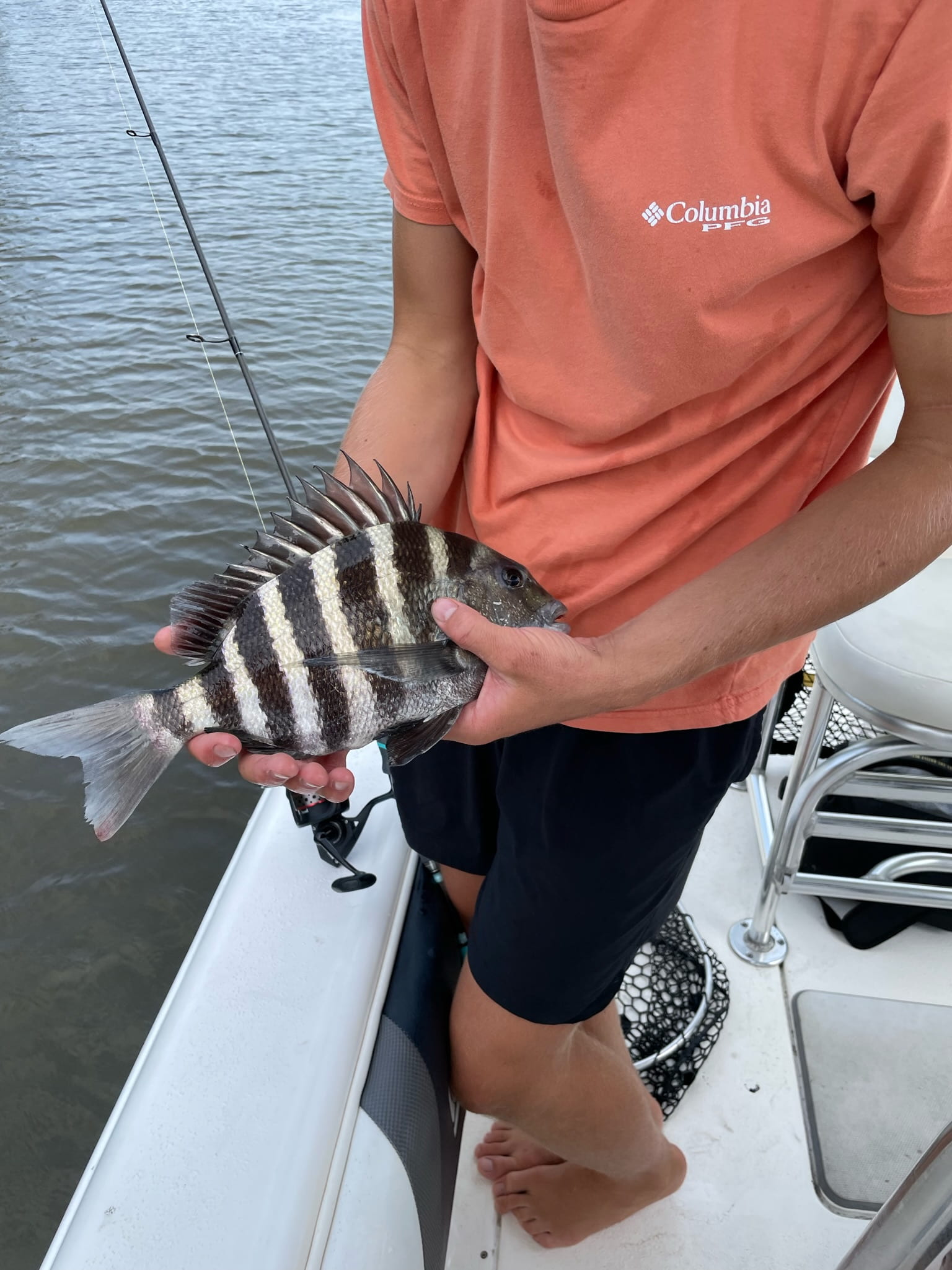
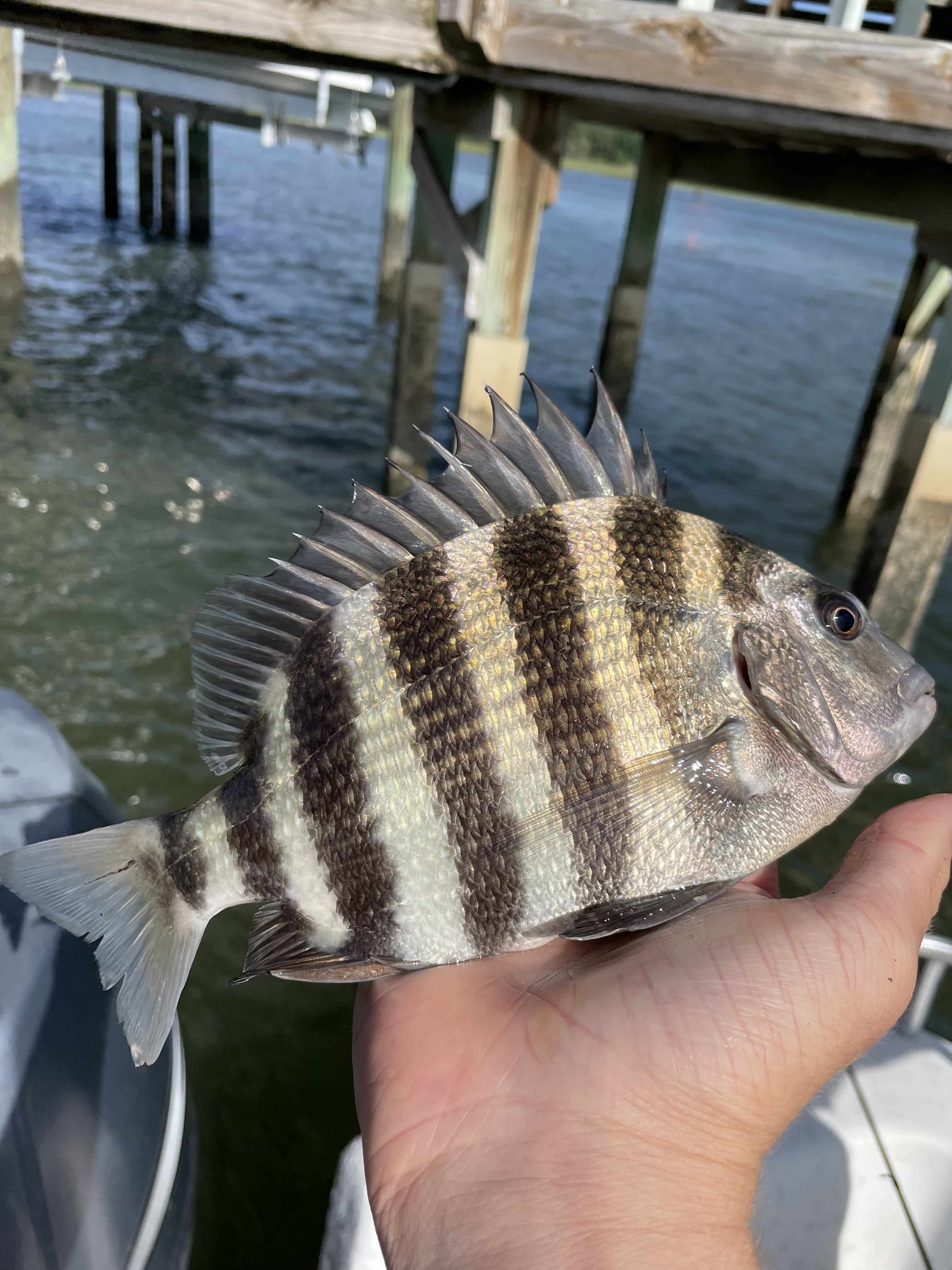
Black DrumSheepsheadSheepshead
Artificial Baits
I don’t want to sit on this section too long because I have already written another article detailing everything you will need to know about saltwater artificial baits. When artificial baits outperform live baits, I would say to use them when fish feed ferociously and don’t care to smell or think about what they are eating. This has been relevant in offshore and nearshore casting when Spanish mackerel, bluefish, and bonita appear. They aren’t looking for natural live or dead bait options so much. Instead, they will react to quick flashes and shines.
Best Bait for Saltwater Fishing by Species
Redfish: Any sort of live minnow—preferably a live mullet.
Snook: Pinfish or mullet—these frisky live baits are perfect for convincing finicky snook to bite.
Tarpon: Live mullet—these big baits can be tossed to hungry tarpon in hopes of a strike. I would suggest using a bigger mullet if available.
Speckled Trout: Live shrimp is the best live bait for speckled trout, especially when fished under a popping cork.
Black Drum: Half a blue crab or live shrimp—great for these crustacean-munching bottom fish. Fish these on the bottom with Carolina rigs.
Sheepshead: Live fiddler crabs—sheepshead candy. The bigger the claw, the better because they stick out more.
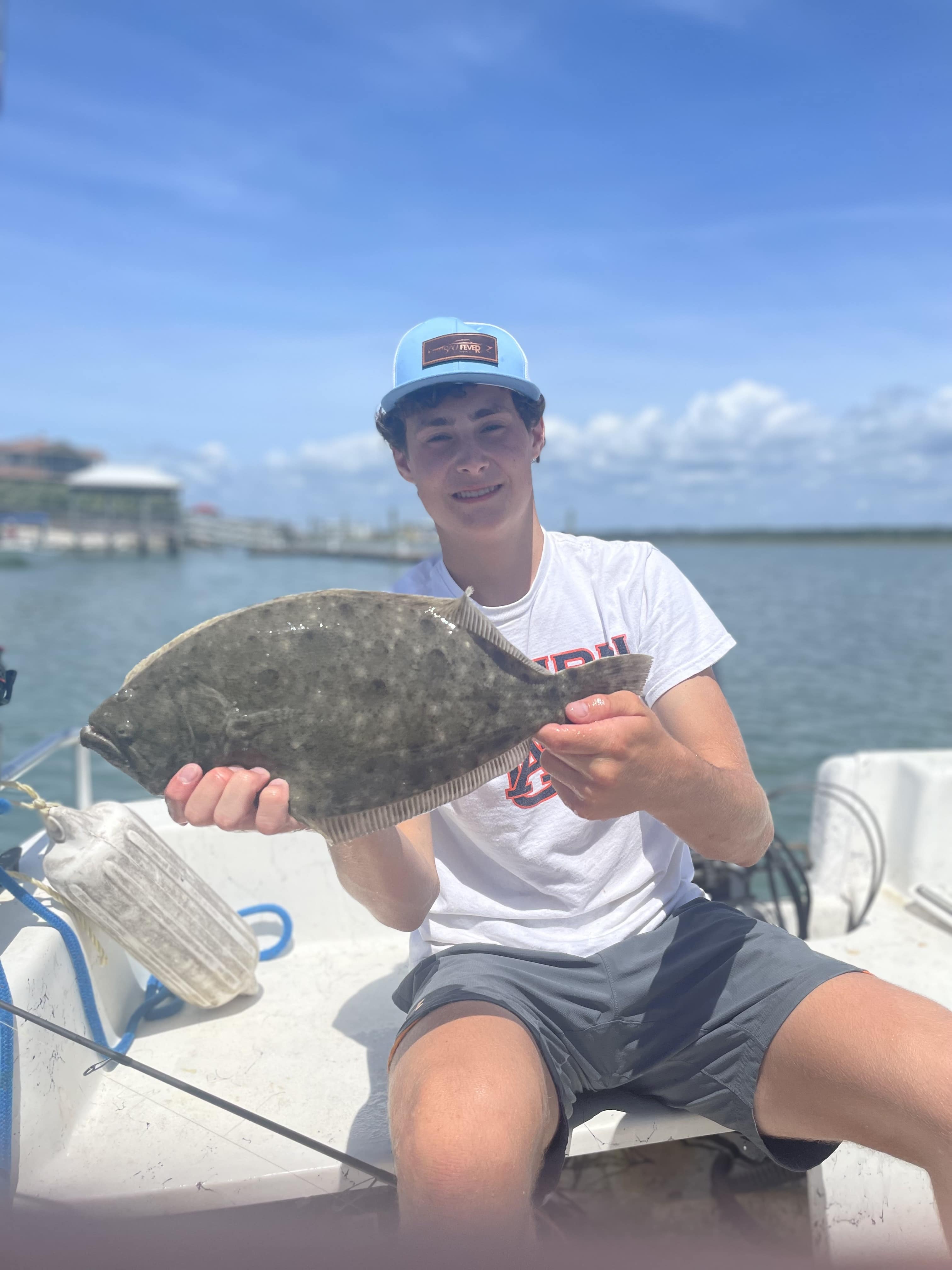
Flounder: Live mud minnow—the natural prey of flounder and most other fish won’t mess with them.
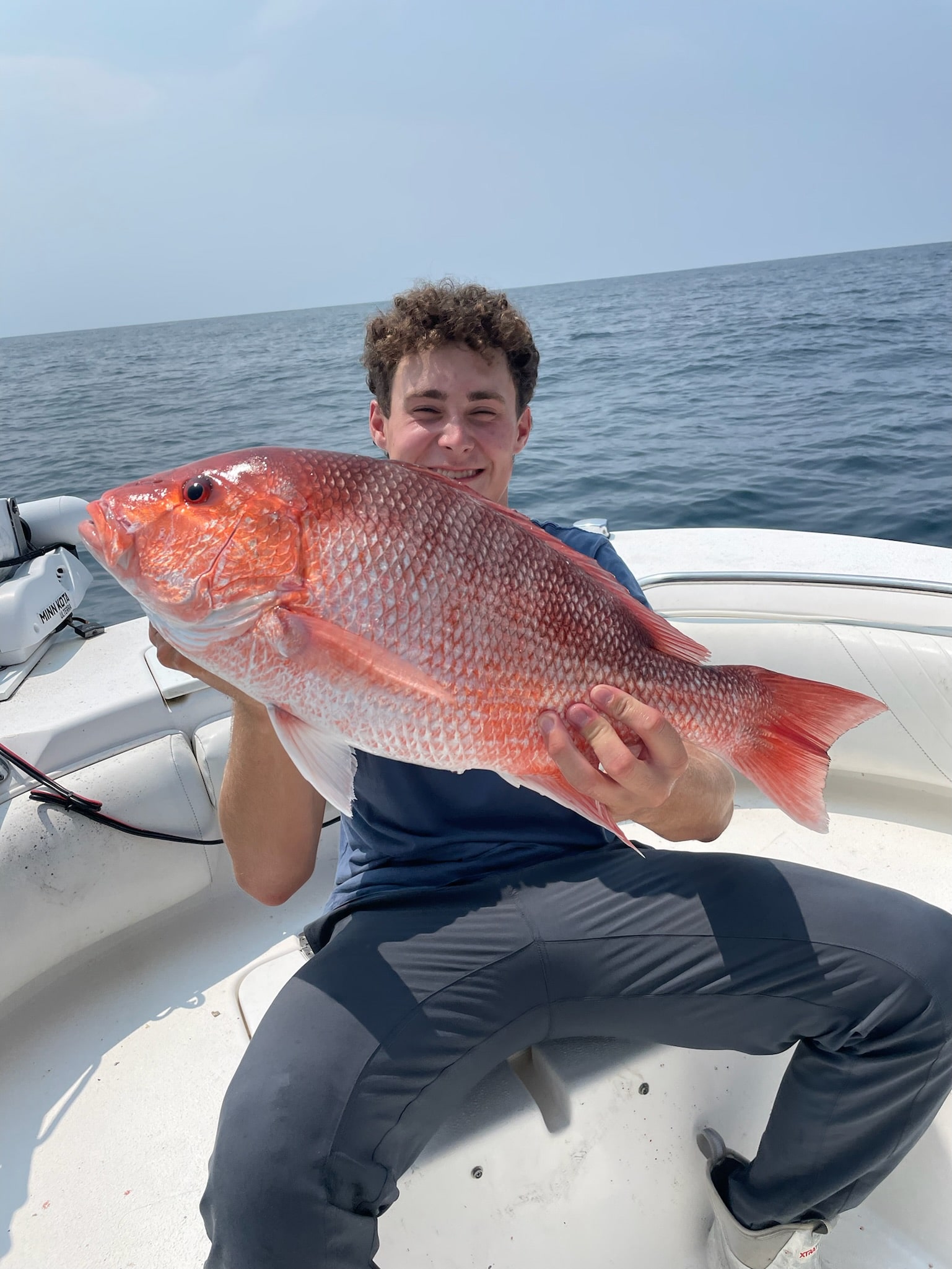
Snapper: Live pilchards are a great option for reef and wreck dwellers.
Grouper: Live pinfish—the bigger ones, especially, draw in the grouper.
Tuna: Any bigger baitfish—bluefish, blue runners, sardines, and many more bait species.
King Mackerel: Live pogies—king mackerel love to smoke these things, especially when slow-trolled offshore.
Spanish Mackerel: Finger mullet—throw a bunch of these guys out near a reef or wreck as chum and freeline these suckers and you should be able to catch some spanish.
SheepsheadFlounderRed Snapper
How to Keep Saltwater Bait Fresh and Alive
Tips for Storing Live Bait: The biggest thing I would recommend is having plenty of oxygen/aeration for the baits and ample space. You may notice that with some baits, they get red nosed and weak if they are in a small well or the well for too long. Another huge tip I would recommend is to keep baits penned. This allows the fish to acclimate to the conditions to become “conditioned,” where the baits are super hardy and lively. We always do this with our pogies when fishing for king mackerel. I would also add that you shouldn’t overcrowd your live wells because it will kill much of the bait.
How to Transport Live Bait on a Boat: If you have dead or cut bait, I highly recommend icing your bait down and keeping it on ice throughout the trip. Keep it in the wells the whole time for live bait and keep the aerator running when possible.
Best Bait Containers and Tools: There are two things I would love to recommend in this section. First, have a couple of spare 5-gallon buckets around the house to store extra bait. In addition, you can buy some portable aerators called Baby Bubbles, which work wonders for bait and can effectively give you extra live wells if needed.
King Mackerel
Where to Get Saltwater Bait
Buying Bait: While this is not preferred, many anglers will buy bait from local shops and stores where it is sold. Sure, this can be convenient, but it is also terrible for your wallet, and some baits can be quite pricey. For example, in the off-season, live shrimp can be as much as 15 dollars for a dozen! My general rule is to avoid buying live bait unless you need to.
Catching Bait: This is one of the big things that separates good from great anglers. All great anglers have their ways to get the bait they need. This can be done by various means, such as traps, nets, fishing, etc. I’ll give you a few examples from my own life. When we need bluefish for bait for king mackerel tournaments, we always go out and troll with Clarkspoons to pick up a few of these for the live wells. If I’m fishing for red drum or speckled trout, I’ll have to go out and net some live mullet and shrimp to have better odds of success. I assure you that you can enjoy doing this while saving lots of money.
Legal Considerations: One of the biggest parts of getting bait, especially when catching it yourself, is the legal considerations. Even when you are catching and keeping live bait alive, it still counts as harvesting those fish or animals. This being said, you have to obey the regulations in place. For example, the limit for bluefin is 3 per person per day. So, when my captain and I go out to get bluefish for bait, we can only harvest six at a time, which is a pain. However, these rules are for our benefit and protection of our waters, so be sure to obey them even if they don’t seem reasonable.
Match the Hatch: You want your bait to be or at least look like the bait the fish are naturally eating. However, when it comes to live bait, you want it to be the same as the naturally eaten bait. For example, if I find a menhaden bait ball with king mackerel busting on it, I will throw out a hooked menhaden because that is what the mackerel expects. You may be tempted to try and make your bait stick out more by using a different kind, but I can assure you that a hooked bait they’re already chasing will be money. That hooked bait will likely get singled out and eaten because it will appear weaker than the others in the school.
Understanding Fish Feeding Behavior: Knowing when and where fish will feed is a massive part of successful fishing, with or without live bait. I would highly suggest using the Fishbox App for this. At any point in the year, for the most part, early morning and evening will be your best bets for catching fish on live bait. This is simply because the fish are feeding more at these times.
Time of Day and Tides: I touched on this in the last point regarding time of day, but let’s talk about tides. The general rule of thumb is you want to be fishing when water is moving and there is current, so anything goes, but not on a slack tide. I prefer the incoming tide as water fills the backwater. Some people will swear that tides affect offshore, but I haven’t seen this play out. Just make sure water is moving if you can help it.
Trial and Error: At the end of the day, the biggest thing you can do to improve your live bait fishing game is to just get out on the water and make some mistakes. You can try to avoid these mistakes, but I promise they will happen. Once they do, try to learn as much as possible from them and move on. Keep trying new baits and strategies to develop your personal game plans, and you will succeed.
Common Mistakes to Avoid
Using Freshwater Bait in Saltwater: Just don’t do this—please. There’s never a reason, so just don’t try it. This will not work with live bait because it will die shortly. Try to match what the fish are eating in saltwater with saltwater bait, and you should be ready.
Not Matching Bait to Conditions: Sometimes you can’t match the bait to the conditions, but for the most part, water and weather data, which the Fishbox App can provide, are always available, giving you at least some metric to go off of. Base your live bait on this in combination with what you are targeting for better odds of success.
Overhandling Live Bait: TONS of anglers make this mistake every year. Many of these saltwater baits are fragile and don’t like to be touched constantly. Believe it or not, this can stress the bait out, and their health will deteriorate quickly. Get your hands on and off the bait as quickly as possible and try not to touch them unless you have to. Beat-up baits are far worse than fresh ones, so keep this in mind.
I hope you guys have enjoyed reading this article as much as I have written it. Additionally, I hope you learned at least one new thing about live bait and/or how to use it to your advantage. Remember, whatever you do, it’s gonna take patience. Apply this patience to live bait fishing and let the mistakes guide you. As always, good luck and tight lines!
About author
Photo Source: All photos in this article were provided by expert Pierce Latta.
Visit his:
Share this article
Pierce Latta
16 years fishing experience
Pierce Latta has been passionate about fishing since the age of three, growing up casting lines in both freshwater ponds around Charlotte, NC, and the saltwater of Ocean Isle Beach. With nearly 16 years of experience, he’s explored almost every style of fishing imaginable, from fly fishing and surf casting to offshore and inshore adventures. Pierce now shares his knowledge and enthusiasm with others, offering tips, techniques, and inspiration to help anglers of all levels discover the thrill of fishing.



![Where and How to Catch Live Bait for Saltwater Fishing [Expert Guide]](https://imgcdn.fishbox.com/wp-blog/wp-content/uploads/2024/03/spanish-mackerel-fishing-pierce-latta-scaled-1-1.jpg)