Lake fishing is one of the most popular means of fishing across the United States and the world. Lakes are some of the biggest bodies of water next to oceans and hold huge quantities of various species that send anglers flocking to the water year-round. In this article, I will be going over some of the best lake fishing baits and how and when to use these different fishing baits.
Before I even jump into the article, I also think highlighting a great resource you can use on the water is worth highlighting. This resource is the Fishbox App. The Fishbox App is chock-full of extremely helpful fishing information, such as tides, wind, weather, bite times, and so much more. The app uses over 40 metrics to give us a concise and easy-to-read bite score to help anglers better understand when and where to fish. So don’t wait any longer; download this app today. Without any more delay, let’s jump straight into the article.
Differences between Baits: One of the first things we must cover in this article is the differences between lake fishing baits. Here they are below.
Live Bait: Live bait is the only bait found naturally ALIVE in the existing environment. Live bait is often a great way to go as it doesn’t mimic the natural prey that fish eat in the wild, but it IS the natural prey that these fish eat. Some people will say that using live bait is cheating, but I believe you are simply using the resources you are given. If you use live bait correctly, you can be confident that a hungry fish will strike.
Artificial Bait: Artificial bait is another super common type, especially in lakes. You must understand that artificial baits are meant to mimic real-life prey but are made of reusable materials like plastic or wood. These baits are far more durable than live baits because you don’t have to keep artificial baits alive. Additionally, artificial baits can often cover more ground and are less expensive.
Natural Bait: The last type of bait we need to discuss is natural bait. These are often real food products or dead bait that can’t fit into the artificial or live bait category. Some common examples of natural baits are cut bluegill, corn, hot dogs, dough baits, etc. These baits are used for various purposes, from catfish to carp.
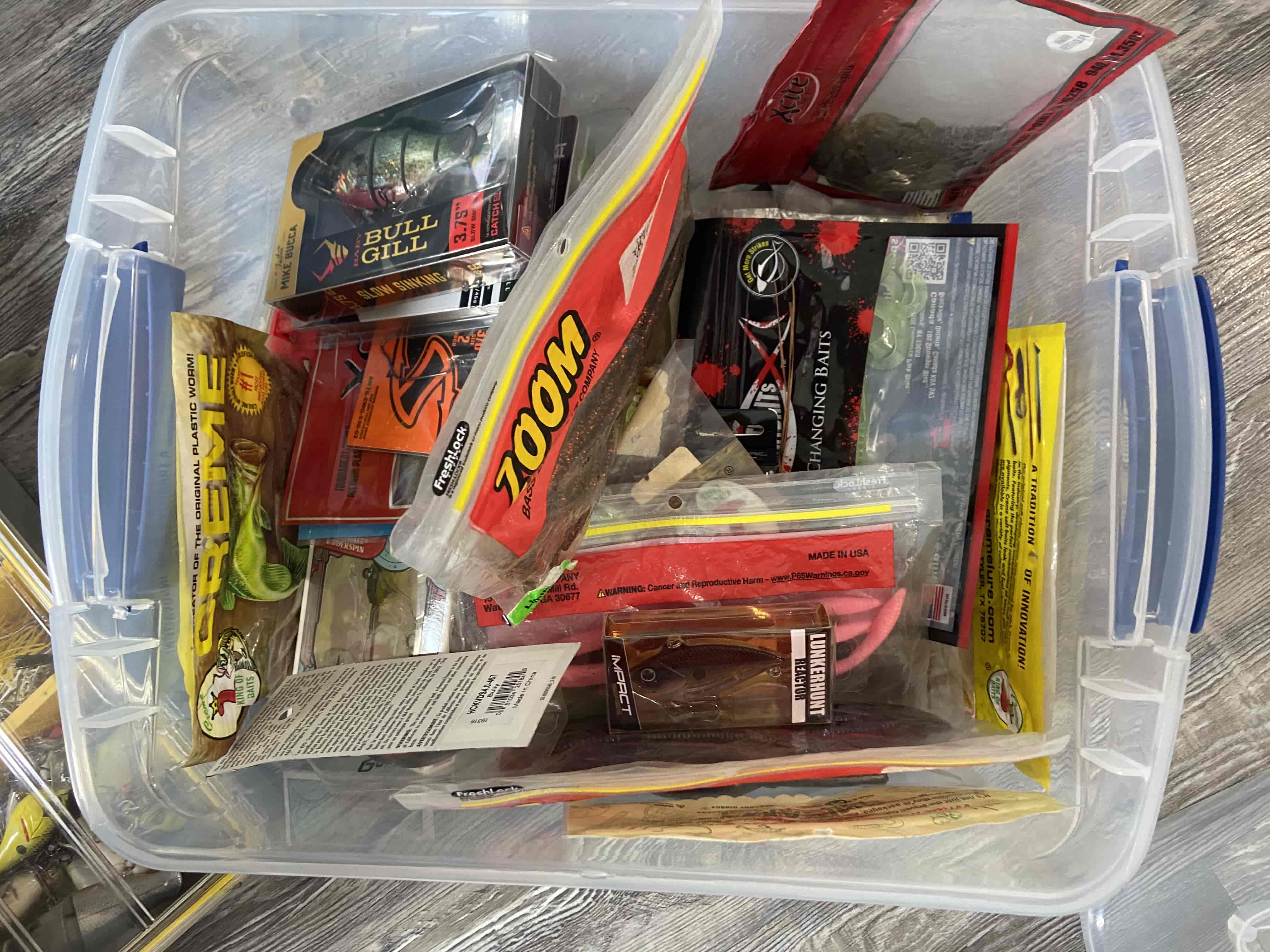
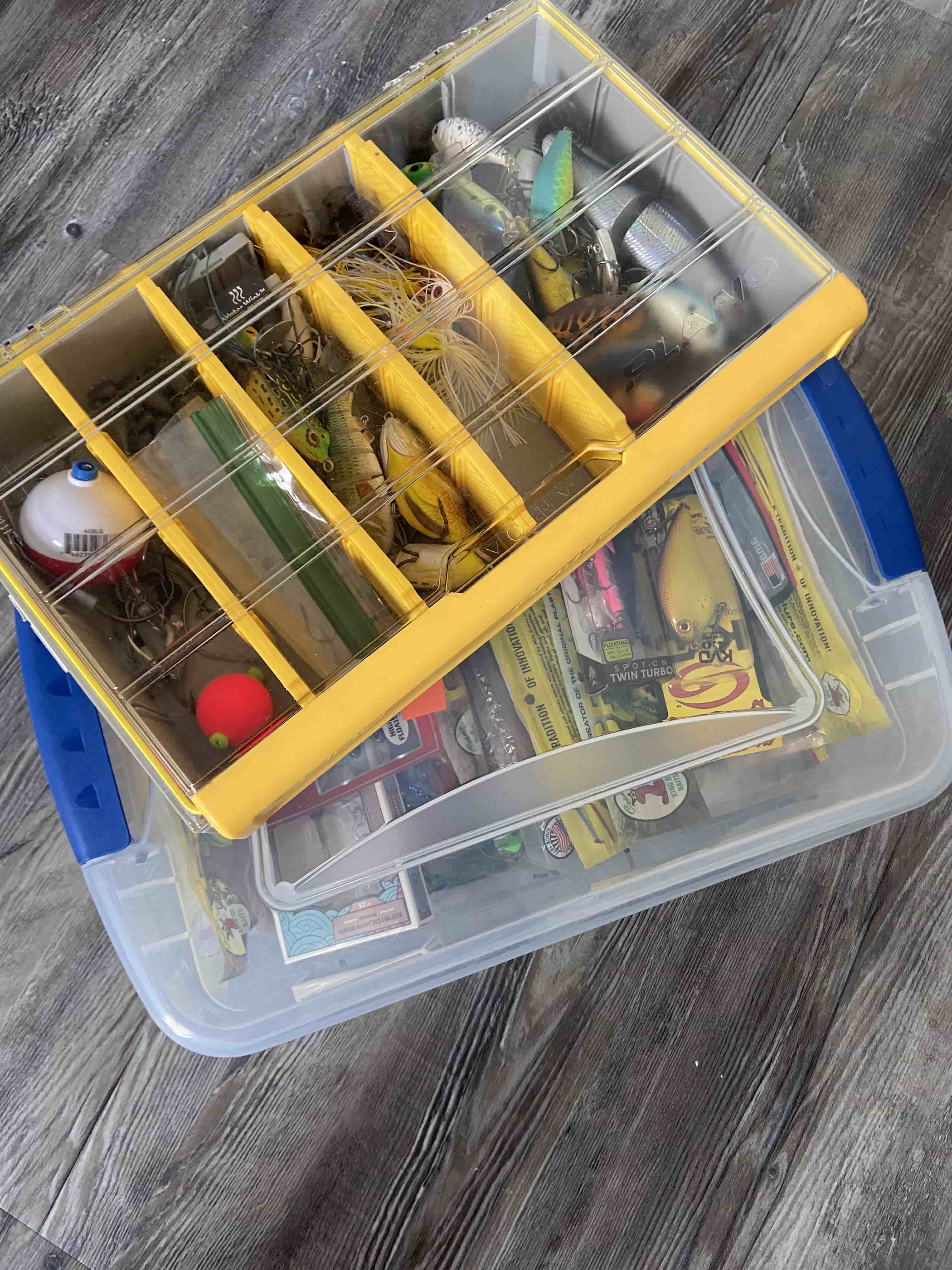
Lake baitsTackle for lake fishing
Factors that Influence Bait Choice: Various factors play into your bait choice; here are a few to consider.
Season: One of the biggest factors influencing the bait you choose to fish in the lake is the season. Different seasons often mean different weather and water conditions. For example, in the winter, you will need to know that fish are more lethargic than usual and don’t want to move around and exert much energy. This being said, you would want to choose slower-moving baits or baits that you know you can convince the target species to bite. Maybe this is a live bluegill or even a jig.
Water Temperature: This factor is very similar to the season point I just made because different seasons have different water temperatures. In general, as the water warms up, so will the fishing. You can expect to use faster-moving baits in lakes as the water warms, but be sure to use slower baits and retrieves when the water begins to cool off closer to Fall.
Fish Species: A huge factor in bait choice is the species you target in the lake. If you are going after bluegill, you definitely wouldn’t want to use a massive swimbait. However, if you were going for big largemouth bass in the Summer or Spring, that same big swimbait might be the play. In summary, you need to match your bait with your species. Pick your targets before, and don’t go in blind. Research beforehand to know what to expect and what to throw on your line.
Lake Conditions: Lake conditions also function similarly to the season and water temperature factors I listed above. If the lake has clearer water, you want to use light and more translucent colors. If the lake water is dark and murky, I would suggest using something that contrasts and sticks out a little bit more (this is specifically talking about artificial). With live and/or natural baits, lake conditions can affect the time you may have to wait for a bite, amongst other things. For example, if the water is murkier, it may take longer for the catfish to find your piece of cut bluegill on the bottom of the lake.
Night Crawlers and Worms: Worms are an all-time classic fishing and lake fishing bait. Hook them multiple times on the hook, then put them under a bobber or on the bottom, and wait for the fish to bite. Just about anything in a lake will eat a live worm. Some popular species that eat worms are bass, catfish, crappie, bluegill, trout, and more. Worms are great bait if you are just trying to catch fish and don’t care about what kind they are. It is also important to note that they catch bluegill more often than anything else. As mentioned earlier, you can use a simple bobber or a bottom rig to rig these worms. Just be sure to hook the worm multiple times so it doesn’t wriggle off. Also, use a split shot weight to keep the worm down.
Minnows/Baitfish: Minnows and baitfish are another great bait for targeting various species. Before I go any further, it is very important to note how broad the baitfish category can be, anything from little shiners to full-grown bluegill for bait. This being said, various species can be caught on the different baitfish you use. For example, smaller minnows like shiners are better for smaller species like panfish, walleye, and crappie, whereas bigger baitfish like bluegill are better for big largemouth and catfish. Depending on your application, you can go freeline, bottom, or bobber rig to rig baitfish. Smaller baitfish will probably want to be hooked in the mouth, whereas bigger baits could be hooked in the mouth, back, or even tail.
Leeches: While I have never used leeches, I suspect that they would work fairly well. According to my research, some common species of leeches to use are walleye and pike. I would recommend using a jig head and sliding it straight on it to rig leeches.
Crickets/Grasshoppers: Another great live bait for lake fishing is crickets. These baits are deadly to panfish, and I can attest to this personally. My research also suggests that crickets are highly effective for trout. To rig crickets, I would recommend using them on a bobber since you often target trout or panfish that sit higher in the water column. Be sure not to hook them through the middle because it could kill them. Try to hook them near the legs to maximize the motion the cricket can put out in the water. Additionally, I would recommend a split shot weight to keep the bait down.
How to Rig Live Bait Property: One of the biggest tips I can give about rigging live bait properly is to do your best to keep the bait alive and moving. You want that bait to mimic the natural prey as best as possible, so try not to impede the bait movement with massive hooks and complex rigs. You need to let the bait do the work for you, and the rest will take care of itself. Don’t try to hook the bait through the top of the head where the brain may be, but try to hook them so it affects their movement as little as possible.
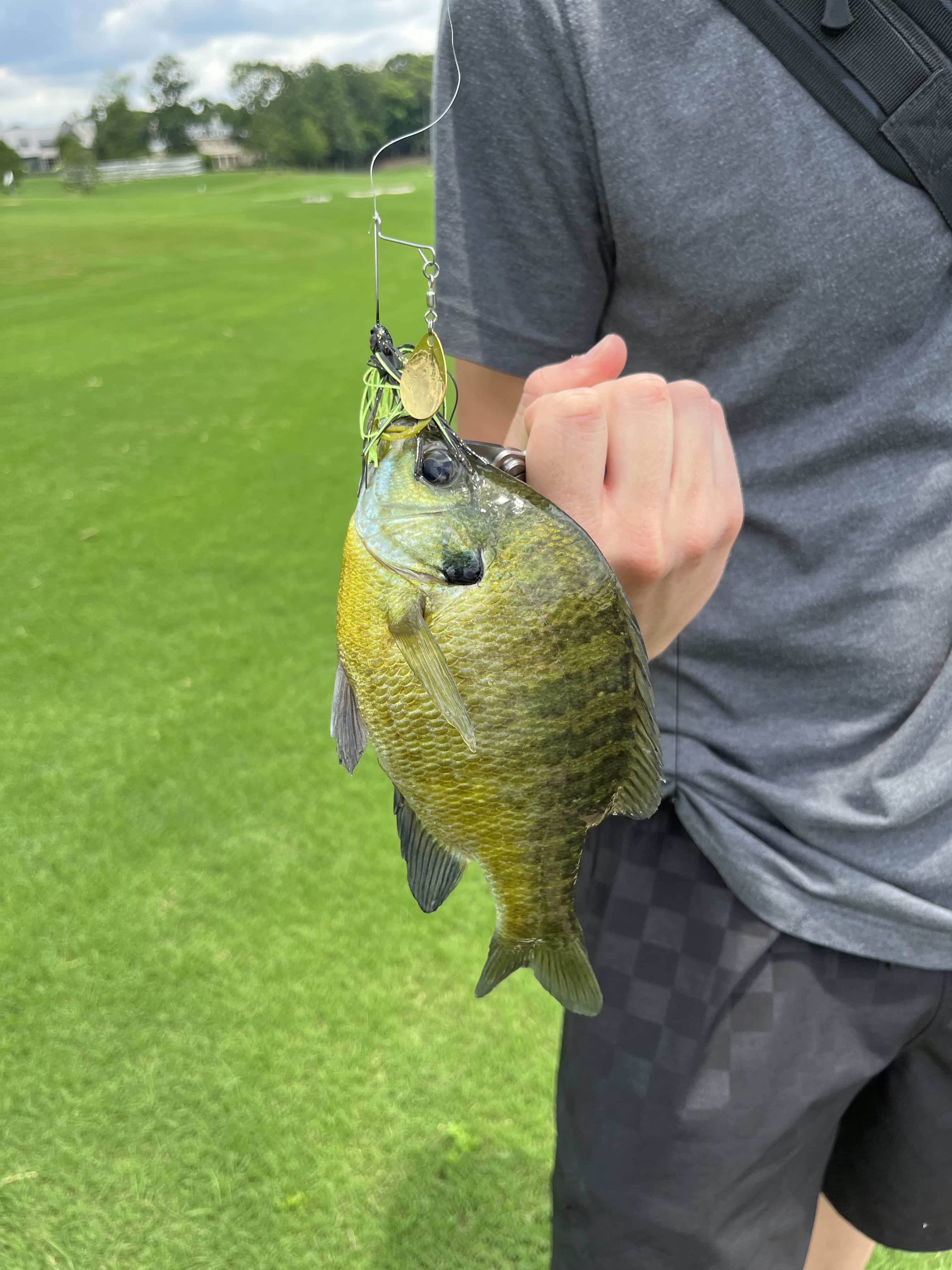
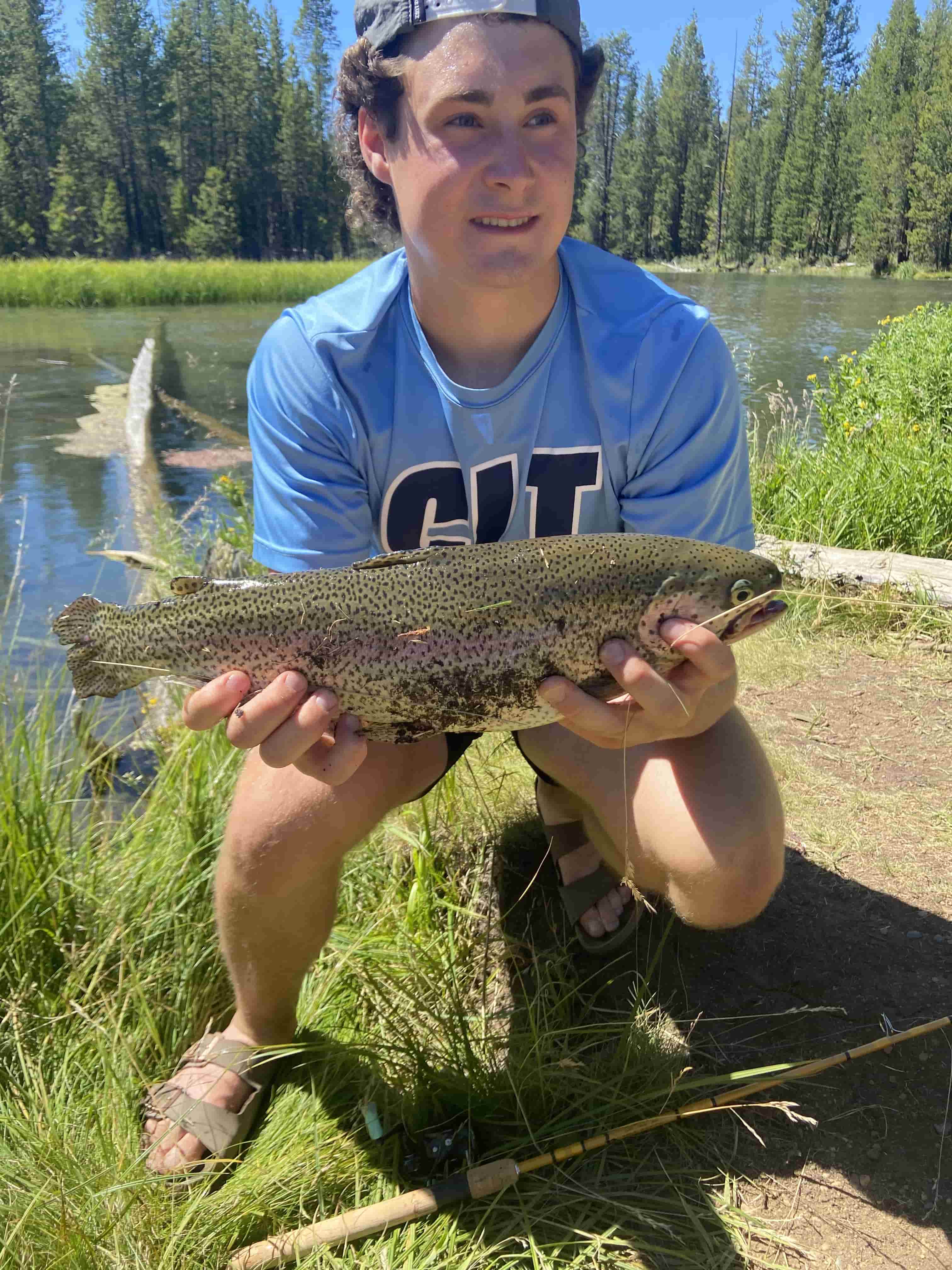
BluegillTrout
Best Artificial Bait for Lake Fishing
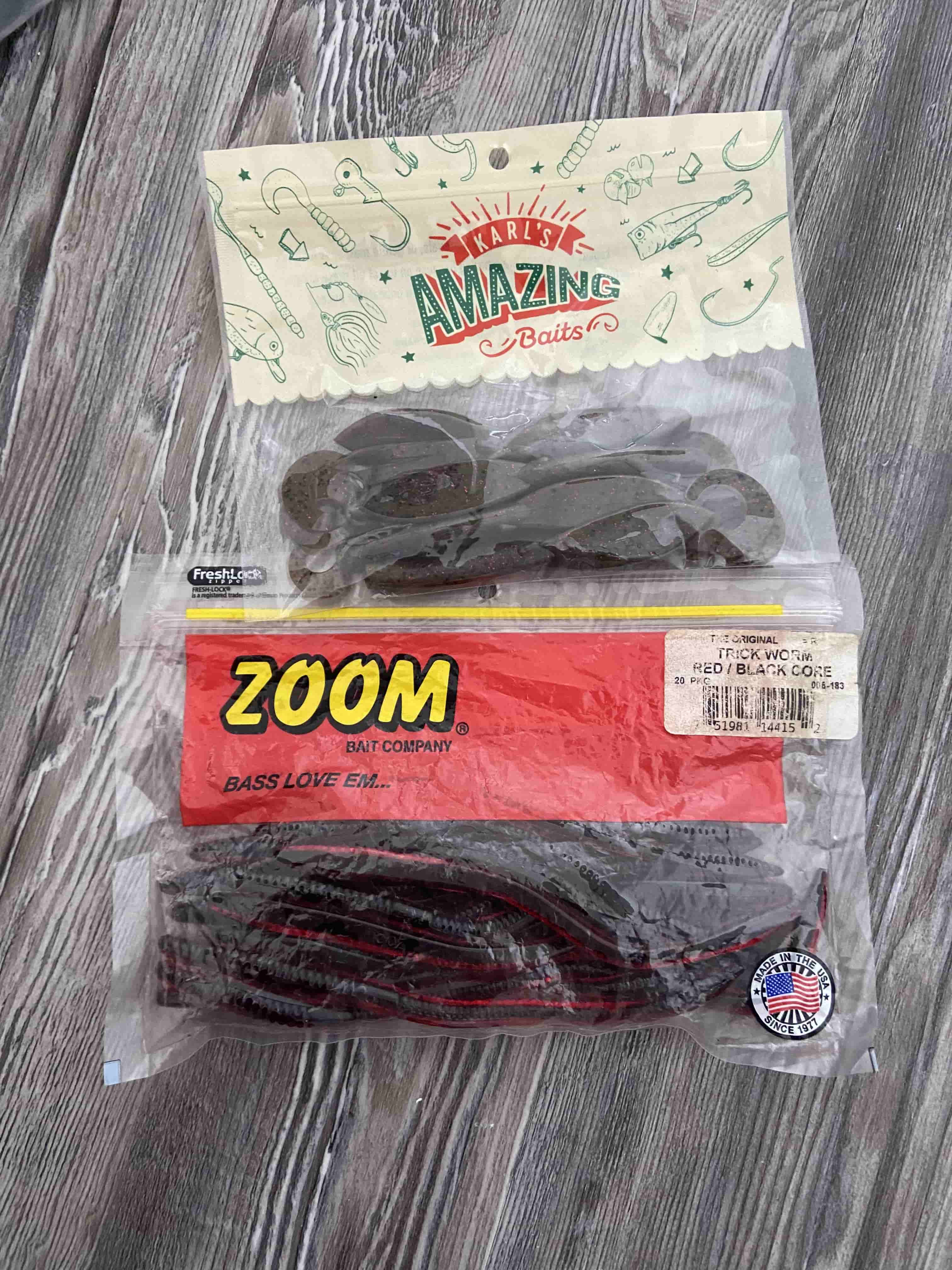
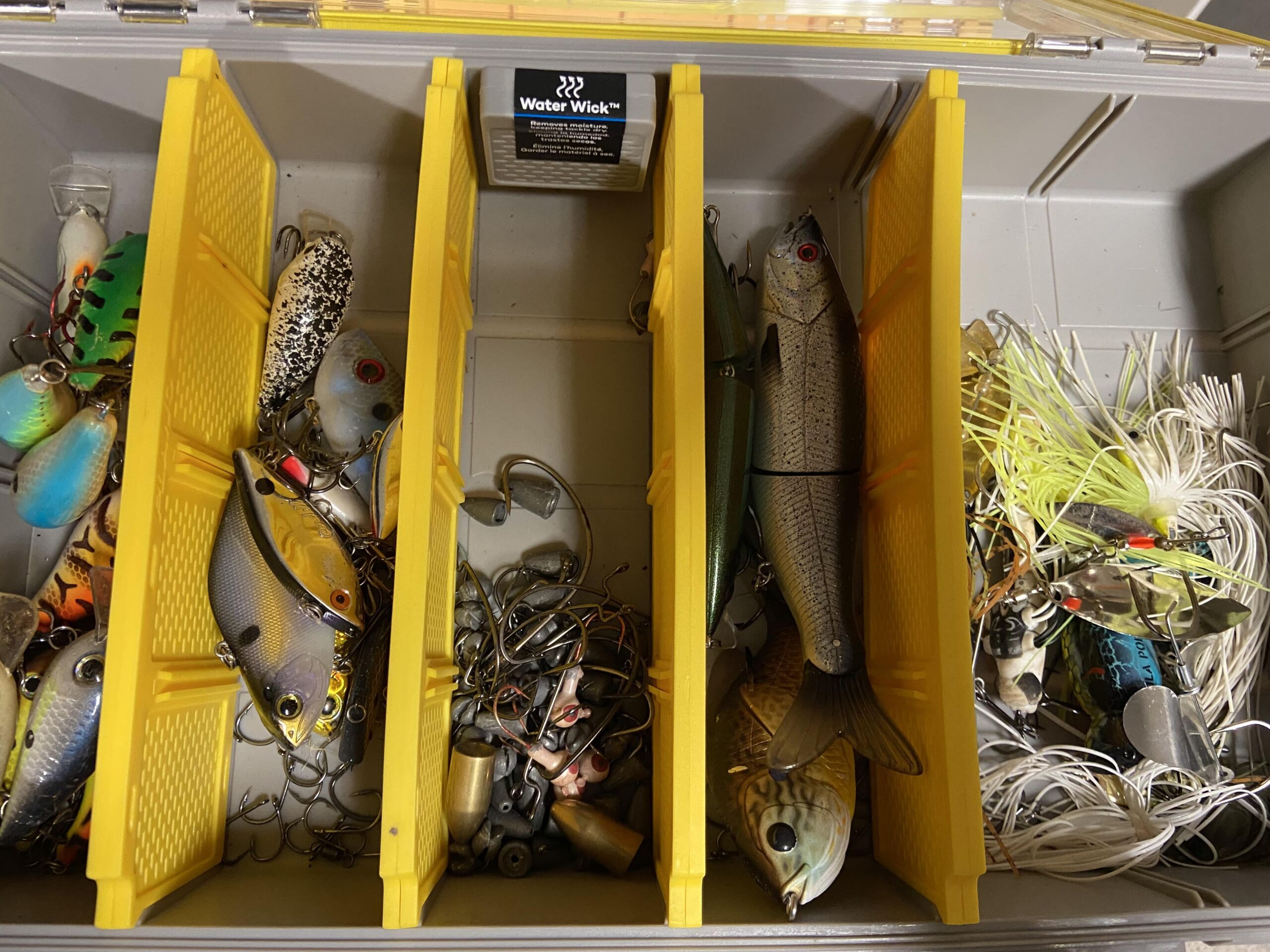
Soft Plastics: Soft plastic is one of the most well-known and popular lake fishing baits. These baits are extremely versatile in terms of use and come in many colors and variations. These baits are great for mimicking a bunch of different live baits, such as crawfish, minnows, worms, and other small fish. Soft plastics give the user great control and sensitivity, particularly for lake largemouth bass. Use soft plastics near the cover and other structures for best results. Using soft plastics relies a lot on the user and how much motion and movement they are giving the bait. Be sure to try to twitch your rod to bring that bait to life.
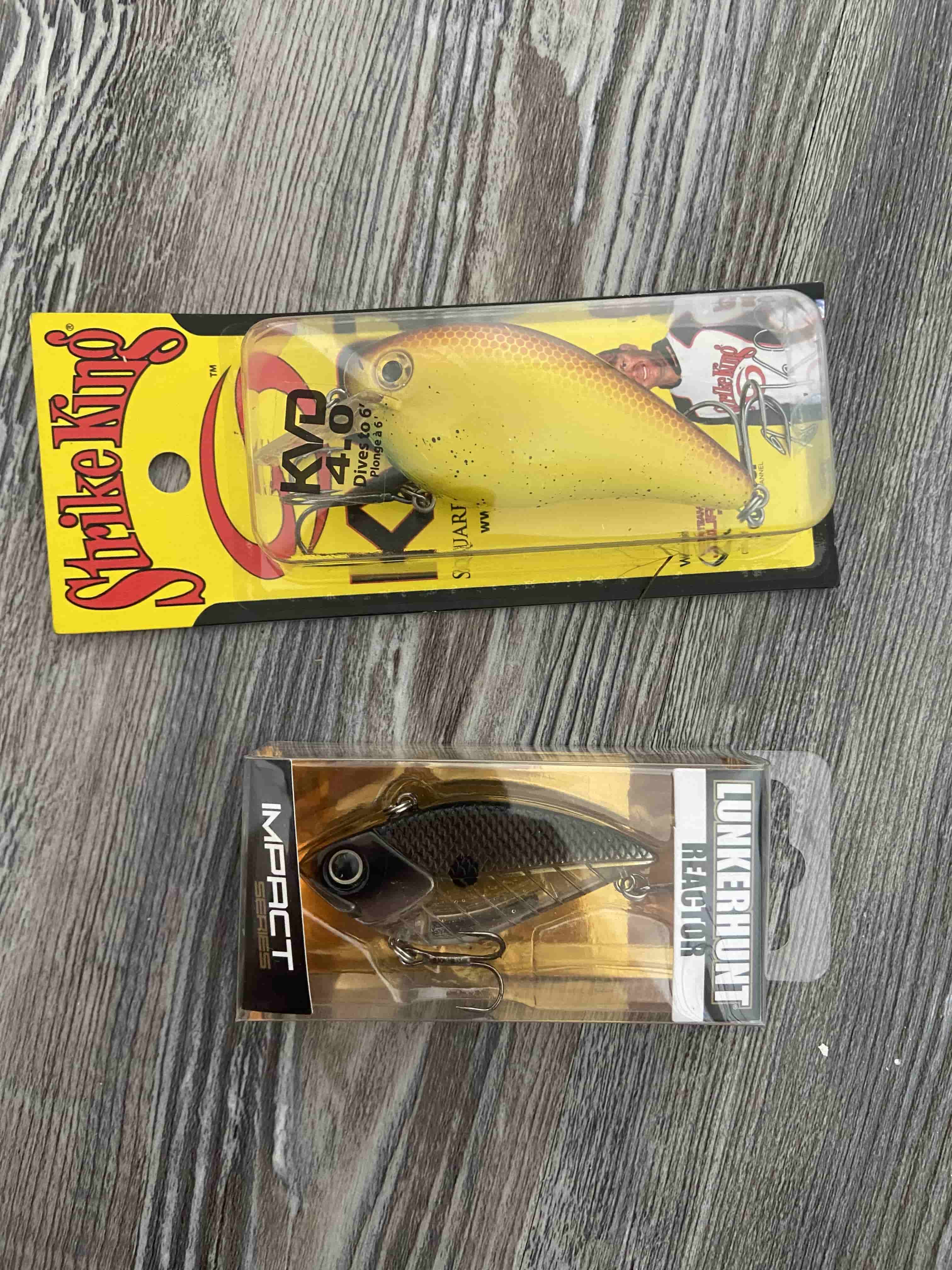
Crankbaits: Crankbaits are another phenomenal lake bait. These baits cover tons of water and allow for great depth control based on the size of the bill. These crankbaits can go as shallow as a few inches to even depths of 30 feet, giving you a far more effective depth range than a soft plastic. In addition, it should be noted that crankbaits cover the middle of the water column and can reach deeper areas in colder months.
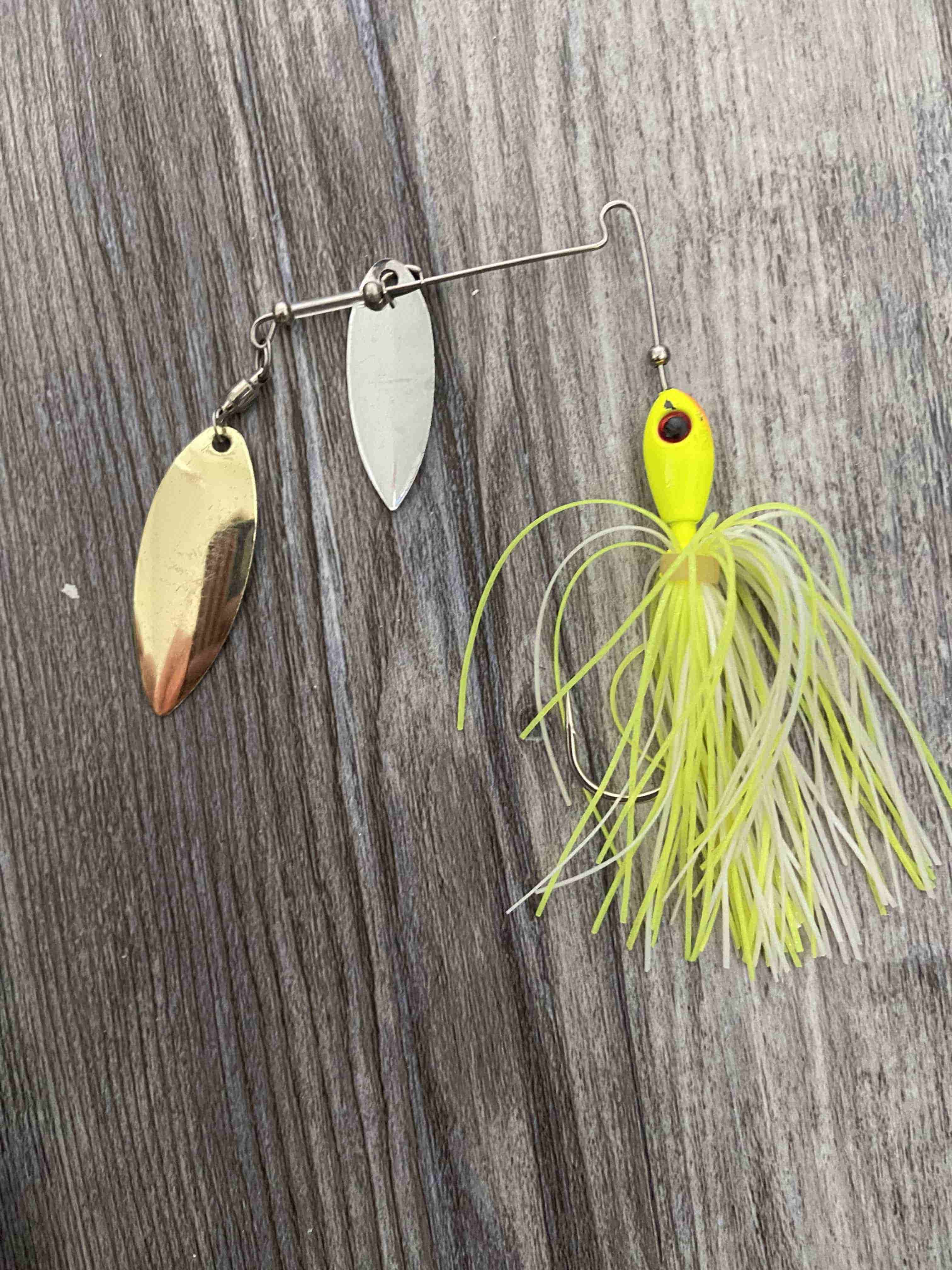
Spinnerbaits: Spinnerbaits are very similar to crankbaits in terms of use and water coverage. Often reeled at a steady retrieve rate, spinnerbaits can quickly cover a lot of water. Additionally, it should be noted that spinnerbaits tend to elicit reaction strikes more often than not because of the spinning shiny blades, which create bait-like flashes in the water column. Use these baits to target your upper and middle water columns. It is one of my favorite warm-water lake baits and a highly effective bait for largemouth bass and pike.
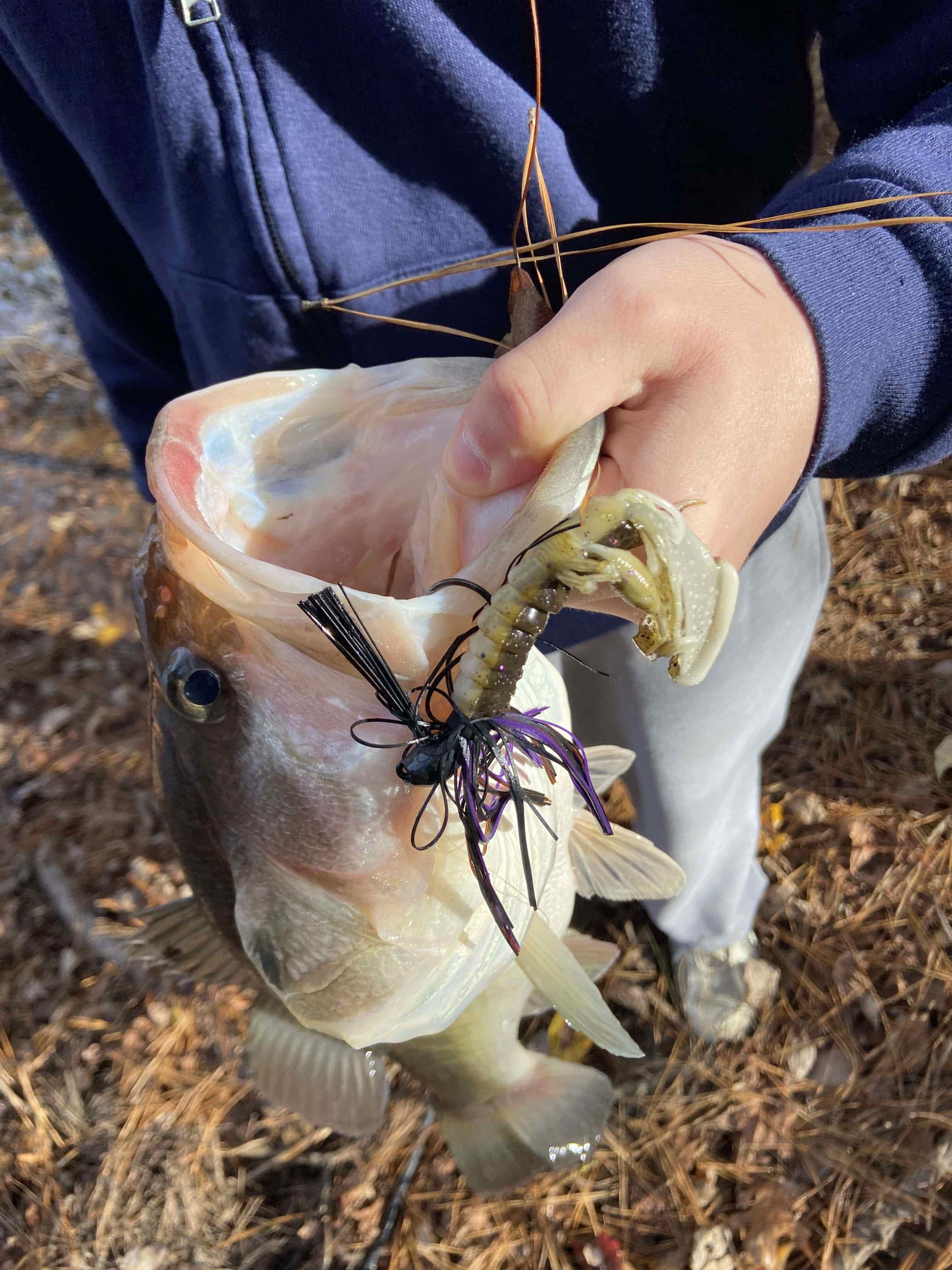
Jigs: Jigs are another extremely popular lake fishing bait as they can be used to get down and deep to get slower-moving bass near cover. While I generally don’t tend to use jigs on the lake, lots of anglers do, and they have found substantial success. Your best bet would be to go to areas with cover and bump and run your jig along the cover in hopes of pulling out a lethargic bass. Jigs are also great cold-water baits, but can also be used year-round.
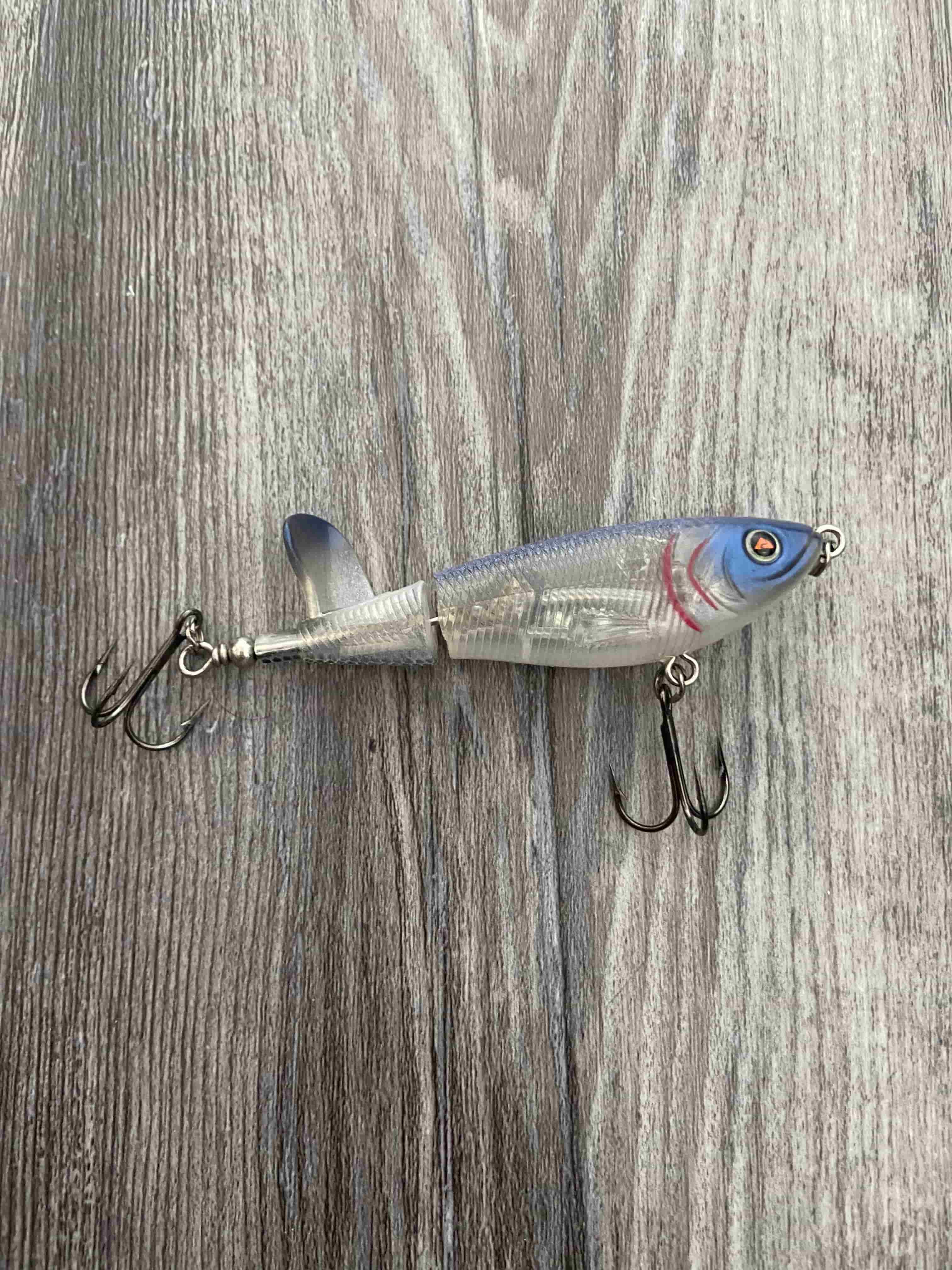
Topwater: Of all the artificials in this section, topwater has to be my favorite. There is something special about watching a fish rise to the surface and unleash a violent attack on your bait. In my experience, topwater baits are most effective in the early morning or as the sun sets. Fish often get more aggressive in these windows and are drawn to the top for food. Suppose you are unsure of where to start with topwater baits. I would highly recommend poppers and whopper poppers—both of these are highly effective, especially for largemouth bass.
Corn and Dough Balls: The infamous corn and dough balls will always be a popular natural bait option for lakes. These natural baits are perfect for targeting species like carp and catfish. Now, I need to voice a warning. Dough balls and corn tend to come off of hooks very easily. That said, I highly recommend using pantihose or some sort of mesh to hold this dough and/or corn. In addition, this keeps little bait stealers from taking your bait as quickly. After all, you want that bait sitting there in pristine condition when the catfish and carp approach them.
Chicken Liver: Chicken liver is one of my favorite lake fishing baits. These baits are stinky, slimy, and great for catfish. For one reason or another, catfish just slurp this stuff right up. Just like with the dough balls, sometimes it is hard to keep the livers on the hook. To help with this, I would recommend pantihose or some sort of mesh to hold them in. I would argue this is my go-to lake catfish bait.
Cut Bait: Cut bait is another popular and effective natural lake fishing bait. From my experience and research, I know that cut bait stays the best out of all these natural bait options listed. In addition, if this cut bait is local to the body of water you are fishing, the fish you target are already accustomed to eating it. Cut bait can be extremely effective for larger predatory fish like catfish and carp. If you have multiple rods out, I encourage you to use different baits on each one. Maybe a piece of cut bait here and a dough ball there—I’m sure you get the point. Regardless, cut bait can be a highly effective bait in lakes.
Cheese and Marshmallows: The last natural bait in this section is cheese and marshmallows. These baits mostly stay on the hook and are very effective for catching trout and catfish. While I have never tried these baits for trout, I have tried them for catfish, and I can attest that they are a good bait to use.
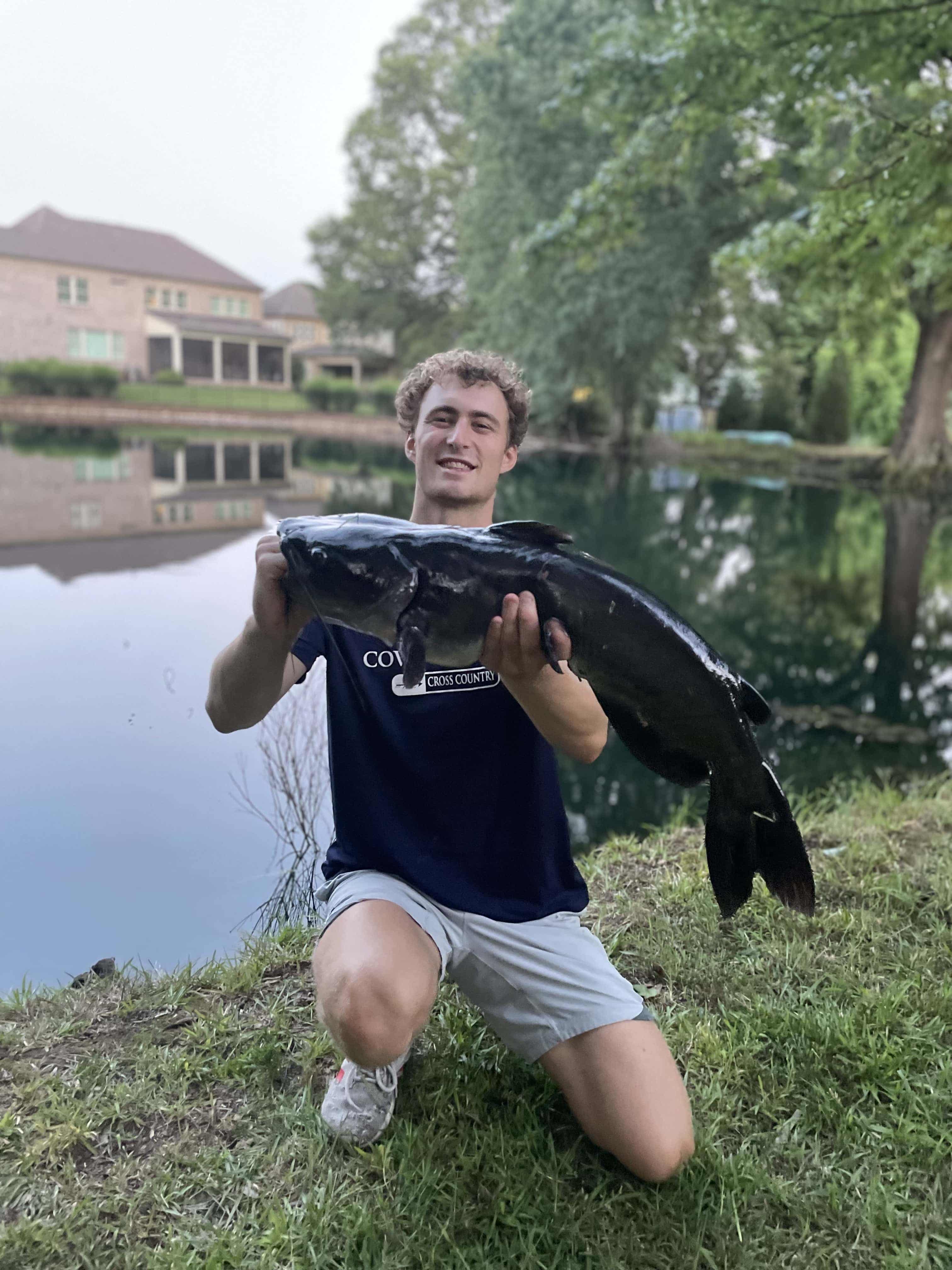
Catfish
Choosing the Best Bait for Different Fish Species (Brief)
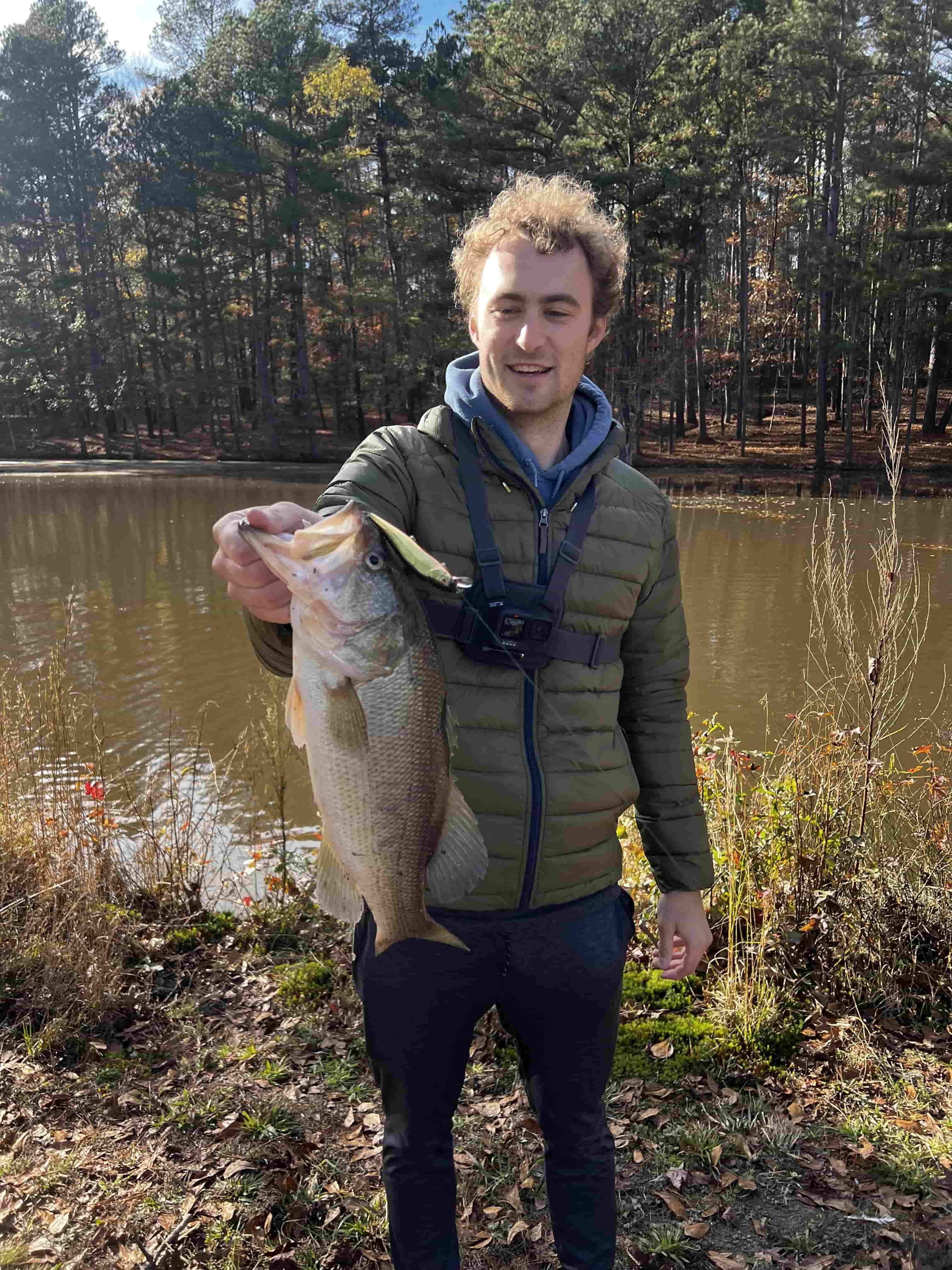
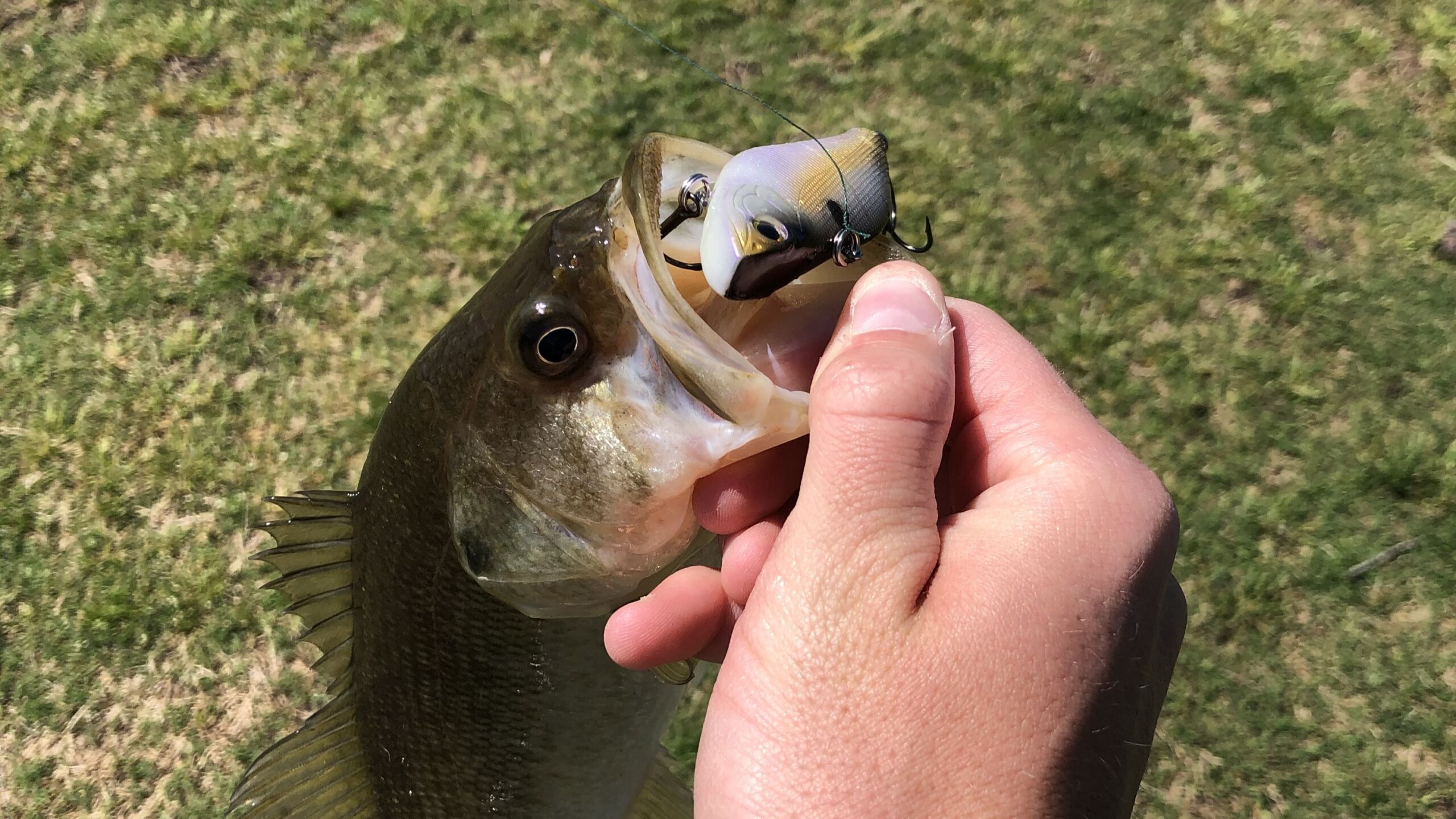
Best Bait for Bass Fishing in Lakes: I would argue that soft plastics or crankbaits are the best bait for fishing in lakes. Because both of these baits are artificial, they shouldn’t cost you too much money and should also last quite a bit. Additionally, there are so many ways to work soft plastics and crankbaits to the point where you could use them just about year-round. In addition, the combination of crankbaits and soft plastics covers almost the entire water column. If I had two baits to recommend here, I would go with a square bill crankbaits and a Zoom finesse worm. These two baits should, in theory, work wonders for your lake fishing bass game.
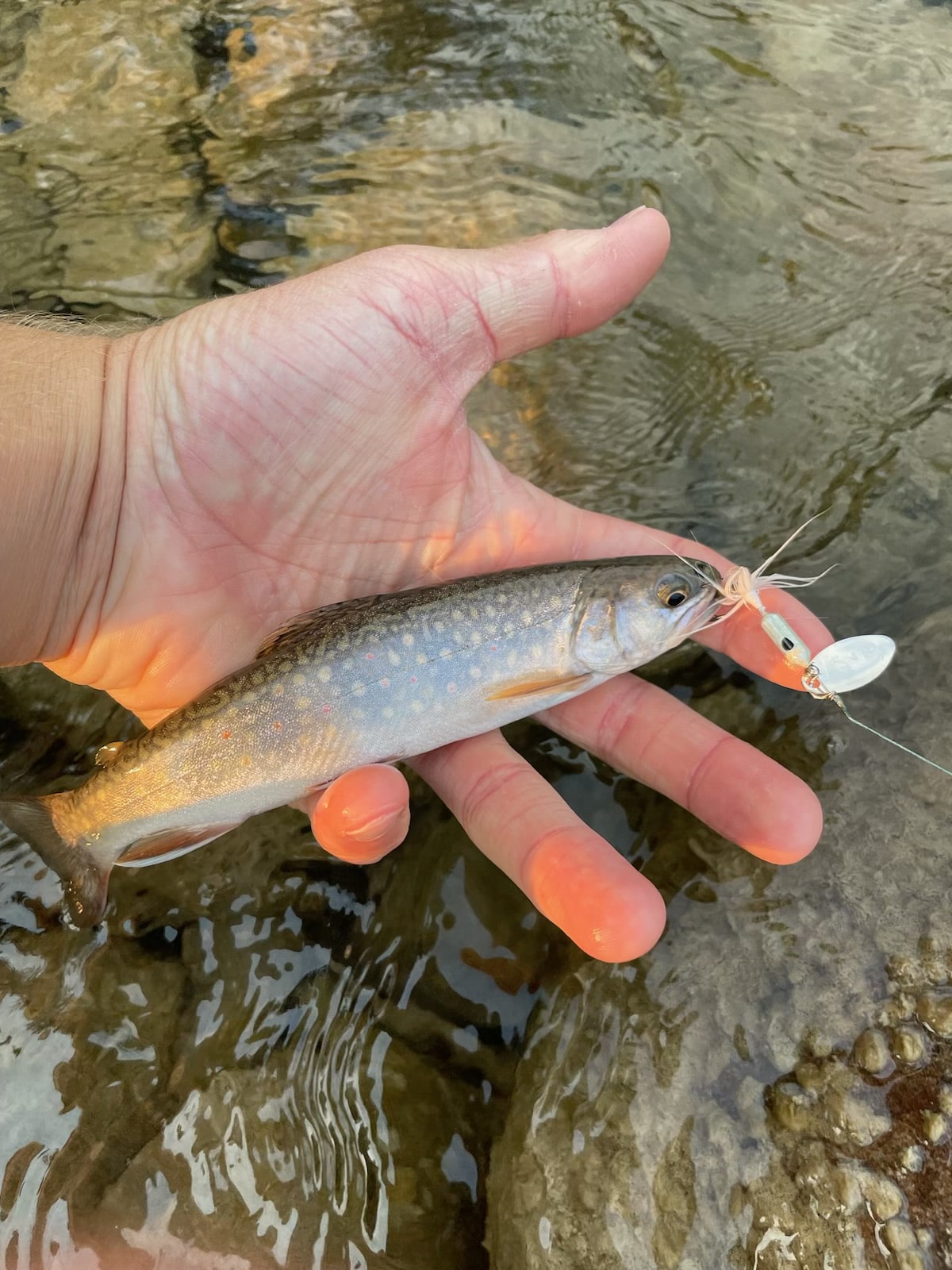
Best Bait for Trout Fishing in Lakes: The best bait I would recommend for trout fishing in lakes would be flies or little rooster tails. In my own experience, both of these baits have proven themselves. The only thing I would be careful of is regulations. Trout is well protected throughout the country, so it is extremely important to follow the regulations. In some places, you may not even be able to use hooks with barbs or treble hooks. This being said, proceed cautiously, but if you can, I would use a rooster tail or fly to catch trout in lakes. Some other anglers will say powerbait dough works well, but I have never fished with it in lakes.
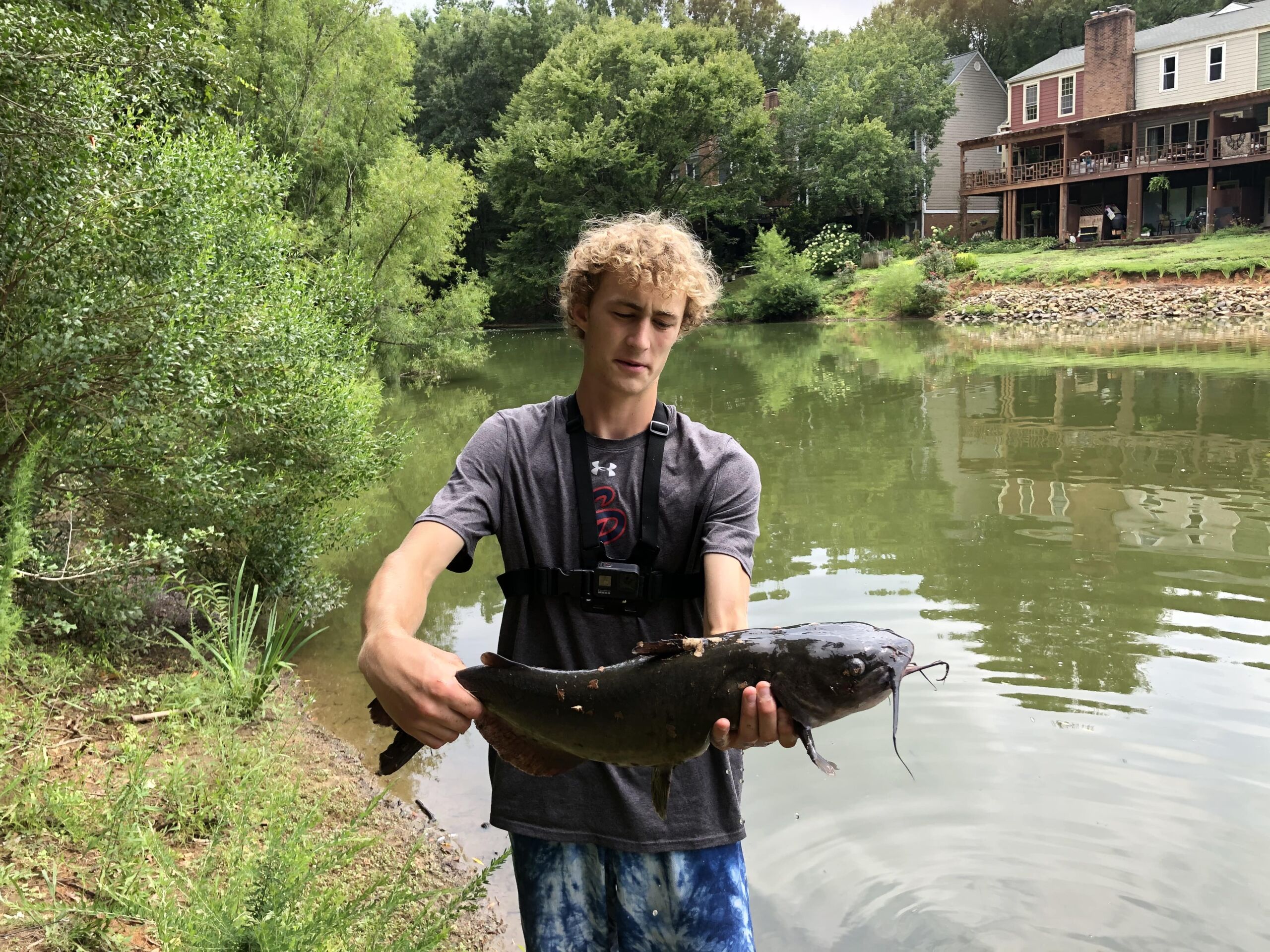
Best Bait for Catfish Fishing in Lakes: The best catfish fishing bait for lakes must be live bluegill or chicken livers. Both of these baits are extremely effective at catching catfish. I would argue that using live bluegill, particularly bigger ones, limits the pool of catfish you can catch, given that bigger cats will be more likely to eat it than the chicken liver. Chicken liver is a great bait for catfish if you don’t care as much about the size and care more about the numbers. Overall, both are great for catching catfish on lakes; it depends on your preferences.
Best Bait for Crappie and Panfish Fishing in Lakes: The best bait for crappie and panfish in lakes is probably the good, old-fashioned live worm. Worms work great for panfish and crappie; if you haven’t already done so, I highly suggest trying them. For one reason or another, panfish and crappie love these things. If I were you, I would rig these guys on a bobber rig and let the worm do the work for you. You shouldn’t have to wait too long for a bite if you know the fish are there.
Best Bait for Walleye Fishing in Lakes: From my research online, jigs and live minnows are the best bait to fish for walleye in lakes. These baits give very different presentations but seem to work very well. While I have never fished for walleye, the research unanimously points to these two baits.
BassCrankbaitTrout
Additional Tips for Successful Lake Fishing
Understanding Fish Behavior: One of the best tips I encourage other anglers to use in any type of fishing, in this case, lake fishing, is to get to know the fish you are targeting. Do research on them. Find out what fish they eat naturally and where they live. Find out the conditions in which that species is the most likely to bite. Ask locals; don’t be afraid to tell someone you don’t know. Research is one of the biggest things that has helped me over the years, whether it is articles like this or YouTube videos. To better understand fish behavior, you just need time on the water. Spend hours honing your craft so that you can be more successful.
How to Match Bait Color and Size to Conditions: Matching your bait size and color to conditions is one of the most important things you can do when lake fishing. Let’s start with size. If you know that larger catfish are in the lake and want to target them, you must size up your baits. Use bigger chunks of fish or live bluegills. You should only do this if you strictly try to catch the biggest catfish and don’t care much about the numbers. For color, you want to match lighter colors with clearer water and darker colors with murkier water. This has worked for me and continues to do so regardless of where I am—lake, pond, ocean—it doesn’t matter.
The Importance of Scent and Attractants: I don’t honestly have much to say about this section. I’ve never been a fan of using scents or attractants while fishing. Now, don’t get me wrong, tons of anglers use this stuff and will swear by it; however, I like to keep my baits as simple and natural as possible so that the fish are more comfortable eating it. I doubt it could hurt a soft plastic, but I will need to experiment more with that.
Using Fishing Techniques that Complement Bait Choice: When choosing the fish technique to go with your bait, the biggest thing I recommend is choosing a technique that brings your bait to life as much as possible. Let me explain. If you are using a live bluegill for bait, there is no need to bring your bait to life—it is alive. No need to twitch the rod or anything. Instead, just let the bait do the work. However, if you have chosen to use an artificial worm, I highly recommend twitching or erratically moving your bait to bring it to life and make it more enticing to eat.
Using the Wrong Baits for the Fish Species: This mistake is self-explanatory and can be avoided if people do research. Far too often, people just show up on the lake without knowing what they are doing, having done no research, and expecting results. This will rarely deliver; thus, it is important to research your target species to use the appropriate bait.
Overlooking Water Temperature and Clarity: This is yet another far too popular mistake of lake anglers. If you don’t consider the lake’s conditions, chances are, catching fish will be a struggle. You must tailor your approach based on your knowledge of your conditions. For example, use darker baits if it rained earlier that week and the water is murky. Don’t go straight to your “go-to” white finesse worm, as that ignores the obvious environmental changes and will likely result in decreased success. In the same way, don’t ignore a cold front and how that has affected the bite. Since it has been cold, you can expect the fish to move into deeper and warmer water. Don’t go out there with guns blazing with your topwater bait and expect to have results (this is also the same case for temperature shifts going from cold to warm, just the fish tend to be more aggressive).
Not Adjusting Baits for Different Times during the Day: Another big mistake, similar to our discussion. For example, largemouth bass in lakes feed closer to the surface and more aggressively at dusk and dawn. This being said, I wouldn’t advise throwing deep-diving baits early in the morning when you should be throwing topwater. This is just one example, but these themes hold for most species and can be found with minimal research.
Ignoring Local Fishing Regulations on Bait Usage: The rules are there for the safety of fish stocks, so be careful to abide by them, whether you agree or not. Be sure to read up on these regulations before time so that you know what to expect and how to prepare.
I hope you guys have enjoyed reading this article as much as I have written it. There is a lot more than meets the eye about lake fishing. I want to offer you a word of encouragement. This article is just the start. Go out there and discover different tricks and knowledge for yourself and grow in that. Spending time on the water is a sure way to get better at lake fishing, and I highly recommend that you do so. As always, good luck and tight lines!
About author
Photo Source: All photos in this article were provided by expert Pierce Latta.
Visit his:
Share this article
Pierce Latta
16 years fishing experience
Pierce Latta has been passionate about fishing since the age of three, growing up casting lines in both freshwater ponds around Charlotte, NC, and the saltwater of Ocean Isle Beach. With nearly 16 years of experience, he’s explored almost every style of fishing imaginable, from fly fishing and surf casting to offshore and inshore adventures. Pierce now shares his knowledge and enthusiasm with others, offering tips, techniques, and inspiration to help anglers of all levels discover the thrill of fishing.