Any question about the article?
Please use your work e-mail, so we can connect with you
If there is one thing I have learned from spending time on the water, it is that catching bass does not have to be complicated. You do not need a boat full of expensive equipment or hundreds of different lures to start catching fish. What you need is a basic understanding of where bass live, how to present a bait, and the confidence to keep doing the right things until you get a bite.
As a Central Florida bass angler, I spend a lot of my time targeting how to catch largemouth bass around structure and varying depths. Though, in other states there is a season for bass that it’s better to keep an eye on, especially if you’re figuring out how to catch a smallmouth bass in northern waters.
Two of the most important things I consider when approaching a body of water are structure and depth.
Finding the right combination can make a significant difference in how productive your day becomes. My go-to technique is simple: I use a soft plastic speed worm, cast it beyond the structure I want to fish, let the bait sink, and slowly work it back along the bottom. It is an approach I enjoy teaching because it is straightforward, effective, and something anglers of many experience levels can learn. Whether you want to know how to catch bass in a lake, how to catch bass in a pond, or how to catch bass in a river, the same fundamentals apply.
When I am looking for bass, I do not just pick a spot and start casting randomly. I want to understand what is happening beneath the surface. Structure and depth are two of the biggest factors I consider when deciding where to fish.
Structure includes things such as submerged vegetation, grass lines, fallen trees, stumps, docks, drop-offs, and changes in the bottom. These features give bass places to hide, ambush prey, and move between shallow and deeper water.
In Central Florida, vegetation can be especially important. Hydrilla and other aquatic grasses can provide excellent areas to investigate. I pay attention to edges, pockets, points, and openings in the vegetation because these features give me specific targets rather than forcing me to fish an entire area without a plan.
Depth matters just as much. Bass do not always stay shallow, even in Florida. They may move into shallow water to feed or spawn (timing varies, so see the guide to bass spawning season) and then spend other parts of the day near deeper water or along transitions between depths.
If you are fishing from a boat, use your electronics and available maps to look for changes in depth and underwater features. If you are fishing from the bank, look for visible grass lines, points, shaded areas, stumps or fallen trees and places where the shoreline changes. The goal is to narrow down your options. Instead of casting everywhere, identify a piece of structure, think about the depth, and make deliberate casts that cover the area.
One of the things I appreciate about Fishbox is its use of technology to provide information that can help anglers make better decisions on the water.
When you are trying to catch bass, knowing how to work a lure is only part of the equation. You also need to figure out where to spend your time. Having information about fishing locations, maps, and forecasts can help you approach that decision with more confidence.
I believe this is where technology can make fishing more approachable. Instead of feeling like you have to guess your way through every trip, you can use the information available to help narrow down your options and plan your approach. Having everything in one app and one location makes it easier to navigate. I can quickly look at the wind direction, the barometer readings and the weather forecast with the push of a button.
For me, the biggest priorities are structure and depth. I want to identify promising areas, understand how the water is laid out, and decide where my speed worm might be most effective. Fishing maps can help me investigate potential areas, while forecasts can provide additional information to consider when planning a trip.
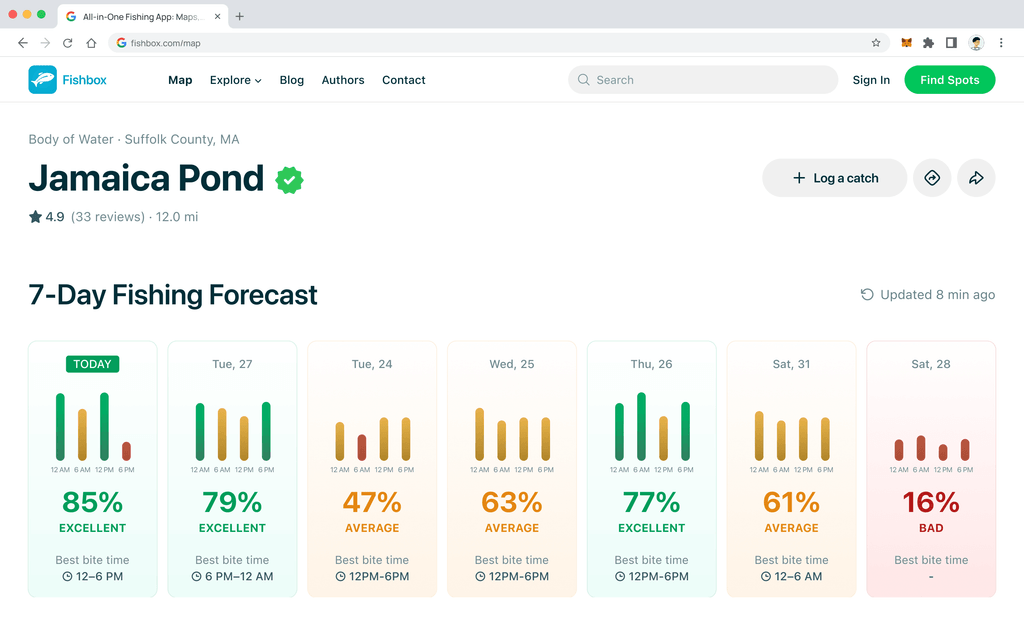
Of course, no app can guarantee that bass will bite. Fish move, conditions change, and sometimes a spot that looks perfect simply does not produce. You still need to pay attention, make adjustments, and learn from what the fish tell you.
I look at technology as a tool that can complement time on the water. Fishbox can help anglers explore fishing information and make more informed decisions, while the experience of actually fishing helps turn that information into practical knowledge.
If you asked me to choose one type of bait to build a bass-fishing approach around, I would choose a soft plastic speed worm. It’s one of the best lures for bass fishing for beginners and experienced anglers alike.
Speed worms are versatile, inexpensive, relatively simple to fish, and useful for covering structure while maintaining contact with the bottom. You can fish them slowly, make subtle movements with the rod, and work them through areas where bass may be holding.
My personal preference is the Zoom Ultra Vibe Speed Worm 6. I like the feel of the plastic and how soft it is. That softness is important to me because I want a bait that allows good hook penetration when a fish bites and I set the hook.
And don’t be fooled by the simplicity of this lure. This lure catches big fish and ranks among the best bait for largemouth bass in Florida.
I’ve landed three fish over seven lbs this year alone on this exact setup.
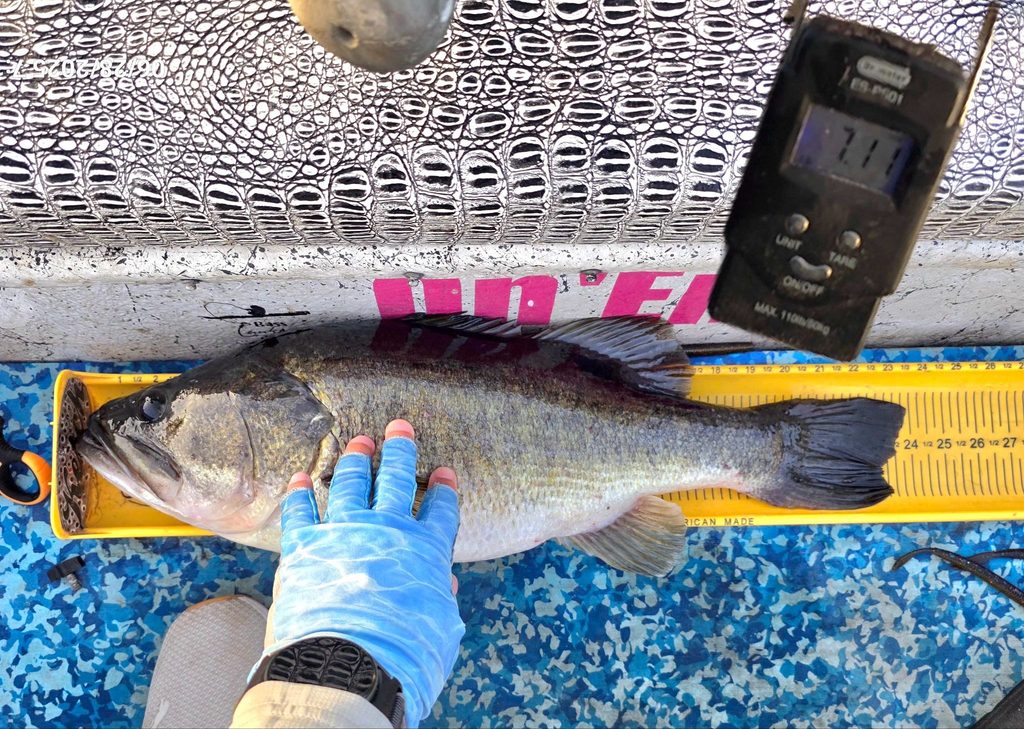
For anglers wondering how to catch a 10 pound bass, that is the kind of rig and patience I would start with, though a double-digit fish is never guaranteed.
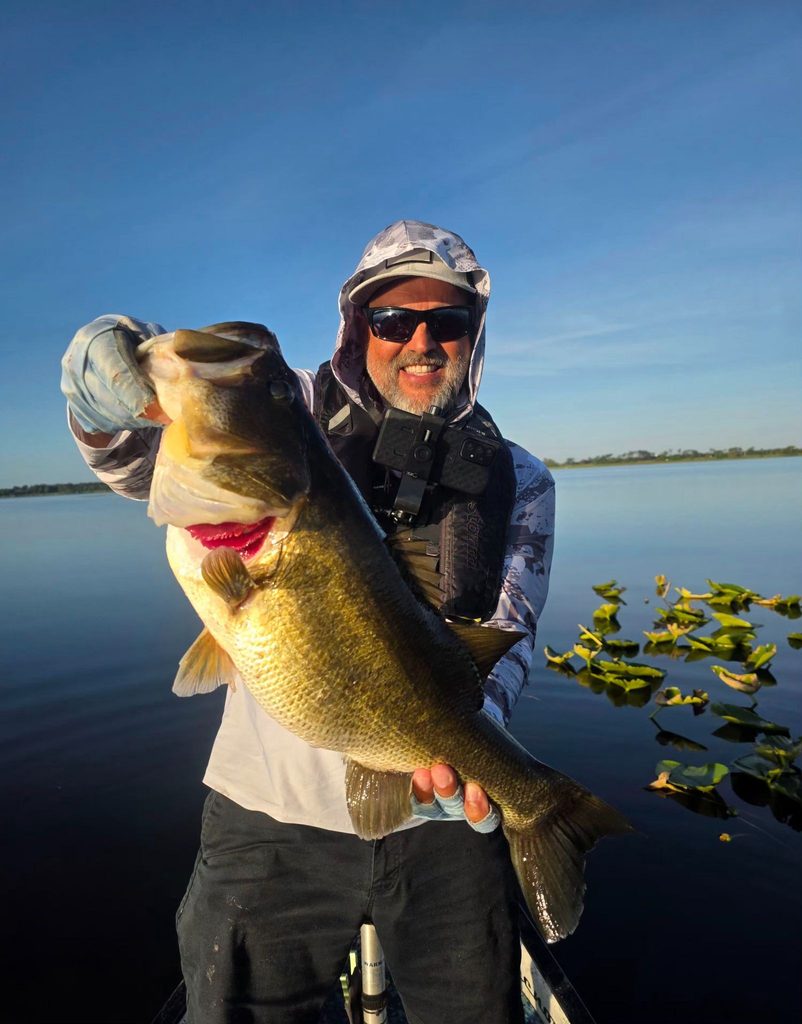
My favorite color in Central Florida is Junebug Red. It is a color I have a lot of confidence in, and it is my go-to choice when I am rigging up for a day on the water. Having a dependable color that you trust can help simplify your decisions, especially when you are learning a technique. There are plenty of other colors worth experimenting with as water clarity and conditions change.
However, I encourage beginners not to get caught up in buying every color available. Start with a bait you like, learn how to fish it properly, and build confidence before worrying about filling a tackle box with alternatives. A good presentation will always be an important part of the equation.
I prefer baitcasting equipment for this style of fishing. My usual choice is a medium-heavy rod between seven feet and seven feet three inches long, with a stiffer feel.
I like having that length and backbone because I want to feel what the bait is doing, move it deliberately, and deliver a firm hook set when a bass picks it up. The exact rod you choose will depend on you comfort level, but I recommend selecting equipment that gives you confidence rather than automatically buying the most expensive option.
Here is my typical setup:
Rod: A seven-foot to seven-foot-three-inch medium-heavy rod with a stiffer feel.
Reel: A baitcasting reel.
Main line: 30-pound braided line.
Leader: 17-pound fluorocarbon.
Leader knot: An Alberto knot to connect the braid to the fluorocarbon.
Hook: A 5/0 offset round-bend hook.
Weight: A quarter-ounce bullet sinker.
Bait: Zoom speed worm, preferably in Junebug Red.
I like braid because it helps me feel what is happening at the other end of the line. Pairing it with a fluorocarbon leader gives me a setup that works well for the way I fish.
I believe the fluorocarbon leader allows that bait to look more natural. The fish will not see a line attached to the lure as if you were using straight braid. Put me in a boat with another angler who is using straight braid and I typically outfish them five to one with my setup.
I use an Alberto knot to connect the braid and leader. Take the time to tie it carefully and test the connection before fishing. A poorly tied knot can cost you a fish, regardless of how good the rest of your setup is. Unlike to hitch knots at the braided end after it’s tied. For tying my hook, I use a simple clinch knot.
I want a dependable connection between my line and hook, and I make a point of checking my knots and line periodically throughout the day. Something I can tie quickly.
When rigging the speed worm, I pair the offset round-bend hook with the quarter-ounce bullet weight. The weight helps the bait sink and allows me to work it along the bottom where I want it, feeling the structure along the bottom.
Also, don’t key in on making sure the worm is perfectly straight. A crooked worm can affect how the bait moves through the water and can make the presentation more erratic, making the fish curious and giving you more potential for a strike.
This is the part I enjoy sharing with other anglers because it does not require a complicated series of movements or an expensive collection of lures. My basic speed worm technique starts with choosing a piece of structure I want to fish.
Look for a grass edge, submerged vegetation a point, a drop-off, or another feature that gives you a specific place to concentrate. Think about the depth and where a bass might be positioned in relation to that structure.
(Target caught)
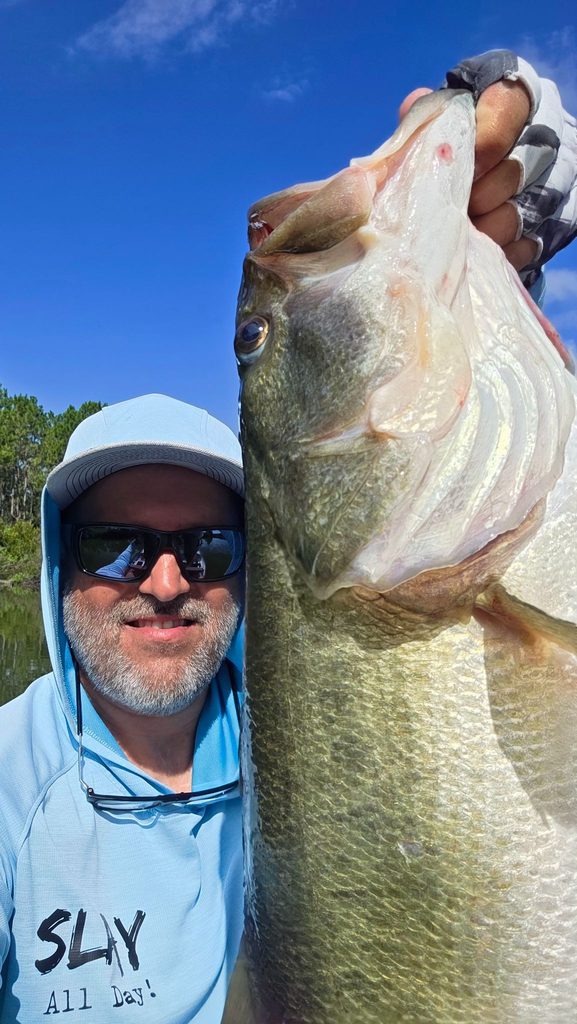
Rather than landing the bait directly on top of the spot you want to fish, I like to cast beyond it. This lets the worm enter the area naturally as I retrieve it.
After the cast, I count to ten before beginning my retrieve. This pause gives the bait time to fall and allows me to fish below the surface instead of immediately pulling it back toward the boat.
The ten-count is a starting point, not a rule that works perfectly in every situation. Water depth, vegetation, and the weight of your rig all affect how quickly the worm sinks. As you gain experience, you will learn to adjust your pause to the conditions.
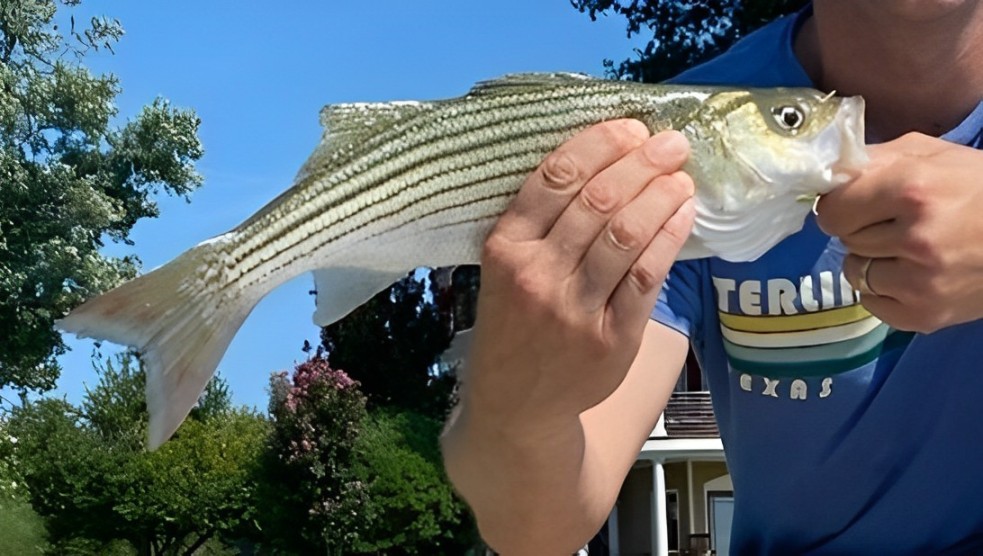
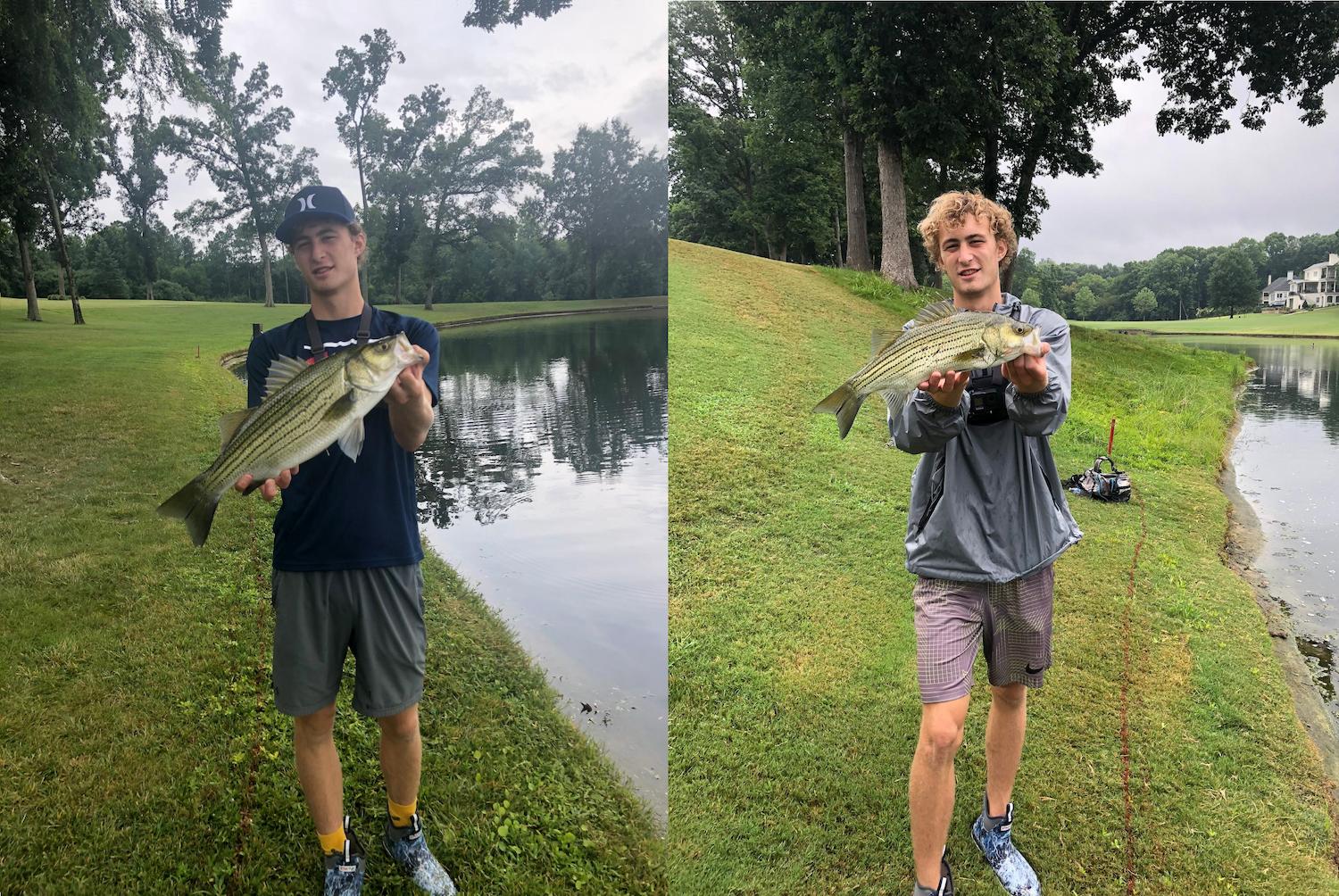
Once the bait has had time to sink, I use a sweeping motion with the rod to move it along the bottom (quick note: if you’re searching for how to catch a striped bass or how to catch a peacock bass, those species usually call for different baits than largemouth. See the best bait for striped bass and our guide to Saltwater Bass Fishing). I want to work the lure back toward me in a controlled way rather than constantly jerking it around. Make a sweep, allow the bait to settle when appropriate, and continue working it back.
Pay attention to how the rod feels and how the line moves. You want to develop a sense of what the worm is doing, whether it is moving over vegetation, dragging across the bottom, or falling into a small opening.
A bass will not always strike with a dramatic hit. Sometimes you will feel a distinct tap, but other times the line may simply feel different or begin moving in an unexpected direction. When something feels unusual, pay attention. Reel up any slack you need to manage and set the hook with a firm, controlled sweep appropriate for your equipment and rig.
Do not rush through a promising piece of structure. Make additional casts that cover different angles, openings, and edges. Small changes in the angle of your cast can put the worm in front of a fish that you missed on your first attempt.
Once you develop a rhythm, this approach becomes second nature. Cast, let it sink, work the bait along the bottom, and stay connected to what is happening at the other end of the line.
The basic technique gives you a starting point, but learning to adapt is what helps you grow as an angler. On a lake, you may have extensive grass lines, deeper channels, points, and underwater transitions to investigate. A fishing map can help you identify areas worth exploring before you start making casts.
On a smaller pond, you may have fewer obvious features. Look for shaded banks, vegetation, changes in depth, and any visible cover that gives you a target. That same approach is for catching bass in a pond of almost any size.
Water clarity can influence how you choose your lure color. My Junebug Red speed worm is my personal favorite in Central Florida for darker water conditions, for clearer water I would choose a watermelon red, but I encourage anglers to observe the water and experiment rather than assume one color will always outperform every other option.
Weather is another consideration. Changes in conditions can affect where bass position themselves and how actively they feed. After a cold front, for example, you may need to slow down, spend more time working on a promising area, and experiment with your presentation.
The same principle applies when the weather is hot. Do not assume that every bass will be sitting in the shallowest water simply because the air temperature is high. Consider available cover, water depth, and the features that might give fish a reason to hold in a particular location.
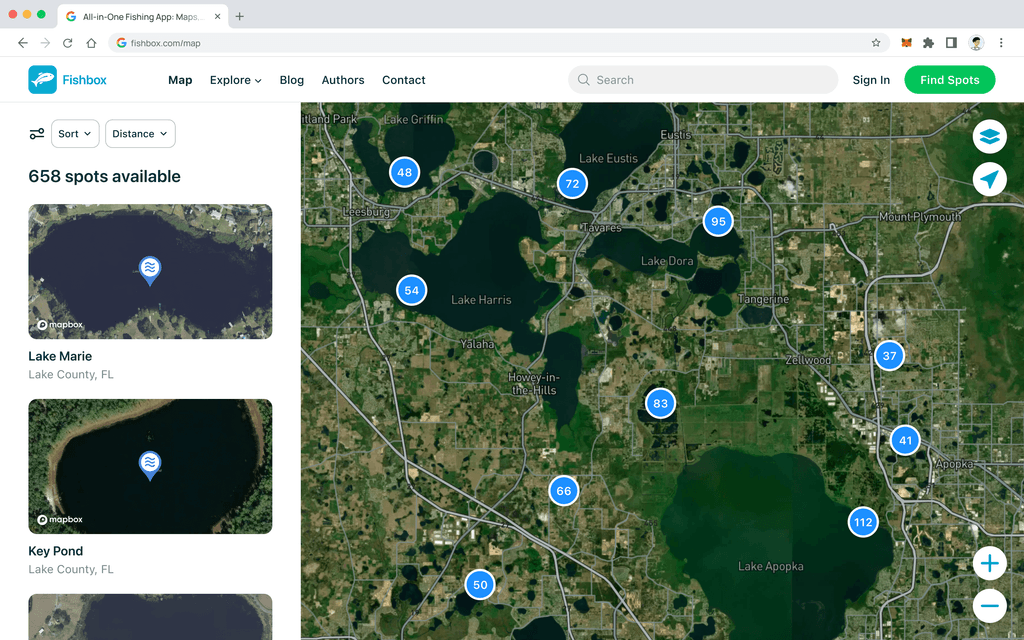
This is another situation where the Fishbox forecasts can be useful to plan a trip. With Fishbox I can actually see the structure on the shorelines. I can see the docks I want to target using the satellite images provided in the app.
One of the biggest mistakes a new angler can make is changing lures constantly without learning how to fish any of them well. It is easy to believe the next color, new bait, or expensive rod will solve the problem. Sometimes a different presentation is appropriate, but I would first make sure you are fishing the water effectively.
Another mistake is retrieving too quickly. If your goal is to fish a soft plastic along the bottom, you need to give it time to sink and work through the area you selected. Slow down and learn to recognize what the bait is doing.
I also encourage anglers to pay more attention to structure and depth. Casting repeatedly into open water without a target can make it difficult to develop a consistent approach. Identify a promising feature and concentrate on fishing it properly.
Finally, do not overlook the fundamentals of your equipment. Check your knots, inspect your line for damage, make sure your worm is rigged properly, the hook is seated into the worm and choose a hook and weight that work together.
Most importantly, be patient. A slow period does not automatically mean your technique is wrong. Fishing involves variables you cannot control, and every trip provides an opportunity to learn something.
My biggest piece of advice for someone who wants to catch more bass is to keep the process simple.
Start by learning to identify structure and think about depth. Choose a soft plastic you have confidence in, get comfortable with your equipment, and practice making accurate casts.
Let your bait sink, work it along the bottom, and learn to recognize the subtle signs that a fish may have picked it up. You do not need to master every technique at once. A dependable speed worm setup can teach you a lot about presenting a lure, maintaining contact with the bottom, and fishing a piece of structure thoroughly. I also believe there is real value in helping other anglers learn.
One of the things I enjoy most is showing people that catching bass does not have to be intimidating. Once you understand the basic approach, you can begin applying it to different lakes, ponds, and fishing conditions.
Tools such as Fishbox can complement that learning process by helping you explore fishing locations, maps, and forecasts. Combine that information with time on the water, careful observation, and a willingness to learn from each trip.
Every outing will not produce a trophy bass, and no technique guarantees a catch. But the more you understand the water and the more consistently you apply the fundamentals, the better prepared you will be to find fish.
For me, it comes back to two things: structure and depth. Find an area worth fishing, tie on a
Junebug Red speed worm, cast beyond your target, count to ten, and start working that bait along the bottom.
Sometimes the simplest approach is the one that gives you the confidence to keep fishing, keep learning, and enjoy every minute on the water.
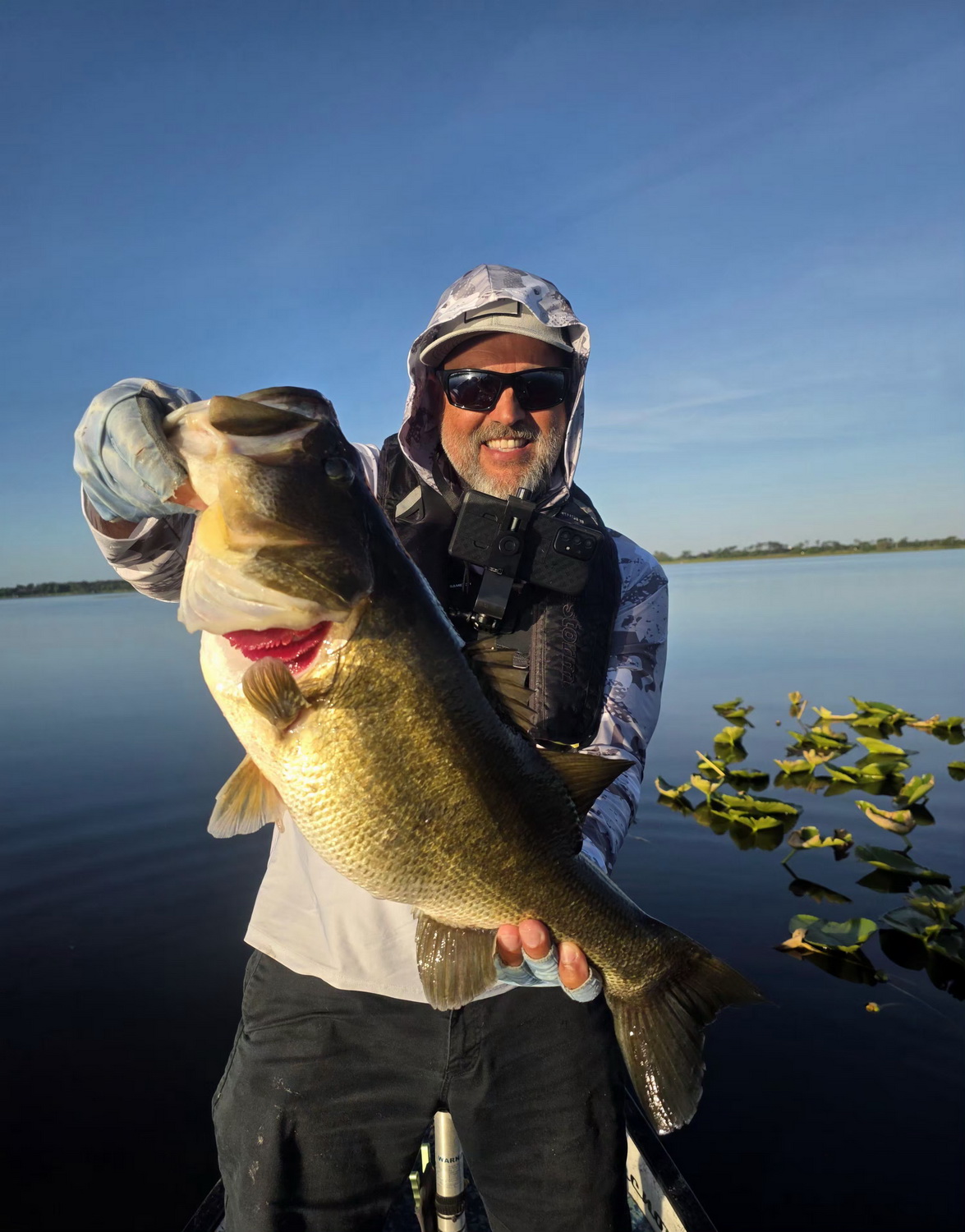
Dale Templeton is a Central Florida bass angler and local tournament competitor who specializes in largemouth bass. He shares simple, proven techniques that help anglers of every level catch more fish.