
Any question about the article?
Please use your work e-mail, so we can connect with you
Every skilled fisherman understands that success on the water depends on more than just their skills or equipment. Being able to read the weather and conditions can play a major role in the quest to catch that next big fish. To keep these general conditions into account when you plan to fish, our fishing forecast app can help.
From the rain to barometric pressure, our app can help predict the optimal times to fish to find the best success. No matter the conditions, you will have as much data as possible to make your decisions. For example, do fish bite better when it’s raining? How will they react?
Let’s dive into the importance of fishing in the right conditions and the old narrative that fishing is always better in the rain. Is it true, or is this simply an old myth handed down through the years? Let’s take a look at the science and insights from professionals so you can be better prepared no matter what the weather does on your next fishing trip!


It’s no secret that rain affects fish, but why does rain play such a big part in what fish do? When the rain hits the water’s surface, a few different things come into play.
First, rainfall increases the oxygen levels of water which leads to greater fish activity. The more oxygen in the water, the more likely the fish are to bite. The rain can also cool down the temperature of the water, further encouraging fish to break their sluggish behavior. Add in the fact that the water clarity might change, and this means fish are out on the hunt and looking for food when rainy weather rolls in.
Rain also has an impact on atmospheric pressure. This is why so many anglers keep an eye on barometric trends to help them figure out when the fish might be more active. Being able to understand these things, as well as your target fish species will help adapt your tactics when some wet weather rolls in and bring much more success.
So what does all this mean for a fisherman? It means that there are plenty of great reasons to get outside when it’s raining. With so many advantages, it’s hard to pick just one but here are a few of our favorites:
And these are just a few of them! Although fishing in the rain might not be everyone’s first choice, it carries with it plenty of advantages that make it well worth the effort.
Like everything, there are two sides to every story. Fishing in the rain can be a challenging ordeal for anglers, so here are a few of the disadvantages of fishing in the rain:
Although fishing in the rain brings about a lot of benefits, there are some potential downsides to consider. Above all else, remember to stay safe while fishing in the rain as the added moisture can drastically change the environment!
So now that we’ve covered the ins and outs of fishing in the rain (and why you should give it a try), what’s the best way to catch something during a drizzle? Here are a few simple tips and tricks that will take your success to the next level!
Fishing in the rain comes with additional challenges, so make sure your gear is up for it. It is essential to bring along the necessary equipment and gear to ensure a safe and enjoyable experience. Here are a few items you should consider taking with you:
Waterproof Items:
Other Items:
Having these items with you can help you stay warm, dry, and comfortable while out fishing in the rain. It’s also vital to check the weather forecast and pack extra clothing layers and supplies to be prepared for any unexpected changes in conditions.
It’s also important to note that specific gear and equipment that is needed for fishing in the rain can vary depending on the type of fishing you intend to do, the location, and the incoming weather conditions. It’s always a good idea to check the forecast and pack accordingly, as well as bring along safety gear like life jackets and emergency whistles.
Read also: Unlocking the Secrets of Perfect Fishing Weather: Best Conditions for a Great Catch
It’s not uncommon for fish to seek shelter during a drizzle, so finding the right areas to cast a line is crucial to success. Some of the best places to find them in the rain include:
By understanding and searching for these sheltering spots, anglers can better locate and target specific areas where fish are most likely to gather during rainy weather. This will significantly improve their chances of a successful fishing day.
Here are a couple of specific fishing locations that fit the criteria:
It is important to remember that the best places to fish in the rain will depend on the type of fish you are after, the area you are fishing, and the weather conditions. It’s always a good idea to do some homework and talk to locals if possible to find where the fish are biting in the rain.
To find these types of areas, you can also find ideas in our Fishbox app. With over 10,000 bodies of water represented in the fishing app, you are sure to find one that fits your criteria and is near you! Not only will you find areas to fish, but you will have weather predictions for these areas to narrow down the best times to fish.
Examples of some excellent fishing areas in the United States include:
Lake Fork is one of the best bass fishing destinations in the world. Here are a few of the highlights of this body of water:
All of these things combined place Lake Fork Reservoir as one of the most prominent fishing destinations in the country. From the amazing fishing to the scenic beauty and accommodations, it is a must-visit location for any serious angler.
Fishing in the Great Smoky Mountains National Park, spanning across North Carolina and Tennessee, provides a unique fishing experience no matter your skill level. Here’s some more information about fishing in this area:

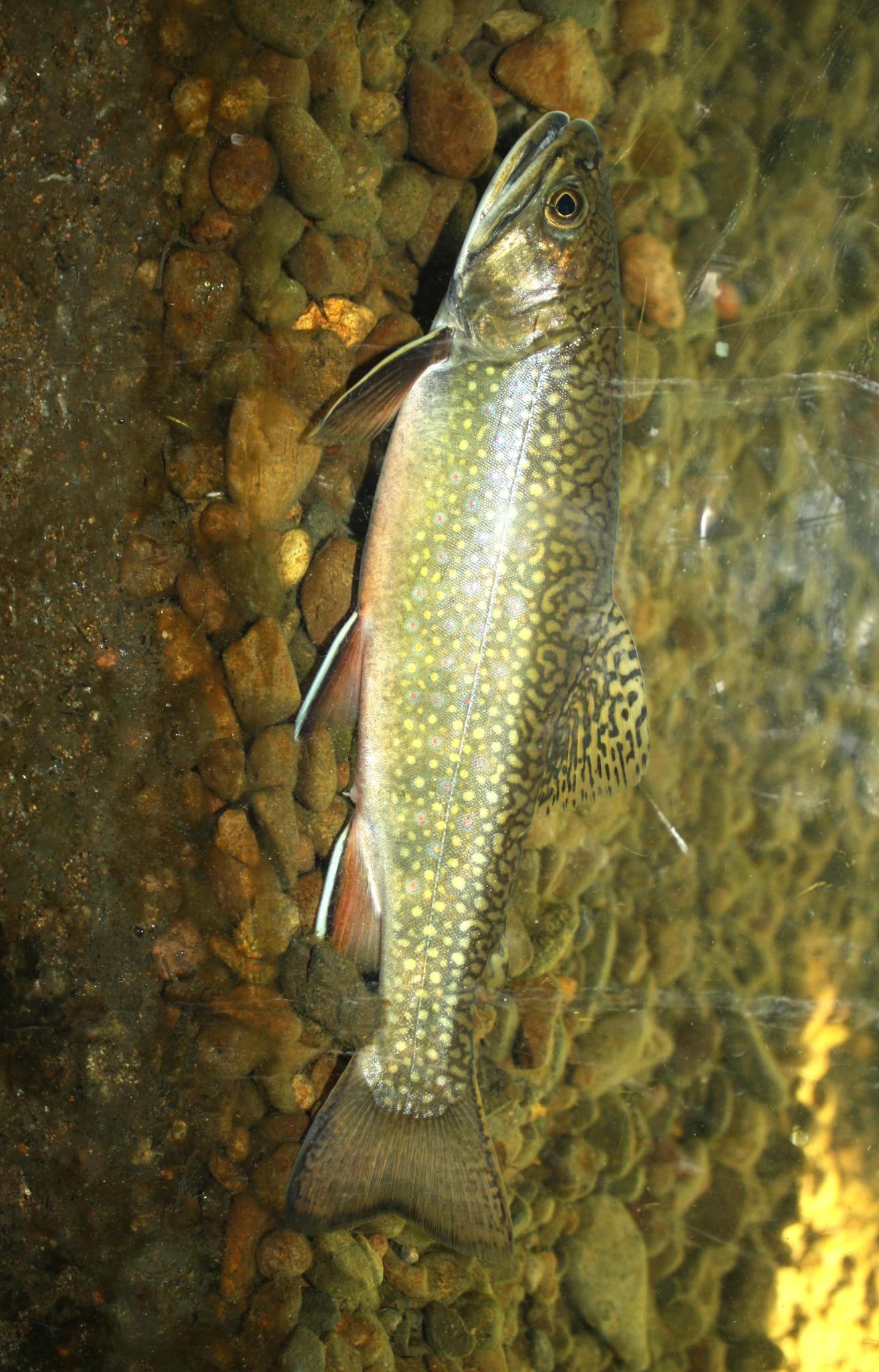
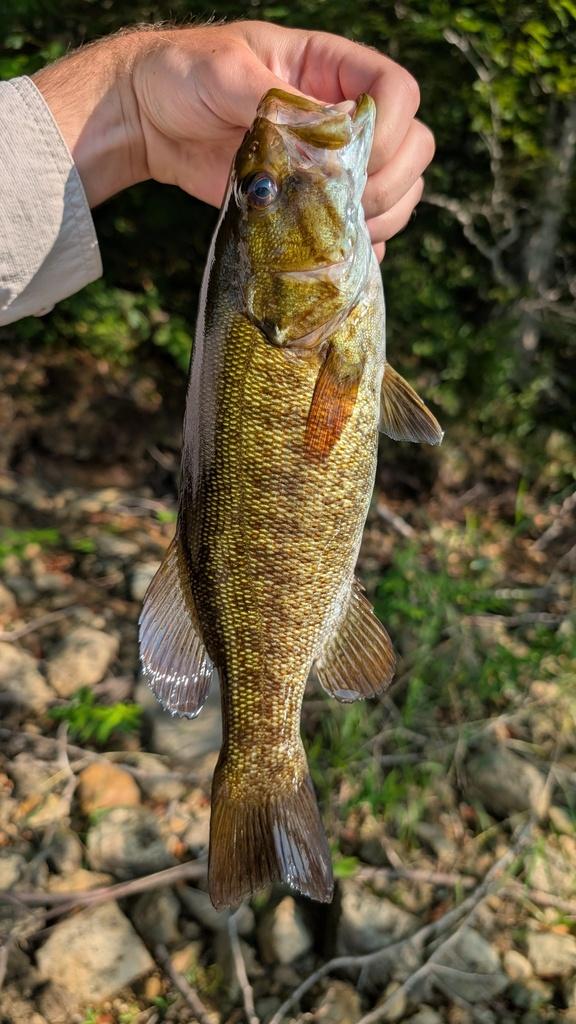
Remember that these are just a couple of examples, and many other fantastic fishing locations in the United States offer similar features for successful fishing during rainy conditions. Always check local regulations and conditions before planning your fishing trip.
When it rains, bring a medium to medium-heavy rod that gives you fast or even extra-fast action. The increased sensitivity will help you to better set the hook and give you the edge with more active fish. Pair the rod with a reel with a good drag system to muscle in any strong or aggressive fish.
It’s no surprise that there are many different legends and myths when it comes to fishing in the rain. While some may hold some weight, it’s important to separate fact from fiction. For example, it’s a common misconception that fish ALWAYS bite better in the rain. While it’s true it can increase fishing activity, it is not always a guarantee.
Another popular myth is that fish stop biting when the rain stops. The reality is that fish will usually continue to feed long after a rain shower, especially if there is plenty of food around. The trick is to keep changing and adapting your tactics to capitalize on any type of activity that the fish are maintaining.
One of the best ways to find the best times to fish is to utilize the Fishbox app. This powerful tool will help you optimize your next outing by combining every important aspect of weather data to help predict and plan a fishing trip. From real-time weather updates to barometric pressure monitoring, you can figure out when the ideal time to hit the water is and find the most activity to ensure success.
So at the end of the day, is fishing in the rain worth it? It’s no secret that rain affects fish behavior by increasing oxygen levels, changing temperatures, and encouraging feeding. Consider the pros and cons of fishing in the rain to determine if it’s worth the effort.
If you do decide to head out during the next rain storm, take some time to prepare the right gear and arm yourself with our important tips to better find some success out on the water. Above all else, stay safe and happy fishing!
Fish tend to bite best when the weather is stable with moderate temperatures. Overcast days improve activity since fish feel safer feeding without direct sunlight, and light rain or slight wind can stir up food and reduce visibility, making fish less cautious.
Fish often bite more actively just before and during light rain due to slight drops in barometric pressure, which can trigger feeding. After heavy rain, water may become muddy and slow fish activity until conditions clear.
Rain can increase oxygen levels, wash insects and food into water, and create surface ripples that reduce fish wariness. These factors stimulate feeding, and fish may sense vibrations from raindrops similar to prey movements.
Natural and live baits such as worms, minnows, and shrimp work well in rain. Bright-colored or scented lures can attract attention in murkier water. Adjusting bait size and movement can help match fish feeding behavior.
Fish generally bite best in mild, overcast conditions with stable barometric pressure. Light wind and occasional rain can stimulate feeding, while extreme temperature changes and storms often reduce activity.
Light rain can improve saltwater fishing by increasing baitfish activity and oxygen levels, driving fish closer to the surface. Coastal runoff can also bring nutrients attracting predatory fish. Heavy storms, however, reduce visibility and can be dangerous.
Fish feed more actively when barometric pressure is steady or slightly falling. Rapidly rising or extremely low pressure can reduce feeding. Monitoring pressure trends can help predict more productive fishing periods.
In rainy conditions, slower and more natural presentations often work better. Casting near structures or shallow areas where rain washes food in can improve success. Subtle movements and scented baits are also effective.
Yes. In rivers, rain increases current and pushes insects into the water. In lakes, it stirs up the surface and brings fish closer to the top. In saltwater, effects depend on tide and runoff. Heavy runoff creating murky water can reduce success.
Yes, heavy rain can create strong currents and reduce visibility. Thunderstorms pose lightning hazards, especially on open water. Always monitor weather forecasts and prioritize safety when fishing in rainy conditions.
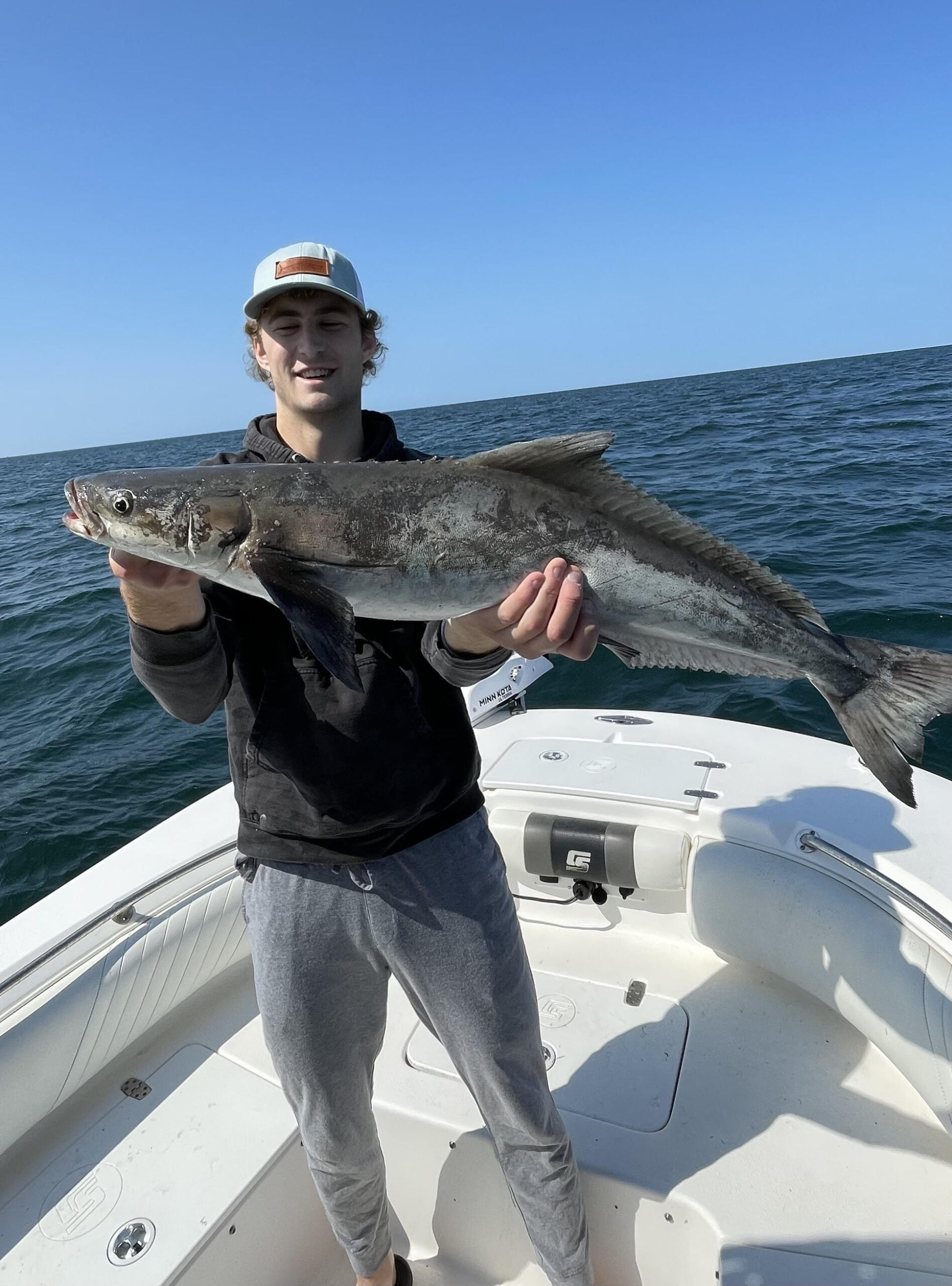
As uncomfortable as fishing in the rain might be, the potential reward might just make it worth sticking out in the inclement weather. I’ve fished for a lot of years and, like it or not, rain is going to affect your fishing at some point in time—it’s inevitable. It’s how you respond to and adapt to changes while you’re fishing (like rain) that can distinguish a good angler from a great angler.
For the sake of this article, I want to give my personal experience with fishing in the rain—but more specifically—bass fishing in the rain as freshwater is accessible to most anglers. Let me run back to a situation I’ve been through countless times while bass fishing.
I’m fishing a soft plastic, working the banks and then all of a sudden some rain clouds roll in, and before you know it, it’s pouring. Now, if it’s not too cold and uncomfortable, stick it out and you will more often than not be rewarded.
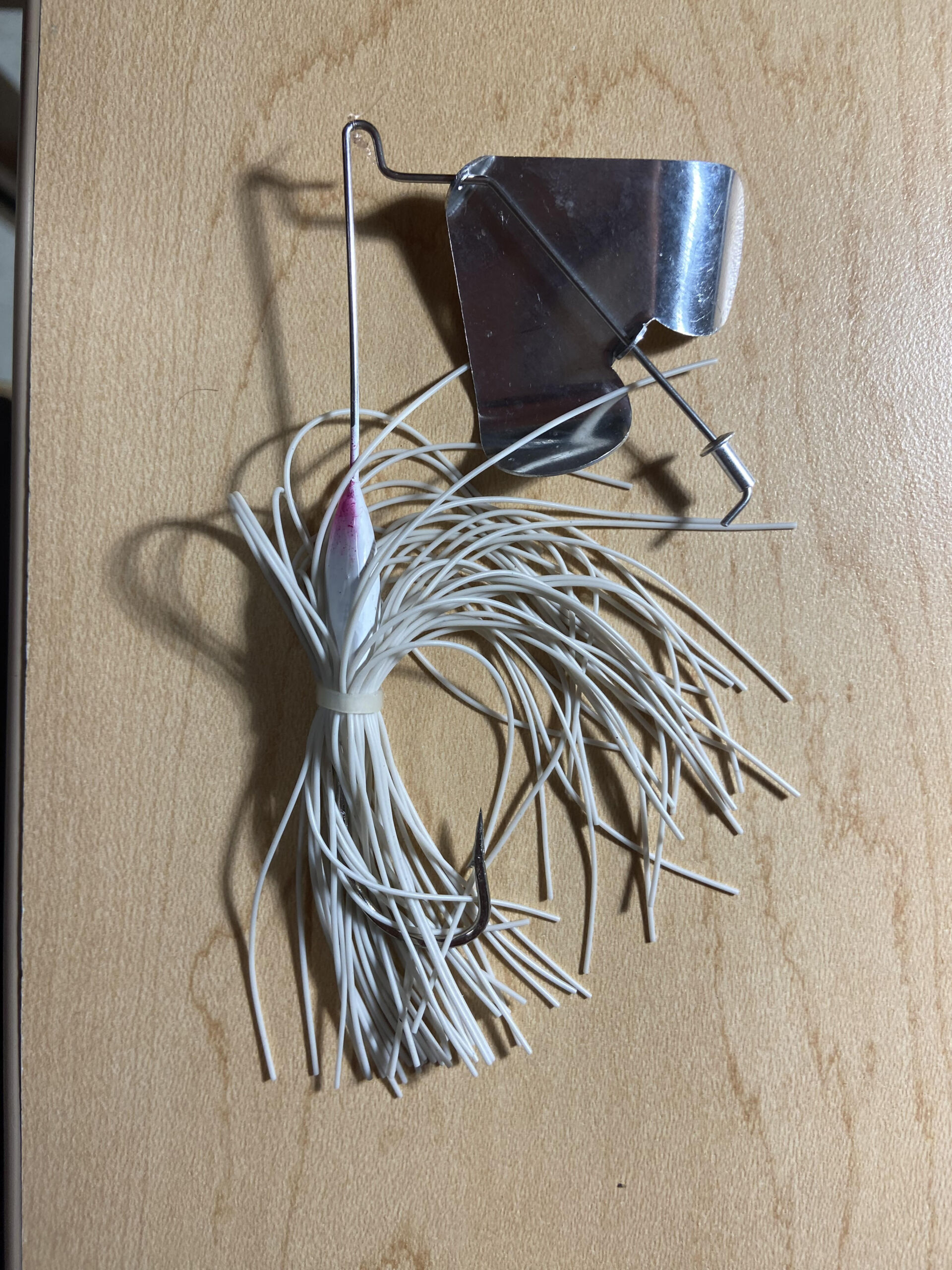
So as soon as it starts raining, I’m switching baits and tactics immediately. I don’t want something that’s going to coast through the middle or bottom of the water column where the water is now becoming murky—that is the last thing you want to do. Instead, I will always and have always switched to a “loud” bait—something that’s going to get the fish’s attention. Think of baits like buzz baits, jitterbugs, poppers…you get the idea.
This “loud” class of bait has produced lots and lots of quality bass over the years during or immediately following rain. Once you’ve got one of these baits tied on, don’t be afraid to be aggressive with the action. The rain and surface commotion have already drawn the fish into a more alert state, so the more you can make that bait stand out on the top of the water, the better. I always try to cover as much distance as possible if I can. Try throwing long casts across the pond or on large stretches of bank to yield maximal results.
I have used these strategies for years now and they always seem to produce results. I genuinely don’t know the science behind the rain, but I have enough experience in the field of fishing to know that it turns something on in the fish. When those fish see, feel, and hear that rain pelting the surface of the water, they get hyperactive in a feeding frenzy-like state at times. This is why I believe my strategy of “loud” baits has worked. Those fish are confused, they don’t know what they’re swinging at. They’re just seeing large splashes and going headfirst towards your juicy popper on the top of the water.
So maybe next time, when you’re sitting on the couch playing video games and it starts to rain outside, it might actually be time to put the controller down and take advantage of the better bass bite that happens during a rainstorm. It might be uncomfortable, but it can be worth the wait. Good luck and tight lines!