
Any question about the article?
Please use your work e-mail, so we can connect with you
Curious about the best time to reel in a big catch of fish? You might be surprised to learn that rain can significantly affect your fishing experience. Many anglers often wonder whether it’s better to fish before or after a rainfall.
Fishing after rain is a great idea because it’s generally a time of changing pressure systems and higher fish activity. So, after a good rain, there is a good chance you’ll have better success when trying to score a good catch.
Today, we are going to explore further what makes the fish easy to catch in the rain. And why a quick weather spike can increase your catch success rate.
Before delving into the world of post-rain fishing, it’s beneficial to explore the perspectives of experts in the field. These experienced individuals provide unique insights into the impact of rain on fishing outcomes, shedding light on why fishing after a rainfall can be a rewarding choice. Their viewpoints encompass a wide range of factors, from the behavior of fish species to the influence of weather conditions, helping anglers better understand the science behind successful post-rain fishing.
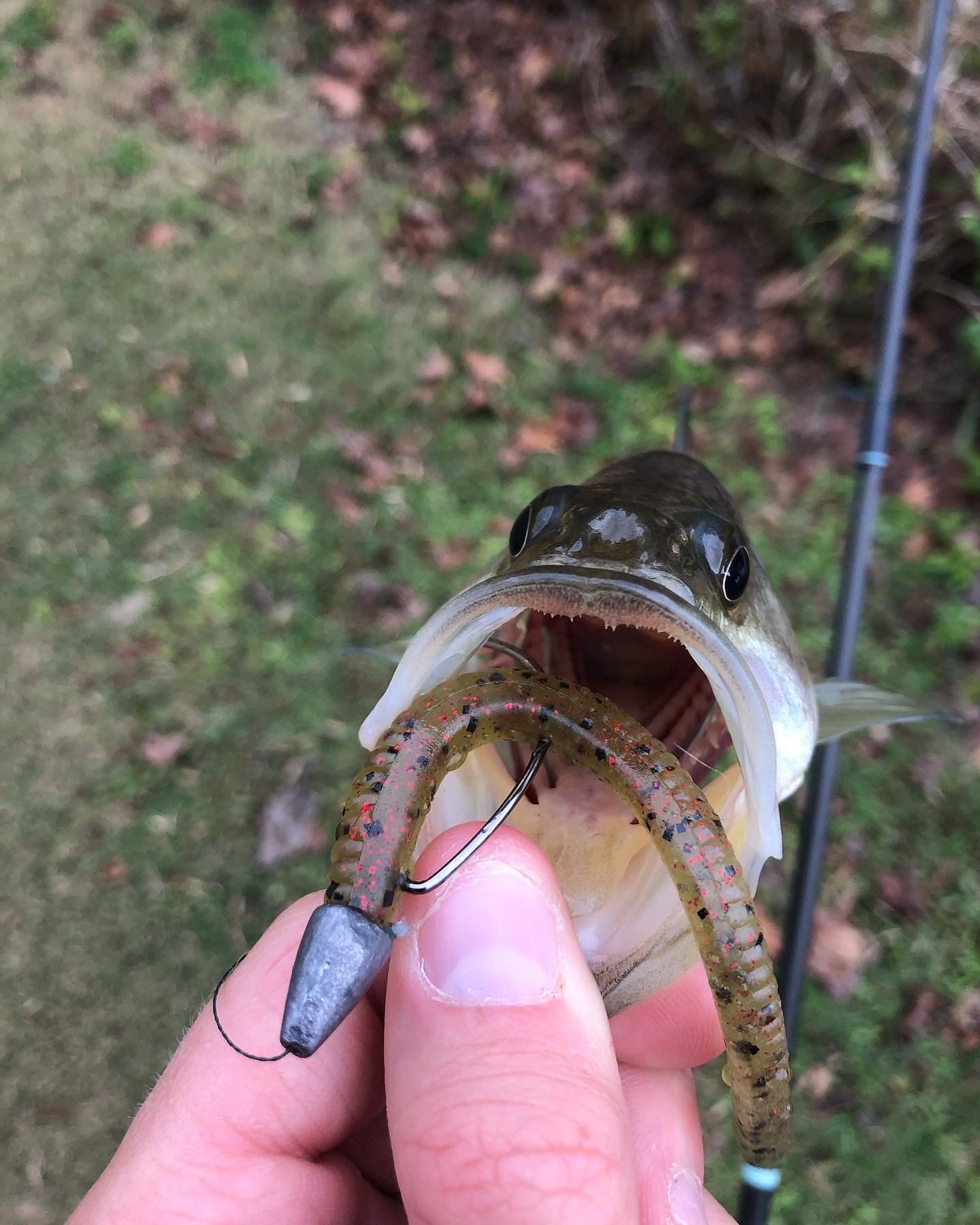
Fish being more active and biting after some rain is a common occurrence that many fishermen have experienced at some point. There are a few reasons why fish seem to bite better after rain:
It’s important to remember that your success rates can vary while fishing after rain depending on things like the strength and duration of the rain, the type of fish you are targeting, and other factors such as water clarity, barometric pressure, lure choice, etc. Experienced fishermen will often take notes in a logbook in order to track what works and what doesn’t when fishing after rain and in other weather conditions.
At the end of the day, there are many factors at play when a rain storm has rolled through. While it can bring a lot of benefits, it’s important to properly analyze every factor and think about why fish tend to bite after a rain. This can help you plan your approach for better success.
Here are some useful tips that can surely help you score a good fish catch.
Let’s touch on some of the prime areas you can search for the best fishing, from freshwater reservoirs to pristine mountain lakes:
Fish need stable water when it comes to hunkering down and finding shelter, so it is not uncommon to find them in deep, muddy areas where they can avoid disturbances and find more food. To catch fish after the rain, it’s vital to find the right spots to fish. Look for areas where there is runoff water and deep water, as these areas can typically produce a lot of fish. Another great area to check is further upstream or tributaries that are feeding a main body of water.
There are many great areas to fish that meet this criteria. To help you locate a few near your location, our Fishbox app has over 10,000 bodies of water represented in order to find the ideal spot to start fishing. Here are a few great examples of such fishing spots in the United States:
Lake Tahoe is a freshwater lake located in the Sierra Nevada mountains, and it offers excellent fishing opportunities. The lake’s stable waters and relatively low turbulence make it a suitable habitat for a variety of fish species, including bass and trout. Anglers can enjoy recreational fishing in Lake Tahoe, and it’s a popular destination for those looking to catch bass and trout.
The Yellowstone River is a prime example of a river that provides great fishing opportunities, especially for freshwater and fly fishing. This river flows through the Yellowstone National Park and offers a serene and less disturbed environment for fish. Anglers can find a variety of fish species, including trout, making it an ideal location for those interested in freshwater and fly fishing.
Remember that these are just a couple of examples, and many other fantastic fishing locations in the United States offer similar features for successful fishing post-rain fishing. Always check local regulations and conditions before planning your fishing trip.
Fishing after rain can bring good success, but it’s important to take note of the barometric pressure. This can make or break your success, so let’s take a look at what different levels could mean for you:
Don’t forget that it’s also important to factor in other things that affect fish activity, like water temperature, moon phases, wind, and the time of the day. Barometric pressure, however, should be considered as it can directly correlate the fishing activity.
The key to finding success when fishing is finding the right fishing spots. It is important to look for areas with runoffs, as fish will group around these areas waiting for food to be washed their way. Look around spillways, culvert pipes, canals, and small streams. These spots can be key after rain.
Another great area to look around is rocky environments that have deep waters and are rich with debris, as there is generally plenty of food in these areas. Rocks also give fish plenty of shelter for fish and protect them from strong currents and predators.
| Pros | Cons |
| Increased fish activity. | Murky water reduces visibility for you to catch fish. |
| More feeding opportunities. | You might get to observe cautious fish behavior. |
| Abundance of live bait. | Unpredictable weather conditions. |
| Cooler, comfortable temperatures. | Risk of potential flooding. |
| Less crowded fishing spots so not much competition. | Slippery and hazardous terrain. |
When going on a fishing trip, you must always check if the weather is suitable for fishing or not. Although weather news is a good source, here’s a better option, the Fishbox app.
It is a digital solution for getting live weather updates suitable for your fishing trips. The application not only tells you about the weather but you can also know the best time to go fishing and predict your current fishing yield success.
With the help of different digital tools such as the fishing app Fishbox, you will be able to catch a good yield of fish. So, you are good to go on your trip.
At the end of the day, fishing after rain can be a great opportunity to see things you wouldn’t normally experience during a normal day of fishing. From different fish activity levels to various weather conditions, fishing after the rain can provide the edge you need to avoid crowds and find higher levels of fishing success.
1. Is it a good idea to go fishing right after it rains?
Fishing can be better after it rains, but there are also some precautions that must be taken and safety risks to consider. In general, however, it can be a good idea to go fishing after a rainstorm.
2. What are the advantages of fishing after rain?
There are many advantages of fishing after rain, including better weather temperatures, higher levels of fish activity, and reduced competition from other anglers.
3. Are there any disadvantages to fishing in the post-rain conditions?
Along with the benefits, there are also disadvantages to fishing after rain, including slippery or hazardous conditions, unpredictable weather conditions, and reduced water visibility for you and the fish.
4. How does rain affect fish behavior and feeding patterns?
Rain can improve water conditions and put more oxygen into the water, resulting in fish being more active and feeding on the abundance of food that the rain washed into the water.
5. What types of bait and lures work best when fishing after rain?
After rain, natural baits like worms and insects are effective as fish feed on washed-in prey. Lures mimicking injured baitfish or aquatic creatures can also be successful. Topwater lures are particularly effective due to increased surface activity by fish. Adapt your bait or lure choice to the specific fish species and local conditions.
6. Are there specific tips for staying safe while fishing in wet conditions?
It is important to remember to take safety seriously when fishing in wet conditions. Wear nonslip shoes and bring along emergency gear such as a first aid kit, multiple methods of communication, and anything else you may need to fight the wet or cold conditions.
7. Can you recommend any specific fishing locations or environments that are ideal after rain?
Pond or lake fishing near grassy or weedy areas can be productive, as rain can wash insects and small creatures into the water, enticing fish. Look around areas that will hold food for the fish you are after, especially local baitfish.
8. How can I best prepare for a successful post-rain fishing trip?
Check the weather, pack natural baits and lures for surface activity, wear suitable rain gear, and ensure your gear is in good condition. Choose transitional spots near freshwater and saltwater or weedy areas. Be patient, and adaptable, and prioritize safety in potentially changed conditions.
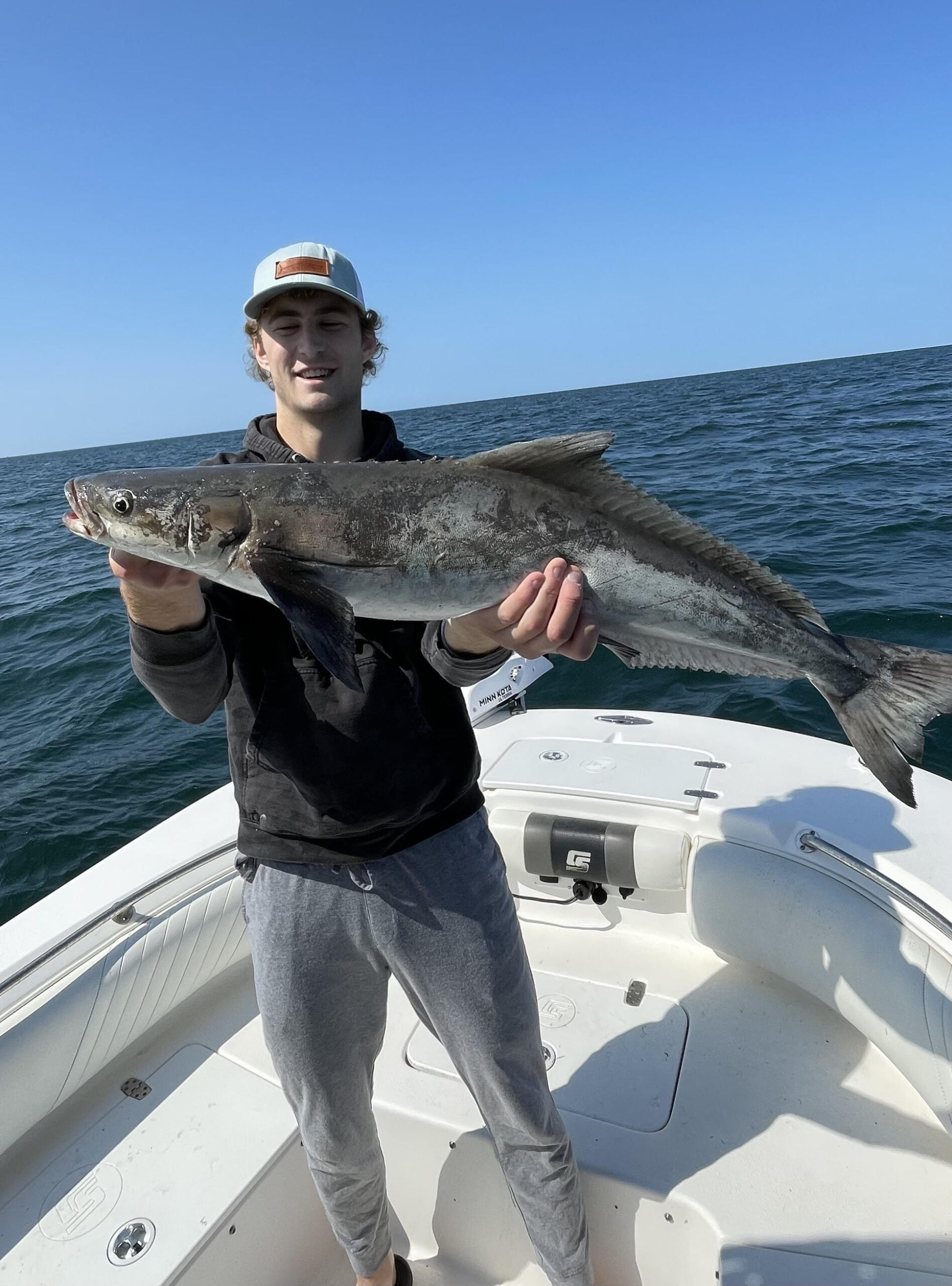
As a long-time, experienced angler in both fresh and saltwater, I’ve certainly had my fair share of fishing excursions that took place after some quantity of rain—but whether I view that rain in a positive or negative light is always up for debate based on where I’m fishing. To break this down a little more, I want to share three main examples of rain affecting different types of fishing: fishing moving water like creeks and rivers, fishing stagnant water like lakes and ponds, and fishing saltwater.
First, fishing moving water after rain. From my experience, if it has just rained within the last 12 hours, I won’t even consider venturing outside to try and fish a creek or river. For one, it can be dangerous. High water is likely going to be present which can result in more harm than good. This leads me to my next reason why I don’t touch rivers or creeks after rain. Often, after it rains, the water moves too fast to be able to fish.
Now obviously, this is not always the case. If the river or creek is small with a low volume of water, it won’t take a long time for water levels to come down to “fishable” conditions. However, at times, I’ve run into situations where I really wanted to fish a creek or river after rain, but the water was moving too fast and was too muddy to be able to present bait to any fish.
Second, my experience with fishing stagnant bodies of water. In the past, when fishing ponds and lakes after rain, the topwater action has always been a better bite than usual. One word of caution though, avoid places in ponds and lakes where water is feeding in, as this area will be muddy and hard to fish in. Aside from that, I’ve had far more luck on topwater than any other time, just after a rainstorm. Something about the rain pelting the surface of the water seems to draw the fish to the top and put them in a “food alert” state—this seems to be why they bite better. So don’t hesitate to fish a stagnant body of water after rain, especially with topwater with things like poppers and buzz baits.
Lastly, let’s talk about fishing in saltwater after a rainstorm. From my 15 years of fishing experience, it’s honestly better to spend the day with family or prepare for tomorrow’s fishing excursion. For whatever reason, rain seems to mess with fish when it comes to saltwater, almost completely turning off the bite—especially offshore. The fish seem to sit deeper and become more lethargic after rainstorms which is why I generally don’t attempt to fish directly after a rainstorm when at my local beach—Ocean Isle Beach, NC.
Now part of this could be from muddy water dumping into the ICW from the Cape Fear River, but I also think something in the fish gets turned off when it comes to having recently rained.
So, as you can hopefully see, fishing after rain can be beneficial in some cases, but often a waste of effort in others. Plan your days out and always keep an eye on the weather. Good luck and tight lines!