
Any question about the article?
Please use your work e-mail, so we can connect with you
While the debate between monofilament and fluorocarbon lines is certainly worth the time to break down, it may be even more worthy of a breakdown if the choice to use braid or monofilament lines is chosen. I have struggled with this question myself for years. What is better in freshwater? What is better in saltwater? What is better for this or that species?
In this article, I’m going to try to answer some of these questions for you guys so that you feel better prepared to take on fish in the future. Some anglers will tell you that this debate is really not that important. However, the smart ones will tell you that this decision on line choice can have direct day-to-day impacts on all of your fishing adventures.
Just as important as choosing the right Line for your fishing reels is choosing the right tools to surround yourself with while fishing. One of my favorite tools is the Fishbox App. The Fishbox App is chock full of amazing fishing tips that can help give you better days on the water.
Loaded with over 50 different metrics that give you a greater sense of what is going on under the water, the Fishbox App is your next step to upping your fishing game. So don’t wait any longer and download the Fishbox App today.
Enough talk. Let’s settle this debate and figure out what Line we should be using and when we should be using it.
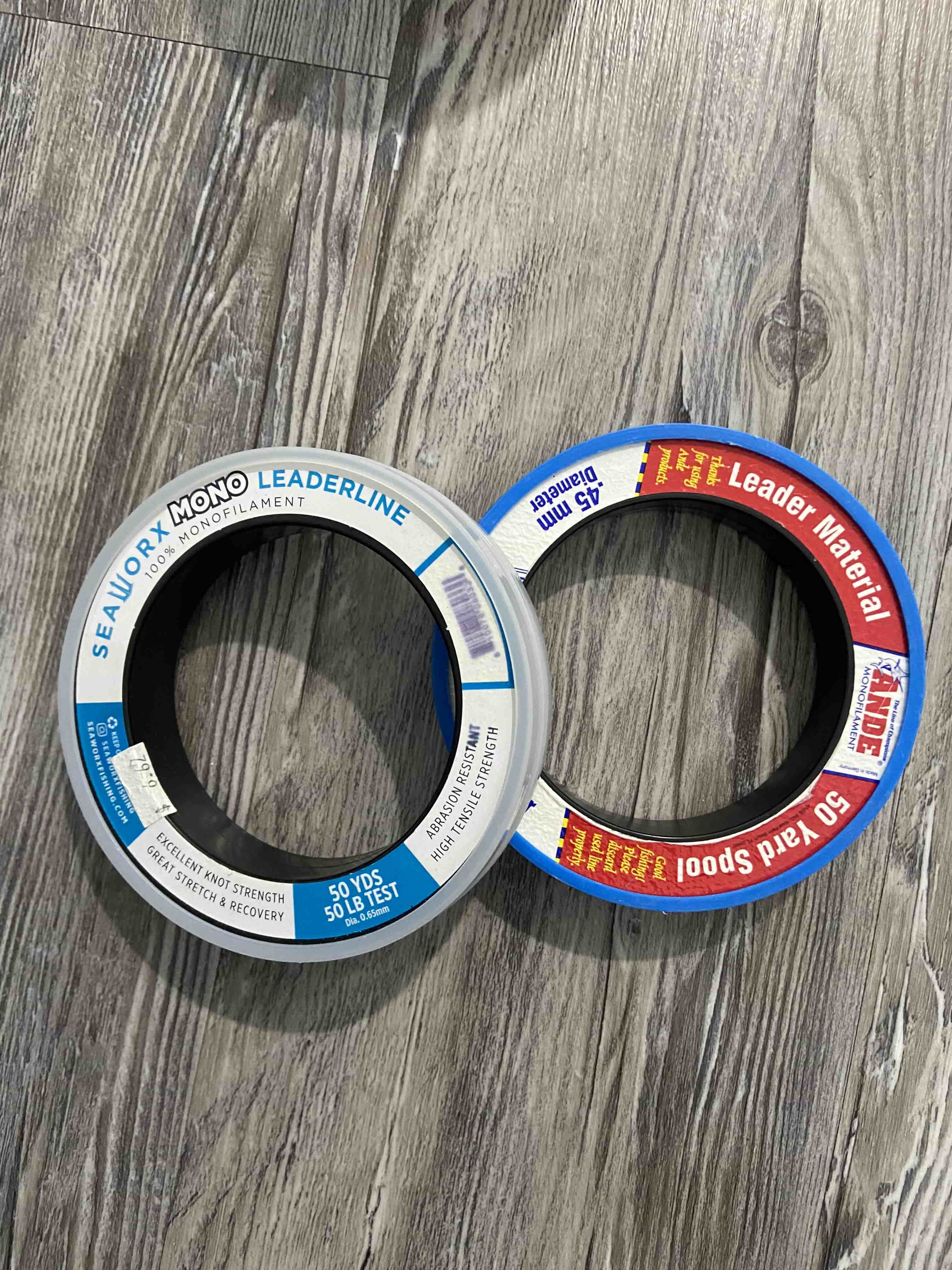
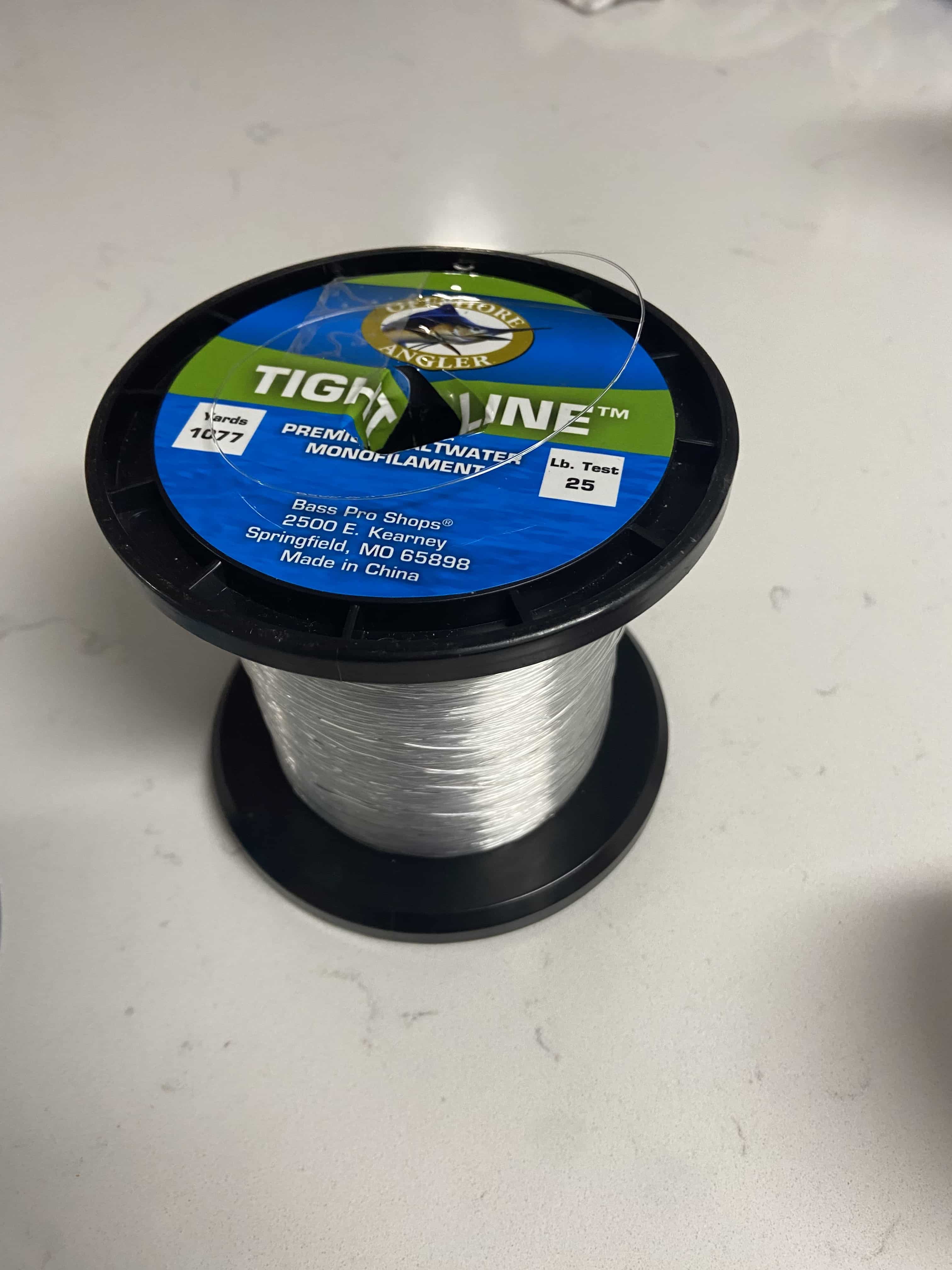
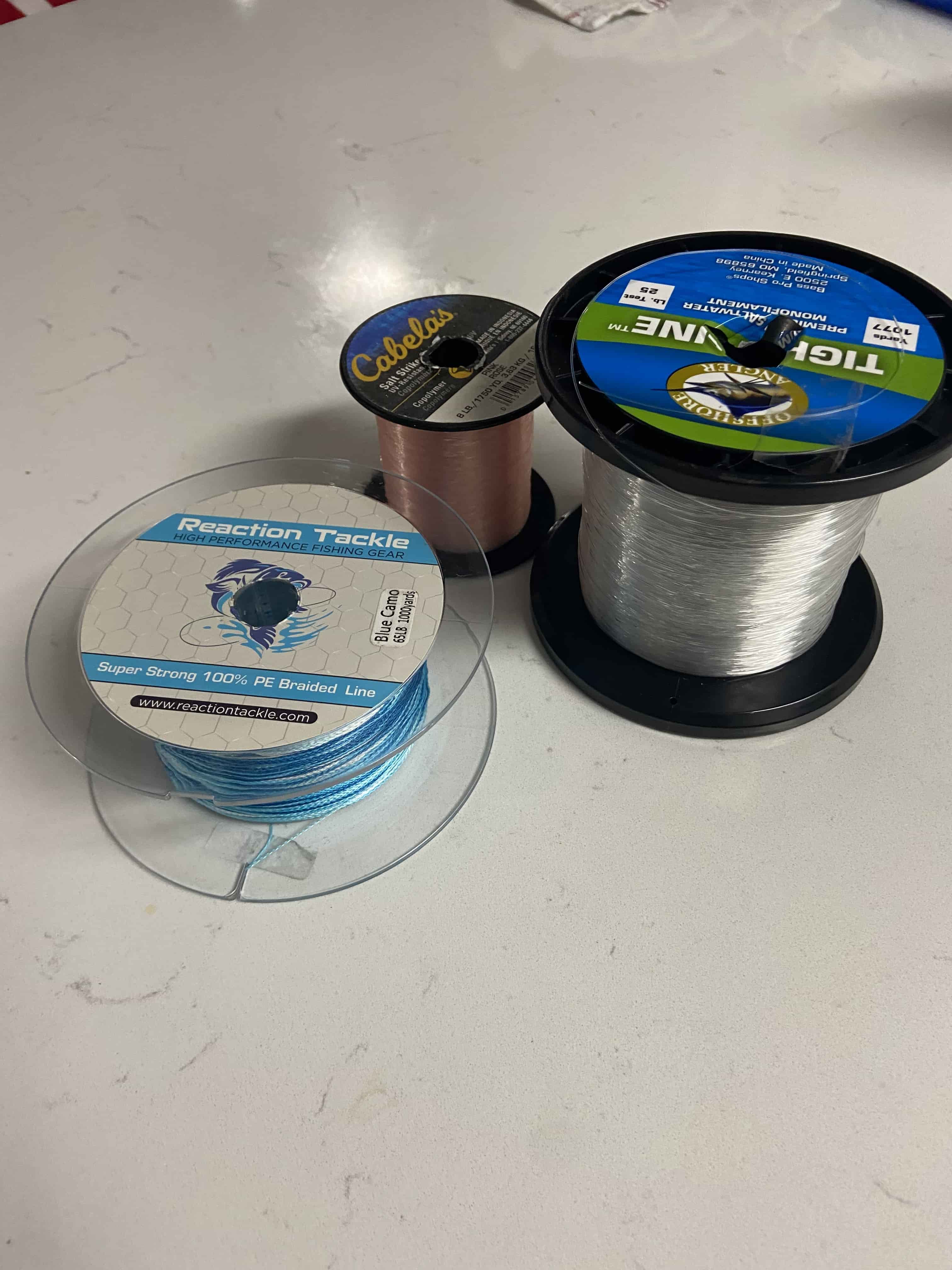
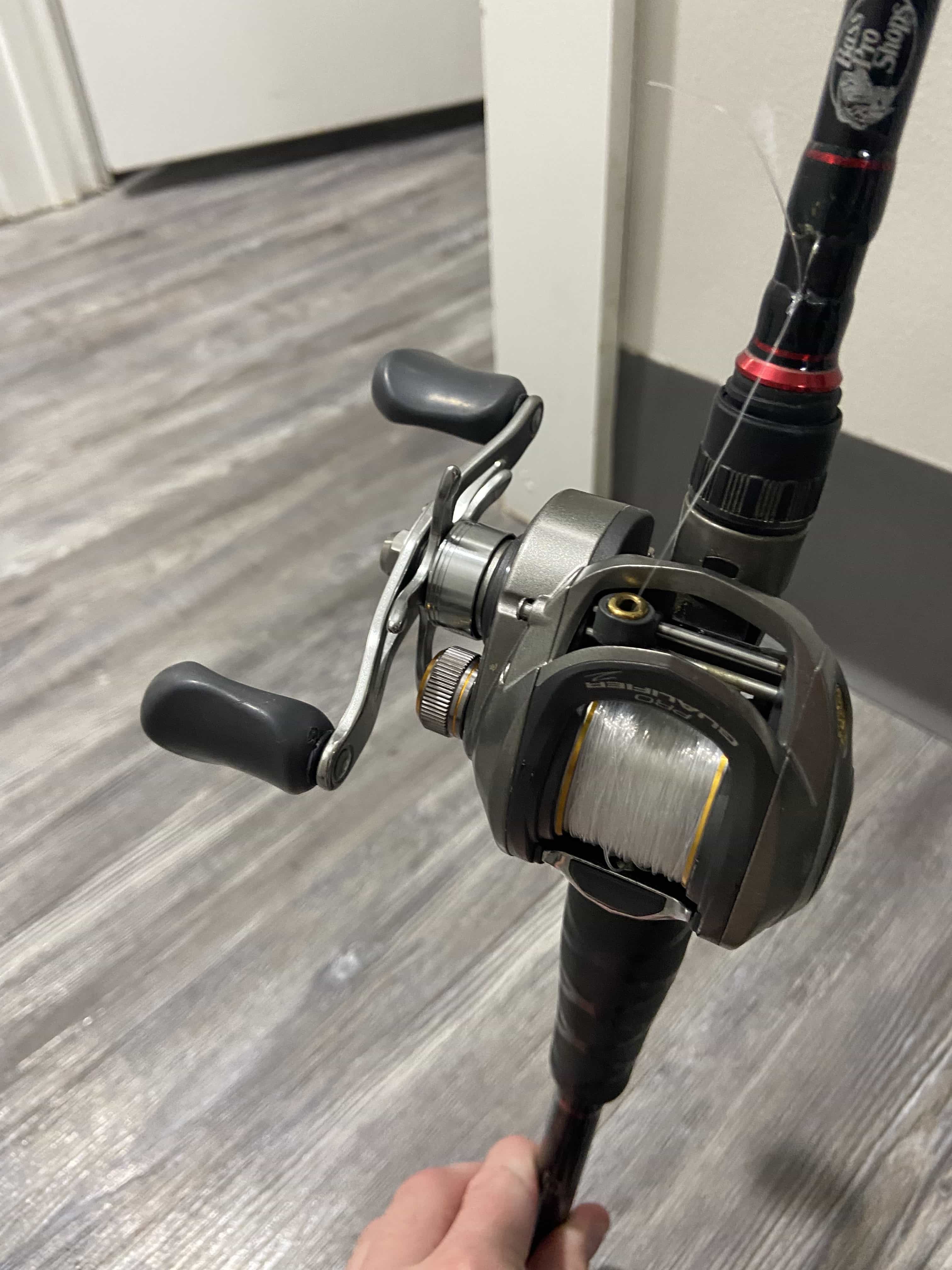
There are quite a few differences between braided and monofilament fishing lines, so let’s break them down below. I will have the main differences written here but if you are a more visual person then refer to my comparison chart below.
Here is the table:
| Feature | Braid | Mono |
|---|---|---|
| Strength | ✅ | ❌ |
| Durability | ✅ | ❌ |
| Stretch | ✅ (Low Stretch) | ❌ (High Stretch) |
| Sensitivity | ✅ | ❌ |
| Diameter | ✅ | ❌ |
| Casting Distance | ✅ | ❌ |
| Visibility | ✅ (Less Visible) | ❌ (More Visible) |
| Buoyancy | ❌ (Sinks More) | ✅ (Floats More) |
| Water Absorption | ✅ | ❌ |
| Abrasion Resistance | ❌ | ✅ |
| Price | ❌ | ✅ |
| Longevity | ✅ | ❌ |
In this particular case, monofilament and the stretch it offers are actually beneficial to hooking more fishing. This stretch in the Line allows for a lower chance of hooks being pulled, which is a common occurrence with live baits and stiffer lines.
This is one of the many reasons we use mono for king mackerel fishing. The forgiveness that it offers is not only unparalleled just to braid but to fluorocarbon as well.
Read also: Monofilament vs. Fluorocarbon: Which Fishing Line is Best for You?
Other than price, this is probably the biggest reason why I would ever recommend monofilament fishing lines. If you want a cheap solution that is more forgiving and can allow for more hookups, mono is the way to go.
Given that beginner anglers are often still figuring things like drag out, the forgiveness of the stretch can prove a lifesaver like it has done for me many times in the past. For example, maybe you have your drag a little too tight while using mono. The stretch of the mono could actually save you from a breakoff, whereas the braid might not necessarily.
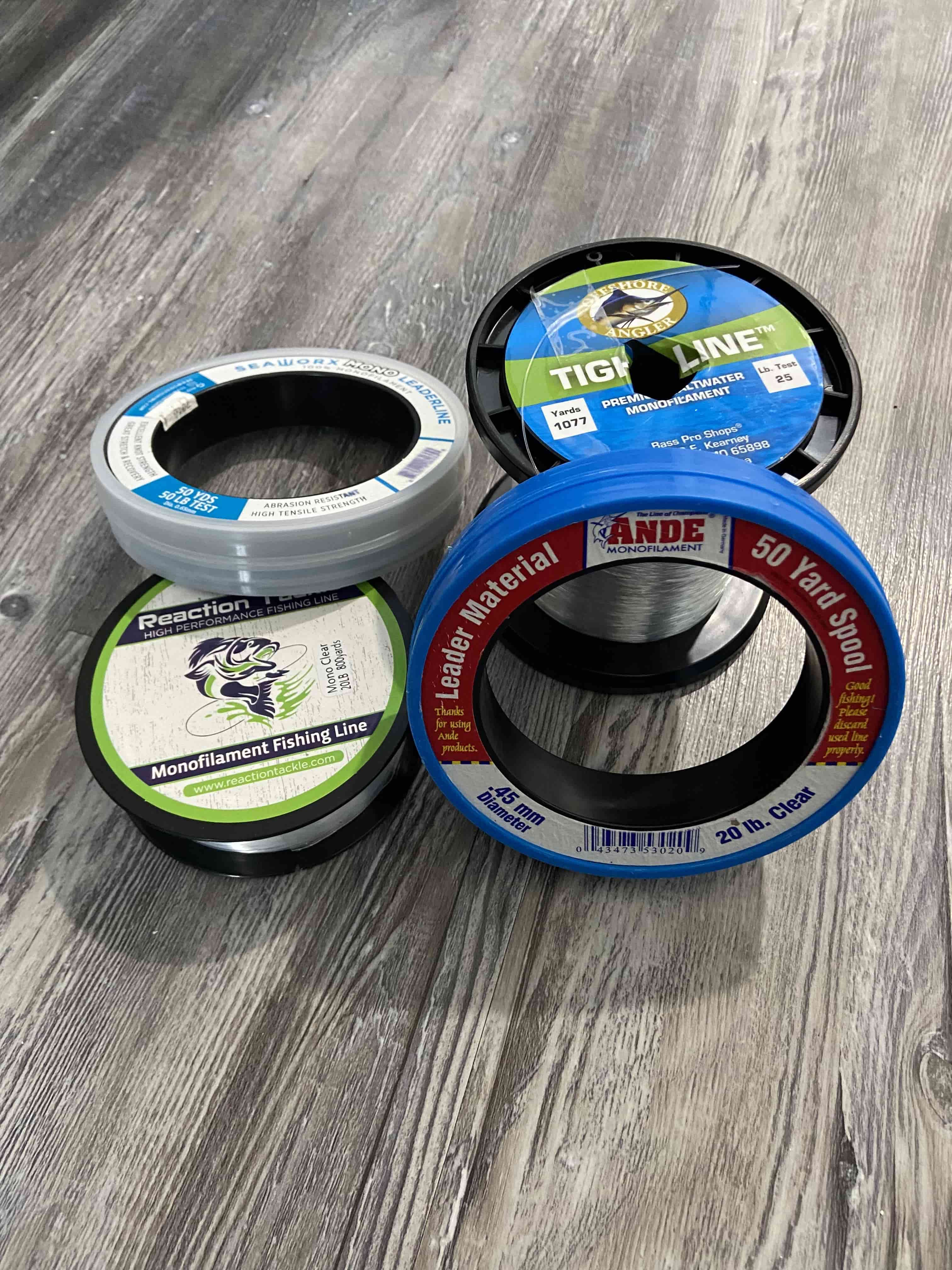
For many of the same reasons above, using mono for fishing around cover is a good idea. Sure, the stretch does offer some benefits, like not immediately breaking off on something under the water, but it also adds another important thing—abrasion resistance.
When a braid comes into contact with a structure underwater, it will often begin to eat away at the different strands of the Line that make up the braid, cutting them one by one and weakening the Line. With mono, sure the Line could chafe a bit, but more than likely it won’t lose nearly as much strength as it would have if using braid.
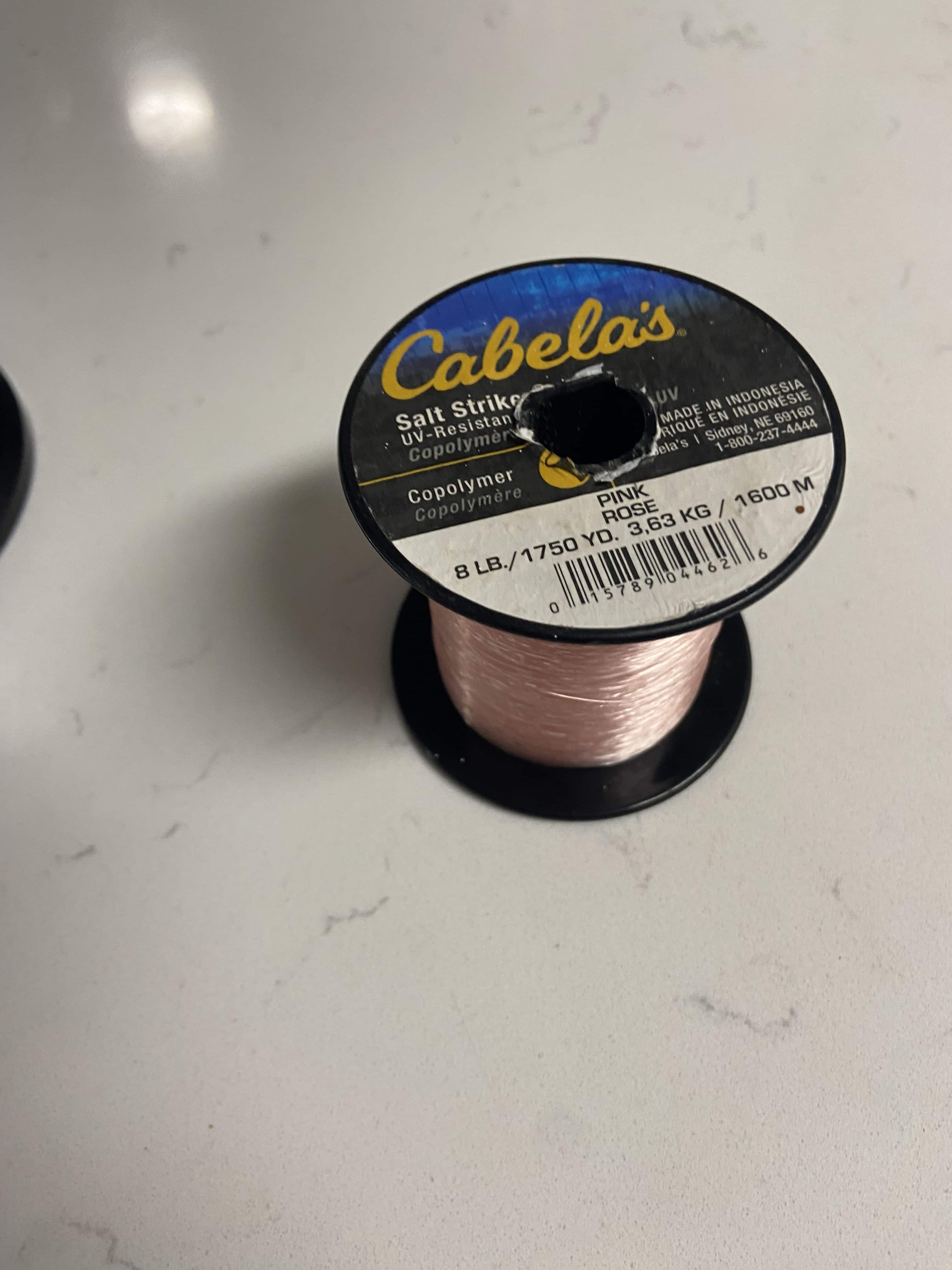
This is almost always why braid isn’t used as a leader for bottom fishing. Due to all the structure below, the odds of losing fish due to breakups on the braid are much higher than mono or fluoro.
This is another super popular reason why people like to fish with mono. Not only is it more forgiving and abrasion-resistant than braid, but it also costs significantly less. It is also cheaper than fluoro as well. For this reason, many anglers will choose mono simply because of their budget.
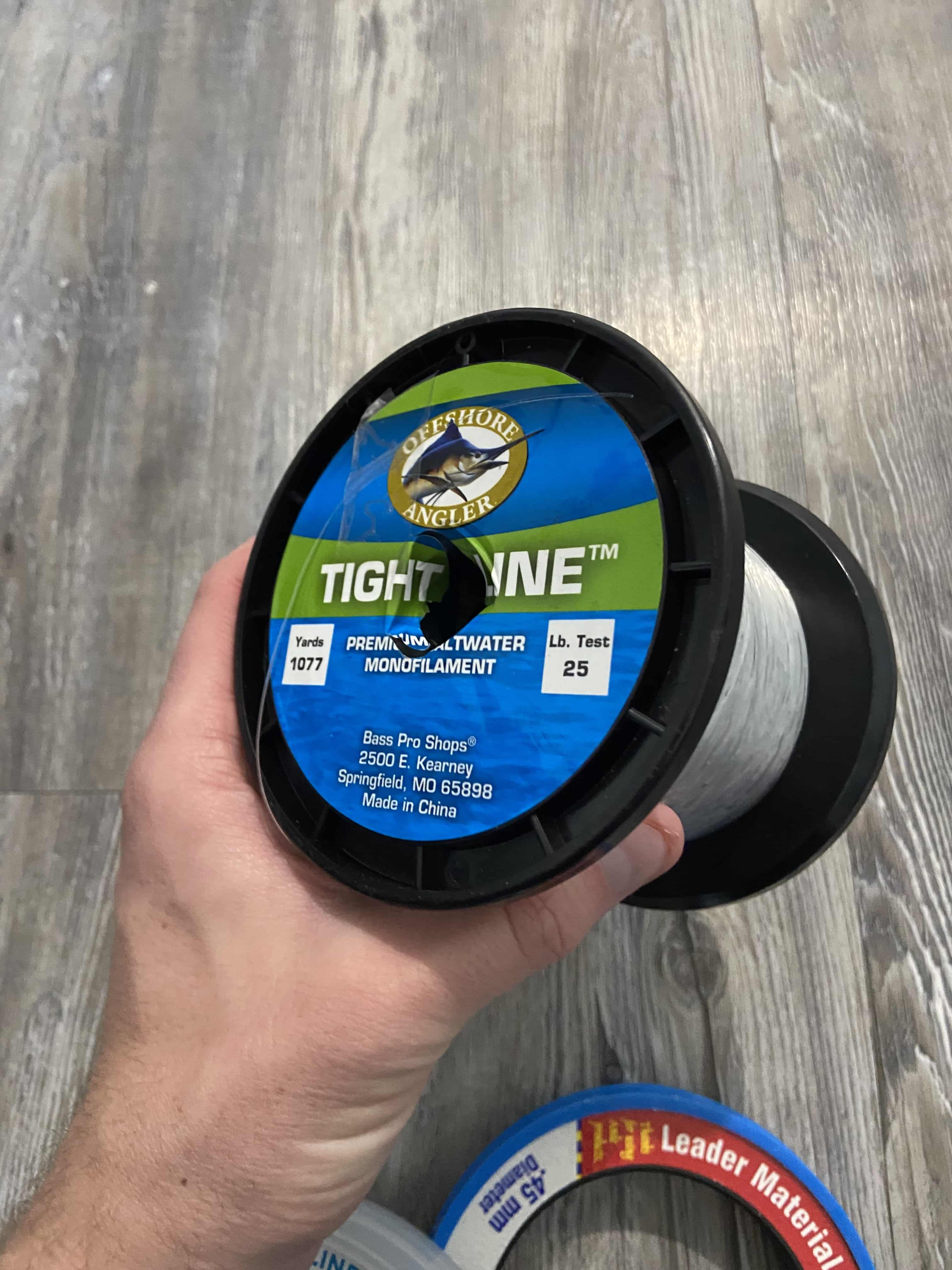
Now, I will say that depending on what you are fishing for and its seriousness, mono is not always a bad option. Say, I’m just going to fish in neighborhood ponds around me for largemouth bass. It’s really not worth investing a bunch of extra money in Braid or Fluoro just to mess around with smaller fish in ponds.
However, if I’m in a high stakes situation or I need better performance out of my Line, depending on the application, I will often either use fluoro or braid.
A lot of anglers, myself included, for a long while, would just go straight braid to hook or braid to rig. While this absolutely can work, it is definitely not the most optimal strategy. Braid is not super visible in the water, but it is certainly a lot more visible than a fluorocarbon leader.
This being said, if the water where you are fishing is super clear, I would highly recommend some sort of fluorocarbon leader because it is virtually invisible underwater. Sure, it might cost a bit more money, but I can assure you that it is worth it in the long run. You will catch more fish when you prioritize stealth and presentation.
You need to be able to feel all the little ticks and pulls so you can get a better visual of what is happening to your bait far below the surface. At the end of the day, braid is the more sensitive of the two between it and mono. Additionally, it doesn’t have nearly as much stretch, which is crucial when bottom fishing and winning those first 10 feet off of the bottom.
Moreover, you can fish deeper water with braid simply because of how much more braid you can put on a reel than mono.
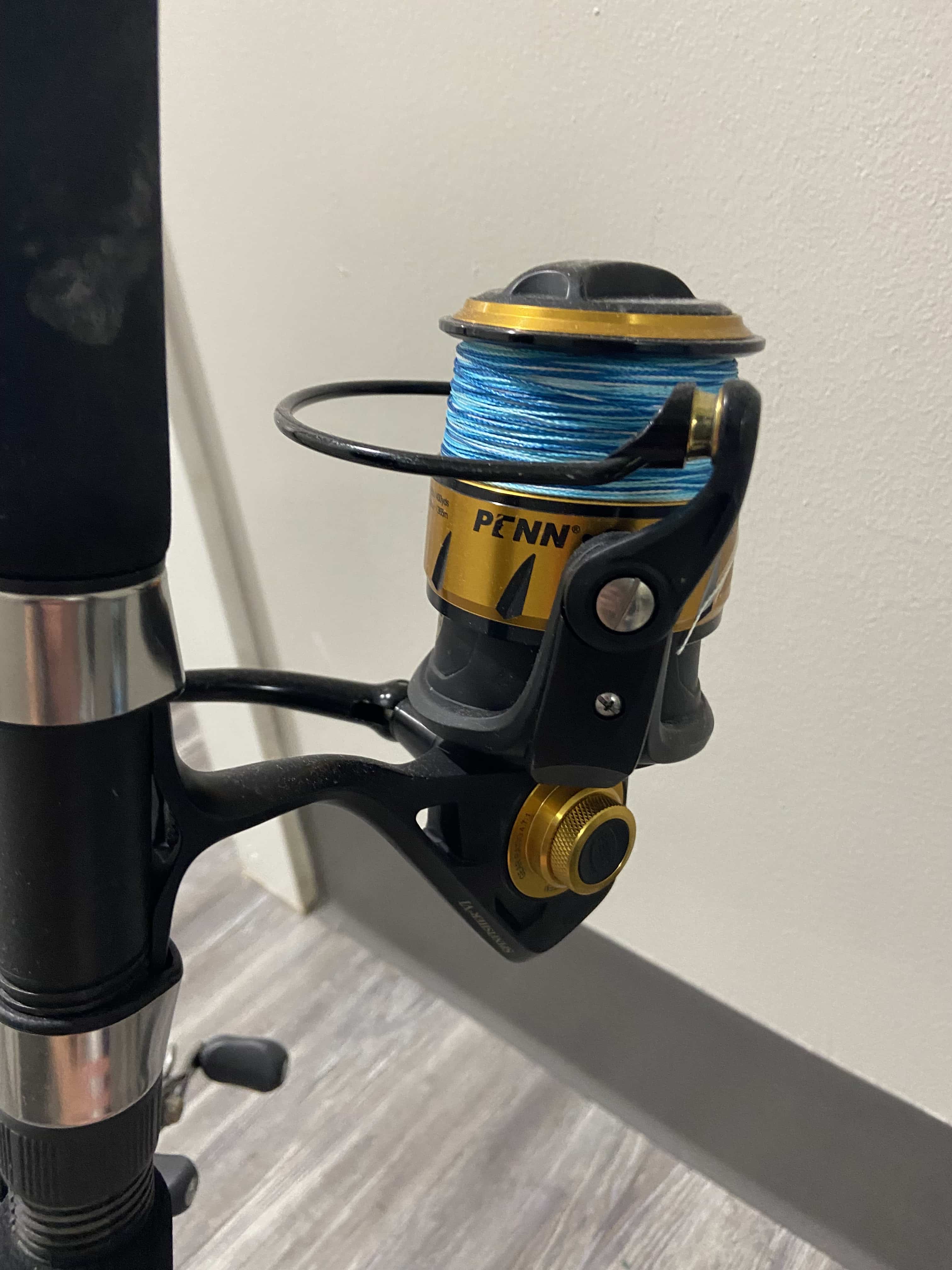
A lot of anglers tend to ignore this and wait for a surprise break-off a year later when they realize that they should’ve replaced their mono by then.
Braid has virtually no memory, so I would definitely recommend it over mono. This might cost a bit more upfront, but it might save you from some heartaches on the back end.
Unless you have a really good reason to (which I can’t even think of), there is no reason why you should at least be backing your spinning reels with a braid.
You can use mono as the top shot if you would like, but I would strongly recommend not filling the whole spool with mono—especially if you are saltwater fishing. I have always told people this about saltwater fishing: you really never know what you’re going to catch, so it’s better to be prepared and have some sort of extra Line on the reel in case you hook a monster. You simply cannot do this if you are fishing with mono.
Read also: How and Where to Catch Live Bait in Saltwater
For example, with a lot of offshore gear, guys will load the spool up with a braid and then do a couple hundred yards over heavy mono to top it off. This is perfectly fine when tied or spliced together effectively.
This is the same reason I have 800 yards of 100-pound braid on my shark reels before I get to the heavy mono. I need the extra distance that it offers me.
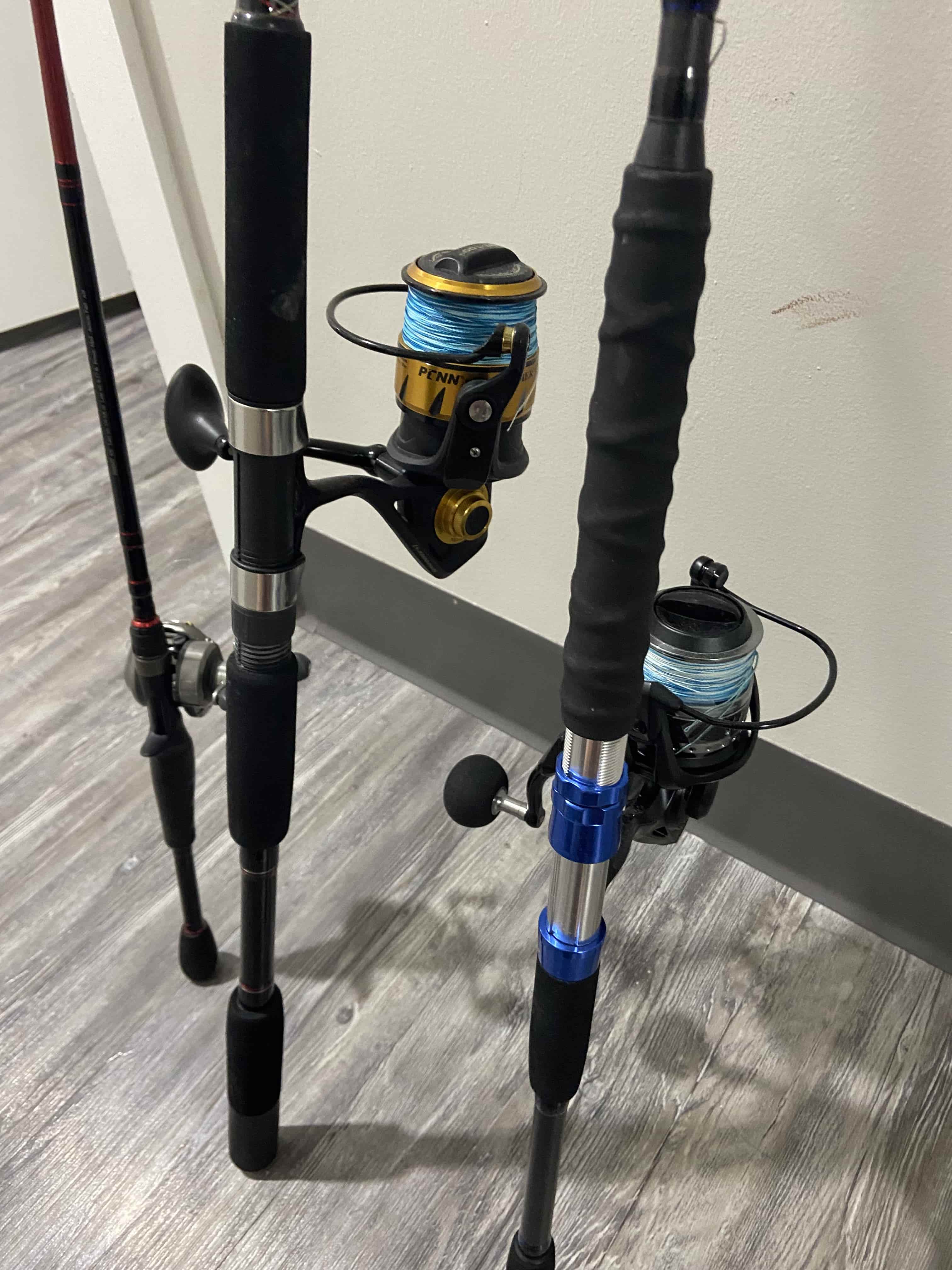
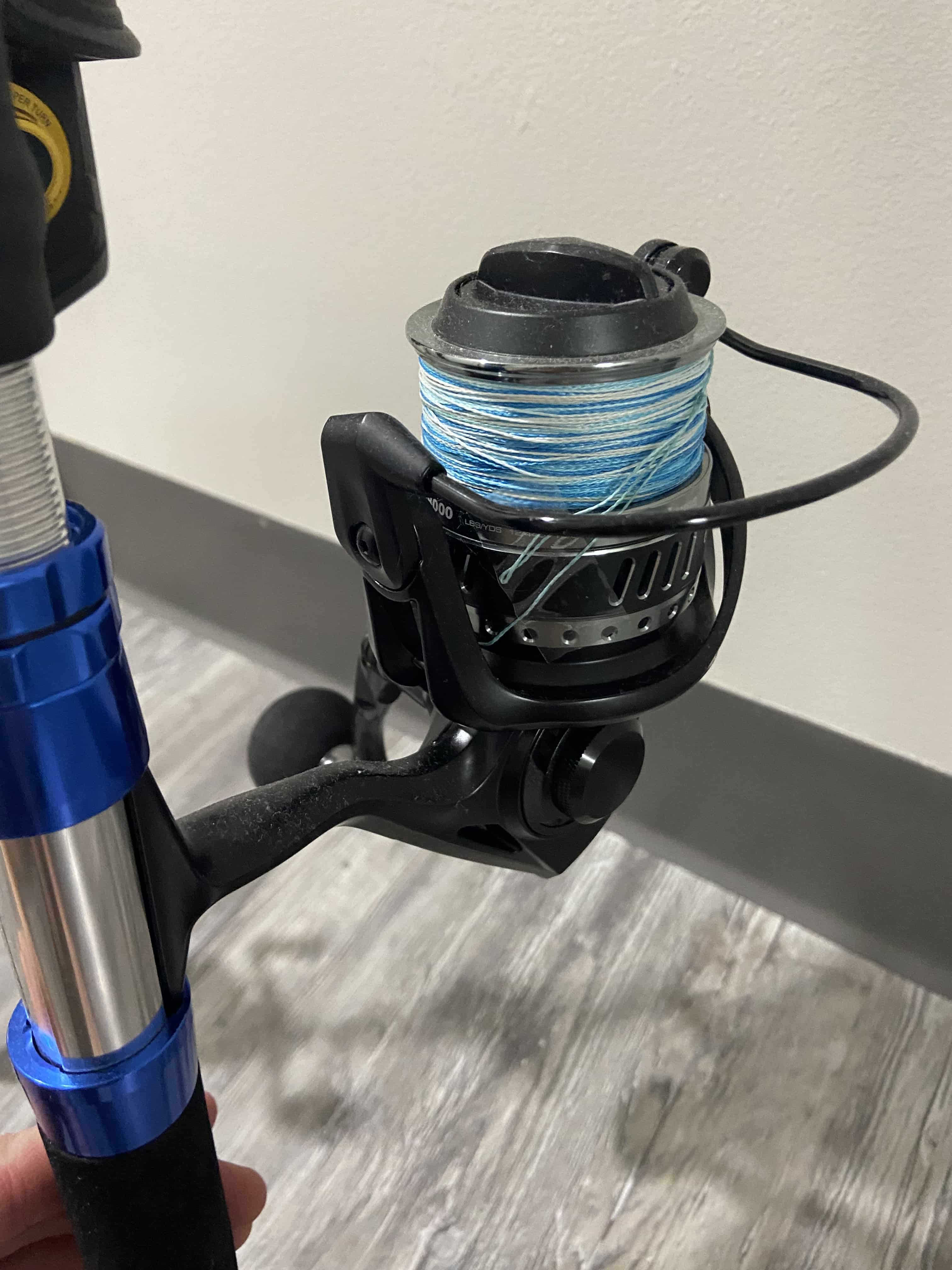
This is a very expensive hobby, especially if you find yourself addicted like me. With fishing, you can’t really expect everything to be cheap and also high quality. Sometimes, you’re gonna have to bite the bullet and pay for the braid when you really want the price of the mono.
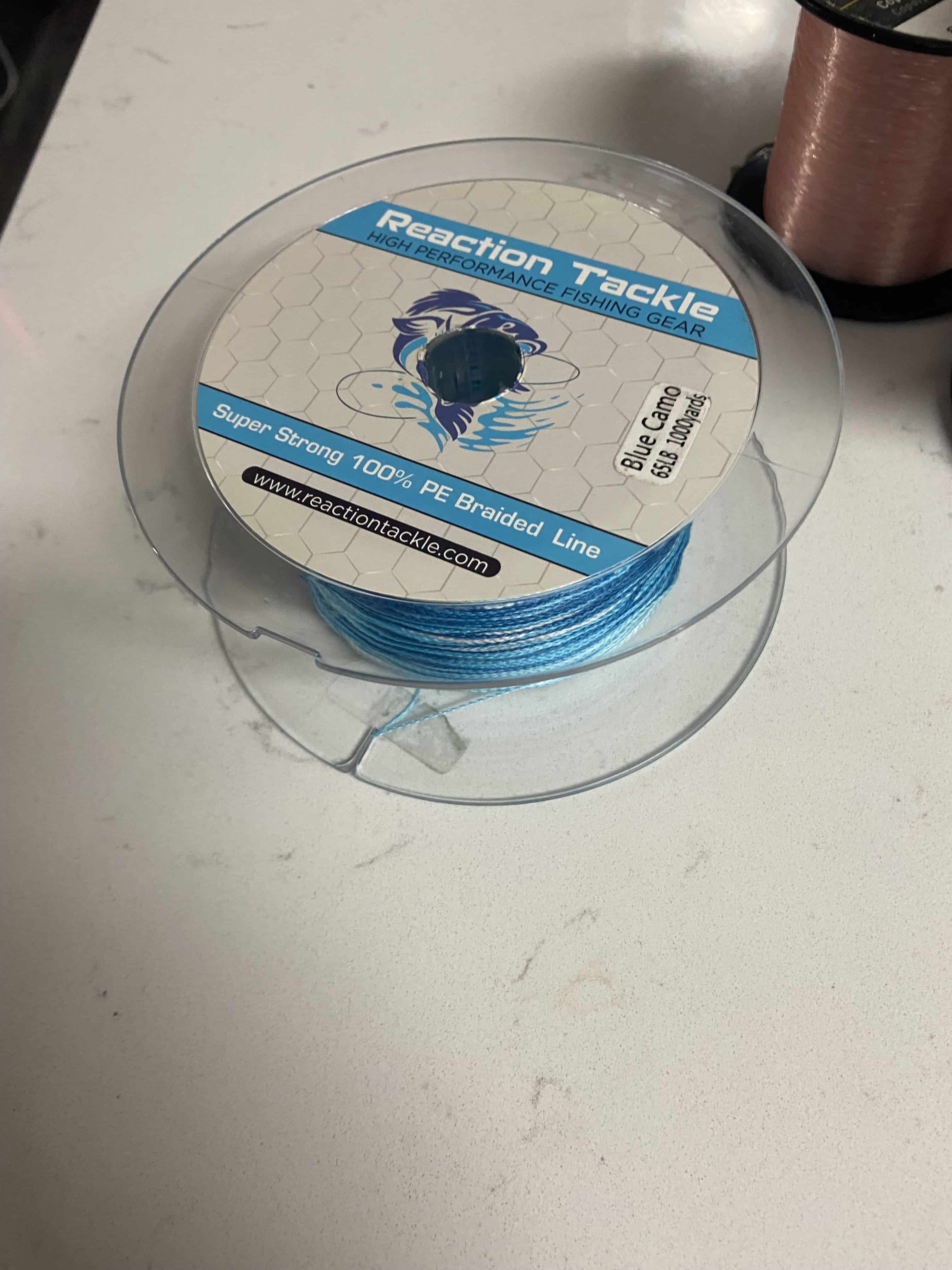
I know braid is generally more expensive, but there are definitely some companies, namely one in particular, that are much cheaper than others when it comes to braid. Reaction Tackle makes great braid products, and I’ve used them for over two years now. A fraction of the price for virtually the same performance as the leading, top-dollar braid.
One more thing I would like to mention before I close out this point. You don’t want to pick and choose what to use based on the price. Whether you like to spend money or you are cheap, you need to consider what you are targeting before you make that call. This article, as well as extra research, can help you do this.
I hope that you guys have enjoyed reading this article as much as I have enjoyed writing it. I truly can say that I learned a ton about the differences between braid and mono, and I can see why these different lines are preferred in different scenarios.
At the end of the day, I still believe that we can’t really say that we have one better Line than the other overall. Instead, I would argue that mono and braid are both good at performing specific tasks.
Knowing what specific task or type of fishing you want to do should help you determine what kind of Line you should be purchasing.
I hope this article helps you out in your future fishing endeavors! As always, good luck and tight lines!
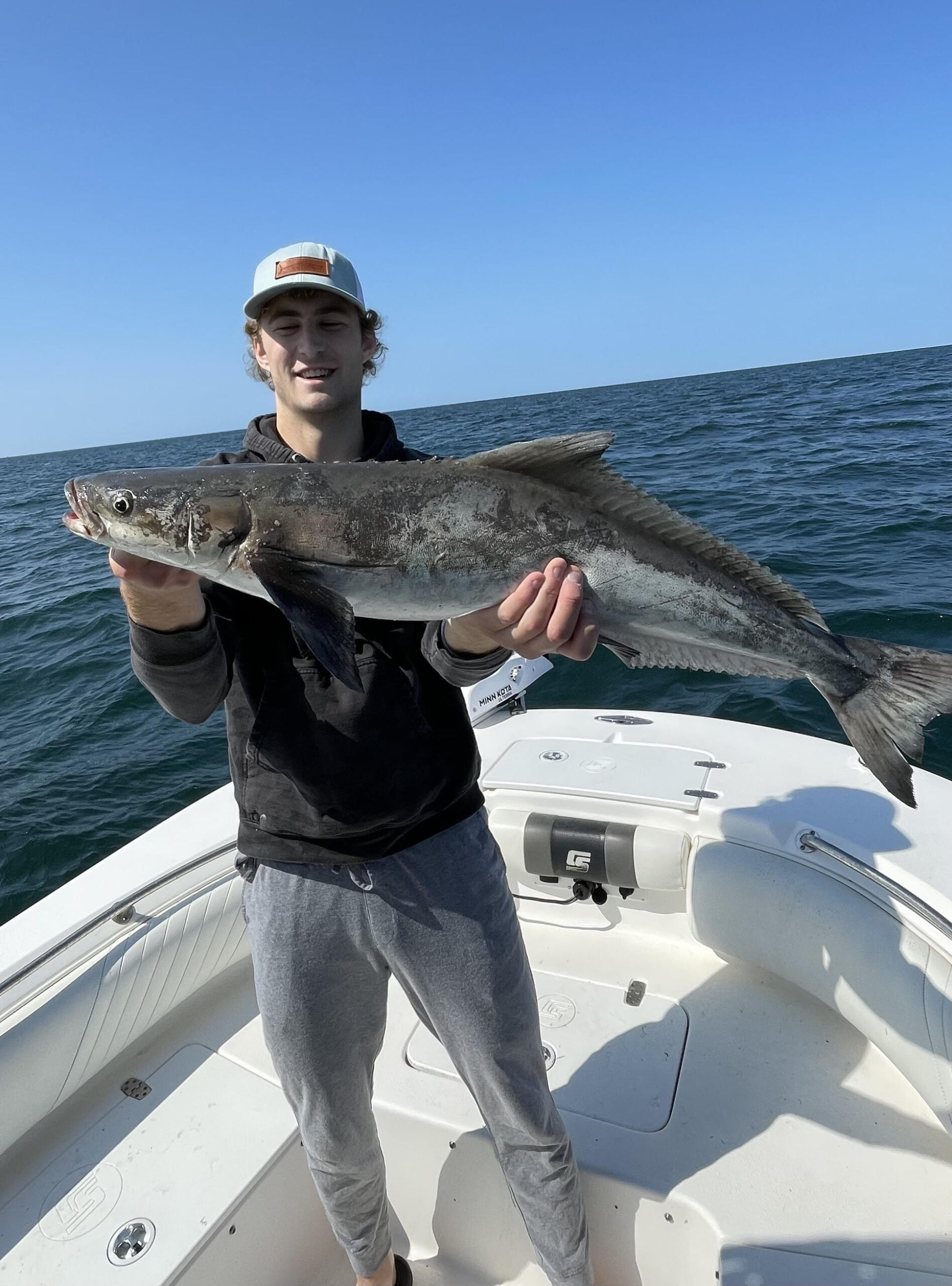
Pierce Latta has been passionate about fishing since the age of three, growing up casting lines in both freshwater ponds around Charlotte, NC, and the saltwater of Ocean Isle Beach. With nearly 16 years of experience, he’s explored almost every style of fishing imaginable, from fly fishing and surf casting to offshore and inshore adventures. Pierce now shares his knowledge and enthusiasm with others, offering tips, techniques, and inspiration to help anglers of all levels discover the thrill of fishing.