
Any question about the article?
Please use your work e-mail, so we can connect with you
You may not know this, but Australia is the only country in the world that solely covers an entire continent, and thanks to that, you’ll have access to some of the world’s most pristine and abundant coastlines and waterways. Start adding up the bodies of water, including over 400 rivers, 11,000 lakes, and 600,000 km of coastline, and you’ll quickly realize that you’re spoiled for choice when it comes to choosing a fishing destination in Australia.
Along with hundreds of unique fish not found anywhere else in the world and thousands of productive fishing locations, Australia is truly an angler’s paradise. It doesn’t matter what type of fishing you enjoy, spinning, bait fishing, fly fishing, offshore, inshore, fresh, or saltwater, Australia has it all. If you’ve been trying to plan the ultimate Australian fishing adventure, then read on!
In the following article, Australian Fishing: A Basic Guide, we’ll cover:
It’s not always easy to decide where to fish in Australia, thanks to its abundant coastlines, but if you need a little help deciding, check out Melbourne Fishing: Your Comprehensive Guide, where we cover everything you’ll need to know about having a successful fishing adventure in Melbourne, Victoria.
The Fishbox is a premium Fishing Forecasting App, which gives you access to advanced technology, including the best time to go fishing in Australia, including each individual state and territory, and when you’re better off relaxing at home.
Below are probably some of the most popular fish in Australia and also the most highly sought-after. They’re not all easy to catch, so you’ll need to put in some hard work if you want to add a few of these to your list.
Apart from the over-top Australian fish we mentioned above, there’s also a variety of exciting freshwater fish on offer. Australia may be surrounded by saltwater, but that doesn’t mean there isn’t some fantastic freshwater fishing available to anglers. While we’re not going to list them all, we’ll cover the most popular varieties below, along with some honorable mentions.
Some of the more common and readily available freshwater fish in Australia include Rainbow Trout, Brown Trout, Murray Cod, and much more.
If saltwater fishing is more your speed, there’s undoubtedly plenty of saltwater action to be had in Australia, with thousands of beaches, estuaries, bays, and rocky shorelines to choose from. We can’t mention all the saltwater fish species on offer, so we’ll try to cover some of the more common and popular ones.
Some of the other notable saltwater species include Jewfish, Tailor, Barracouta, Southern Calamari, Queensland Groper, and many more.
The fishing gear you need will be largely determined by what type of fishing you prefer. The most popular fishing options in Australia include:
One of the most versatile pieces of equipment for anglers planning on fishing in different locations throughout Australia is a light to medium spinning rod and reel combo. This combo will allow you to target most inshore and freshwater species while also spinning along the beaches.
If you’re planning on heading offshore or spending a lot of time fishing from a boat, you could switch out to a shorter boat rod and reel combo that won’t cast as well but will be easier to manage in a smaller boat. For offshore anglers chasing large gamefish, you’ll need a larger game fishing rod and reel setup.
Anglers planning on spending a lot of time fishing from the beach should consider investing in a longer surf fishing rod, which will help get their bait out further and keep their line out of the crashing waves.
With such a broad and diverse range of different fisheries and fish species, it’s no surprise that there are various opportunities. You have a variety of different fishing techniques available to choose from. Below are some of the more popular fishing techniques in Australia:
Once predominantly used for freshwater fishing, fly fishing is now a popular saltwater technique used close to reefs, rocky outcrops, estuaries, bays, beaches, and shallow sand flats surrounding Australia. Fly fishing requires a specialized fly rod and reel and will involve a little bit of practice to master, but once you do, it can be a fun and exciting way to catch fish.
Read also: A Complete Guide to Fly Fishing for Trout
Bottom fishing is the staple of recreational fishing across Australia. It can be done from shore or from a boat and typically involves bait, but soft plastics are becoming increasingly popular for various species, including Snapper and Flathead. Bottom fishing is a practical, low-cost way to enjoy catching and eating some delicious fish.
If you can access a boat, trolling for species such as Salmon, Tailor, Barracouta, Spanish, Tuna, Mackerel, and many other pelagic species can be highly productive. Trolling involves motoring around in your boat and trailing lures behind the boat at set distances. The speed and distance will depend on the target species but don’t forget to throw a lure close to the boat. The turbulence created by the motor wash is often a hot spot for fish activity.
For most recreational anglers, especially tourists and visitors, shore fishing will be the go-to method for fishing in Australia. Shore fishing could include bottom fishing, spinning, soft plastic jigging, fly fishing, and beach fishing. A light to medium spinning rod and reel combo will be your most effective multi-use setup, enabling you to target various fresh and saltwater species around Australia.
You’re not spoiled for choice when it comes to different fishing destinations in Australia. The hardest decision you’re going to have to make is where not to fish!
Our top fishing destinations in Australia include:
Covered in mangroves, beaches, and coral reefs, the Northern Territory is a fantastic tropical fishing destination. Some of the most notable places to fish in the Northern Territory include the Mary River, Dundee Coast, Bynoe Harbour, Adelaide River, Tiwi Islands, and Darwin Harbour.
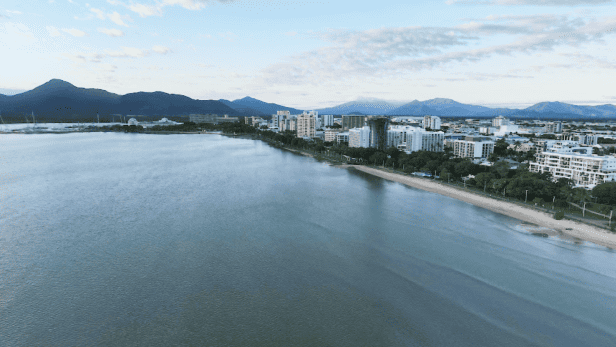
A little further south, but not much, is the state of Queensland. Broken into two distinct areas, north Queensland and south Queensland, this state averages over 300 days of sunshine each year and provides anglers with some of the best fishing in Australia. Some of the most notable places to fish in Queensland include Port Douglas, Cairns, Kurrimine Beach, Yeppoon, Boyne Island, Hervey Bay, Noosa, Brisbane, and the Gold Coast.
Heading down the East Coast a little more, you’ll run straight into the next state on our list, New South Wales. Warm, but not quite as warm as Queensland, NSW offers some fantastic fresh and saltwater fishing opportunities. Some of the best fishing locations in New South Wales include Sydney, Eden, Bermagui, Port Stephens, Merimbula, Snowy Mountains, and the Bega River.
Continuing our southern journey, you’ll run into the small island of Tasmania. Tasmania offers both inshore and offshore fishing, along with arguably some of the best Trout fishing in Australia. Some of the best fishing locations in Tasmania include the Tamar Estuary, St. Helens, Tasman Peninsula, Derwent River, Arthurs Lake, and the Huon River.
Swinging all the way to the west side of Australia sits the state of West Australia. Think hot weather, but not as tropical or humid as the Northern Territory or Queensland. Some of the best fishing locations in Western Australia include Broome, Red Bluff, Pot Alley Beach, Murchison River, Perth, Blackwood River, and the Swan River.
Because Australia is surrounded by water, and a large percentage of the country sits in a warm climate, there isn’t a lot of off-season. When one fish isn’t biting as hard, plenty of other fish can take its place. Below, we created a table that covers some of the most popular saltwater fish in Australia and when your best opportunity to catch them is.
| Fish Species | Jan | Feb | Mar | Apr | May | Jun | Jul | Aug | Sep | Oct | Nov | Dec |
| Australian Bass | Great | Great | Great | Great | Good | Good | Good | Good | Good | Good | Great | Great |
| Barracuda | Great | Great | Good | Good | Good | Good | Great | Great | Great | Great | Great | Great |
| Barramundi | Great | Great | Great | Good | Good | Good | Good | Good | Great | Great | Great | Great |
| Coral Trout | Poor | Poor | Fair | Good | Good | Great | Great | Great | Good | Good | Fair | Fair |
| Flathead | Good | Good | Good | Good | Good | Great | Great | Great | Great | Good | Good | Good |
| Kingfish | Great | Great | Good | Good | Good | Good | Fair | Fair | Good | Great | Great | Great |
| Mackerel | Good | Good | Good | Good | Great | Great | Great | Great | Great | Great | Great | Good |
| Mahi Mahi | Great | Good | Fair | Poor | Poor | Poor | Fair | Good | Great | Great | Great | Great |
| Marlin | Great | Great | Great | Great | Great | Great | Great | Good | Good | Good | Great | Great |
| Queenfish | Poor | Poor | Good | Great | Great | Great | Great | Great | Good | Fair | Poor | Poor |
| Snapper | Good | Fair | Fair | Fair | Good | Good | Good | Good | Great | Great | Great | Great |
| Sailfish | Great | Great | Good | Good | Poor | Poor | Fair | Good | Good | Great | Great | Great |
| Salmon | Fair | Poor | Poor | Fair | Fair | Good | Good | Great | Great | Great | Great | Good |
| Saratoga | Good | Good | Fair | Fair | Good | Great | Great | Great | Great | Great | Great | Great |
| Trevally | Good | Good | Good | Fair | Fair | Great | Great | Great | Great | Great | Great | Great |
| Tuna | Great | Great | Great | Great | Great | Good | Good | Good | Great | Great | Great | Great |
Every state in Australia has its own fishing rules, regulations, license requirements, size, season, and bag limits. So, before you go fishing in Australia, be sure to check with the local state requirements.
When it comes to fishing, Australia truly is the land of opportunity, with thousands of fantastic fishing locations and an abundance of fishing opportunities available to the intrepid angler not scared to go a little off the beaten track.
Remember to check the local state fishing regulations and license requirements before going fishing in Australia, as different states have different rules, seasons, sizes, and bag limits. Take only what you need and leave your fishing area clean, if not cleaner than you found it. We can all do our part to be responsible anglers and ensure that future generations of anglers get to enjoy the same, if not better, fishing that we enjoy.
The premium fish forecasting application, Fishbox, will put you in the perfect position to catch some great fish in Australia, regardless of which state or territory you find yourself fishing in, by analyzing local weather and water conditions along with input from local anglers. The Fishbox App utilizes accurate weather, tide, and fishing conditions to predict the best time to get out on the water in Australia to catch your target species.
Do you have some top fishing spots in Australia or tips and tricks for new anglers that you’d like to share? Drop a comment below. We’d love to hear your thoughts and feedback, and your guidance could just help someone catch their first fish and become a passionate lifelong angler like yourself.