
Any question about the article?
Please use your work e-mail, so we can connect with you
It’s hard to deny that Queensland is the state with it all, weather, sunshine, pristine beaches, and almost 7,000 km of coastline, which includes beaches, mangroves, coral reefs, rocky outcrops, and much more. They don’t call Queensland the ‘Sunshine State’ for no reason, and with almost 300 days of sunshine on average each year, you’ll be inundated with fishing opportunities.
As if the weather wasn’t impressive enough, the fantastic fish species diversity will blow you away, with hundreds of different fish species, inshore and offshore fishing, and so much more.
In the following guide to Queensland Fishing and angling, we’ll cover:
If you’re looking to take your Australian fishing trips or adventures to the next level, be sure to check out our Complete Guide to Tasmania, Australia Fishing Licences, where we cover everything you’ll need to know about fishing on the beautiful island state of Tasmania, including fresh and saltwater fishing tips.
Fishbox App is a premium Fishing Forecasting app that gives you access to advanced technology, including the best time to go fishing in Queensland and when you’re better off spending some time cleaning out your tackle box or doing some maintenance on your favorite rod and reel.
Fishing is more than a hobby in Australia. It’s a way of life. With hundreds of thousands of kilometers of coastlines, rivers, and lakes, Australia is a diverse ecosystem with something to offer every angler, regardless of skill level. Queensland is possibly one of the best states in Australia to experience it.
Queensland offers both fresh and saltwater fishing opportunities, but it’s the saltwater fishing that truly helps this sunny state to stand out from the crowd. Some of the most popular Queensland fishing species include Barramundi, Snapper, Coral Trout, Giant Trevally, Red Emperor, Striped Fish, Flathead, Barracouta, and many others.
Before hitting the water, it’s essential that you check with the state fishing regulatory body to ensure that you have the correct license and you’re up to date with the season, size, and bag limits for all fish species you may encounter. You can visit the Queensland Department of Primary Industries to find out more information.
If you’re just visiting Queensland or a beginner angler, a light to medium spinning rod will be your best investment. Some basic lures, hooks, and sinkers will be all you need to target most species from the shore. A good knife to clean your fish, a small tackle box, a chair, and a cooler will have you ready to get out and enjoy Queensland’s fantastic fishing opportunities.
With so much water surrounding Queensland, you’re spoiled for choice when it comes to what type of fishing technique you use. In the following section, we’ll cover the most popular fishing techniques in Queensland.
Almost 50% of anglers in Queensland choose to fish from the shore, and with so much shoreline to choose from, that’s no surprise. You could fish from the beach, a rocky wall, a pier, a lake, a river, and estuaries. A variety of fish you can catch from the shore are fantastic to eat, too, which is an added bonus, and this includes Whiting, Bream, Flathead, Tailor, Perch, and Barramundi. A light to medium spinning rod combo will be your best investment as a shore-based angler.
If you have access to a boat in Queensland, you’ll genuinely open up your fishing opportunities even with a small boat. When you fish from a boat, you’ll normally target bigger fish that fight harder, so upgrading to a smaller but heavier boat fishing rod and reel setup will prove valuable.
Fly fishing is considered by many anglers to be one of the hardest fishing techniques. While a lot of fly fishing is centered around freshwater fishing, saltwater fly fishing is becoming increasingly popular, incredibly close to shore on shallow beaches and sandy flats. Don’t think you won’t encounter a big fight, though, so be prepared to hook into some monster saltwater fish when you’re fly fishing, including Golden Trevally, Herring, Threadfin Salmon, and Queenfish. If you want to give fly fishing a go, be prepared to put in some long hours perfecting your technique, but the end result is well worth it.
You’re still fishing from a boat, sometimes close inshore and other times further offshore, but reef fishing requires much more skill and heavier equipment. While underwater reefs are teeming with fish, they’re also full of snags, which means that hard-fighting fish will quickly lead you into snags in an attempt to cut your line. Getting out to the reefs isn’t easy, so your best option if you’re new to reef fishing is to hire a charter boat to take you out. They’ll have the knowledge and equipment you need to have a great day out on the water and help you catch some impressive reef fish.
If you’re planning a destination fishing trip to Queensland, there are certain species that should be on your ‘must catch’ list, and in this section, we’ll cover some of the most popular fish to target on your Queensland fishing trip.
The Barramundi is arguably one of the most iconic and popular fish in Australia, and it’s for a good reason, not only because of their size but also because of the challenge of fighting one of these monster fish in a shallow water filled with snags. From rivers to coastal areas, Barramundi will present quite a challenge.
The best time to catch Barramundi is around high tide in deeper water where they’re lurking, waiting for unsuspecting prey to swim by so they can pounce. The warmer the water gets, the more active the Barramundi become, which means summer is the peak Barramundi season in Queensland.
Coral Trout is considered by many experienced reef anglers to be the jewel of the Great Barrier Reef. Not only do their vibrant colors look amazing, but Coral Trout also tastes fantastic. As their name suggests, Coral Trout spend their life hanging around amongst the coral and like to eat bright-colored lures that resemble small reef fish. Light to medium tackle is the best way to catch them, but don’t let them pull you into the reef.
The warrior of the estuaries, the Mangrove Jack, is used to doing things tough, and that’s what you can expect when you encounter one of these fish at the end of your line. With striking red scales and sharp teeth, be prepared for a fight in the rocks, mangroves, and snags when hooking a Mangrove Jack.
You’ll need to be smart when you’re chasing Mangrove Jack. They’re cunning fish, so you’ll need to outsmart them at their own game. Find the most challenging spot to cast a lure into, and that’s where you’ll find them. Early morning or toward dusk is your best time to hit the water, and live baits work best, but they’ll still hit lures and soft plastics.
These hard-fighting fish are considered by many to be premier Australian freshwater fish. They inhabit the cool and fast-flowing waters of Queensland’s rivers and streams, and the Australian Bass has a reputation for putting up a big fight with aerial displays as they attempt to shake the hook out of their mouth.
You’ll need patience, skill, and the right technique to land an Australian Bass. They like to hang around submerged snags such as trees, drop-offs, and rocks, waiting for their prey to swim by before they ambush them. Early morning or late evening with surface lures on calm days, or soft plastics and spinner baits when the water is deeper, or you’re trying to work a snag.
Get ready for a high-speed pursuit if you hook into the bullet-shaped Spanish Mackerel. Not only are these sleek and powerful fish prized for their lightning-quick runs, but they also pack a mouth full of razor-sharp teeth that could cut you off at any moment.
Spanish Mackerel are always on the move, searching the ocean for schools of baitfish, so trolling with lures or bait will be your best option. You want to choose big, flashy, or shiny lures that closely resemble baitfish. Areas surrounding the Great Barrier Reef, the Whitsundays, Townsville, and Cairns are all prime Spanish Mackerel locations.
The hardest part about going fishing in Queensland isn’t finding the fish; it’s choosing the fishing spot, and with so many options available to anglers, you’re genuinely spoiled for choice in the Sunshine State. It doesn’t matter if you prefer fishing inshore or offshore, fresh or saltwater. There’s something for every angler, regardless of skill level, in Queensland.
Below, we’ve listed some of the top fishing locations in Queensland:
World-renowned, the Great Barrier Reef is well-known for its beauty and biodiversity. It also offers fantastic deep-sea reef fishing for species, including Giant Trevally, Coral Trout, and Red Emperor. However, getting out to the Great Barrier Reef and knowing where you can and can’t fish isn’t easy, so going with an experienced charter operation is your best bet to get maximum results.
Fraser Island is the world’s largest sand island, and thanks to its location and perfect weather, it offers excellent beach fishing from its large beaches. To get the most from surf fishing, you’ll need a longer surf fishing rod, which will allow you to get your bait out over the breaking waves. You can expect to encounter species such as Tailor, Dart, and Whiting.
The Gold Coast is much more than just a tourist attraction with offshore reefs, bays, estuaries, coral reefs, and much more on offer. There are a lot of inshore species on offer, including table fish such as Flathead and Bream, as well as some great offshore fishing for large gamefish such as Tuna and Marlin.
The Whitsunday Islands is another one of those world-class destinations that Queensland has right on its doorstep, but getting there will require a little bit of planning. It offers inshore and offshore reef fishing, as well as some world-class charter operations to get out amongst some of the best game fishing Queensland offers.
Queensland’s reefs are teeming with fish, but how do you know which fish you’ve caught? While there are a lot of fish on the reefs surrounding Queensland, there are a few that are highly sought-after by recreational anglers. In this section, we’ll cover what they are and how to identify them.
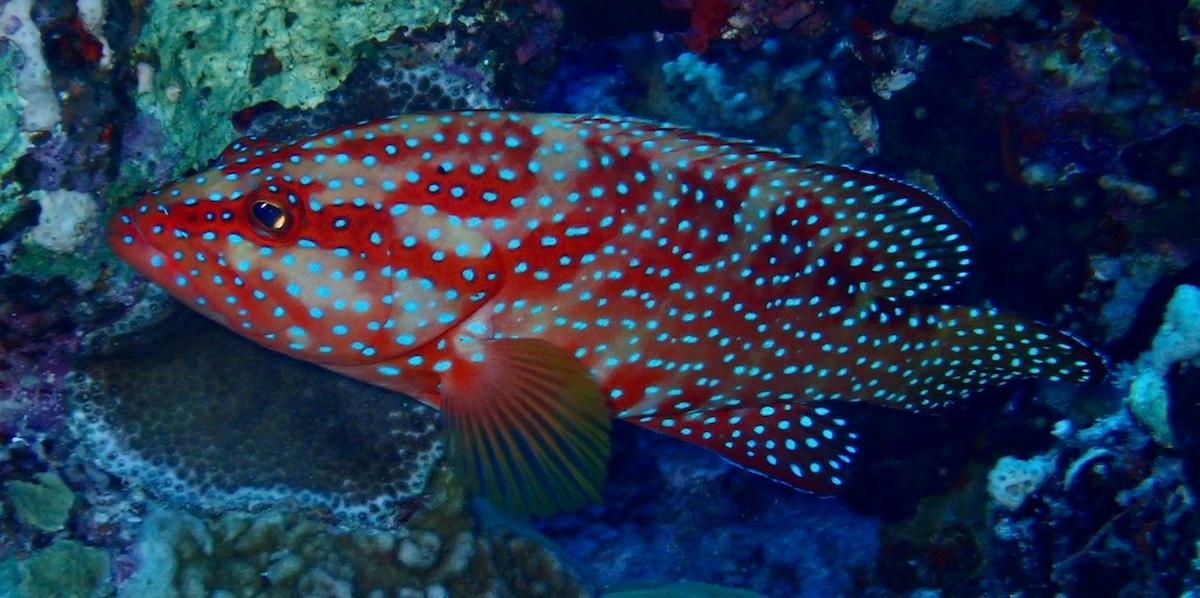
While they share the same name as their freshwater equivalent, Coral Trout are a highly sought-after reef fish thanks not only to what they look like but also to how delicious they are. The most common way to catch Coral Trout is on bait fished close to the coral, they will occasionally take lures and poppers. The first a Coral Trout will do when hooked is run for the safety of the reef, so it’s in your best interest not to let them make it back in, or you risk being cut off. Coral Trout are typically orange in colour with blue or green spots and look more like a Cod than a Trout.
Because of their slow reproduction and growth rate, the Red Emperor has a very high minimum size limit, with the average fish only breeding after they reach their fifth year of life. They like to hang around bommies or coral outcrops and drop-offs in deep water, so bait is your best choice when you’re targeting them.
Thanks to their large size, Red Emperor will hit your bait like a freight train and keep going with hard surging runs as they attempt to make it to safety deep in the reef. Red Emperor are orange-red in color, sometimes with pronounced red or white bands, and have a large, broad head and shoulders.
There are two varieties of Nannygai, large mouth, and small mouth. You’ll find them in large schools in deep water over rubbly bottoms. Once you hook one, you’ll normally find more in the same area. Bait is the most effective method, but they can sometimes be enticed to take a jig.
Despite their smaller size, Nannygai put up a great fight when hooked, and every move they make below the surface is designed to drag you into the coral. They’re highly sought-after because of their firm white flesh. Nannygai looks like a smaller version of a Red Emperor, but they have a large black eye and white fins.
Recreational anglers in Queensland aren’t required to purchase a fishing license to enjoy the saltwater fishing action in this beautiful state but are required to buy a permit if they plan on fishing in one of the state’s Stocked Impoundments. If you want to fish in a stocked dam, you must purchase a special Stocked Impoundment Permit Scheme permit.
You can learn more about SIPS Permits here.
That doesn’t mean that there aren’t any rules or regulations. Queensland enforces strict size, season, and bag limits to ensure that future generations of anglers get to enjoy the state’s premium natural resources.
Before you go fishing, be sure to check out the Queensland Government Website for size, season, and bag limits. There’s also an app, Qld Fishing 2.0, which you can download and take with you so you’ll know exactly what you’re catching, what size it needs to be, and if you can keep it or not.
Choosing the best fishing charter in Queensland is never easy when you’re new in town or on holiday, but identifying the best fishing charter for you will make that choice a lot easier. If you know what you like, you’ll be much better prepared when you start shopping around. Be sure to check out the charter boat’s reviews, and don’t be scared to ask questions before you book.
If you’re planning on booking a fishing charter in Queensland during the peak summer tourist season and have something specific in mind, it pays to book early to avoid missing out. The two main types of fishing charters available in Queensland are:
Before you book the charter, consider the length, your experience level, and what amenities they provide.
There you go! Everything you need to know about fishing in Queensland, including some of the best fishing spots in Queensland and how to hook into some of the fantastic fish species in this beautiful Australian state. With so many beaches and fishing spots to choose from and the gorgeous sunny weather, your most challenging choice won’t be when to go fishing but where!
It’s not always easy to find the best fishing spots in Queensland or understand the best time to go fishing. Still, thanks to the information above, you’ll be out on the water, landing some excellent fish in no time at all and enjoying everything Queensland has to offer.
The premium fish forecasting application, Fishbox App, will put you in the perfect position to catch some great fish by analyzing local weather and water conditions and input from local anglers. The Fishbox App utilizes accurate weather, tide, and fishing conditions to predict the best time to get out on the water to catch your target species.
Do you have some fishing advice for new anglers in Queensland or advice you’d like to share? Drop a comment below! We love hearing your thoughts and feedback, and we’re sure new anglers will appreciate it.