

Sixfinger Threadfin
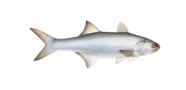
The sixfinger threadfin is a coastal marine fish recognized for its elongated body, silvery appearance, and distinctive six pectoral filaments. These filaments help the fish detect prey along the sandy or muddy sea floor. It is commonly found in tropical and subtropical waters, especially around sandy beaches and estuaries. Anglers appreciate the sixfinger threadfin for its tasty flesh, and it is often targeted in shallow coastal waters.
 Length~30 (max 61)
 Weight~1 (max 3)
 WaterSalt
 Water Temp24-29° F
 Depth1-50 ft
- Other namesYellowthread threadfin
- Length~30 (max 61)
- Weight~1 (max 3)
- WaterSalt
- Water Temp24-29° F
- Depth1-50 ft
Popular lures for Sixfinger Threadfin

Regulation for Sixfinger Threadfin
- SeasonOpen from September 01 to May 31
- Bag limit15
- Vessel limit-
- Trophy limits-
- Max size-
- Min size11"
- MeasurementFork Length
- Prohibited methods-
Living Conditions
🐟 Habitat preferences
- Sixfinger threadfin are typically found in shallow coastal waters, especially over sandy or muddy bottoms near beaches and estuaries
- They often inhabit areas with gentle currents, where they use their sensitive pectoral filaments to search for crustaceans, small fish, and other prey buried in the substrate
- This species prefers warmer waters and is frequently encountered in tropical and subtropical regions, particularly near shorelines and river mouths
- Sixfinger threadfin are known to patrol the surf zone, making them a common catch for shore-based anglers
♻️ Life cycle and mating behavior
- Spawning typically occurs in warm, shallow waters, where the sixfinger threadfin gathers in schools to reproduce
- Eggs are released into the water column and develop while drifting, with larvae eventually settling in nursery areas like estuaries or protected bays
- Juvenile threadfins remain in these sheltered areas until they grow larger, gradually moving to deeper coastal waters as they mature
- Seasonal migrations are common, with the species moving inshore during warmer months for spawning and retreating to slightly deeper waters during cooler periods