

Sacramento Sucker
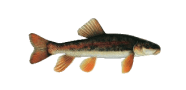
The Sacramento sucker, Catostomus occidentalis, is a freshwater fish native to the Pacific Slope of the United States, particularly within the Sacramento-San Joaquin drainage. It thrives in a range of aquatic environments, including clear streams and lakes, where it is commonly found in pools with cool, slow-moving waters. This species is notable for its adaptability and is often targeted by anglers for its abundance and size.
 Length~33 (max 60)
 Weight~1 (max 2)
 WaterFresh
 Water Temp15-30° F
- Other names-
- Length~33 (max 60)
- Weight~1 (max 2)
- WaterFresh
- Water Temp15-30° F
Popular lures for Sacramento Sucker

Regulation for Sacramento Sucker
- Season-
- Bag limit-
- Vessel limit-
- Trophy limits-
- Max size-
- Min size-
- Measurement-
- Prohibited methods-
Living Conditions
🐟 Habitat preferences
- Prefers pools in clear, cool streams, as well as lakes and impoundments
- Often found in slow-moving waters with a sandy or gravelly substrate
- Feeds on detritus, algae, and small invertebrates, making it an opportunistic bottom feeder
- Commonly seen in both natural and man-made bodies of water, especially where water quality is good
♻️ Life cycle and mating behavior
- Spawning occurs in the spring, with adults migrating to shallow, gravelly areas to lay eggs
- Males develop breeding tubercles during the spawning season, which they use to stimulate females
- Eggs are fertilized externally and hatch within a few days, with larvae drifting downstream to calmer waters
- Post-spawning, the adults return to deeper pools where they resume feeding and growing