

Orange Spotted Grouper
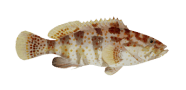
The Orange-spotted Grouper, or Epinephelus coioides, is a large predatory fish found in the Indo-Pacific region. It inhabits coral reefs and estuaries, where it preys on fish, crustaceans, and cephalopods. This species is valued in both commercial and recreational fisheries and is often seen in aquaculture. The grouper is recognized by its robust body, brownish coloration, and distinct orange spots.
 Length~78 (max 120)
 Weight~8 (max 15)
 WaterSalt
 Water Temp24-29° F
 Depth1-100 ft
- Other namesBrown-spotted rockcod, Estuary cod, Goldspotted rockcod, Greasy cod, North-west groper
- Length~78 (max 120)
- Weight~8 (max 15)
- WaterSalt
- Water Temp24-29° F
- Depth1-100 ft
Popular lures for Orange Spotted Grouper

Regulation for Orange Spotted Grouper
- SeasonAlways open
- Bag limit5
- Vessel limit-
- Trophy limits-
- Max size-
- Min size38 cm
- MeasurementTotal length
- Prohibited methods-
Living Conditions
🐟 Habitat preferences
- The Orange-spotted Grouper prefers warm, tropical waters, often found around coral reefs and rocky areas
- It is commonly found in estuaries and mangroves, especially during its juvenile stages
- As a predator, it feeds on a variety of smaller fish, crustaceans, and cephalopods
- Groupers are typically solitary, occupying specific territories within their habitat
♻️ Life cycle and mating behavior
- Spawning usually occurs in the warmer months, often around reef edges or in lagoon areas
- This species is protogynous, meaning individuals start life as females and can later change to males
- Eggs are released into the water column and develop into larvae that drift with the currents
- Juveniles initially settle in estuarine environments before moving to coral reefs as they mature