

Mangrove Jack
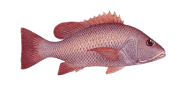
The Mangrove jack, known for its striking reddish body with silvery spots, inhabits coastal waters of the Indo-Pacific, especially near mangroves and estuaries. This species is a prized target for both recreational and commercial fishermen due to its fighting ability and excellent taste. The Mangrove Red Snapper is a versatile predator, feeding on fish, crustaceans, and mollusks. It is commonly found around structures such as rocky reefs and submerged trees.
 Length~40 (max 104)
 Weight~5 (max 14)
 WaterSalt, brackish, fresh
 Water Temp25-33° F
 Depth1-182 ft
- Other namesMangrove red snapper, Grey snapper, Creek red bream, Stuart evader, Dog bream
- Length~40 (max 104)
- Weight~5 (max 14)
- WaterSalt, brackish, fresh
- Water Temp25-33° F
- Depth1-182 ft
Popular lures for Mangrove Jack

Regulation for Mangrove Jack
- SeasonAlways open
- Bag limit5
- Vessel limit-
- Trophy limits-
- Max size-
- Min size35 cm
- MeasurementTotal length
- Prohibited methods-
Living Conditions
🐟 Habitat preferences
- Mangrove jack in coastal waters, often near mangroves, estuaries, and rocky reefs
- It prefers areas with plenty of cover, such as submerged roots, rocks, and artificial structures
- This species is known for its strong territorial behavior, often staying within a particular area
- It feeds on a variety of prey, including smaller fish, crustaceans, and mollusks, making it a versatile and opportunistic predator
♻️ Life cycle and mating behavior
- The Mangrove jack matures relatively early and typically spawns in warmer months
- Spawning occurs in deep waters, with eggs and larvae drifting with the currents before settling in shallower habitats
- Juveniles are often found in sheltered areas like mangroves and estuaries, where they can find ample food and protection
- As they mature, they move to deeper waters but often return to the same areas to spawn, maintaining strong site fidelity.