

Malabar Grouper
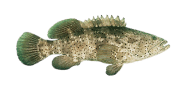
The Malabar Grouper, also known as the Estuary Cod, is a large predatory fish found in tropical and subtropical waters of the Indo-Pacific region. It typically inhabits coastal reefs, estuaries, and mangrove areas. With its robust body and wide mouth, the Malabar Grouper preys on a variety of fish, crustaceans, and cephalopods. This species is popular among anglers due to its size and strength, making it a challenging catch. It is also significant in commercial fisheries and aquaculture.
 Length~100 (max 234)
 Weight~50 (max 150)
 WaterSalt
 Water Temp16-30° F
 Depth2-150 ft
- Other namesBlackspot rockcod, Estuary rockcod, Giant rock cod, Greasy grouper, Malabar rockcod
- Length~100 (max 234)
- Weight~50 (max 150)
- WaterSalt
- Water Temp16-30° F
- Depth2-150 ft
Popular lures for Malabar Grouper

Regulation for Malabar Grouper
- SeasonAlways open
- Bag limit5
- Vessel limit-
- Trophy limits-
- Max size-
- Min size38 cm
- MeasurementTotal length
- Prohibited methods-
Living Conditions
🐟 Habitat preferences
- The Malabar Grouper thrives in coastal reefs, estuaries, and mangroves, often found in brackish waters
- It prefers habitats with plenty of cover, such as rocky crevices, coral formations, and submerged structures
- This species is solitary and highly territorial, often staying within a defined home range
- As a carnivorous predator, it primarily feeds on fish, crustaceans, and cephalopods, using ambush tactics to capture prey
♻️ Life cycle and mating behavior
- The Malabar Grouper matures relatively late and exhibits protogynous hermaphroditism, where individuals start as females and may later become males
- Spawning typically occurs in specific seasons, with eggs released in large batches and fertilized externally
- Larvae are planktonic, drifting in open water before settling in juvenile habitats like estuaries
- As they grow, juveniles gradually move to deeper reefs, where they establish territories and continue their solitary lifestyle