
Any question about the article?
Please use your work e-mail, so we can connect with you
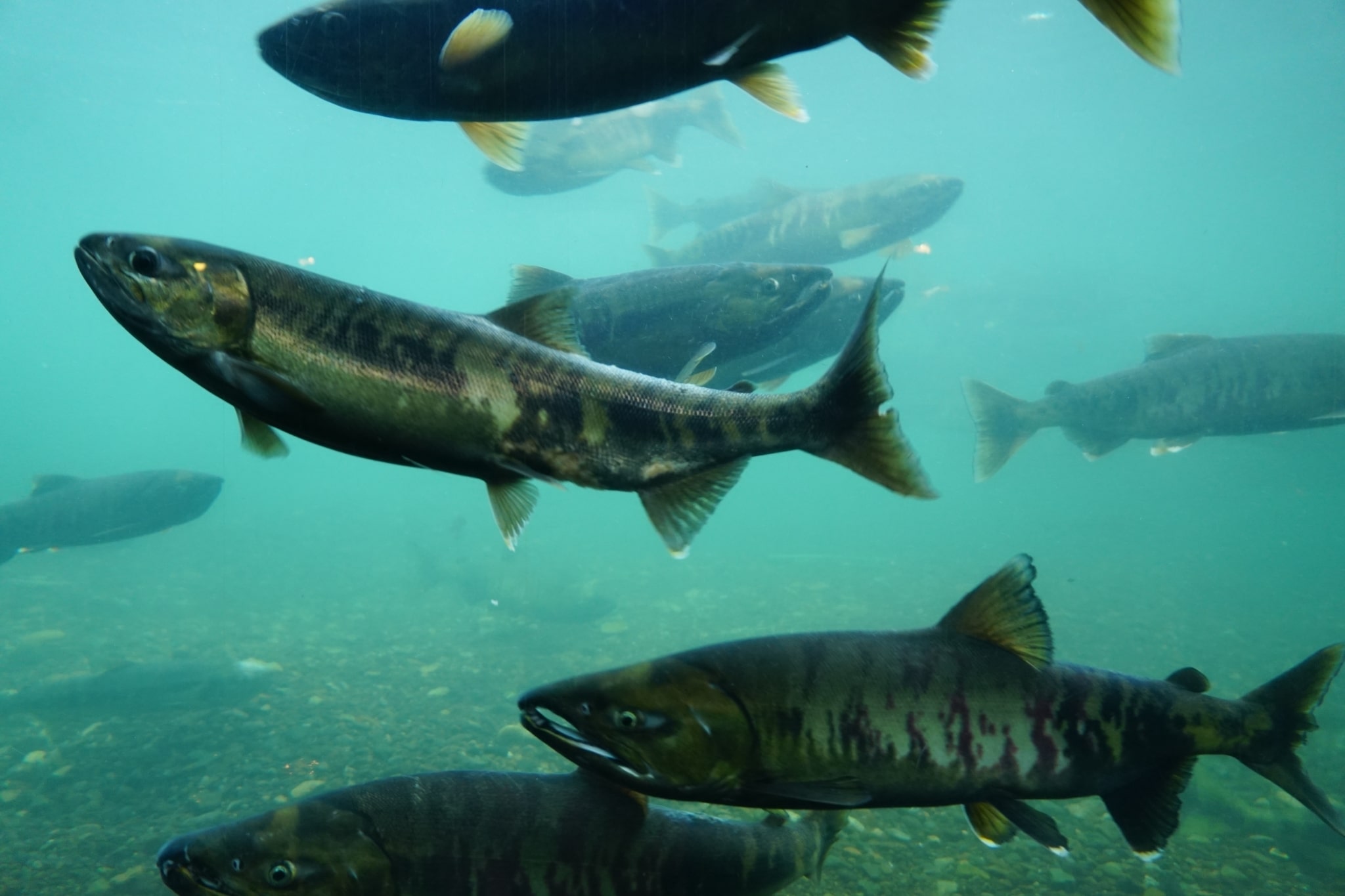
Fishing for salmon has to be on every angler’s bucket list. Not only do salmon reside in some of the most beautiful saltwater and freshwater areas in the country, but most species—like the Coho (Silver) salmon– are known to put up a rigorous fight when hooked.
Salmon species available in North America include Chinook/King, Coho, Chum, Sockeye, Pink, and Atlantic Salmon. The most popular areas for fishing for salmon include the northern tier of the U.S., Alaska, and Canada.
Yes, there are conservation efforts in place in several states, which limit seasons for fishing, size, and number of fish caught, along with bait and equipment regulations, but salmon are still widely available. It’s best to check the area where you are planning to fish to get updated on local salmon fishing rules.
And let’s not forget that salmon is one of the best fish to eat on the planet.
Fishing for salmon usually begins in the spring and carries through into summer, when they voraciously hunt the waterways looking for food. This is the time of year when fishing in lakes, reservoirs, and the mouths of large rivers makes the most sense. Then, in the fall, they migrate toward rivers and creeks to spawn.
Choosing the right bait and/or lures while fishing for salmon requires a little knowledge and some common sense. The first step is finding where the salmon are residing. The Fishbox app can certainly help in this regard, along with speaking to local bait/tackle shops, outfitters, and guides.
Generally, lures and artificials are best when fishing for salmon in lakes, reservoirs, and other large bodies of water where the depth is significant. Salmon typically come closer to shore to feed in the warmer months in the mornings and dusk—giving onshore anglers an opportunity to hook up—before heading back to deeper waters to hunt and avoid the heat of the day.
Then, when salmon start entering rivers, live or cut bait is the way to go. They may not be as voracious by the time they arrive in rivers, but their natural aggression and instincts are still in full effect, and they can’t resist hitting loose salmon roe (eggs), sand shrimp, and other live/frozen bait.
Let’s take a look at the best bait and lures to use for catching salmon:
Let’s face it, live bait has been used since people started fishing. And it still makes sense—especially when fishing for salmon.
Using a bobber and float is the preferred way to fish for salmon when using live bait since it typically moves on its own in the water and emits a scent that attracts fish. For salmon, the best live bait is fresh or cured salmon roe. They are inexpensive, can be purchased in several colors, and are hard for salmon to resist when in rivers.
Note: While cured salmon eggs are readily available at bait shops, some anglers prefer to cure their own by soaking fresh roe in a solution of water, non-iodized salt, sugar, and Borax. Yes, Borax.
Read also: Where to Catch Salmon: Top Salmon Fishing Spots in the USA
The best way to use salmon eggs is to place just one or two eggs on a size 10 hook, along with some light split shot, if needed. Most anglers opt for light orange or pink to resemble the appearance of real salmon eggs in clear water and brighter colors like red, hot pink, or chartreuse when fishing in murky water.
The choice of color is always dependent on water clarity, light penetration, and the depth of the water you’re fishing. While in doubt, use assorted colors of eggs to find out what attracts salmon the quickest.
While single eggs can work well, experienced anglers (especially those around the Great Lakes and other areas of the Midwest) swear by salmon roe sacks to improve their odds of hooking up. The sacks are just as they sound: a cluster of eggs (fresh or cured) placed into a sack made of netting and secured with fishing thread specially made for the task.
The keys to using sacks are adjusting the number of eggs used based on the size of the salmon they bring targeted (larger sacks for larger salmon) and matching the color of the netting to match water conditions. The last step typically involves adding some attractant or scent to the sack, which can make it more effective.
While most commercially available pheromone scents will do the trick, several outfitters swear by anise (slight licorice scent), herring, anchovy, krill, sand shrimp, crayfish, and even garlic.
Lastly, use a small size 8 hook for egg sacks and split shot if the water is more than 8 feet deep.
Live minnows and smaller baitfish are another consideration. While most freshwater fish will be attracted to them, salmon are always on the lookout for them. Just make sure they are active (alive) when you put them on your hook.
Out West and in Alaska, sand shrimp are solid choices for live bait. While they can be expensive and tricky to rig, just a little patience will pay off handsomely. The key is threading the shrimp onto a hook, starting at the tail and bringing the tip of the hook out by the head. This ensures the shrimp will be presented naturally.
Some anglers even put a salmon egg or two by the tip of the hook to conceal it.
If these baits don’t work, try putting chunks of canned tuna in a sack, similar to egg sacks, and see what happens. It’s hard for salmon to resist the scent emitted by the tuna. Just remember to keep your sack a foot or two off the bottom for best results.
Conversations about the best lures and artificials can easily last for days, but when it comes to salmon, there are several standouts worthy of your consideration when fishing larger bodies of water and, in some cases, rivers.
Let’s start with spoons, which attract salmon as they flutter through the water. Silver metallic or brightly colored spoons are the best bet for spoons as they replicate the movement of salmons’ prey, especially when used while drifting or trolling (one of the most popular techniques to fish for salmon).
Most anglers have an arsenal of spoons, ranging in weight from ½ to 1 oz. depending on the water current, depth, and the size of the salmon being targeted. Obviously, the larger the salmon you’re targeting the heavier the spoon needs to be, in order to reach your desired depth.
Since all spoons move through the water differently, it’s best to have several light-colored or metallic and several dark-colored ones. Some anglers even swear by glow-in-the-dark spoons. The most popular brands for spoons for salmon fishing include Mepps, Dardevle (which makes a collection, especially for Alaskan salmon), Moonshines, Michigan Stinger, and Dreamweaver.
How to Fish with Spoons: Fishing with spoons is fairly simple; all an angler needs to do to get the best results is troll with the current, cast the spoon out, let it sink to the desired depth, and retrieve it with a slow reel, allowing the lure to flutter and wobble to resemble a dying baitfish.
Like spoons, spinnerbaits attract salmon by creating movement in the water resembling an injured or dying baitfish. Given that they have metallic blades at the end of the lure that spin in the water, they spin in a more pronounced fashion than spoons, making them even harder to resist for salmon and most predatory fish.
The key when using these is matching the size of the lure to the size of the salmon being targeted, whether you’re fishing a lake reservoir or a fast-moving river.
Choosing the Right Spinner Size: For a 15-20 pound salmon, for example, most anglers would opt for a 5 or 6 size spinner, but size 4 may also be appropriate. Since spinnerbaits don’t have a uniform spin rate, it’s best to try a couple of assorted brands and vary your speed of retrieve. (For example, Blue Fox spinners tend to spin slowly, while spinners from Mepps, Rooster Tails, and Panther Martins spin faster.)
Read also: Spinnerbait Fishing: Techniques, Timing, and Tips
The type of hook (treble or barbless) on a spinnerbait is often dictated by local regulations.
Color Choices for Spinnerbaits: In terms of colors, most anglers lean toward brighter ones, such as metallic blue, hot pink, purple, and the classic black, white, and red combination.
Fishing Techniques with Spinnerbaits: Since spinners rely on motion to attract salmon, it’s best to avoid letting the lure sink to the bottom. After casting, wait a few seconds (generally one second equals one foot of depth) before starting your retrieve. Keep your rod tip low to keep the spinner deeper, or hold it higher to keep it shallower.
One of the more popular ways to fish for salmon using spinner baits while trolling is employing wedding ring rigs, which combine the use of live or cured roe, a spinner bait, and a trailer hook with more eggs on it. The rig is separated by a bright ring, thus the wedding ring moniker.
Besides live bait, spinners, and spoons, another “lure” worth considering—especially when fly-fishing– are beads attached to a rig.
Beads–which are made of glass, metal, or plastic–resemble salmon roe but without the oily texture and scent. The key considerations when using beads are size and color.
Choosing the Right Size Beads: Run timing and the type of salmon spawning in the area play a critical role in determining what size of bead to use (6mm-14mm). Fishing reports can offer plenty of information, but sockeye salmon produce the smaller roe (6mm), while Chinook (King) salmon typically hit larger 10mm-12mm beads. Having an assortment of sizes on hand is always a clever idea.
Size Considerations for Water Speed: Also, keep in mind that the slower the water, the more time the salmon will have to inspect the bead. Smaller is better in these scenarios.
Bead Color Choices: In terms of color, there are several manufacturers that provide beads depending on the duration of the spawning season, but DIYers can also color their own beads with paint specifically created for painting beads or nail polish. The best bets for early in the spawning season are orange or apricot color (the color of new salmon eggs), while later in the spawn, colors tend to be dark peach or mottled orange. When in doubt, look inside pools or the river bottom to see what eggs are prevalent.
Finding the right bait or best lure for effective fishing is a matter of trial and error. Fishing for salmon is no different. While live bait is a traditional choice for rivers and moving water, trying a spinner or another lure shouldn’t be ruled out. Are egg sacks not working? Try a minnow!
The same holds true for fishing larger and deeper bodies of water. If a one-size spoon isn’t working, try to vary the size or switch to a spinner, a crankbait/diving plug, or even a live herring.
You’ll never know what the best baits/lures are until you vary your attack. Who knows, you just might learn something new along the way and land the salmon you’ve only dreamed about in the past.
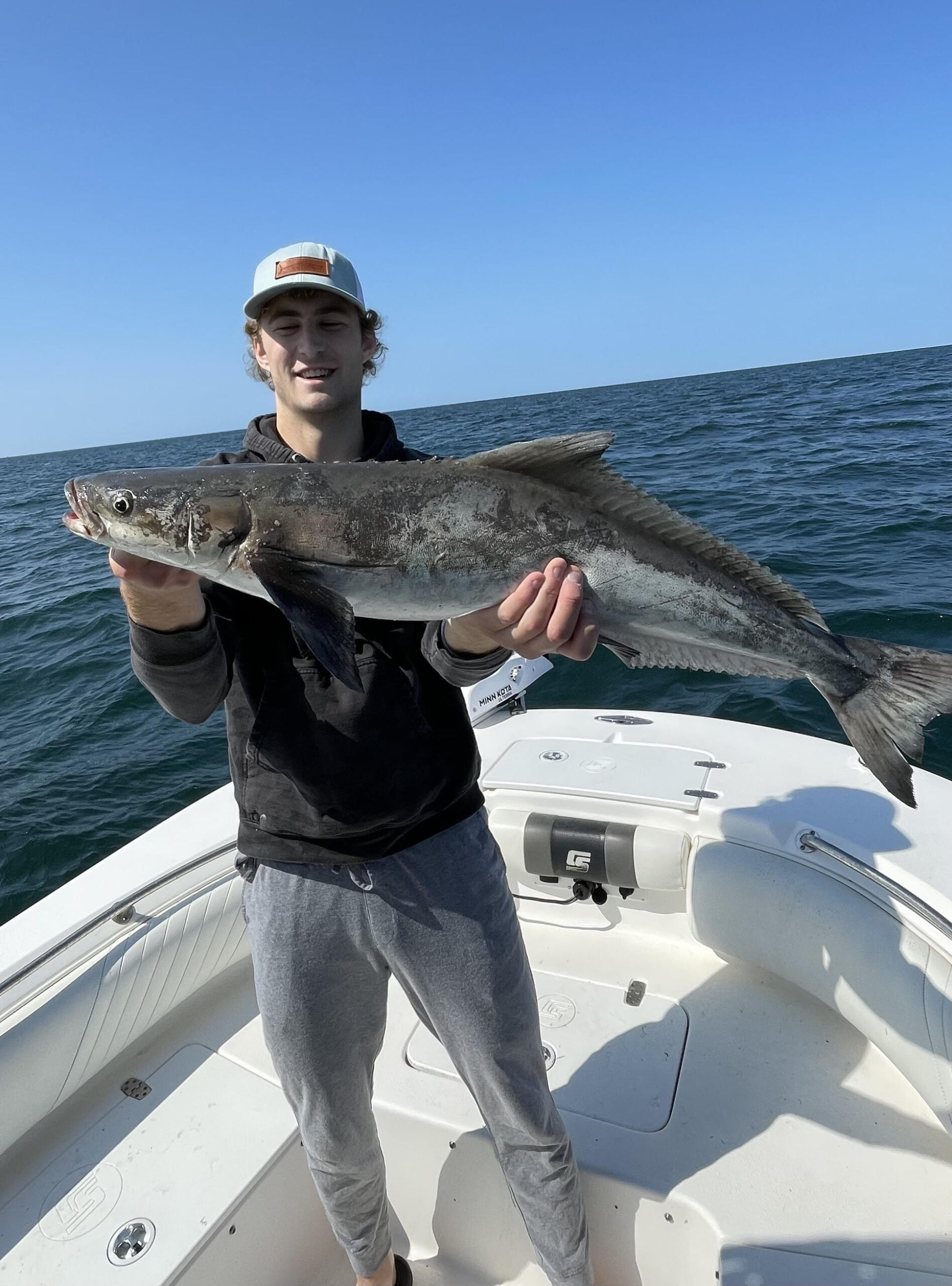
Salmon is one of the coolest fish I’ve had the opportunity to fish for. First, the salmon I caught were in the middle of nowhere in Alaska, surrounded by breathtaking scenery—including mountains and even bears eating salmon beside us. In addition, the salmon we caught always fought incredibly hard, and they were delicious once they reached the plate.
That said, I’m super excited to dive into this article and learn about the best baits and lures for salmon. After a brief introduction, the article summarizes the various types of bait anglers use to pursue these fish.
The first bait mentioned is roe and roe sacks. When I went to Alaska a few years ago, this was exactly what we used to catch our sockeye salmon. We’d rig a small cluster of roe on a smaller hook and float it down in front of the salmon, hoping they’d take the bait. Even those super smart, finicky sockeye were no match for the roe—we convinced quite a few to bite that day.
The next bait discussed is live minnows. While I haven’t personally used live minnows for salmon, I have no doubt they’d be highly effective. Salmon are ferocious feeders, so I imagine they’d jump at the opportunity to inhale a live minnow.
After that, the article mentions sand shrimp. I’ve never even heard of these before, but I guess they work pretty well. The last natural bait discussed is canned tuna. Of all the natural baits mentioned, I’m taking roe every day of the week.
The article then discusses artificial lures, often more effective in deeper waters where roe might not reach the fish as easily. The first artificial lure mentioned is the classic spoon. I’m a huge fan of spoons and use them often throughout the year. In fact, when we went to Alaska, spoons, and spinnerbaits—the next lure on the list—were the only artificials we used for salmon, and we crushed it. The best part is that you never have to bait your hooks; just unhook the fish and cast it again.
The last two artificials mentioned—bead lures and wedding ring rigs—are ones I’ve never heard of before. Based on the article’s description, they seem effective, but if I were to return to Alaska right now, you’d better believe I’d be throwing a spoon or spinnerbait. The simplicity of those lures is what fools the salmon—they just think it’s a baitfish.
The article concludes shortly thereafter. I hope you enjoyed reading this article and my commentary!