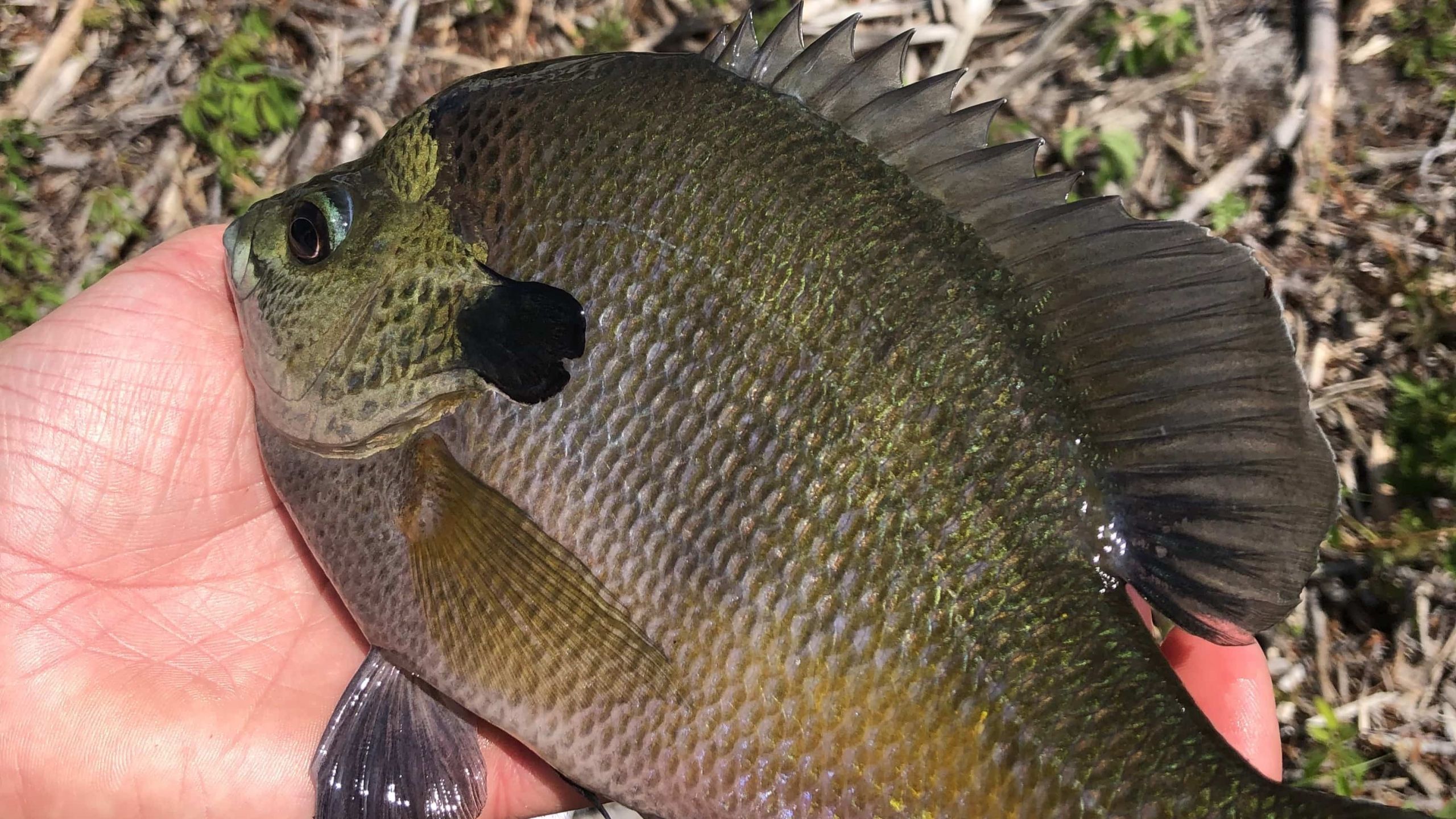
Bluegill is one of the most popular fish species in the United States. This is not only due to their extremely large and widespread population but also due to the millions of anglers that target and catch them every year. There are tons of different motives for catching bluegill, as with any other species. Some of these popular motives include catching bluegill for food, for bait to catch other species, for recreation, or even for sport in things like tournaments. Bluegill can also be extremely easy to catch and give beginner or even expert anglers a fun time on the water. This being said, one can easily see just how popular the bluegill is, and in this article, I’m going to give you the ultimate guide on how to catch more of them. Before I get into the main chunks of this article, I do want to offer one piece of helpful advice that could be a huge resource when it comes time to get out on the water—The Fishbox. The Fishbox App is a resource designed to give you a better understanding of what is going on above and below the water with amazing bait, bite, and even weather metrics to help your day go a little bit more smoothly. With over 40 different factors that play into a user-friendly “bite score,” the Fishbox App provides a super easy and visual way to see what the bite should be like on the water that day. So don’t wait any longer and download this extremely helpful resource today. Trust me; you’ll thank me later.
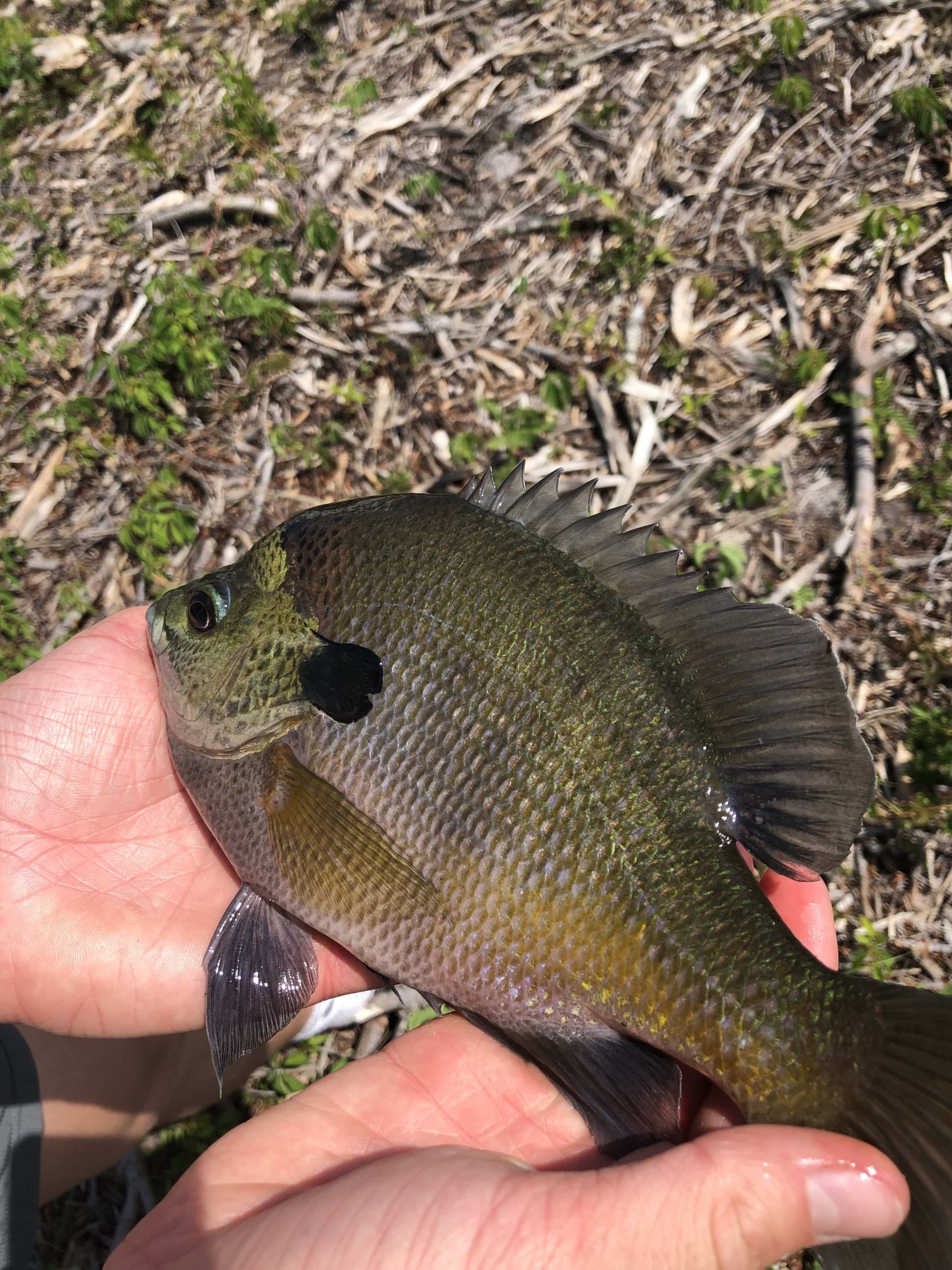
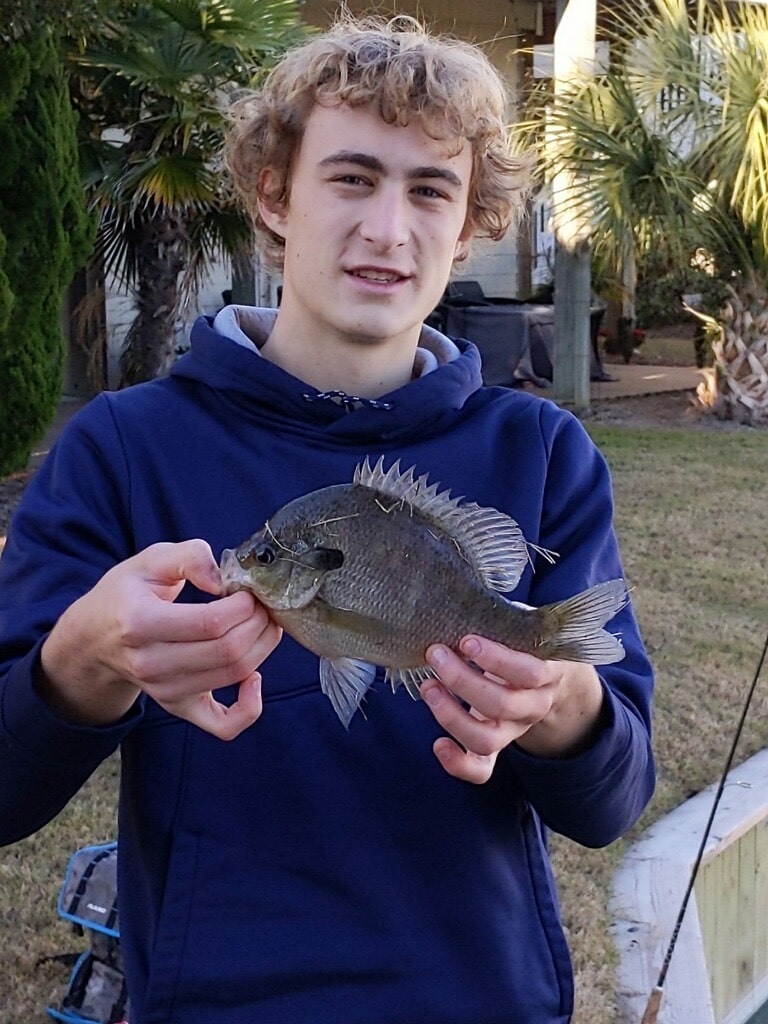
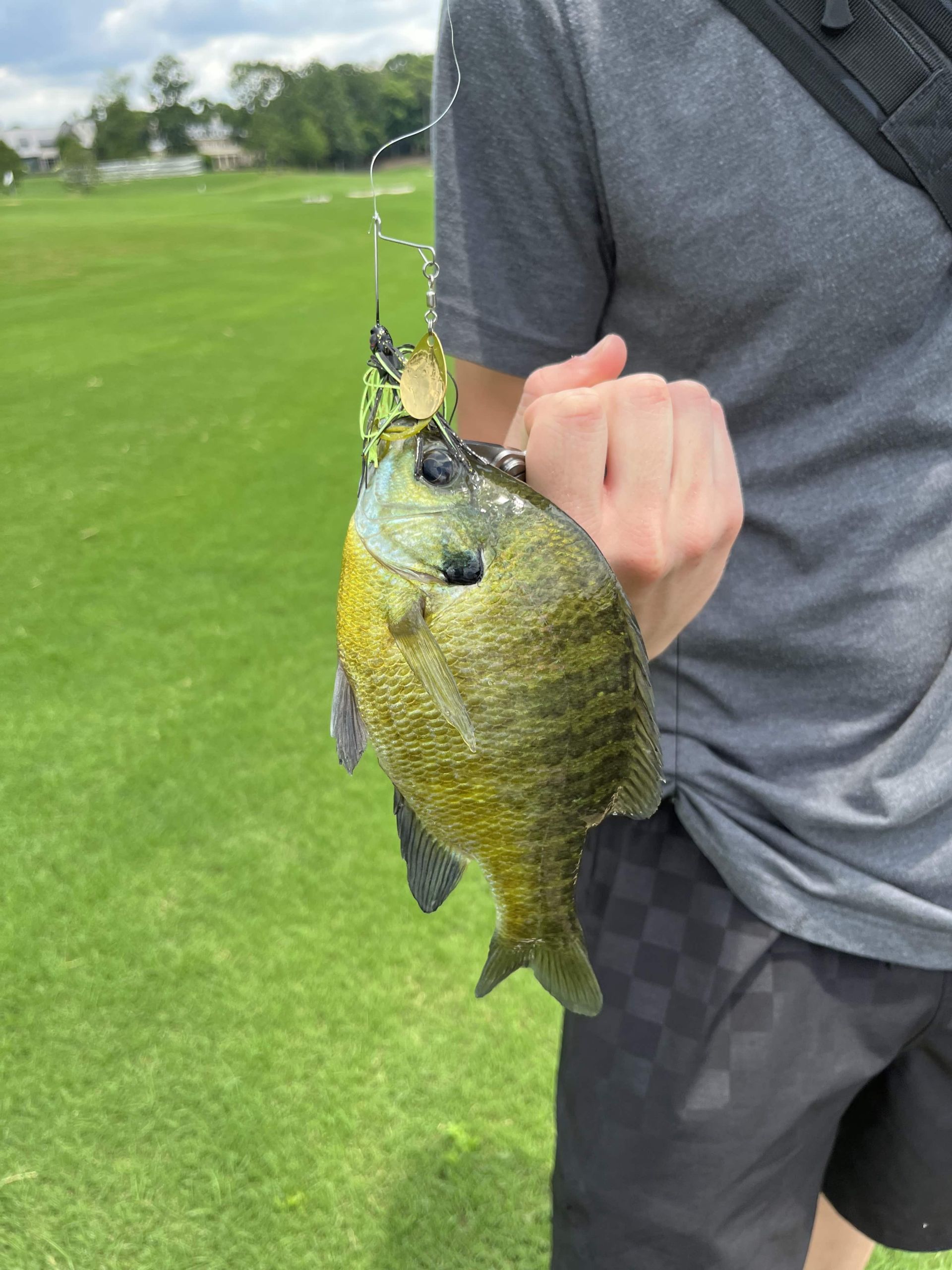
Bluegill are a popular and widespread species of panfish that can be caught in almost every state and all across the world. They are not known as being the sharpest tool in the shed in terms of fish, but they can put up an excellent fight for their size and can be targeted with a multitude of strategies. They can feed on anything from micronutrients to minnows and almost everything in between. These fish very rarely break 9 or 10 inches but have been caught before weighing as much as a few pounds—talk about a slab. One of the most interesting things about bluegill is how different each one can look. In general, the species look similar, but there can be drastic differences between the two bluegills, even when they are found in the same body of water.
Their Habitat and Geographical Distribution:
As I mentioned earlier, bluegill is found all over the United States and the world, from little streams to massive lakes and everything in between. For the most part, the vast majority of the species is found east of the Mississippi River but can also be found elsewhere. Additionally, bluegill loves the cover. They love a good place to hide, whether that be sunken logs, fallen trees, rocks, aquatic vegetation, and more. Obviously, their direct habitat will change based on the body of water they are found in. For example, in rivers, bluegill are far more likely to congregate around rocks, whereas in a pond, they are probably more likely to be on some fallen tree structure.
Common Behavior Patterns and Diet:
Bluegills are a very aggressive species, and they love to eat. They will eat virtually anything that is in front of their face as long as they can fit it in their mouths. Bluegill tends to be found in schools most of the time but can be found solo or even paired off during mating season. This brings me to another point: mating season. Bluegill gets super aggressive during the mating season, especially when it comes to defending their nests with eggs. That being said, you can easily take advantage of this period by throwing literally anything in front of them, and they will likely attack it. As I briefly mentioned, bluegill eats everything. The vast majority of their diet includes bugs found in and around the body of water, small minnows, aquatic vegetation, micronutrients, crustaceans, and more.
Bluegill Spawning Season
When do Bluegills Spawn:
Temperature: While this number can vary based on the region you are in, the average temperature for spawning bluegill is in the mid-60s.
Conditions for Spawning: Bluegills are pretty hardy fish, so they really don’t need super specific conditions for spawning, unlike some other species. However, bluegills prefer the temperature I mentioned above, as well as some kind of sandy or grave bottom, in order to make nests. The last thing I would mention is that the water should be well-oxygenated to best support the spawn.
Typical Months for Spawn based on Region: For the most part, bluegill spawn occurs in the months from March to June. The colder the region, the later the spawn generally is in the year.
Understanding Bluegill Spawning Habits:
How Bluegills Create Nests in Shallow Waters: Bluegills create these unique nests by actually using their own tails to push and fan away material on the bottom. Over time, these nests form into what seems like little craters. This is eventually where the eggs will be laid.
The Role of Males during the Spawning Process: The primary role of the male during the spawning process is to guard the nest and protect it from intruders. As a result, if you are pitching baits on bluegill nests during spawn, you’re likely going to pick off the male before the female.
How Spawning Affects Fishing Opportunities:
Spawning is one of the best, if not the very best, seasons to catch bluegill. Their aggression, particularly when referring to the males, is unrivaled, and you shouldn’t normally have to try too hard to convince one to bite. As I just mentioned, those males are locked into guarding the nest and will almost certainly attack anything in front of them. Another reason spawn is so great is because the bluegill are very congregated. They will often group up on the shallow side of the pond, and you can see hundreds of nests. So right off the rip, you should fairly easily be able to see where the fish are during spawn.
Best Time to Catch Bluegill
Discuss the Seasonal Patterns:
Spring: Spring, for the most part, is known as the pre-spawn season. Most of the bluegill will be getting ready, if not spawning in some places. This means that they have already moved shallow and started making their beds.
Summer: Summer represents spawn or maybe even post-spawn in some areas. The bluegill should still be hanging around the beds with their young while they continue to gain strength. While the bluegill won’t be quite as aggressive as during spawn, they still are always willing to bite.
Fall: Fall is when the bluegill starts pushing into deeper water as the temperatures start to drop. Again, the cooler it gets, the colder the bite will get, but that doesn’t mean you can’t catch them. During the Fall, you honestly can still get away with using live or dead baits, but as the water gets very cold towards the end of Fall, you may have to shift to using deeper diving artificials.
Time of Day Impacts Success:
Early Morning: Early morning and late afternoon are going to be your best times to fish for bluegill. Not only are the fish the most hungry and active, but they are also pushed closer to the banks, especially in warmer seasons. During the early morning, you should find bluegills on high alert for both prey and predators, as bass often hunt them in the morning. This being said, try to be stealthy in your approach so that you don’t unnecessarily ruin your chances of catching them.
Late Afternoon: Late afternoon is another peak bite time for bluegill, but you shouldn’t have to worry as much about spooking the fish due to the lower light levels. Additionally, bluegill also tends to push back toward shallower water as the afternoon drags on and the heat wears off a bit.
Midday Strategies: Midday strategies are slightly different from other points in the day. For the most part, as the day gets warmer and warmer, the bluegill should push deeper to a little bit more comfortable water. You will almost never have to worry about spooking them too badly at midday. The same strategies of fishing apply: you just might find the bluegill pushed out a bit more than other times.
Weather Conditions:
Cloudy: Just like with most other species, you can take advantage of the cloud cover and fish topwater for the bluegill. This can include baits like poppers. Additionally, the cloud also reduces visibility in terms of seeing the bluegill on the surface, which doesn’t often help your case.
Sunny: Sunny weather should yield some of the best results for bluegill, given that there is just more activity than usual. The sun always tends to warm the water and get the fish fired up, which just makes them move around more.
Rainy: I love rainy weather for fishing. For whatever reason, rain seems to bring fish to the top. I’ve heard many theories on why this is the case, from barometric pressure to the fish thinking the rain bugs hitting the water.
Shore Fishing: Shore fishing is probably the most popular of the methods of catching bluegill. The reason is that virtually everyone has access to a “shore” from which to fish. Additionally, just about every bit of the bluegill fishing I have done is on the shore. It tends to be better anyway because that is often where bluegill congregates naturally. Some strategies I would recommend for fishing from the shore would be to look for places where bluegill would want to hide. Try to get into the mind of the bluegill and think about where you would want to sit and wait for food. Moreover, using live bait can often give you the answer about a spot quicker than artificial bait, so I would recommend using live bait.
Boat Fishing: Boat fishing is also a pretty popular means of catching bluegill. Oftentimes, fishing for bluegill from a boat requires a little bit more technology than fishing from the shore. When fishing from a boat, it can be super helpful to have a sonar where you can identify the structure where bluegill is hiding as opposed to seeing it like you would from the shore. The only thing that is really different about fishing from a boat is that you’re gonna have to fish deeper, whether that is by using crankbaits or live or dead bait rigs that extend further below the surface than usual.
Casting and Retrieval Techniques: Casting and retrieving techniques should always vary as usual. If it works, keep doing it, but if not, mix it up. This only applies to artificials for reference. I would recommend giving lures or jigs, little bumps and twitches to bring them to life so that you give yourself a better chance of catching the bluegill. Try each retrieve for a few casts and then move on to the next until something works.
Best Rigs for Bluegill:
Slip Bobber Rigs: Slip bobber rigs are the most effective bluegill rigs for shallow water. These rigs consist of a mainline to the bobber, bobber to the leader, leader to weight, weight to leader, and leader to hook. Slip bobber rigs provide an effective solution to suspending bait and can be super effective when paired with dead or, even better yet, live bait.
Split-Shot Rigs: Split-shot rigs are great for attacking bluegill in deeper water or on the bottom. It is pretty much just the mainline for the leader to hook with a split shot weight above the hook. If I’m fishing for a body of water that is shallower, and the water temperature is fairly warm, I’m still picking the slip bobber, but if it’s colder and/or deeper, I will almost always be using the split shot rig.
Drop Shot Rigs: This is a rig I’m quite honestly not too familiar with. This involves a mainline to the leader that is attached to a hook with a weight underneath it. This rig can be highly effective for colder and/or deeper water and allows for very good action with soft plastic artificials. Going forward, I do plan to use this rig quite a bit more when targeting bluegill.
When to Use Live Bait Versus Artificials: I would say always use live bait unless you really need or want to use artificials. Live bait is almost always going to perform better than artificial bait simply because it better replicates the natural species that bluegill eats. Now, if the weather is cooler and/or you are fishing a deeper body of water and the fish aren’t responding to live bait, it may be worth testing your luck with artificials to see if they will commit to that.
Tackle Recommendations:
Light Tackle Setup: Bluegill is not the largest fish in the sea; this being said, using light tackle is a great way to enhance the fishing experience as well as better target bluegill. I would recommend a reel no bigger than a size 30 or 3000 and a very light line on it. You really don’t need a line above 2 pounds. However, if you’re like me, you probably don’t want to get a whole new setup just for bluegill. To this, I would respond by saying that any one of your lighter bass combos should be more than enough. Now if you are going to get another set up just for bluegill, I would highly recommend a short, ultralight rod for best results.
Importance of Appropriate Hooks: The size of hooks causes a ton of anglers to go wrong when targeting bluegill, especially big bluegill. Bigger bluegill does not mean you should size up hooks that much, if at all. For any kind of bluegill I am fishing for, I use a hook smaller than the size of the nail on my pinky. You have to remember that bluegill has very small mouths. This being said, find some small hooks that you like and experiment with them to see what you like best.
Bluegill Fishing Tips
How to Locate Bluegill:
Submerged Logs: Submerged logs can be a great place to find bluegill. You can either spot these in the water near the bank or in deeper water with a fish finder. Position your bluegill baits around these spots and be careful not to get snagged.
Vegetation: While it offers better cover than logs, vegetation can be a nuisance to navigate, especially with moving live bait or even artificials. I would recommend trying to fish around the outside of the vegetation if possible.
Docks: A great shallow-water spot to find bluegill. Docks are particularly lively in the Spring and Summer months.
Drop Offs: These are hard to identify when fishing from the bank but are easy to spot with a fish finder. Drop-offs offer a great hiding place for schooling bluegills and are best attacked with drop-shot or split-shot rigs like those mentioned above.
How to Spot Active Feeding Zones during Spawn: This is a little bit of a trick point. During spawn, virtually anywhere in or around the nests is a feeding zone. This is not necessarily due to the fact that the bluegill wants to eat food or need nutrients, but rather because the males will bite anything to fend off attacks on their nests.
Bait Selection Tips:
Live Bait:
Pros: Live bait is the more natural option that replicates the prey hunted by bluegill. As a result, this often leads to more bites and more fish caught.
Cons: Live bait will often fall off the hook and can be messy or inconvenient to use. In addition, obtaining some types of live bait will cost more than buying artificial bait.
Lures:
Pros: You can use lures unlimited times, and it is a one-time purchase. Lures also can go deeper more effectively than live baits.
Cons: They aren’t natural, so they can’t elicit a reaction strike quite as well. In warmer months, they will be outperformed 10 to 1 when fishing against live bait in most places.
How to Make Your Bait Presentation More Appealing: The answer to this question really varies based on whether or not you are using live bait. If you are, the best way to present your bait is going to be using a variety of bait or even trying to “match the hatch” and use a bait that is local to the body of water you are fishing. If you are fishing artificials, I would suggest mixing up the retrieves with little bumps or twitches to make your lure come to life a bit more.
Patience and observation are a great way to start when targeting any kind of species, but this is especially true of bluegill. If you’re fishing at a time of year when the water is generally warmer, you shouldn’t have a hard time seeing the bluegill, so just take a second and analyze what they are doing. Based on this analysis, move forward with your strategies for catching them. Maybe you saw the bluegill chasing small minnows off of their beds—I would suggest you try using minnows for bait. Using this “watch and learn” approach can prove lethal for almost any species, but specifically for bluegill.
Common Mistakes and How to Avoid Them
Overlooking Seasonal Patterns or Water Temperatures:
When fishing for bluegill, a lot of people make the mistake of not considering the season and/or water temperature. This can prove detrimental to a day of fishing, so I highly suggest you don’t do it. Try to get the water temperature and make some observations around the body of water. If the water is warmer and you see a bunch of bluegill swimming around, then live bait is going to be the best option. However, if the water is colder and you don’t see the bluegill, maybe switch to a small crankbait and see if they are hugging the bottom.
Using Inappropriate or Bait:
The solution to this is also in the same vein as the point above. The only time you will ever really be using the wrong bait for bluegill is either if you completely ignore the temperature of the water or if you completely ignore what the bluegill are eating in the pond (if you were able to figure this one out).
Fishing in the Wrong Areas:
A lot of people can get in trouble in this area when fishing for bluegill. For example, a common mistake is to think that bluegill will be in the same shallow spots they are in the Summer but for the whole year. This is simply not the case. The bluegill will inevitably move deeper because of the colder water. Keep this knowledge in mind next time you go out to fish for bluegill so you don’t find yourself fishing in a dead spot.
Ignoring Environmental Factors like Light and Weather Conditions:
Ignoring environmental factors can also be a huge mistake for bluegill anglers, especially with regard to spooking fish. If there is minimal wind and a lot of light and heat, you can bet the bluegill will be closer to the shore. Don’t be stupid and walk right over to the shore and scare or spook the bluegill. This can and, most of the time will set your day of fishing back. This being said, pay attention to the weather that day and make sure you aren’t going to screw up the day before you even get a line in the water.
I hope you guys have found this article interesting and helpful in your individual journeys to master bluegill fishing. If you have any questions, comments, or concerns about the article, please feel free to let me know. As always, good luck and tight lines!
About author
Photo Source: All photos in this article were provided by expert Pierce Latta.
Visit his:
Share this article
Pierce Latta
16 years fishing experience
Pierce Latta has been passionate about fishing since the age of three, growing up casting lines in both freshwater ponds around Charlotte, NC, and the saltwater of Ocean Isle Beach. With nearly 16 years of experience, he’s explored almost every style of fishing imaginable, from fly fishing and surf casting to offshore and inshore adventures. Pierce now shares his knowledge and enthusiasm with others, offering tips, techniques, and inspiration to help anglers of all levels discover the thrill of fishing.