
Any question about the article?
Please use your work e-mail, so we can connect with you
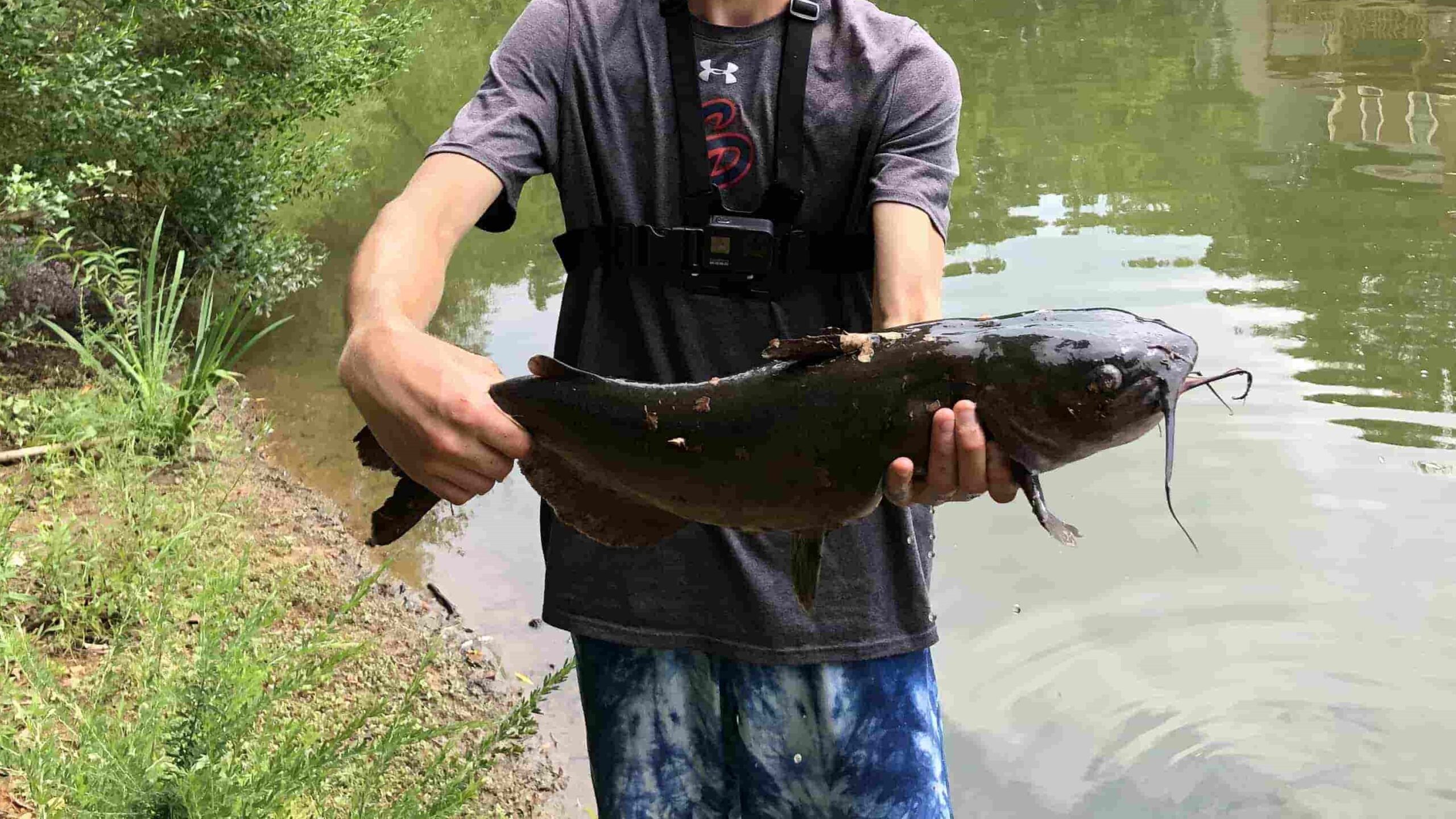
It’s easy to forget about Catfish, which are magnificent fish often lumped in with a lot of other so-called ‘rough’ fish. However, thousands of anglers across the United States dedicate their lives to catching these giant fish, and we’re here to talk about two of the most popular, Blue Catfish and Channel Catfish.
The problem is, which one is better, and how do you tell the two apart? Don’t worry. If you’re new to Catfishing and Blues and Channels, we’ve got you covered in the following guide. You’ll be catching, cooking, and eating delicious Catfish in no time at all.
In the following guide to Blue Catfish vs Channel Catfish, we’ll cover:
If you’re interested in becoming a pro-catfish angler, then be sure to check out Exploring the Best Baits for Catfish, where we cover the different types of Catfish baits, including stink baits, live baits, dough baits, and cut baits, and how to use them.
Fishbox App is a premium Fishing Forecasting app that gives you access to advanced technology, including the best time to go fishing in New South Wales and when you’re better off relaxing at home with a good book or cleaning out your tackle box.
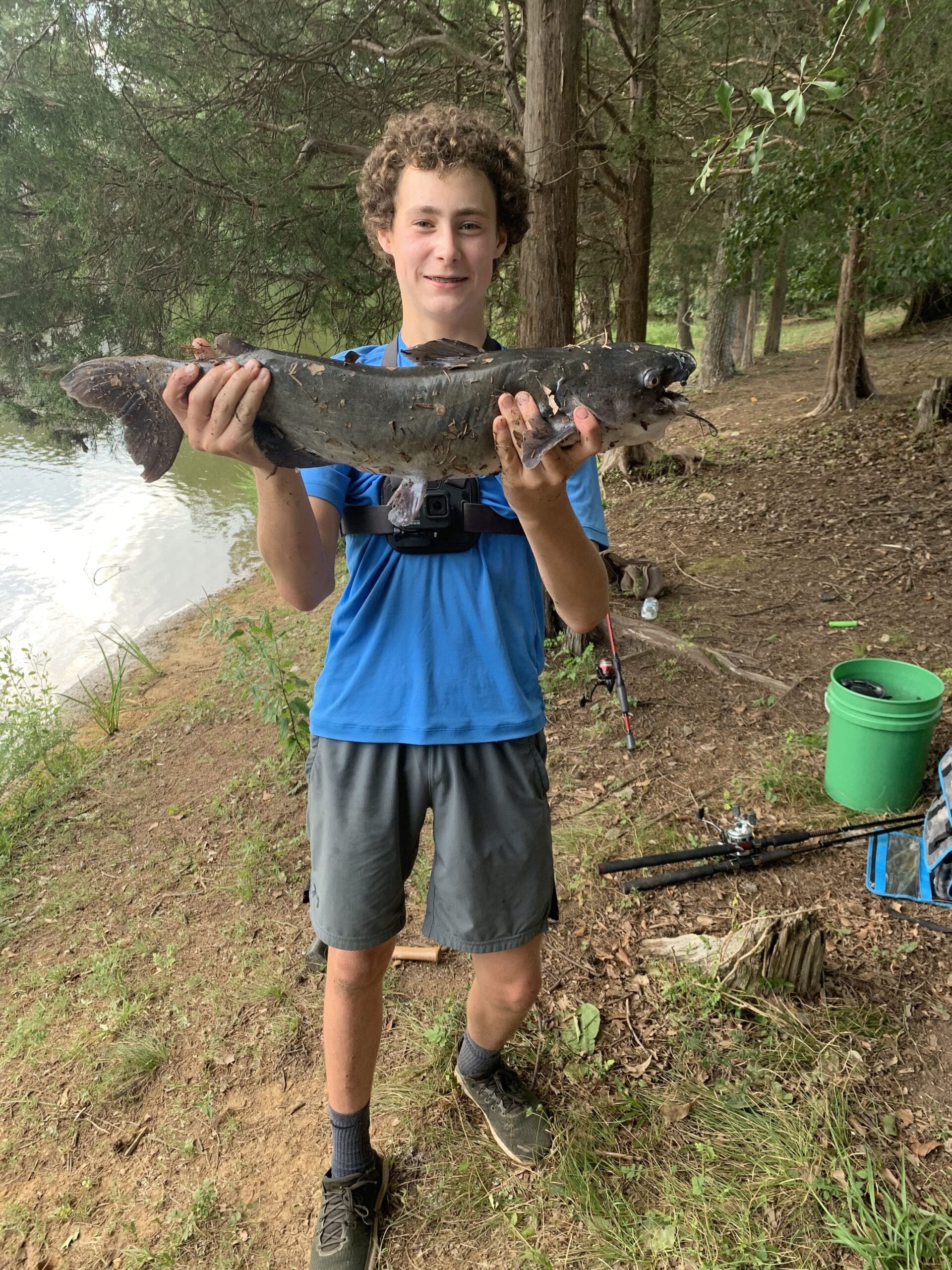
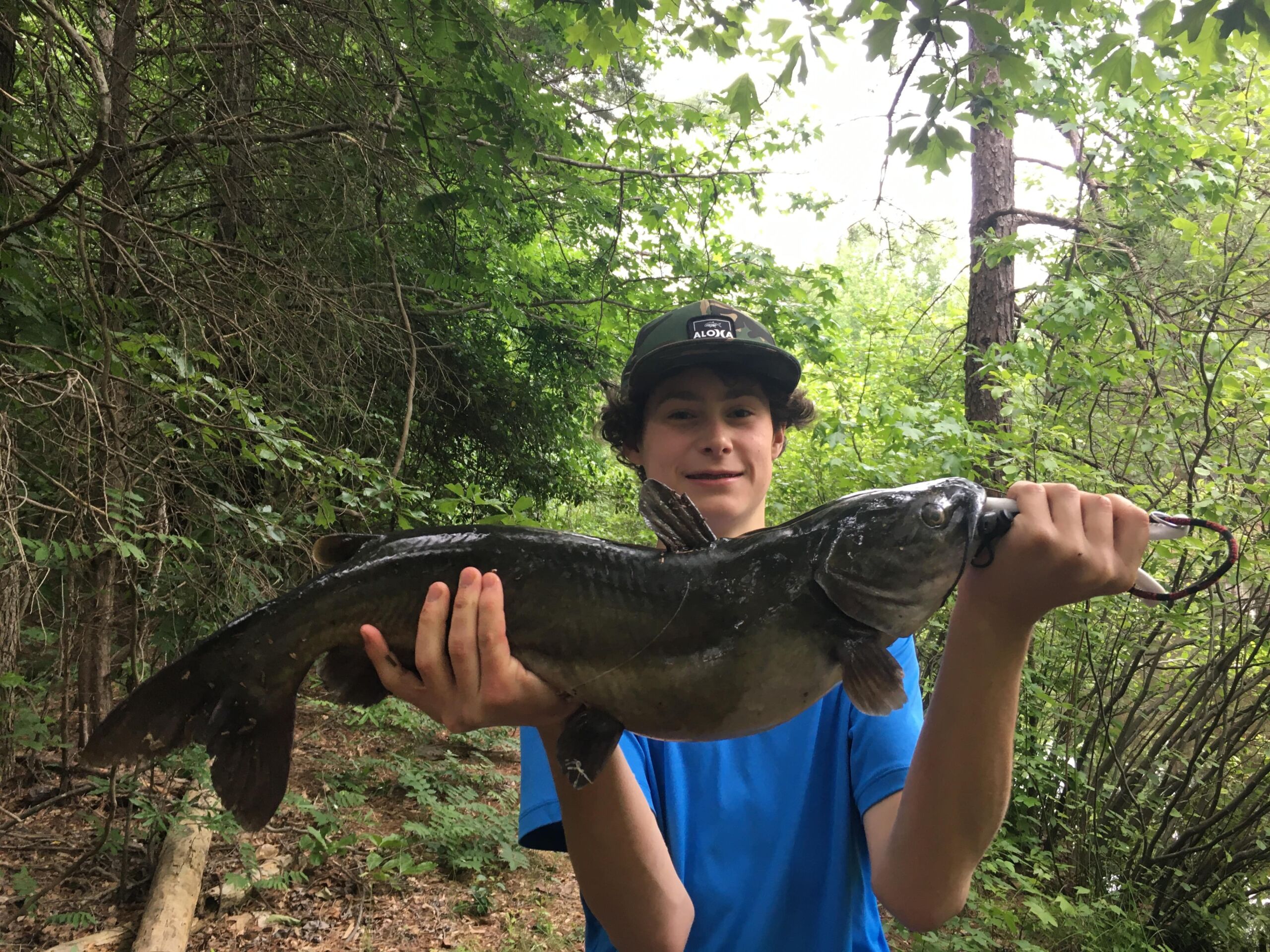
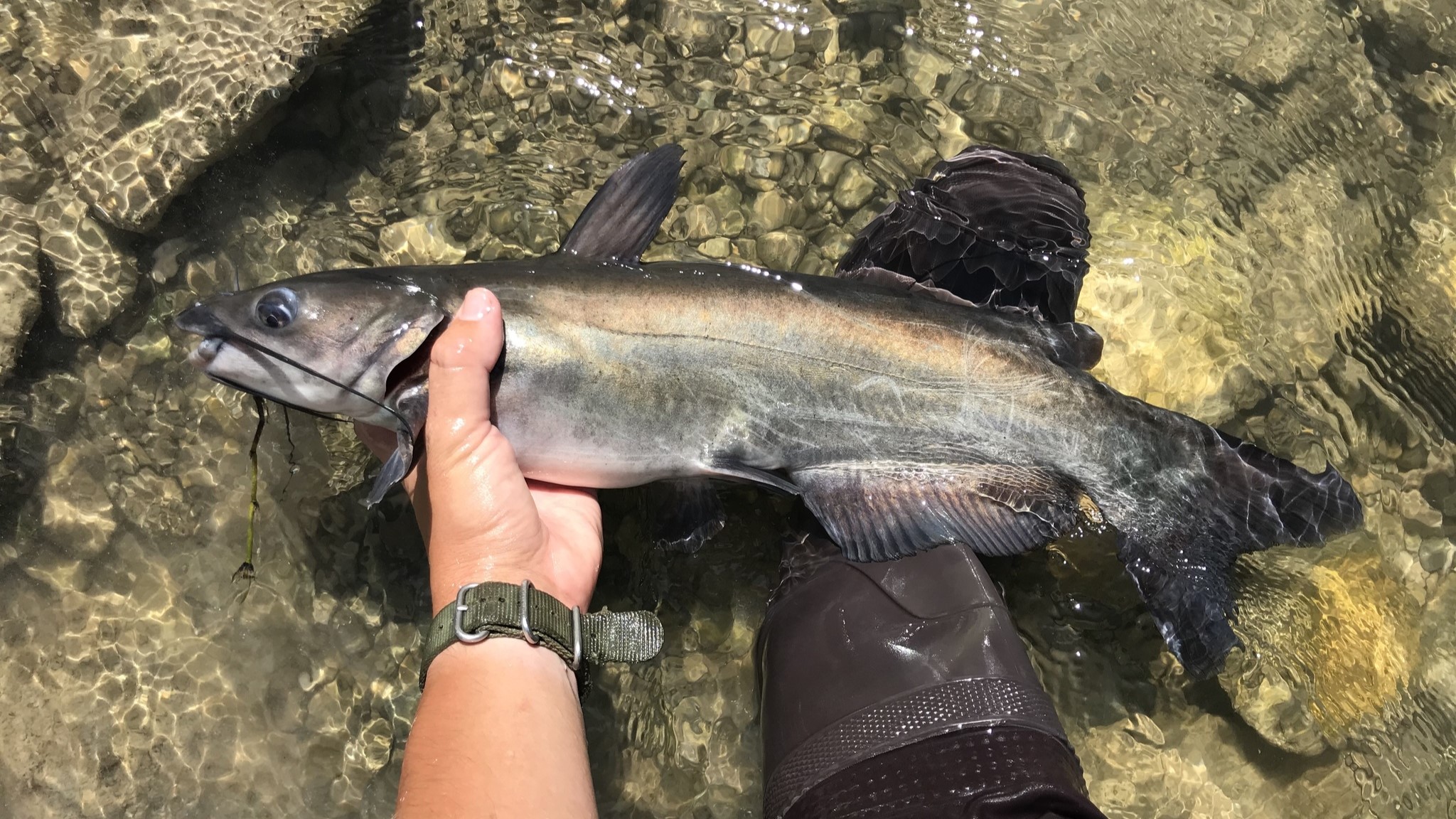
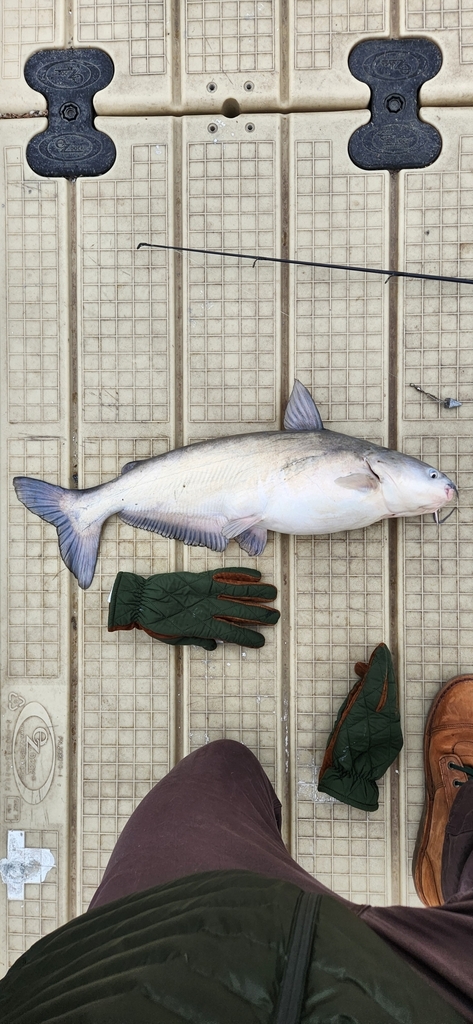
The first thing you need to look at if you’re going to try your luck at catfishing is identifying which species you’re targeting and, if you’re lucky, identifying which Catfish you’ve caught. Luckily, there are some significant physical differences between the two species, which will make it a lot easier to identify what you’ve caught.
The hardest time identifying the difference between the two Catfish species is when they’re young. However, anglers can use a couple of distinguishable features to distinguish between them. These include:
Blue Catfish grow a lot bigger than Channel Catfish, most likely because they also have a longer lifespan in both weight and length, and Blue Catfish are more highly sought-after than Channels.
An average Channel Catfish weighs between 15 to 40 lbs., while Blue Catfish typically weigh between 40 to 150 lbs., making them a much more challenging opponent on rod and reel. The average length of a Channel Catfish is around 12 to 24 inches, while a Blue Catfish typically has an average length of between 30 to 60 inches.
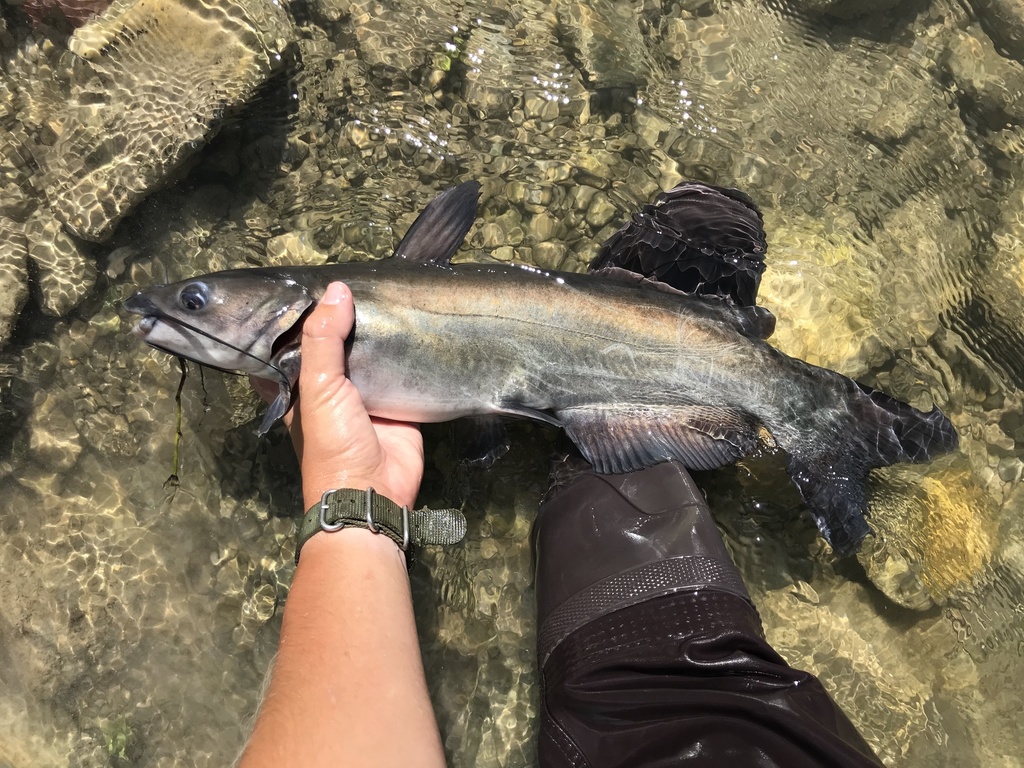
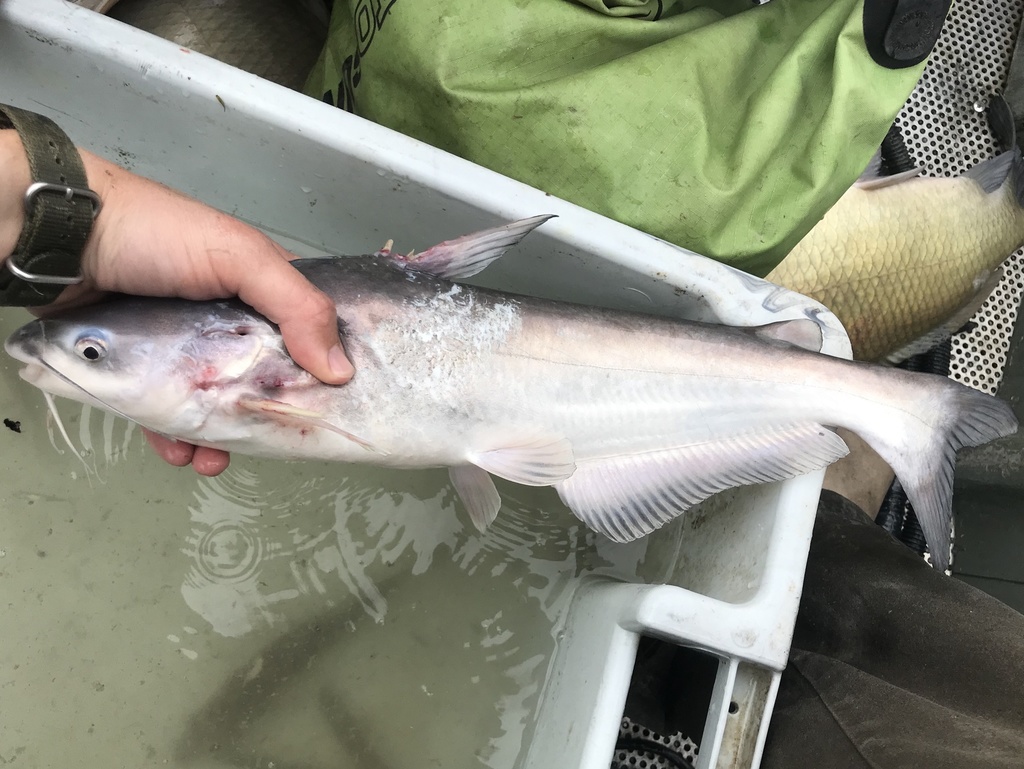
Both Channel Catfish and Blue Catfish are found throughout the United States, but there are some small differences in their preferred habitats. They might be present in the same lake or river system, but prefer different areas within that area. However, there’s no guarantee that you won’t catch both species fishing in the same location, so be prepared!
Blue Catfish are more commonly found throughout the southern areas of the United States, while Channel Catfish are typically found in the central and eastern regions of the country. Blue Catfish prefer faster-moving water, like streams and larger rivers, while Channel Catfish tend to spend more time in slower-moving water with less current.
Often occupying the same bodies of water and enjoying a similar reproductive and breeding cycle, you wouldn’t be mistaken in thinking that what works for one will work for the other. While that’s typically true, by making some minor adjustments to how you fish, you can significantly increase your chances of catching your target species rather than leaving it to chance.
The most commonly caught Catfish anglers in the United States catch is the Channel. The Blue Catfish is a lot more elusive, making large Blue Catfish a trophy serious Catfish anglers are pursuing.
Blue Catfish are typically fussier and more selective about the baits they eat, preferring fresher baits, like shad, Bluegill, Skipjack Herring, and Carp. Channel Catfish are prone to eat just about anything that comes their way. Shrimp, hot dogs, worms, Shad, chicken liver, or dough baits are all effective at luring a Channel into your bait. The more the bait stinks, the higher your chances of attracting a big Channel.
Catching Catfish isn’t overly complicated, but catching big ones can be extremely challenging, which is why so many anglers dedicate their lifetime to perfecting the art of landing trophy-sized Catfish.
If you want to catch a Channel Catfish, you need to bring the stink. The more odor you have on your bait, the better the chances are of attracting a Channel. You won’t be popular with your partner, but the Catfish will love you.
As we mentioned above, baits such as Shrimp, hot dogs, worms, Shad, chicken liver, or dough baits all work well. If there’s a Channel in the area, except for the coolest months of winter, there’s a great chance they’ll find your bait.
10-pound fish are the average size, but occasionally you’ll encounter fish up to 20 pounds. You don’t require a lot of specialized gear, with most medium-sized rod and reel combos being up to the task, with a good quality 8 to 10-pound line.
In river systems, Channels will hang around in eddies or areas where they can relax and hold out of the current, and in still water, they move into deeper areas with a lot of vegetation.
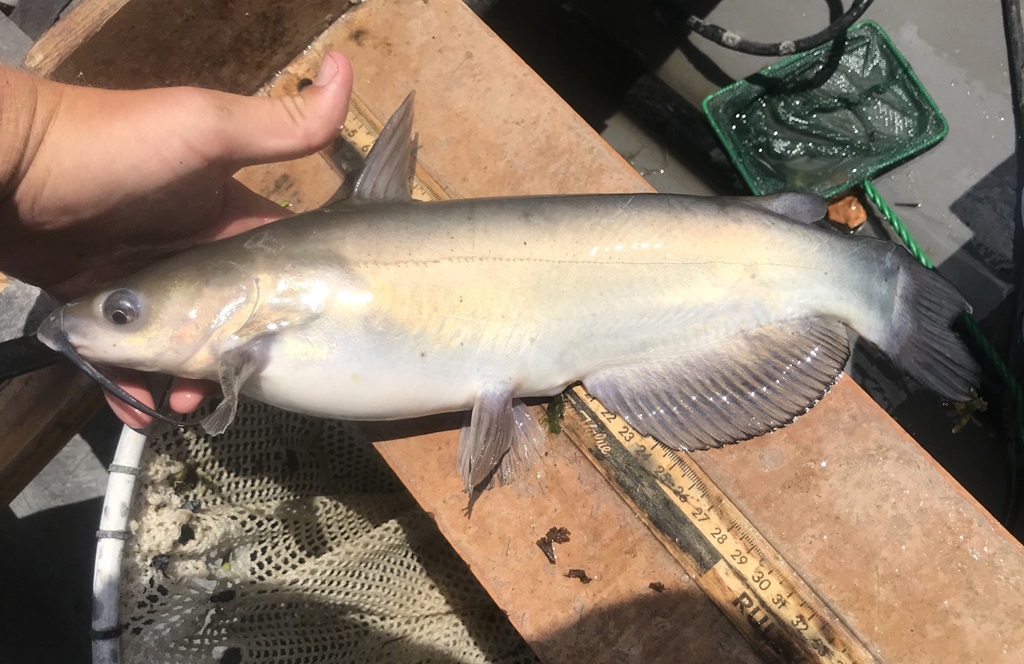
Young Blue Catfish in the 10-pound range feed and act a lot like Channel Catfish, eating almost anything and moving around vast areas within a lake or river system. These young juvenile Catfish don’t require anything more specialized than Channel Catfish. However, it’s not uncommon to catch Blue Catfish in the 30-pound range, and that’s where you’ll need to start seriously considering your tackle setup unless you want to lose a lot of fish.
If you dedicate some time to Blues, it’s not going to be too difficult to find a fish in the 50-pound range. The bigger the fish, the more they start preferring better bait. Fresher bait like we mentioned above, including shad, Bluegill, Skipjack Herring, and Carp. Catfish have big mouths, so don’t be afraid to use larger baits than you typically would for fish of the same size.
A strong rod leaning towards a heavier setup is required. Short for boats, longer for banks to give you a little more reach out over snags when you’re fighting a hooked fish. It’s not uncommon for a big Blue to take a decent amount of line, and most serious anglers targeting Blue Catfish are using a 50 to 60-pound line with an 80-pound leader to prevent them from getting cut off.
Now, it’s time to get serious. Which fish tastes better, Channel or Blue Catfish? After all, while it’s a lot of fun to catch a fish, half the pleasure is sharing that food you caught with friends and family, and there’s nothing better than fresh fish.
This isn’t a simple answer, with opinions among Catfish fishing experts firmly divided depending on who you ask. Some anglers argue that Blue Catfish taste better because they have a higher fat content compared to Channels, but others believe a good-sized Channel is just as delicious as a Blue.
There are also other factors that influence what a Catfish may taste like, including their diet, what food they’ve been consuming before being caught, water conditions, and habitat.
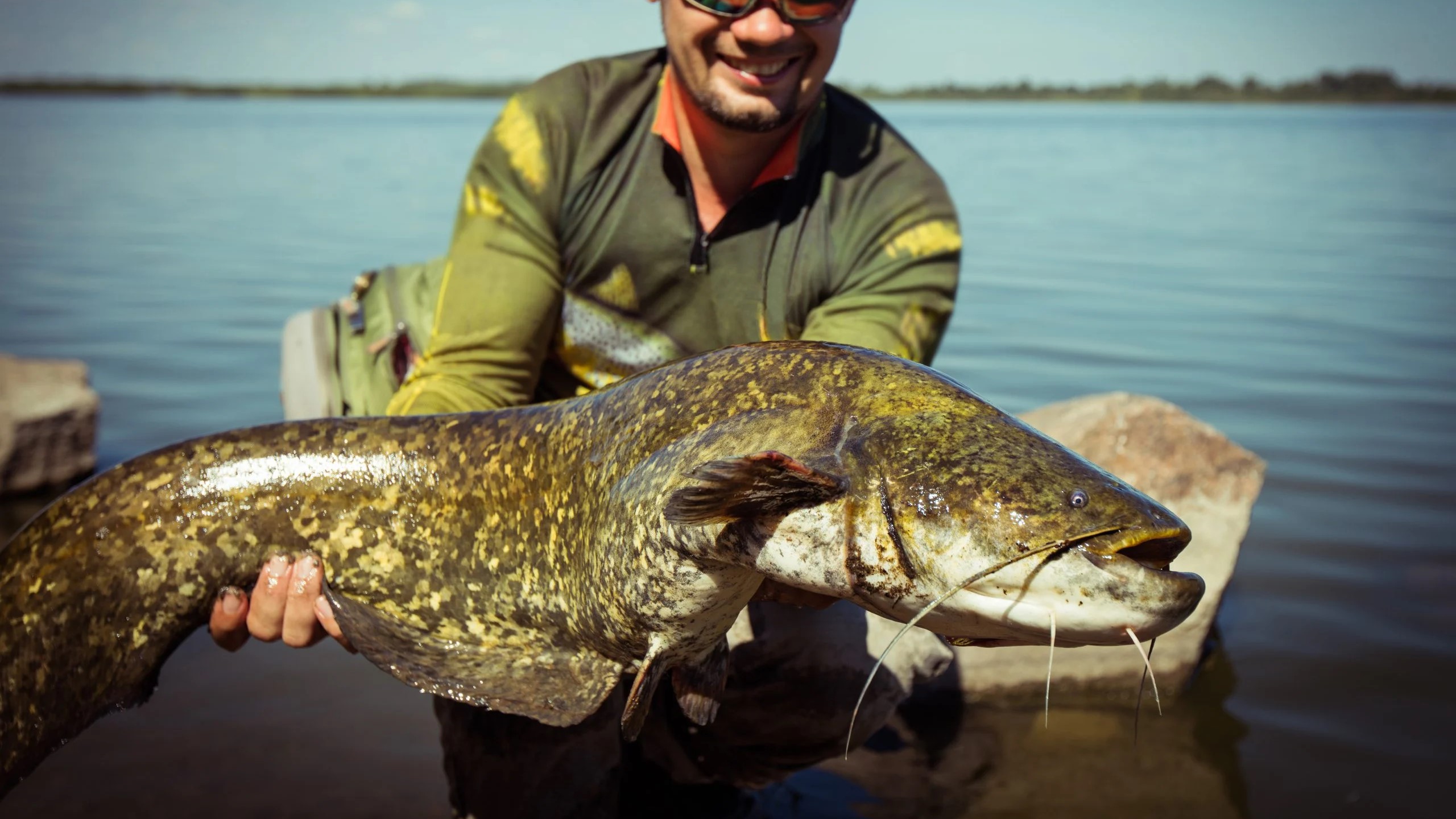
Typically, smaller Catfish will have better flavor, with both Blues and Channels ranking higher on the taste scale than large Flathead Catfish. However, most anglers will agree that the best way to cook Catfish of any species is to fry them.
Below, we’ve created a quick identification chart to assist you in identifying whether you’ve caught a Blue, Channel, or Flathead Catfish with common characteristics, coloring, and sizing.
| Species | Color | Physical Traits | Size |
| Blue Catfish | Typically, it is dark blue to a white color but can appear black at times. | Forked tail.Straight anal fin with 30-36 fins/rays. | It can exceed 100 pounds. |
| Channel Catfish | Typically, olive-brown to grey in color with darker spots. | Forked tail.Curved anal fin with 24-29 fins/rays. | Average size 10-pounds with 30-pounds rare. |
| Flathead Catfish | Mottled brown and yellow. | Flat tail.Short round anal fin with less than 30 fins/rays. | It can exceed 100 pounds. |
By now, you should have a very clear idea of not only how to catch Channel Catfish and Blue Catfish but also how to tell the two species apart, how they feed, and even the best way to cook them if you’re lucky enough to land one of these fantastic fish.
Before you rush out to your local creek, river, or lake and start fishing for Catfish, please take a few minutes to read your state’s fishing guidelines and rules. Please ensure you have a valid fishing license and appropriate permits, and understand the season, size, and bag limits. By doing our part as responsible anglers, we can all ensure the ongoing health and wellness of the Catfish fishery for future generations of anglers to enjoy.
The premium fish forecasting application, Fishbox App, will put you in the perfect position to catch some great fish by analyzing local weather and water conditions and input from local anglers. The Fishbox App utilizes accurate weather, tide, and fishing conditions to predict the best time to get out on the water to catch your target species.
Be sure to complete the quick Fishbox App quiz to generate your personalized fishing guide, which includes local hot spots and fishing locations based on your destination or location.
Are you an experienced Catfish angler, and would you like to share any of your tips? Feel free to drop a comment below with any Channel or Blue Catfishing tips that you believe new anglers would benefit from. You might just make a new angler’s day!
As a long-time fisherman, I’ve fished for catfish plenty of times over the years with good success. Most of my catfish fishing has been centered around ponds but does include some experience in lakes, rivers, and even creeks. However, as a newer angler back in the day, I would always struggle with identifying certain species of fish. It was never a matter of “Is this fish a bass or catfish?” but rather, “Is this catfish a blue catfish or channel catfish?” or whatever it might be.
I know I’m not the only one who has or does struggle with this, and thus I think this article is extremely important. Knowing the difference between fish species can potentially save you hundreds of dollars in tickets and other trouble because you didn’t know what you kept. Let’s get straight into the article.
The first section the article goes into is the physical differences between the blue catfish and the channel catfish. I would like to echo the sentiment of the author when he says it’s extremely difficult to tell apart the young, since size can often be a big giveaway if the catfish is larger. Trying to judge based solely on color when the fish are younger can be misleading because the species can look pretty similar in color based on the surrounding habitat of the catfish.
The next section of the article goes into detail about the distribution of these species and where you can typically expect to find them. This is also an important factor in classifying the fish. Additionally, the article even gives some recommendations of top spots for both species to give us some help.
The next section talks about these catfish’s behavior and feeding patterns. All things considered, these feeding patterns are extremely similar, so it’s going to be hard to distinguish these two species by feeding patterns. However, in the next section, which discusses how to target them, there are vast differences — especially in my own experience — since these catfish often live in fairly different habitats and locations across the country.
In general, channels can be found in smaller and shallower areas than the blues, and this makes targeting them different. Bait stays the same for the most part, though. In my own experience, all the channel catfish I have caught have been in ponds and creeks, as opposed to the blues which I have caught in lakes.
The next section discusses the culinary value of these fish. I personally have never eaten catfish but may have to try some after reading this section. It appears that both species can be pretty tasty if cooked right.
Lastly, the article gives us readers a helpful identification table we can use while on the water to determine what species we have on our hands.
I hope you see the importance of understanding the differences between blue and channel catfish. Additionally, I hope you enjoyed reading this article and these comments, and as always, good luck and tight lines!