

Any question about the article?
Please use your work e-mail, so we can connect with you
Flounder are some of the most sought after, if not the most sought after, inshore saltwater species in the United States. Whether this is due to their excellent table fare or the interesting style you may have to use to catch them, tons of anglers flock to catch these fish every single year. In this article, I specifically want to break down the best baits for flounder and how you can use them to your advantage on the water. I say this to every individual about fishing: location and bait are the two biggest factors in the success of your day. This being said, I want to pass on what I know in hopes that you, readers, can potentially become better anglers. As I just mentioned, bait is very important, but so is location. For this exact reason, I would highly recommend downloading the Fishbox App, as it provides unique insights into the locations where you should be fishing. The Fishbox app combines all sorts of weather metrics and other data to give you a comprehensive picture of where the bite might be, potentially giving you a better day on the water. Don’t wait any longer and download the Fishbox App today.
Before we get into breaking down the individual baits that you can use to target flounders, I want to go over a few basics that should help you be more successful on the water.
The first point I want to make is that you have to keep your bait “low and slow.” Flounder are bottom dwellers and as a result, you must make your bait appeal to these predators in a natural way. Whenever I fish for flounder, I either want my baits floating right above the bottom or literally dragging on the bottom. Now, obviously, there can be fish caught outside of this, but for the most part, you’re going to want your baits to hug the bottom.
The second point I want to make is that flounder ambush predators. They aren’t too often cruising around and looking for bait. For the most part, flounder sits in one spot, generally somewhere where bait is moving in and out like a creek mouth, and jumps out at bait that comes by. They are inherently lazy fish, so you need to be wary of this when fishing for them. You have to seek the flounder out and find where they are because they won’t be coming to you.
The last thing I want to mention before I dive in is that you want to use bait that is already there. What I mean by this is that you want to use bait that is natural and common in the area. If you’re in an area where you know there is likely to be no shrimp, then don’t throw live shrimp because the flounder won’t be used to it. However, if you’re fishing at the mouth of the creek where you keep seeing mullet popping, that might be a sign to have a mullet in the water. These are a few basics I wanted to throw at you guys, but now let’s get straight into the meat of the article.

The first bait I want to bring to light is the finger mullet. If I could have any bait in the world to catch a flounder, this would be the one. Not only do flounder eat them naturally as they do with other kinds of minnows, but the mullet are also very shiny and stand out. In terms of the size you want to use, I would recommend a 4 to 6-inch one. If you know there are larger flounder in the area, then try using a bigger bait. This past summer, I put on probably an 8-inch mullet, and that thing got inhaled by a 23-inch flounder. I would recommend fishing with mullet on the bottom with a Carolina Rig, but they can also work suspended, such as on a popping cork. I give this bait a 10/10.
Another great flounder bait because these are eaten by flounder in the wild. I would recommend a smaller pogy, probably 4-5 inches, simply because of how fat the pogies are. Flounder don’t have the biggest mouths, and they chew their food very thoroughly. This being said, I want my flounder to actually be able to inhale the bait. One of the biggest cons of using pogies is their fragility. You may only get one cast out a pogy simply because they are weak fish. Additionally, pogies are not eaten as often as mud minnows or mullet by flounder. I would score this bait 8/10.
Read also: How to Catch Flounder: Techniques, Tips, and Top Rigs
In my opinion, live mud minnows are the second-best bait on this list. Not only are they eaten naturally by flounder because they dwell close to the bottom where flounder are, but they are also relatively hardy baits and can survive on a hook for a while. Now, it is fairly hard to find an area where you can cast net live mud minnows, so I would recommend getting a minnow trap, baiting it with half of a dead blue crab, and leaving it next to an area where there is mud. Flounder eats these things like candy, and thus, I’m scoring them 9/10 simply because they don’t shine as much as a live mullet.
The next bait is shrimp. Now, before I even get started, I just want to make it clear that a ton of anglers have a love-hate relationship with shrimp because of its ability to attract other, non-targeted species. For that reason, I don’t use shrimp for flounder that often. While it can be fished both on a popping cork and a Carolina Rig, the fact that almost everything in the ocean will eat one is the real problem. Yes, flounder do absolutely eat shrimp in their own time, but when you’re fishing, chances are other species you aren’t necessarily targeting are going to get there first. On the other hand, I have heard of anglers having success with artificial shrimp pulled along the bottom. For whatever reason, the other species generally aren’t as enticed by the artificial lures, so you limit your species much further. The only problem is, from my own experience and the experience of others, getting a flounder to bite an artificial is, in my opinion, more difficult than doing it with a live mullet for example. However, if we had the choice to fish live or artificial shrimp, I would do both and cast around an artificial while I wait on the other fishing rods. I give live shrimp a 5/10 and artificial shrimp a 5/10 as well.

Again, cut bait is going to fall in almost the same bucket as live shrimp. Yes, while cut bait can absolutely catch a flounder, you still aren’t limiting your target species enough in my opinion. Other fish like pinfish, croaker, bluefish and even redfish are also going to eat that bait. Now, I absolutely would prefer cut bait over shrimp because the “field of play” is a bit more narrow, but it would still not be my bait of choice when fishing for flounder. Now, when I think of cut bait, I think of cut fish, but this can also refer to a strip of squid, for example. There is absolutely nothing wrong with putting on a long strip of squid and dragging it across the bottom. In fact, I have had a lot of success fishing for flounder this way. The trick is to not leave the bait sitting still because pinfish and croakers will tear it apart. All in all, I would give cut bait a 6/10.
Sometimes, live or dead bait can be hard to come by forcing you to switch tactics to artificials. Now, I completely understand that fishing with artificial bait can and often is far more difficult than live bait. However, with flounder, it’s not often as bad as you think. I would recommend throwing some kind of lighter color paddletail, fluke, or shad tails. These soft plastics do a great job of imitating minnows and eliciting reaction strikes out of flounder. Work these around soft bottoms near structures or the mouths of creeks or deeper holes for the best results. I would give soft plastics a 6/10.
In shallow, clear water, fly fishing can be an effective method around sandy bays, estuary flats and shallow margins. Sight fishing is possible using polarised lenses, as flounder often sit partially buried in the seabed.
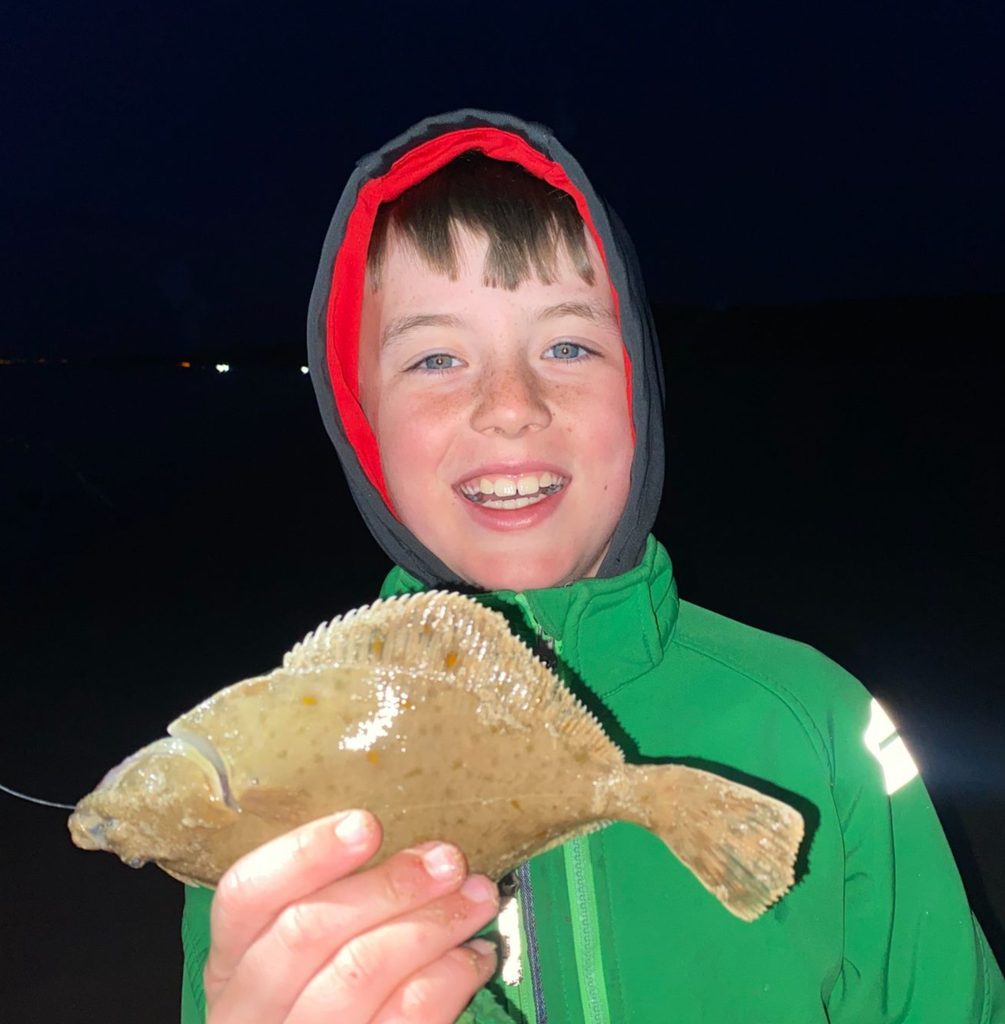
I would recommend small baitfish flies around 5-8 centimetres, shrimp and prawn imitations, or small crab patterns. An intermediate or slow-sinking line paired with an 8-10 lb fluorocarbon leader helps keep the fly close to the seabed.
Slow strips with pauses are essential, keeping the fly moving naturally along the bottom where flounder are feeding. One of the main benefits of fly fishing for flounder is the ability to cover shallow feeding areas quietly without disturbing fish.
While I myself have not ever really used bucktail jigs to target flounder, a lot of anglers do. Some will even “tip” these bucktails with squid strips or live bait to make them even more appealing. You can fish these bucktails exactly as you would any other bass jig. Since flounder are bottom dwellers, you want to bounce/drag your bait across the bottom and try to convince a flounder to bite. From my research, I would give the bucktail a 5/10.
Read also: The Ultimate Guide to Jig Fishing: Tips, Techniques, and Best Practices for Beginners
Jigheads themselves aren’t normally flounder bait but are often paired with soft plastics like the ones mentioned above so the bait can get to the bottom quicker. Use these jigheads to bounce along the bottom near the flounder in hopes of getting a strike. In addition to artificials, much like the bucktail, we can use cut or live bait on these jigheads. For example, some flounder guys will even put mud minnows on the jigheads. Since jigheads themselves aren’t bait, I will not give them a score.
We talked about soft plastics above, but as you might have expected, we can also use hard baits to target flounder as well. Some popular types of these hard baits can include stick baits, Rat-L-Traps, Mirrolures and more. These hard baits will even more restrict the fish that should target them — even further than soft baits. I generally don’t like to use hard baits just because I believe most of them operate too far off of the bottom where the flounder are. Now I get it, some of y’all may love using them, but I want to be closer in my presentation to where the flounder are actually sitting. I would score these a 3/10.
I have never actually used an Aqua Clear flounder rig, but from my research, it just appears to be a specific rig with two hooks and sometimes a skirt or feathering added around the hook. Personally, I want to just be focused on one bait and have it on the hook. While I’m sure a ton of anglers like this strategy, it’s not for me and I don’t feel comfortable giving it a rating.

I hope you guys have enjoyed reading this article and learned a bunch about all your different baits options for targeting flounder. In summary, you have a lot to choose from, but if I were you, I would focus on live bait when you can—especially if you can get mullet or mud minnows. As always, good luck and tight lines!
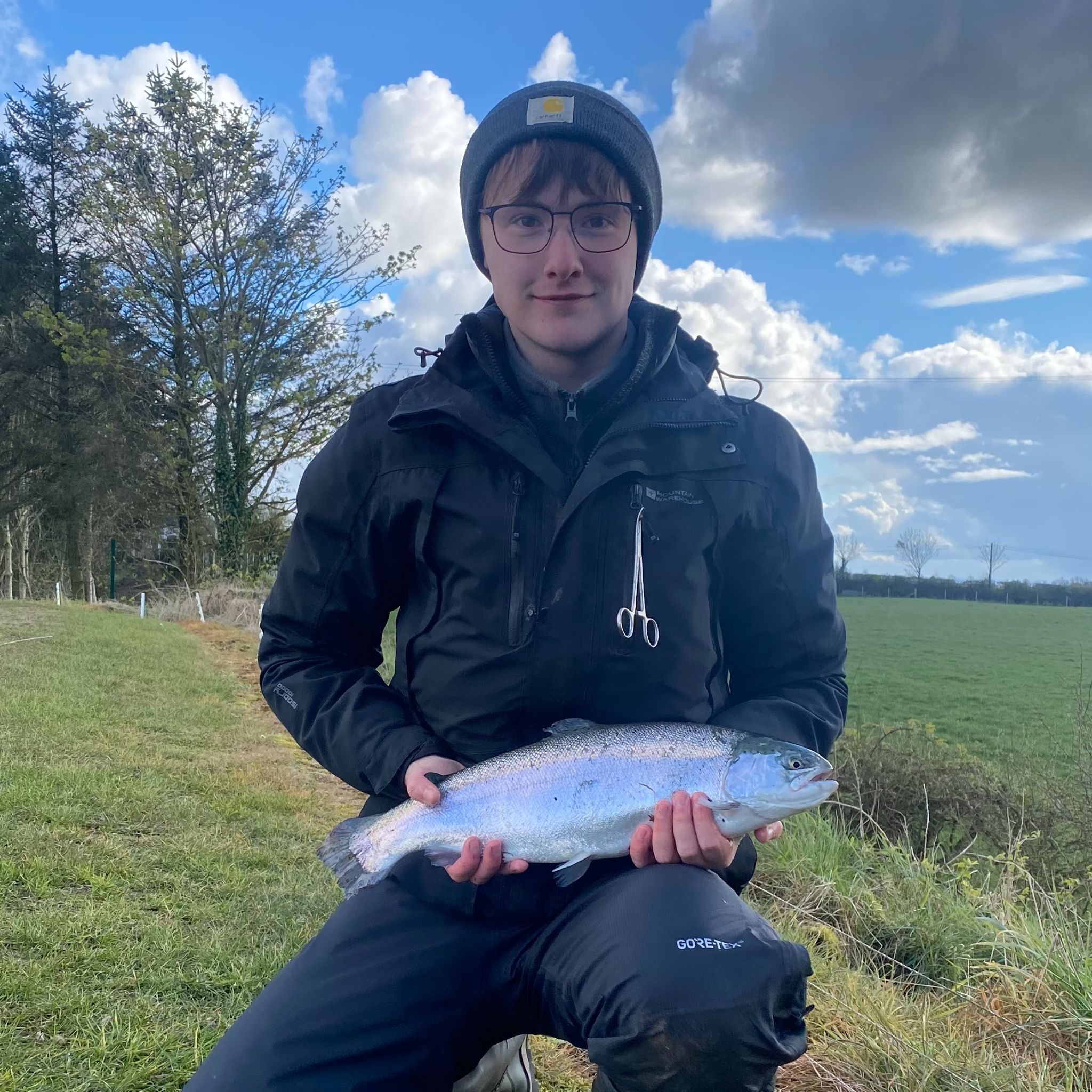
I have landed flounder, plaice and turbot up to three pounds in weight from Irish beaches, piers and rock marks. After fishing different venues and conditions, the biggest lesson I have learned is that catching flatfish is rarely about finding a single “best” bait. It is about matching bait size, freshness and presentation to the conditions you are fishing.
I would recommend starting with the bait that naturally exists in the area. Flounder are opportunistic feeders and will eat a variety of prey, including ragworm, lugworm, small crustaceans, sandeel and small fish.
The most reliable bait I have found is usually something already present on the seabed. In muddy estuaries, ragworm and lugworm are often excellent choices because these worms naturally live within the sediment. On cleaner sandy beaches, sandeel strips, mackerel strips and small fish baits can imitate prey species found within the surf zone. Mixed ground also fishes well with worm and shellfish baits because these areas often hold a wider variety of food sources.
Personally, I believe ragworm is one of the most effective baits for flounder. While this depends on the location being fished, ragworm is available in many parts of the world and has several advantages. It releases a strong scent, provides natural movement and is a common prey item for many flatfish species.
Ragworm can often be found in estuary mudflats, areas where soft mud mixes with sand and around tidal channels. To collect them, look for worm casts and small depressions at low tide. Rather than digging randomly, use a baiting fork and dig around the cast, following the worm’s tunnel.
Larger ragworm often sit deeper, particularly during colder months. Once collected, worms should be kept cool, dark and damp, while avoiding fresh water as this will kill them. Damaged worms should also be removed, as excessive scent leakage can reduce bait presentation.
Over the course of my flatfish fishing, I have found that bait size and presentation are some of the most important factors in increasing bites. Larger baits can reduce hook presentation, so practical sizes are usually around 2-4 inches of ragworm or lugworm, a small fish strip or a quarter section of soft crab.
I pair these baits with a size 4 Aberdeen hook, which is a good all-round choice for worm baits. The long shank helps with presentation and the fine wire improves hook penetration. When targeting larger flounder, a size 2 Aberdeen hook or size 4/1.0 circle hooks can be used where regulations allow, particularly when fishing larger natural baits. However, I believe this can be unnecessary in many situations.
In calm, clear water, I prefer a smaller, cleaner bait to maintain a natural presentation. In coloured water or rough conditions, increasing bait size and using stronger scent-producing baits can help flounder locate the offering.
Flounder often feed around areas where currents create opportunities, such as behind current breaks and along channels where food is naturally transported.
From a rigging perspective, I prefer a two-hook flapper rig with size 4 hooks, 15-30 inch snoods and 2-4 ounce leads. In shallow, calmer water, lighter leads and shorter casts can often outperform long-distance fishing.
The most successful flounder anglers are not using a secret bait. They are using fresh bait, correctly sized hooks and natural presentation in the right location. A small bait presented correctly in a productive area will usually outperform a large bait fished incorrectly.


